


Dorm room color design sets the mood of the whole space. I worked on dorm room setups where the room felt small, plain, and hard to style because the walls looked dull and the lighting felt flat. Color choices helped the room look more organized and comfortable without needing expensive furniture. The best dorm colors also made it easier to match bedding, rugs, and desk items, so the room stayed clean even with daily use.
15 Dorm Room Color
- Warm white and beige calm setup
- Soft gray and white clean setup
- Sage green and cream relaxed setup
- Dusty blue and white fresh setup
- Blush pink and warm neutral soft setup
- Black and white contrast setup
- Navy and cream classic setup
- Terracotta and beige warm setup
- Lavender and soft gray calm setup
- Olive green and tan natural setup
- Light wood and white simple setup
- Monochrome neutral layering setup
- Pastel mix with controlled tone setup
- Dark accent wall with light base setup
- Final dorm color balance rule
Warm White And Beige Calm Setup
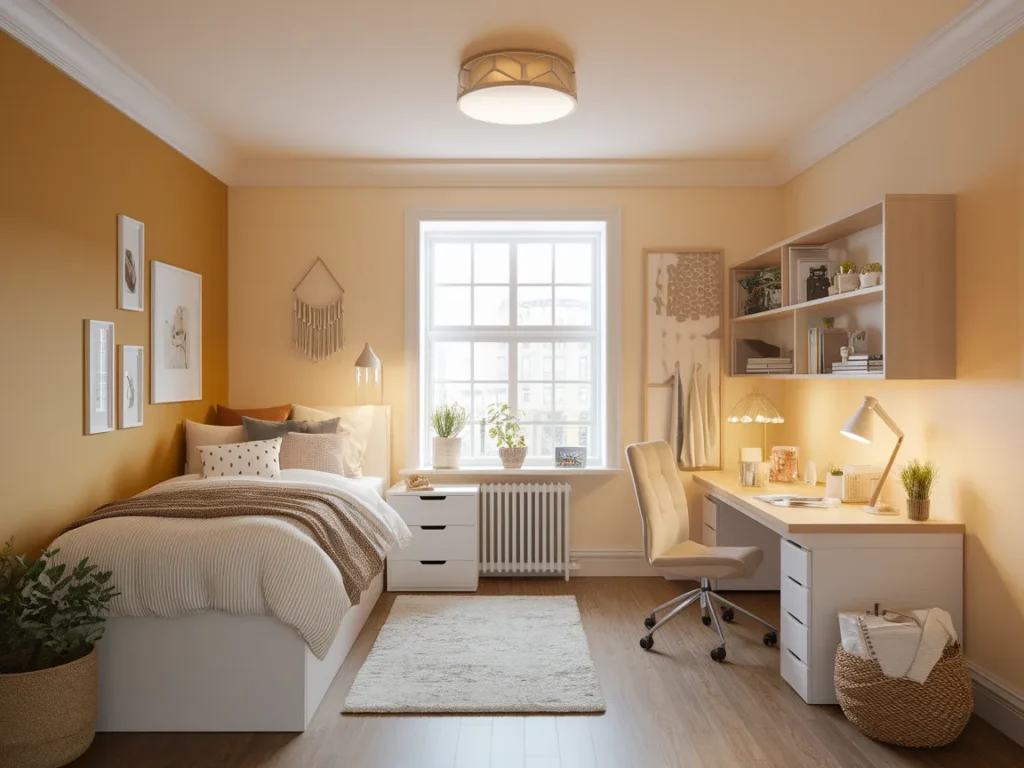
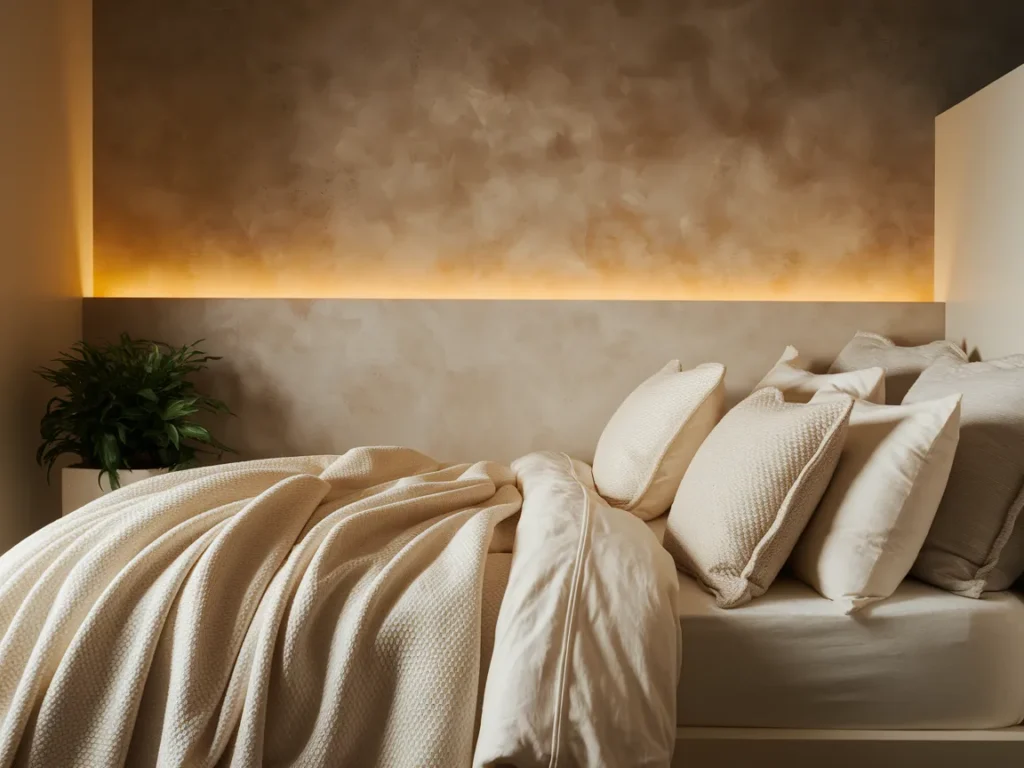
Warm white and beige created the easiest dorm setup I tested. The room felt brighter right away, and the colors worked with almost any bedding style. Warm white made the walls feel clean, while beige added softness so the room did not feel cold. I used beige in small items like pillows, blankets, and a rug, and it helped the space look calm even when the desk got busy. This color mix also worked well with warm lamp lighting, which made the room feel cozy at night. It stayed simple, easy to match, and easy to keep clean.
Soft Gray And White Clean Setup
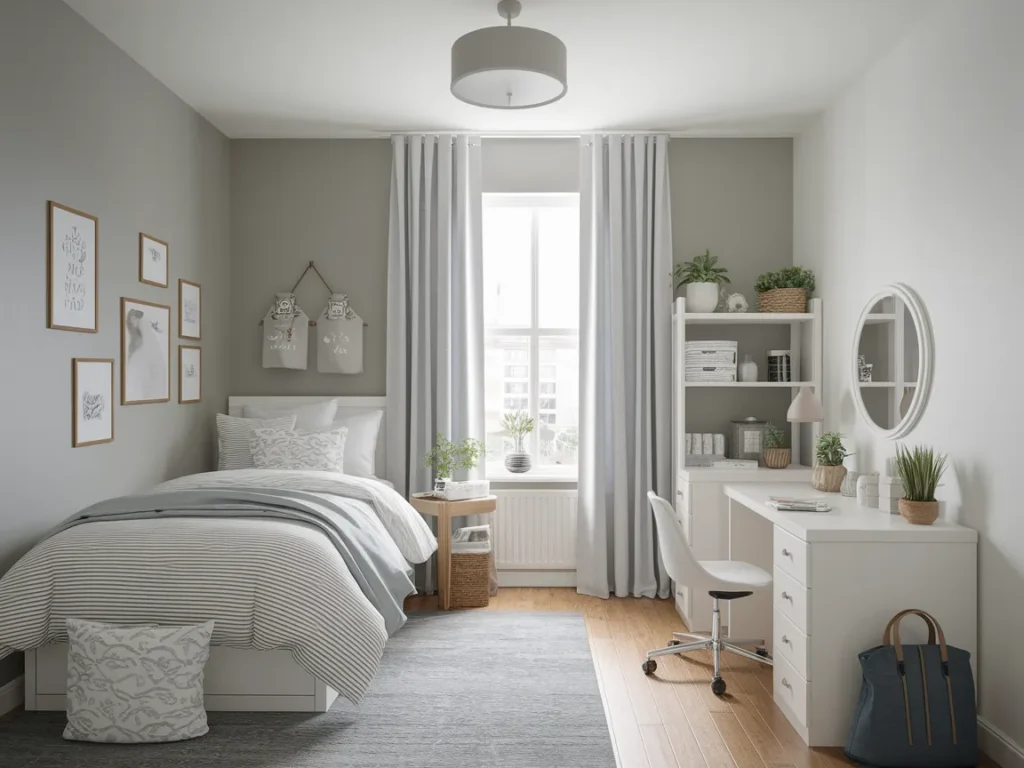
Soft gray and white helped a dorm room feel modern and organized. I used light gray in bedding and storage bins, and the room looked cleaner because the color hid small marks better than pure white. White kept the space bright, while gray added contrast without feeling harsh. This mix also worked well for a study-focused dorm because it looked calm and reduced visual noise. I added a small amount of black in frames and lamp bases to give structure. The room stayed balanced because gray acted as a middle tone between bright white and darker accents.
Sage Green And Cream Relaxed Setup
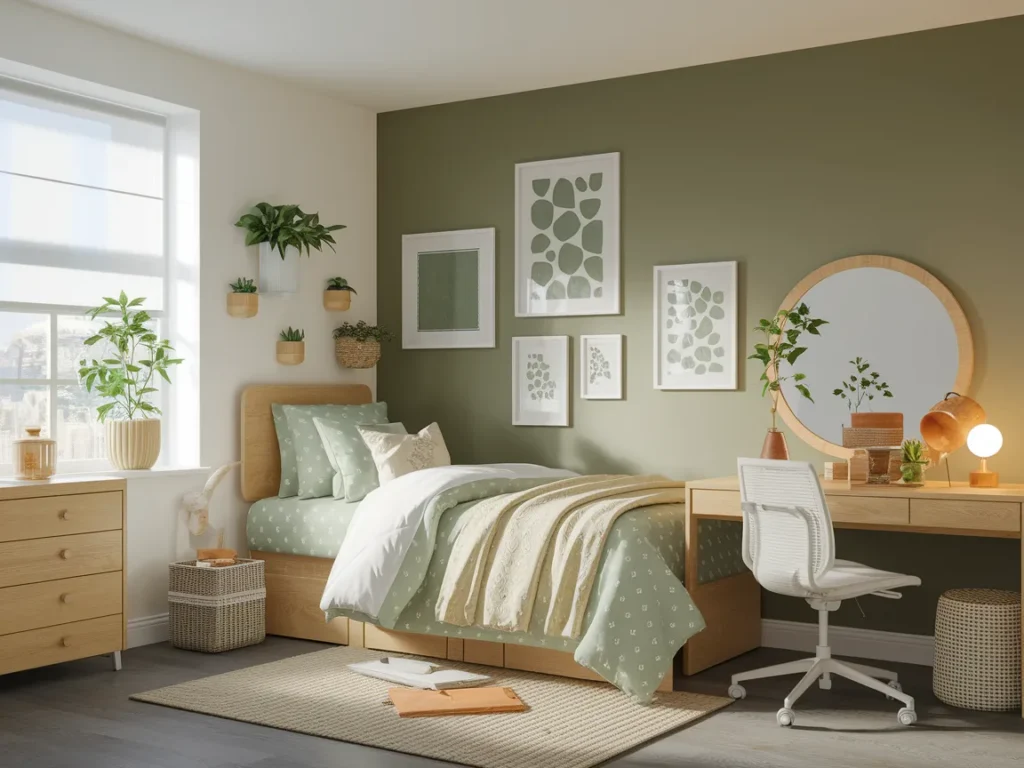
Sage green and cream created a relaxed dorm feel without needing bold color. I used sage green in pillow covers, a throw blanket, and a small wall poster, and the color made the room feel calmer. Cream tones worked better than bright white because they felt warmer and softer under indoor lighting. Sage green also matched well with light wood furniture that many dorms already have. This color setup looked good with plants and natural textures like woven storage baskets. It felt fresh during the day and cozy at night, which helped the room feel comfortable for daily life.
Dusty Blue And White Fresh Setup
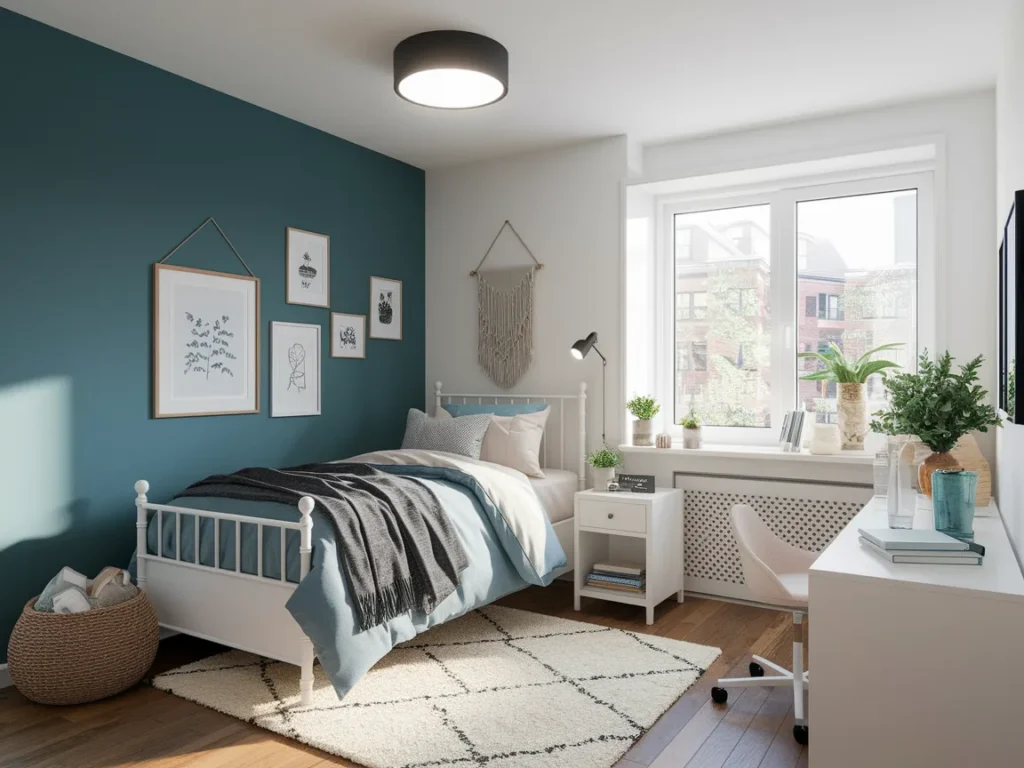
Dusty blue and white made the dorm room feel fresh and clean without looking too bright. I used dusty blue in bedding and a small rug, and it created a calm mood that worked well for sleep and study. White helped the room stay open and light, which mattered because dorm rooms often feel tight. Dusty blue also matched common dorm furniture tones like light wood and black desk frames. This color mix looked best when I kept patterns simple and used solid fabrics for most items. The result felt neat and easy to maintain every day.
Blush Pink And Warm Neutral Soft Setup
Blush pink and warm neutral tones created a soft dorm look that still felt mature and clean. I used blush pink in pillows and a throw, then kept the rest neutral with beige and warm white. This kept the room from looking too colorful while still adding personality. Warm neutrals worked better than cool gray because the room felt calmer at night. Blush also paired well with soft gold or light wood accents, which made the decor feel more balanced. This setup felt cozy without needing heavy decor pieces.
Black And White Contrast Setup
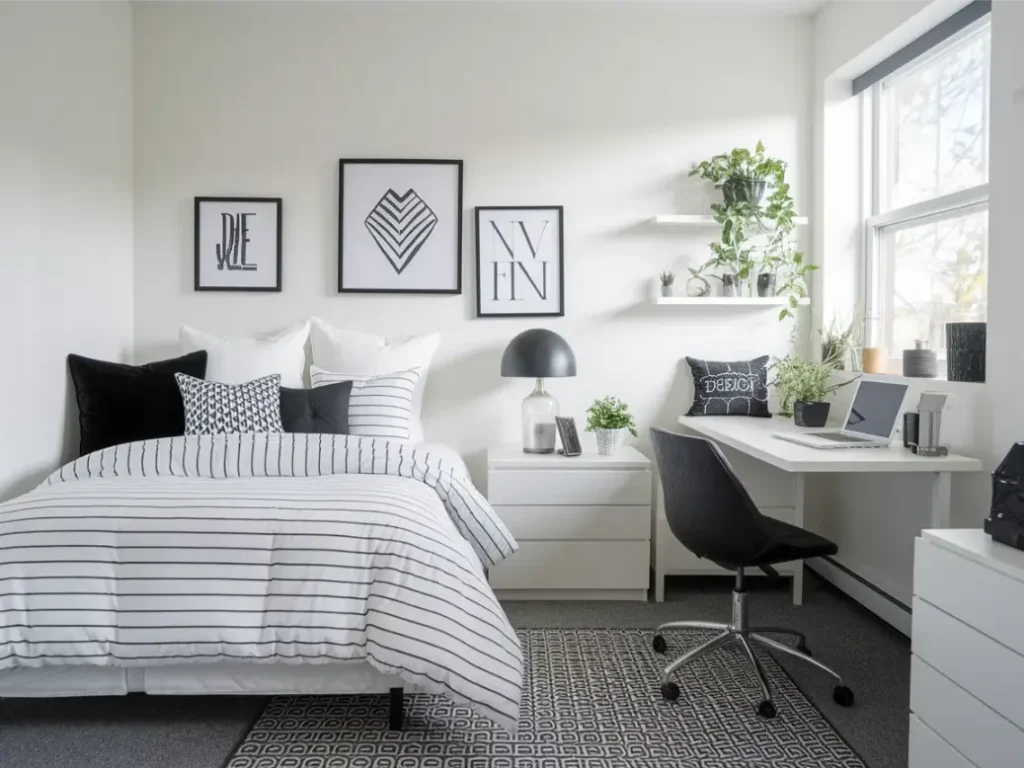
Black and white made the dorm room look sharp and modern with clear structure. I used white as the main base in bedding and walls, then added black through frames, storage bins, and desk accessories. The contrast helped the room feel organized because items looked consistent. I avoided heavy black bedding because it made the room feel smaller. Instead, I kept black in accents so the space stayed bright. This theme worked best when I added soft textures like knit throws, so the room did not feel cold.
Navy And Cream Classic Setup
Navy and cream created a classic dorm style that felt calm and stable. I used navy in a duvet cover or blanket, then balanced it with cream pillows and lighter decor. Cream worked better than bright white because it softened the navy tone and made the room feel warmer. This setup also helped the dorm look clean because navy hides small marks better than lighter colors. I kept the rest of the room simple with light wood tones and one or two wall prints. The space felt mature and easy to live in.

Terracotta And Beige Warm Setup
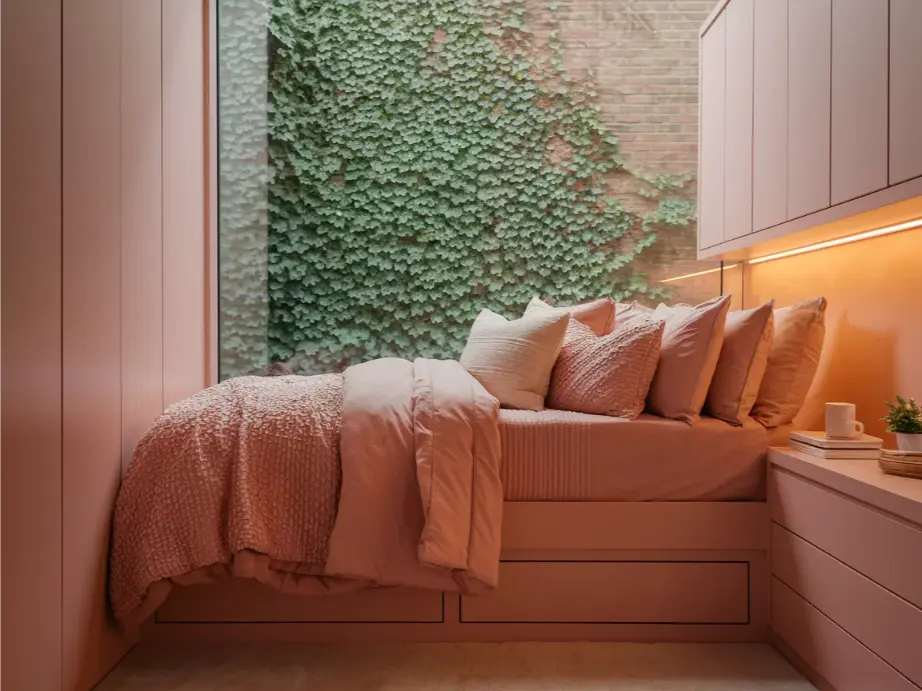
Terracotta and beige made the dorm room feel warm and more personal. I used terracotta in small accents like cushions, wall art, or a throw blanket, then used beige as the main tone for bedding and rugs. This kept the room from feeling too dark while still adding color. Terracotta worked well because it looked warm under dorm lighting and paired well with natural wood furniture. This setup felt cozy and calm, which helped the dorm feel less plain. The key was keeping terracotta limited so the room stayed balanced.

Lavender And Soft Gray Calm Setup
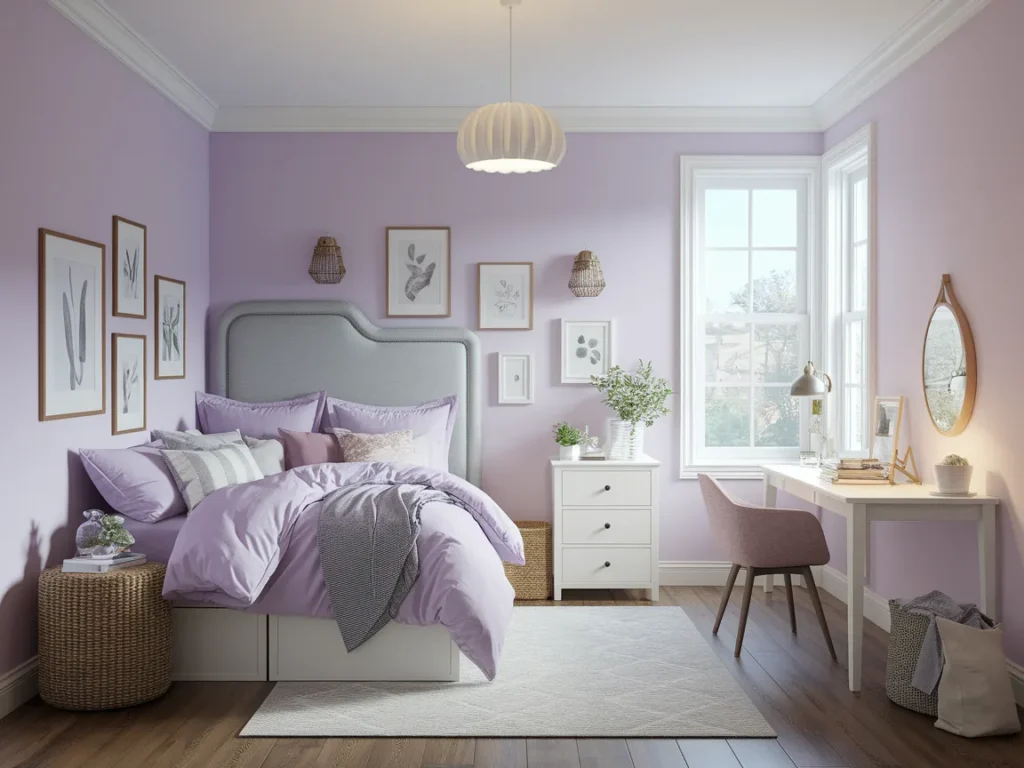
Lavender and soft gray created a calm dorm space that still felt clean and modern. I used lavender in small accents like pillow covers and a wall print, then kept the main bedding light gray and white. This helped the room feel relaxing without looking too colorful. Soft gray worked well because it balanced lavender and kept the room from feeling childish. This setup also looked good under warm lighting, which made the lavender tone feel softer at night. The key was using lavender in a controlled way so the room stayed calm and neat.
Olive Green And Tan Natural Setup
Olive green and tan made the dorm room feel natural and grounded. I used olive green in bedding accents and tan in rugs and storage pieces. This color mix worked well with wood furniture and gave the room a more mature look. Olive green also paired well with plants, which helped the room feel fresh without adding extra decor clutter. Tan kept the room warm and soft, so the space felt cozy instead of sharp. This setup felt balanced because both colors stayed muted and easy to match with neutral items.

Light Wood And White Simple Setup
Light wood and white made the dorm room feel bright and easy to style. Many dorms already have light wood desks and bed frames, so I matched the decor around that. I used white bedding and added texture through a woven rug and soft throw. This setup worked well because the room looked clean even when storage bins and books were visible. Light wood added warmth so the space did not feel cold. The best part was how easy it became to add any accent color later without changing the full theme.
Monochrome Neutral Layering Setup
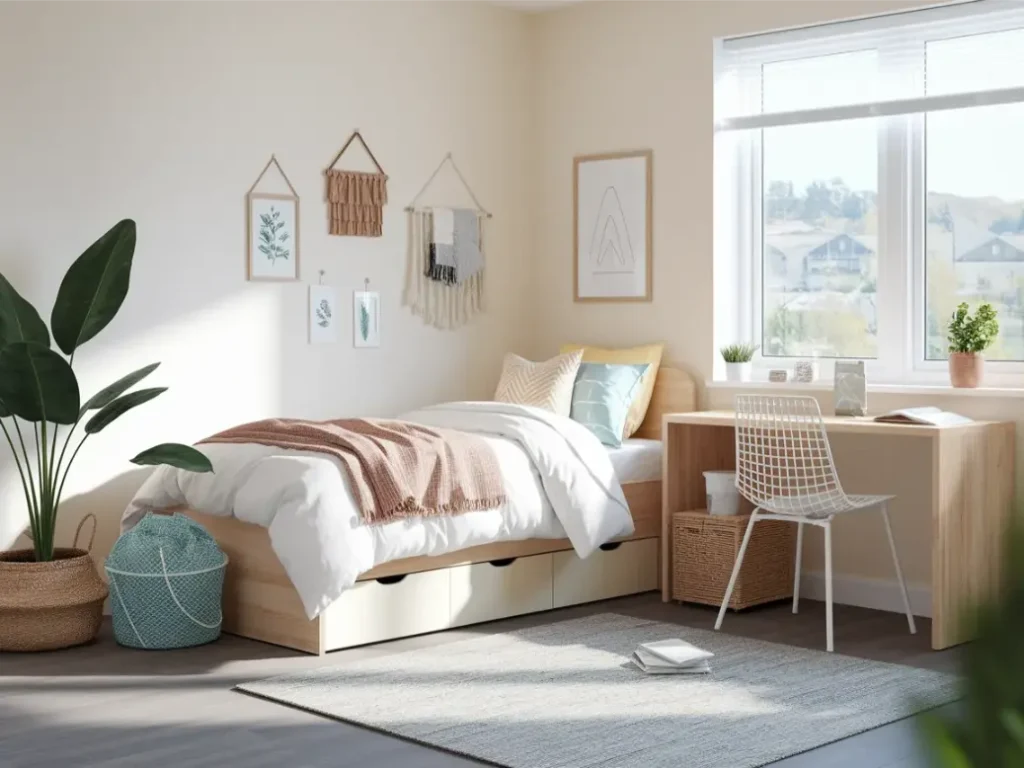
Monochrome neutral layering made the dorm room look polished without using bold colors. I used tones like cream, beige, soft gray, and warm white across bedding and decor. This created a smooth look because nothing clashed. Neutral layering also made the room feel bigger since the colors blended into each other. I added depth through texture instead of color, using knit blankets and woven storage baskets. This setup felt calm and easy to maintain because every item matched naturally. It worked well for both study focus and rest.
Pastel Mix With Controlled Tone Setup
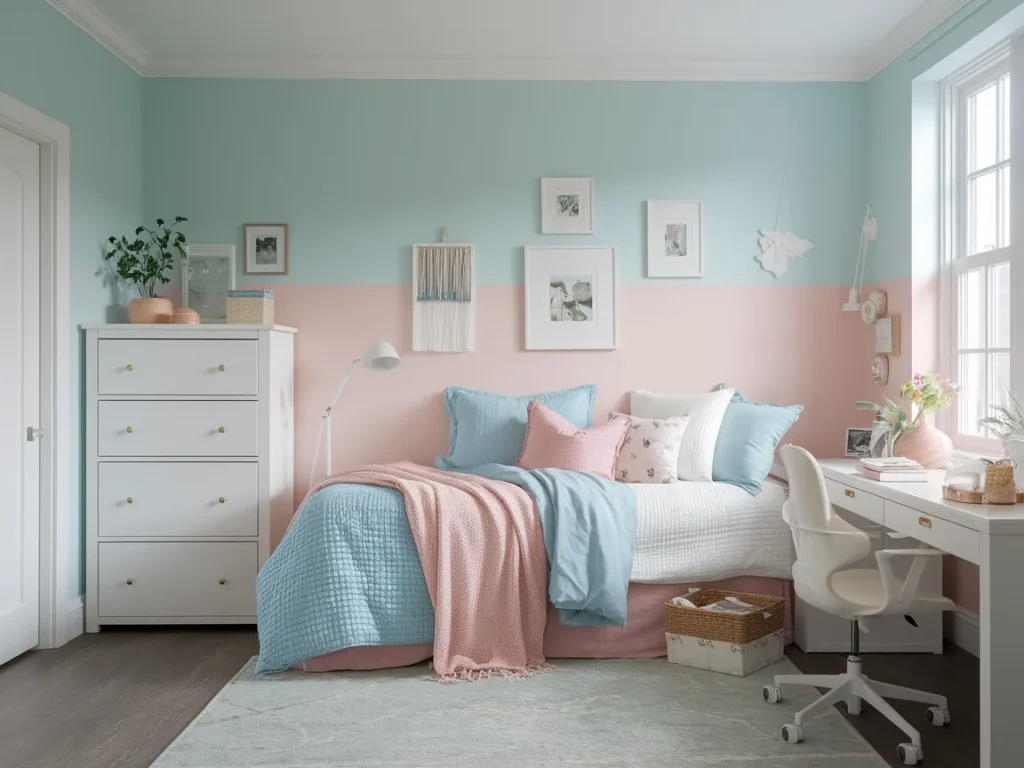
A pastel mix worked well in dorm rooms when I kept the tones controlled. I used only two pastel colors, like soft blue and pale pink, then balanced them with a neutral base. This stopped the room from looking messy. Pastel mixes looked best in small decor pieces like cushions and wall prints, not large furniture items. I also kept patterns minimal so the color mix felt clean. The result looked fun but still organized, which helped the dorm feel more personal without losing comfort.
Dark Accent Wall With Light Base Setup
A dark accent wall with a light base created a strong dorm look without making the room feel smaller. I used a dark peel-and-stick panel behind the bed area, then kept bedding and decor light. This created depth and made the bed zone look more styled. Dark accent walls worked best when the rest of the room stayed bright, so I avoided dark rugs and heavy curtains. This setup also helped the room feel more mature and structured. The accent wall became the main design feature, so I needed fewer decor items overall.
Final Dorm Color Balance Rule
The final dorm color balance rule helped me keep dorm rooms clean and easy to style. I followed a simple ratio: one main base color, one support color, and one small accent tone. This stopped the room from feeling chaotic. I also kept large items like bedding and rugs neutral, then used color in smaller pieces like pillows and wall art. This made the room easier to adjust across seasons and easier to keep organized. When the room started to feel busy, I removed extra color pieces before adding new ones. This kept the dorm calm and practical for daily life.
Frequently Asked Questions
What Colors Make A Dorm Room Look Bigger?
Light colors make dorm rooms look bigger because they reflect more light. Warm white, beige, and soft gray work well as base colors. Using one clear color theme also reduces visual clutter, which helps the room feel more open.
How Many Colors Should A Dorm Room Have?
Dorm rooms look best with 2 to 3 main colors. One base color keeps the room clean, one support color adds depth, and one accent color adds personality. Too many colors make small dorm spaces feel messy fast.
What Color Works Best For A Calm Dorm Room?
Soft tones like sage green, dusty blue, and warm neutral palettes work best for calm dorm rooms. These colors support rest and study without feeling too bright. Calm color design improves focus by reducing visual noise.
How Do I Add Color Without Painting A Dorm Room?
You can add color through bedding, rugs, pillows, wall art, and peel-and-stick panels. Small decor items like storage bins and desk accessories also help. Keeping color in removable items makes dorm styling easy and flexible.
Final Thoughts
Dorm room color design works best when the space stays simple, clean, and easy to match. I got the best results by using a neutral base, then adding one support color and one accent tone. Soft colors like sage green, dusty blue, and warm beige helped dorm rooms feel cozy without clutter. Dark accents worked well only when the rest of the room stayed light. When I kept the palette controlled and used texture for depth, the dorm room looked organized and comfortable every day.

