


Dorm room rugs change the whole space fast because they add comfort, warmth, and visual order. I used rugs in real dorm setups where the floor felt cold and the room looked unfinished. A good rug made the room feel more personal without adding clutter. Rugs also helped define zones like the bed area and the desk area, which made small dorm rooms feel more organized.
15 Dorm Room Rug List
- Neutral low-pile rug for clean look
- Soft shag rug for cozy comfort
- Washable rug for easy cleanup
- Small bedside rug for warm steps
- Large area rug to anchor the room
- Black and white rug for modern style
- Beige and cream rug for soft tone
- Round rug for tight dorm corners
- Runner rug for narrow dorm layouts
- Patterned rug with muted colors
- Solid color rug with texture focus
- Layered rug look with simple base
- Rug under desk for noise control
- Rug that matches bedding colors
- Final dorm rug placement rule
Neutral Low-Pile Rug For Clean Look
A neutral low-pile rug is the easiest dorm rug choice because it fits almost any color theme. I used a low-pile rug in beige and soft gray tones because it stayed clean-looking and did not trap too much dust. Low-pile rugs also make it easier to move chairs and small storage bins without getting stuck. This rug type worked well for daily life because it felt soft but still practical. Neutral tones also helped the dorm room look bigger because the floor stayed light and open. A low-pile rug became the base piece that made the room feel finished without needing extra decor.
Soft Shag Rug For Cozy Comfort
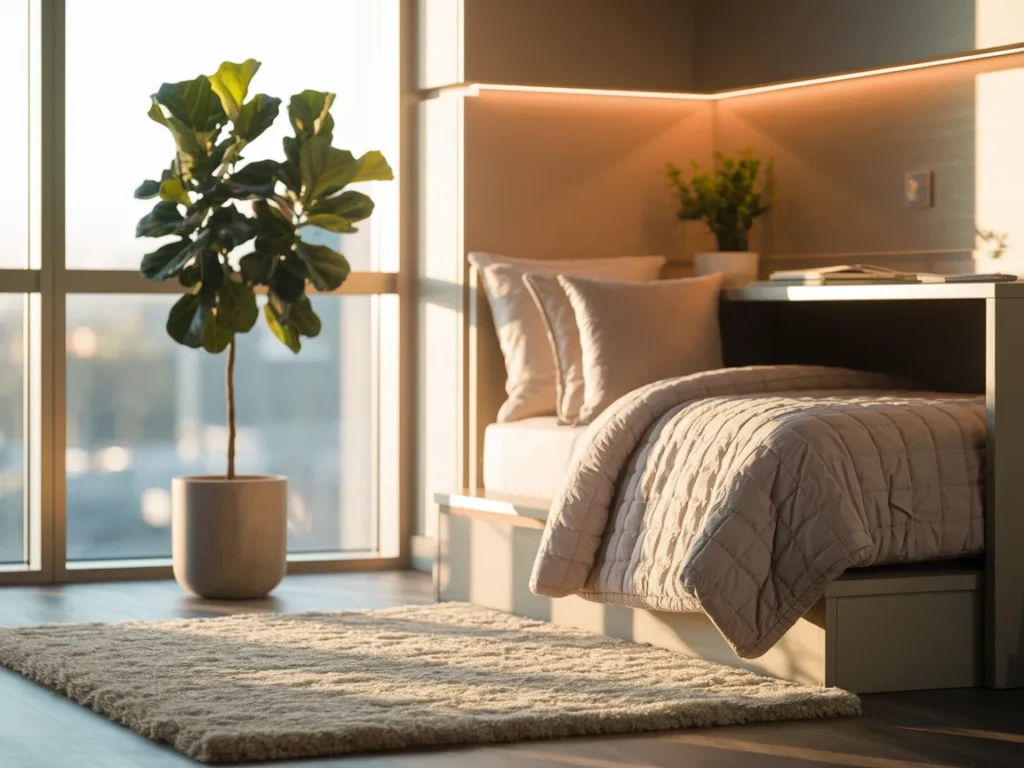
A soft shag rug adds the most comfort underfoot in a dorm room. I used a small shag rug near the bed because dorm floors often feel cold in the morning. Shag rugs work best in low-traffic areas since thick fibers can trap dust. This rug type made the room feel more cozy right away and helped the bed zone feel like a separate space. I kept the shag color light so the dorm still looked clean. A shag rug also improved the look of photos because it added soft texture. This idea works best when the shag size stays small so it stays easy to clean.
Washable Rug For Easy Cleanup
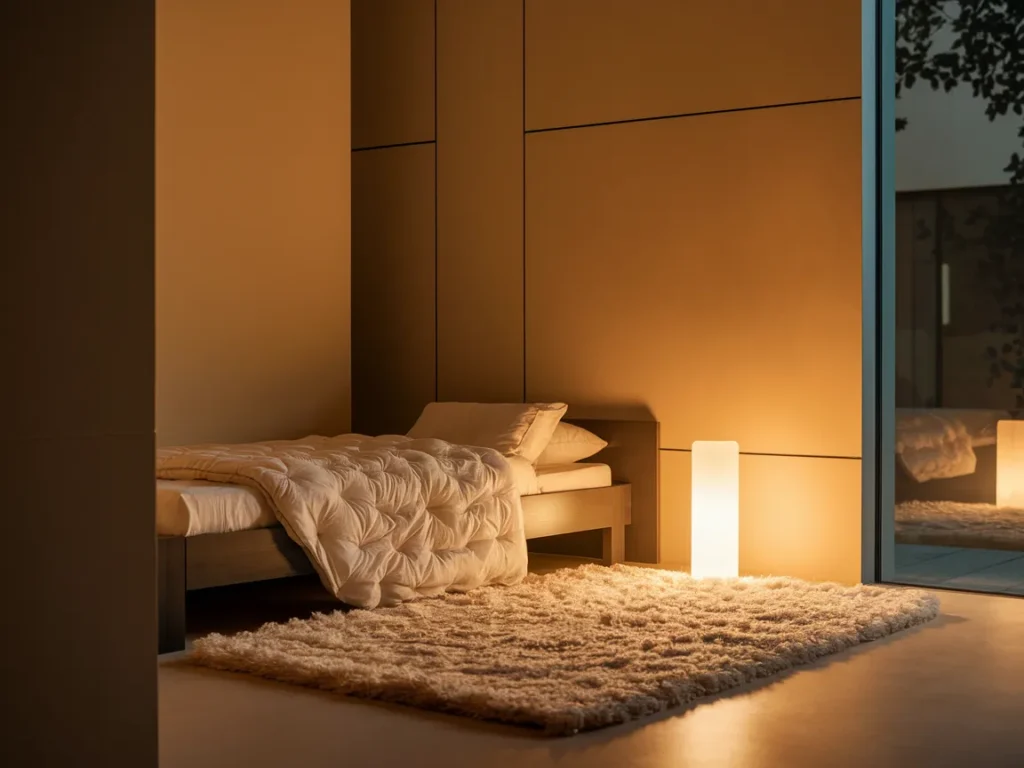
A washable rug is the most practical dorm rug option because dorm life creates mess fast. I used a washable rug in the main walking area because spills and dirt happen often. Washable rugs also help if the dorm has shared entryways where shoes bring in dust. This rug choice made cleaning simple because I could wash it instead of trying to deep clean it. I picked a rug with a simple pattern so it hid marks between washes. Washable rugs also help reduce stress because the room stays cleaner with less effort. This is a strong choice for busy dorm schedules.

Small Bedside Rug For Warm Steps
A small bedside rug makes mornings easier because the floor feels warmer when you step out of bed. I used a compact rug beside the bed because dorm floors often feel cold and hard. This rug also made the bed zone feel more cozy without taking up too much space. A bedside rug worked best when it stayed soft but not too thick, so it stayed easy to vacuum. I also chose a neutral tone so it matched bedding and did not make the room look busy. This simple rug placement improved comfort every day with almost no effort.

Large Area Rug To Anchor The Room
A large area rug makes a dorm room feel more complete because it anchors the furniture layout. I used a bigger rug that fit under the bed edge and extended into the main floor space. This made the room feel larger because the rug connected zones instead of breaking them apart. A large rug also reduced noise and made the dorm feel quieter. I kept the rug design simple because large patterns can overwhelm small rooms. This rug choice worked best when it defined the whole space as one clean setup.

Black And White Rug For Modern Style
A black and white rug gives dorm rooms a modern look with clear contrast. I used this rug style when I wanted the room to feel organized and sharp. The pattern helped hide small marks while still looking clean. I kept the rest of the dorm decor neutral so the rug stayed the main design feature. Black and white rugs also matched well with simple desk setups and basic dorm furniture. This idea worked best when I chose a low-pattern rug, since heavy patterns made the room feel noisy. A modern contrast rug helped the dorm feel styled with minimal effort.

Beige And Cream Rug For Soft Tone
A beige and cream rug makes dorm rooms feel calm and cozy without strong contrast. I used this rug style when I wanted a softer look that matched warm bedding tones. Beige rugs also help hide dust better than pure white, which made the room look cleaner longer. Cream tones kept the space bright and made the dorm feel bigger. This rug option worked well with light wood furniture and neutral wall decor. I also noticed beige rugs look good in photos because the tone feels warm and stable. This is a strong choice for a relaxed dorm setup.

Round Rug For Tight Dorm Corners
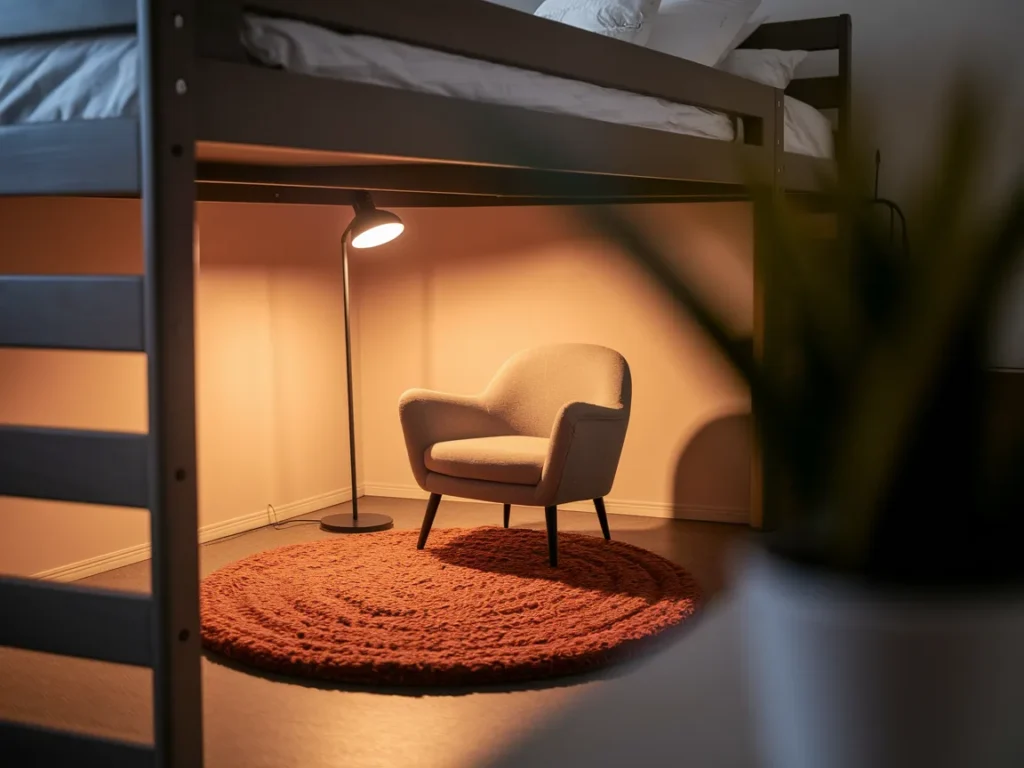
A round rug works well in tight dorm corners where square rugs feel too heavy. I used a round rug under a small chair zone because it softened the corner and made it feel intentional. Round shapes also help break up dorm rooms that feel too boxy. This rug style looked best in solid colors or very light patterns so the shape stayed clean. I kept the rug size small so it did not block walk space. A round rug added comfort and design without needing more furniture.
Runner Rug For Narrow Dorm Layouts
A runner rug works best in narrow dorm layouts because it covers walk space without taking over the room. I used a runner between the bed and desk area where people walked the most. This helped the floor feel warmer and reduced noise from shoes. A runner also made the room feel longer and more organized because the shape guided movement in one clear line. I chose a low-pile runner so it stayed easy to vacuum and did not curl at the edges. This rug idea works best when the runner color matches the main room theme.

Patterned Rug With Muted Colors
A patterned rug with muted colors adds style while keeping the dorm room calm. I used a soft pattern rug because solid rugs sometimes looked too plain in small spaces. Muted patterns helped hide dust and small marks, which made the dorm look cleaner longer. I avoided loud colors because they made the room feel busy fast. A muted rug also matched bedding and wall decor better because the tones stayed soft. This idea worked best when the rug pattern stayed simple and the rest of the decor stayed neutral.

Solid Color Rug With Texture Focus
A solid color rug with texture feels cozy without using patterns. I used a textured rug in a neutral color because it added depth while keeping the dorm clean-looking. Texture also made the floor feel softer without needing a thick shag rug. Solid rugs work best when they match bedding tones, so the room stays consistent. I chose a rug with subtle woven texture because it looked stylish but still easy to maintain. This rug option helped the dorm feel more calm and organized since there was no busy design.
Layered Rug Look With Simple Base
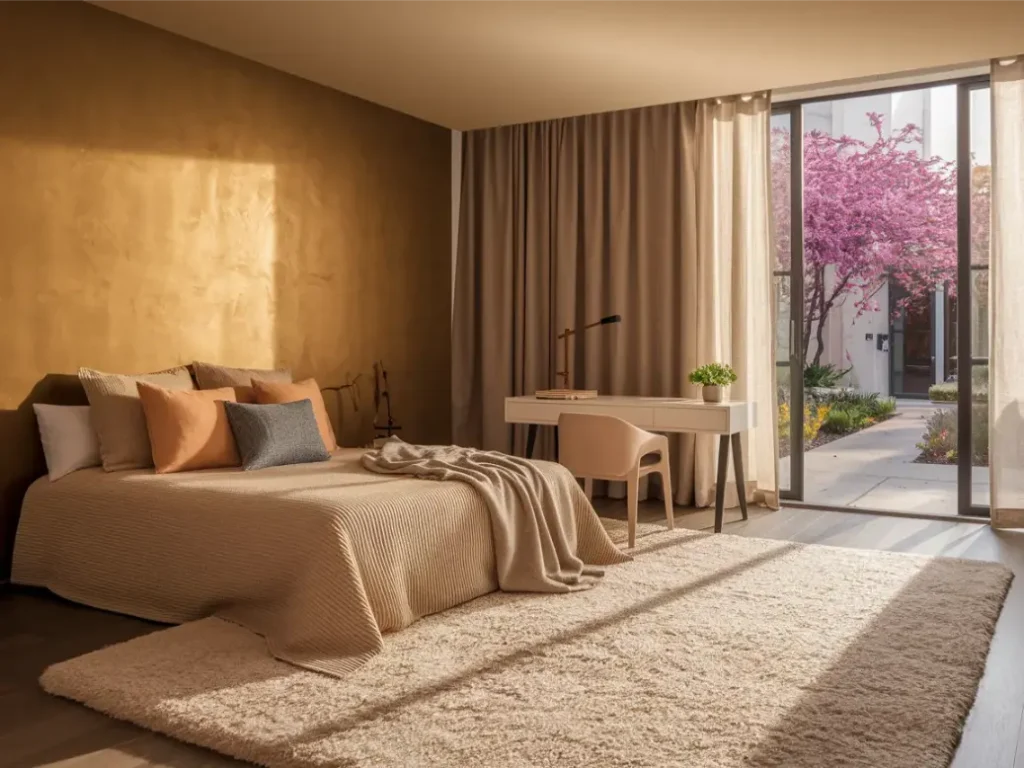
A layered rug look adds comfort and style when the dorm floor feels plain. I used a large simple base rug, then placed a smaller accent rug on top near the bed area. This added texture and made the room feel more styled without changing the entire rug. Layering worked best when the colors stayed close, like beige and cream or gray and white. I avoided thick layers because they caused uneven surfaces. This rug idea helped the dorm feel cozy while still staying organized and easy to walk on.
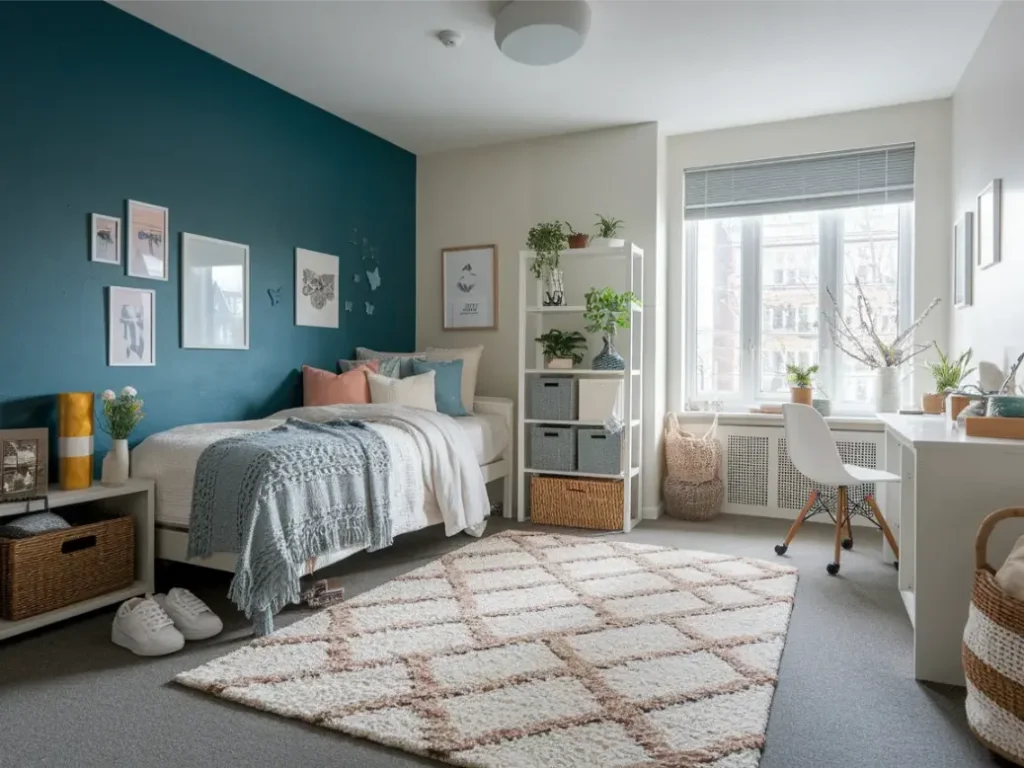
Rug Under Desk For Noise Control
A rug under the desk reduces chair noise and makes study space more comfortable. I used a low-pile rug under my desk chair because it stopped loud scraping sounds on hard floors. This also protected the dorm floor from damage. A desk rug worked best when it was large enough for the chair to move smoothly. I avoided thick rugs because chair wheels got stuck. This idea made the dorm feel quieter and helped the desk area feel like a clear work zone.

Rug That Matches Bedding Colors
A rug that matches bedding colors makes the dorm room look more connected. I used this idea because mismatched colors made the space feel random. When the rug matched the duvet and pillow tones, the room looked more planned. This also made styling easier because I did not need extra decor to “fix” the look. Matching tones worked best in neutral colors like beige, gray, and soft blue. This idea helped the dorm feel balanced with fewer items.

Dorm Rug Placement Rule
The final dorm rug placement rule is simple: place the rug where daily life happens most. I got the best result when I focused on comfort zones like beside the bed, under the desk, or in the main walkway. Rugs work best when they support movement and daily use, not just photo styling. I also kept rug size realistic because oversized rugs blocked storage and small rugs looked incomplete. When the rug fit the room scale and matched the color theme, the dorm felt cleaner and more comfortable every day.
Frequently Asked Questions
What Size Rug Works Best For A Dorm Room?
A medium to large rug works best for most dorm rooms because it anchors the layout. A rug that fits under the bed edge and extends into the main floor helps the room feel larger. Small rugs work best only beside the bed or desk area.
Are Dorm Room Rugs Easy To Clean?
Dorm room rugs stay easy to clean when they are low-pile or washable. Low-pile rugs vacuum faster and trap less dust. Washable rugs work best for dorms because spills and dirt happen often.
Should I Pick A Rug Before Bedding?
Picking bedding first often works better because bedding covers the largest area of the dorm. Then the rug can match the bedding colors for a clean theme. This makes the room look planned without extra decor.
Do Rugs Make Dorm Rooms Feel Warmer?
Rugs make dorm rooms feel warmer because they add insulation and reduce cold floors. Rugs also reduce noise and make the space feel softer. This improves comfort during mornings and late nights.
Final Thoughts
Dorm room rugs make small spaces feel cozy, clean, and more complete. I got the best results by choosing low-pile rugs for easy cleanup and matching rug tones with bedding colors. Runner rugs worked best for narrow layouts, while large rugs helped anchor the whole room. Rugs also improved comfort by reducing cold floors and lowering noise. When rug placement matched daily use areas, the dorm felt more organized and easier to live in every day.

