

A home decor mood board helps plan a room before buying furniture or decor. It shows colors, materials, textures, and key items in one place. A good mood board keeps the design consistent and prevents random purchases that break the style.
Mood boards work for any space, like a living room, bedroom, kitchen, or hallway. They help you choose a theme and stick to it. The 16 mood board ideas below cover popular home styles with clear design elements. Each idea includes one image prompt for ideogram use.
16 Mood Board Ideas
- Modern neutral mood board
- Warm minimalist mood board
- Cozy farmhouse mood board
- Scandinavian calm mood board
- Japandi balance mood board
- Luxury beige mood board
- Black and white contrast mood board
- Soft pastel mood board
- Earth tone natural mood board
- Coastal light mood board
- Industrial modern mood board
- Boho texture mood board
- Vintage soft mood board
- Green nature mood board
- Moody dark tone mood board
- Final mood board planning rule
Modern Neutral Mood Board
A modern neutral mood board uses soft whites, beige, and light gray tones. This board focuses on clean lines, simple furniture, and calm textures. Materials include wood, matte metal, linen, and glass.
Add sofa images, neutral rugs, and simple wall art references. Keep the board clean with clear spacing. This mood board works well for living rooms and bedrooms because it feels open and stable.
Warm Minimalist Mood Board
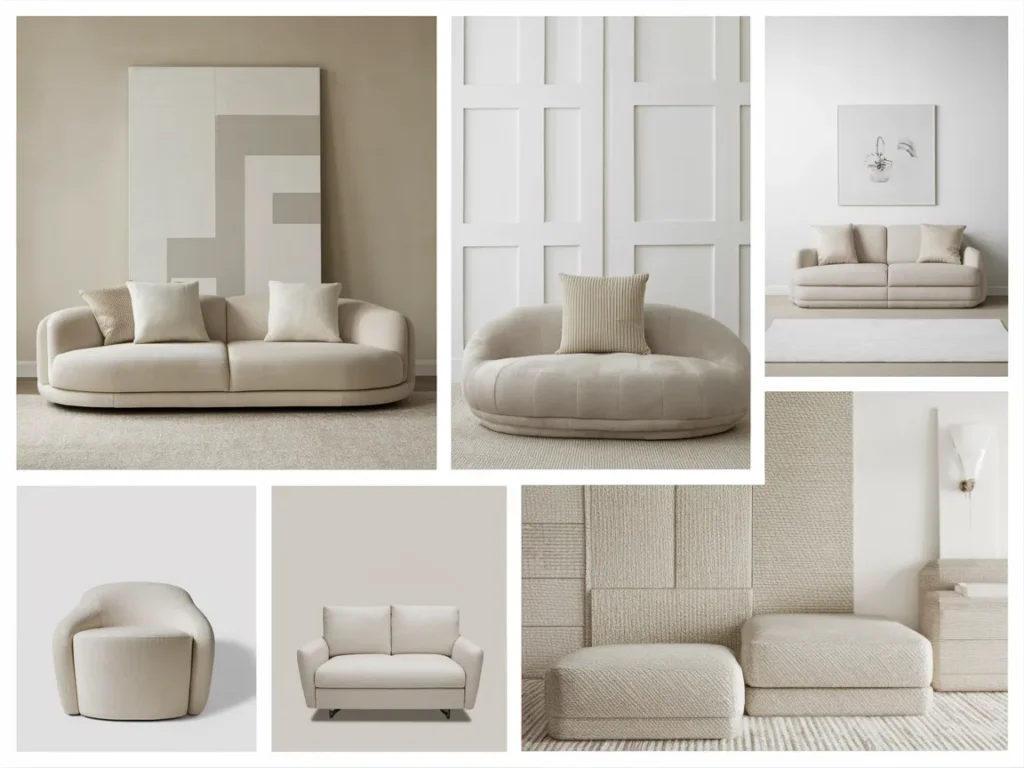
A warm minimalist mood board focuses on simple shapes and warm tones. Colors include warm white, sand, soft brown, and light wood. This board avoids heavy patterns and uses texture for depth.
Add references for low-profile furniture, soft lighting, and matte finishes. Use woven rugs and simple decor pieces like ceramic bowls. Warm minimalism feels calm and easy to maintain.

Cozy Farmhouse Mood Board
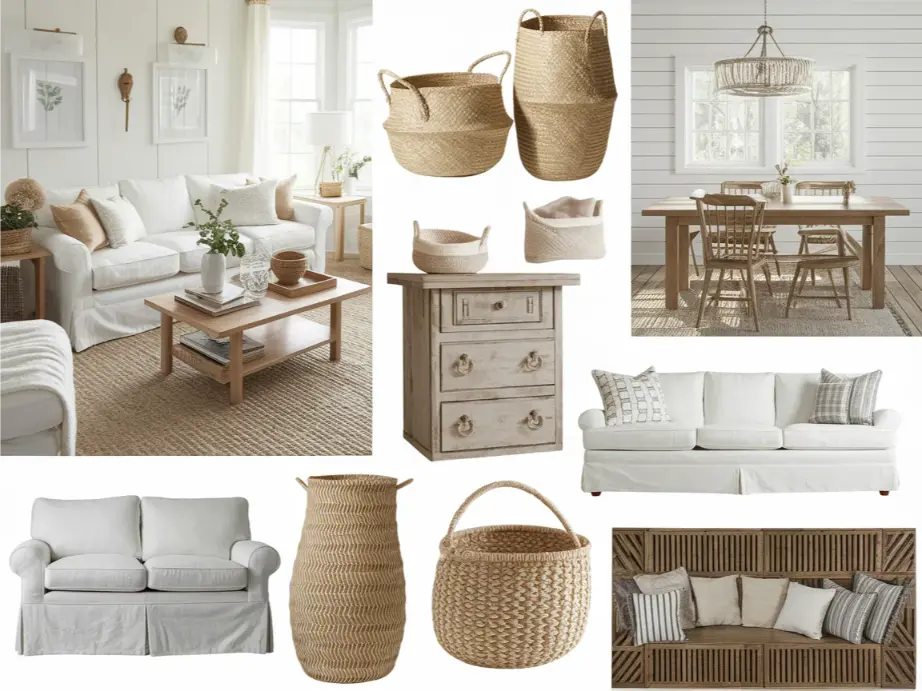
A cozy farmhouse mood board uses warm neutrals with rustic textures. Colors include cream, beige, and soft gray with wood accents. Materials include reclaimed wood, linen curtains, woven baskets, and matte black metal.
Add images of slipcovered sofas, rustic coffee tables, and shiplap walls. Keep decor simple and useful. Farmhouse mood boards support cozy comfort and clean styling.
Scandinavian Calm Mood Board
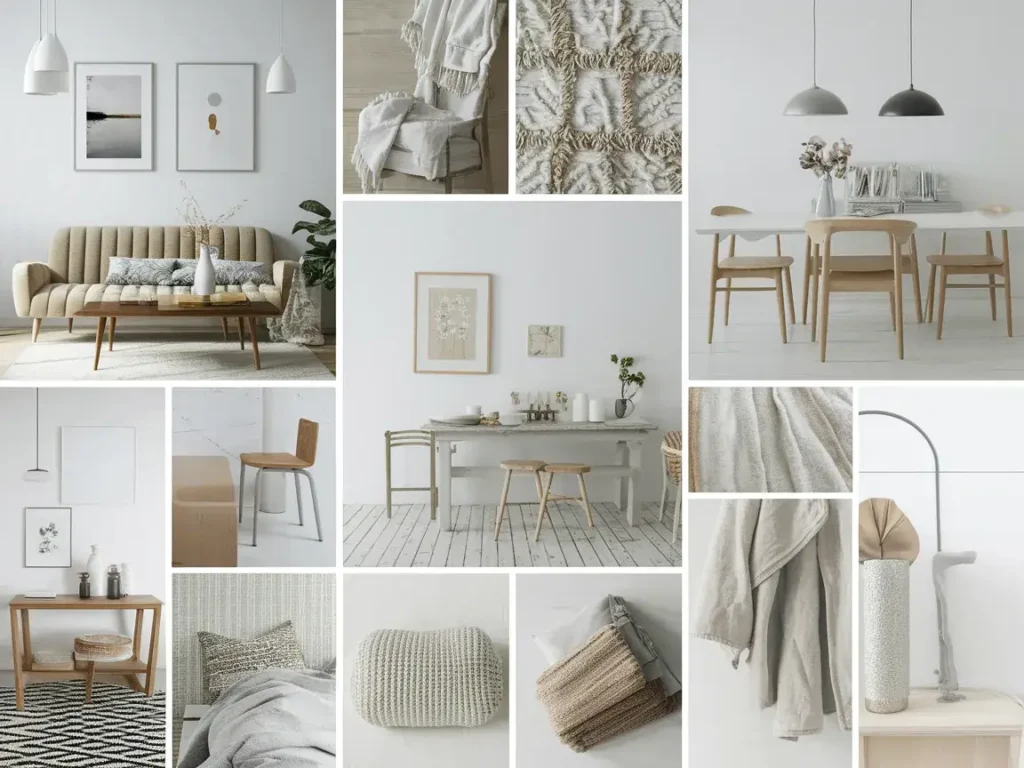
A Scandinavian calm mood board uses light colors and soft contrast. The main palette includes white, light gray, pale beige, and light wood tones. This style focuses on simple furniture, clean space, and practical decor.
Add images of light wood floors, simple sofas, and soft rugs. Use warm lighting and natural textures like wool and linen. Scandinavian calm boards work well for small rooms because the style stays open and bright.
Japandi Balance Mood Board
A Japandi balance mood board blends Japanese and Scandinavian design. This board uses calm neutrals, low furniture, and natural materials. Colors include warm white, light brown, soft gray, and muted green.
Add references for low bed frames, simple wood tables, and clean ceramics. Use soft textures and open spacing. Japandi boards feel calm because each item looks controlled and useful.
Luxury Beige Mood Board
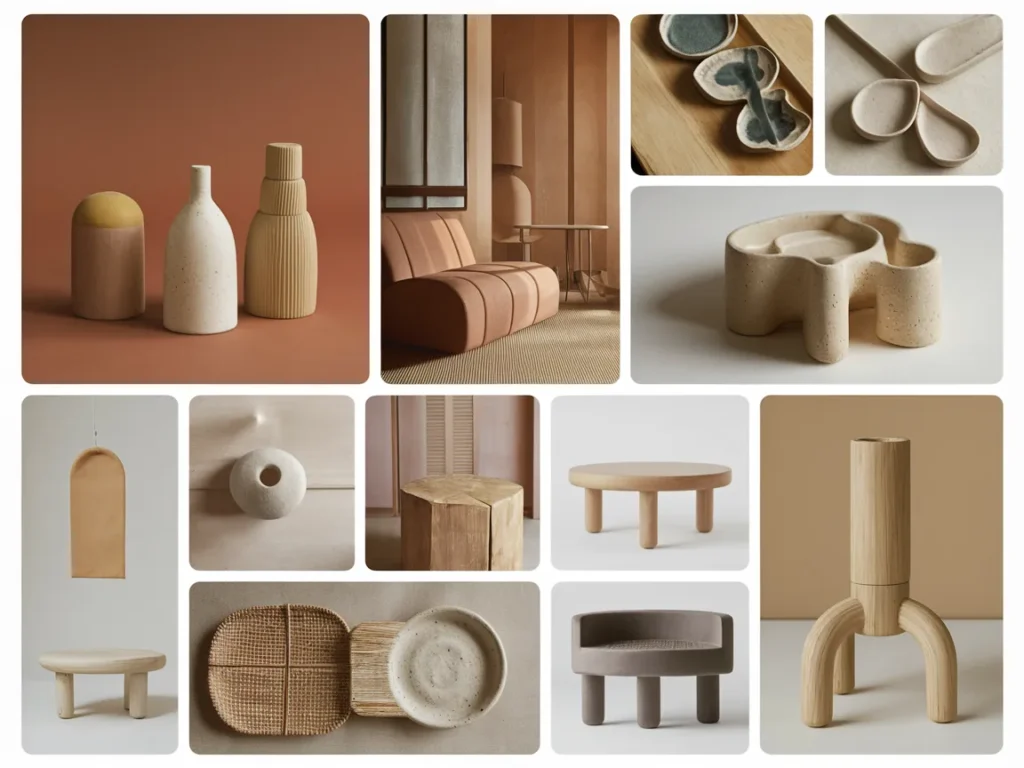
A luxury beige mood board uses warm beige shades with soft layering. This board focuses on smooth materials and clean furniture shapes. Colors include beige, cream, warm taupe, and soft gold accents.
Add images of plush rugs, upholstered beds, and elegant lighting. Include marble or stone textures for a refined look. Luxury beige boards work well for bedrooms and living rooms with a calm, high-end feel.

Black And White Contrast Mood Board
A black and white contrast mood board creates a sharp modern look. The palette uses white, soft gray, and black accents. This board works best when shapes stay clean and decor stays limited.
Add inspiration for black frames, white sofas, and simple lighting. Include matte finishes to reduce glare. Black and white boards feel modern when the balance stays controlled.

Soft Pastel Mood Board
A soft pastel mood board creates a light and gentle space. Colors include pale pink, soft blue, light cream, and muted lavender. Pastels work best when paired with neutral bases so the board stays calm.
Add images of pastel pillows, light rugs, and simple wall art. Use smooth fabrics and light wood tones for warmth. Pastel boards work well for bedrooms and cozy sitting areas.

Earth Tone Natural Mood Board
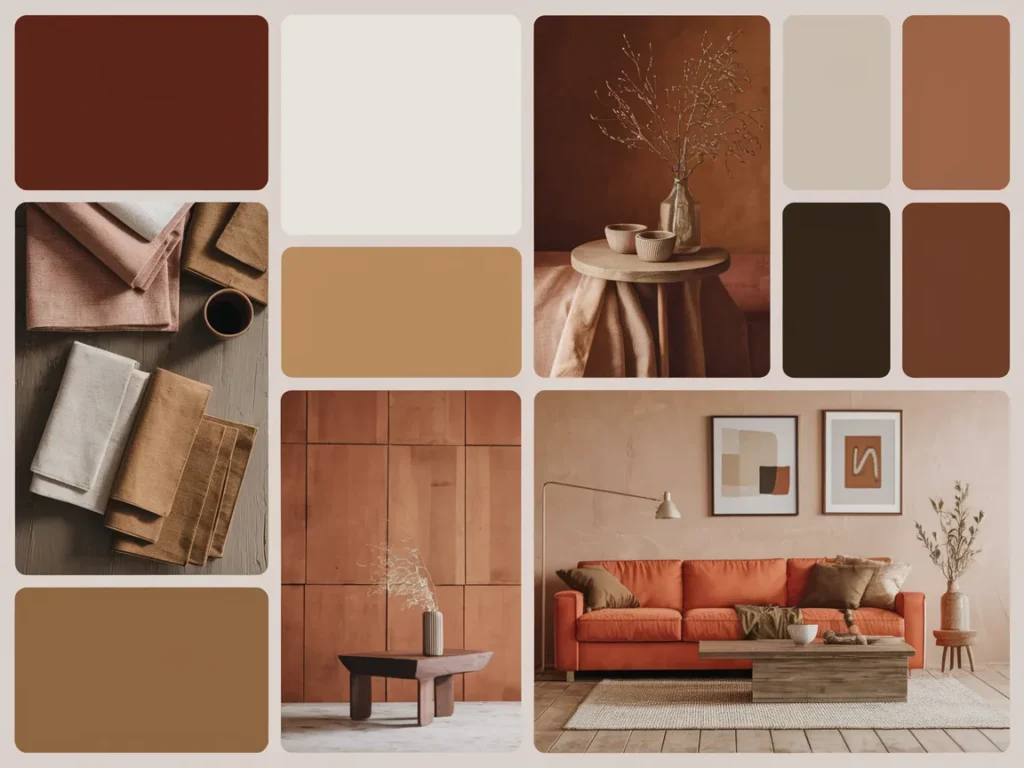
An earth tone natural mood board uses warm brown, clay, beige, and soft green tones. This style feels grounded because the colors come from nature. Materials include wood, linen, stone, and woven textures.
Add images of wood tables, textured rugs, and neutral sofas. Use clay pottery and natural wall art for detail. Earth tone boards work well for living rooms and bedrooms because the palette feels calm and stable.
Coastal Light Mood Board
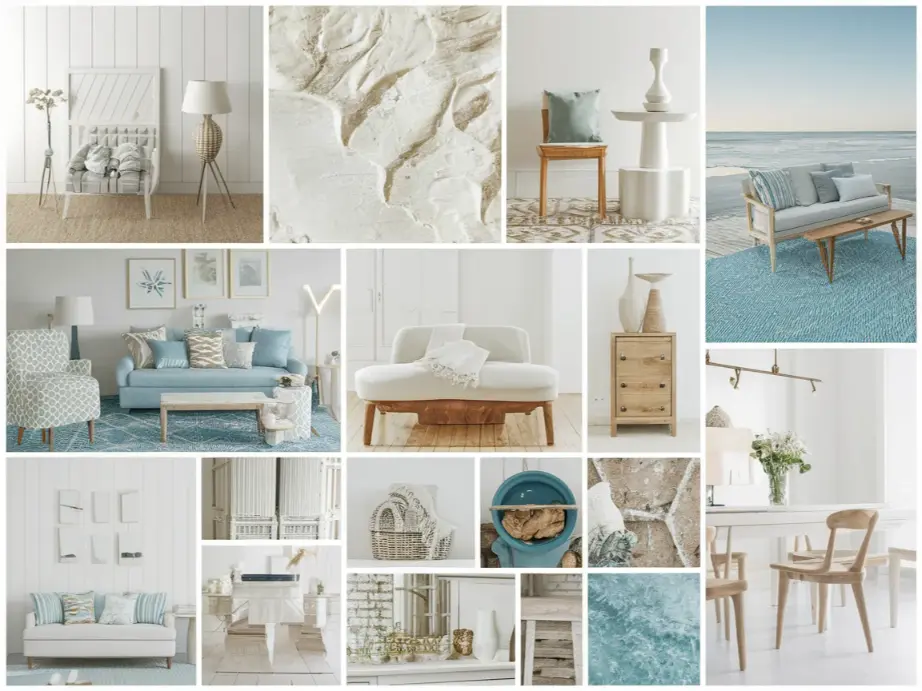
A coastal light mood board uses soft blue, white, sand, and light wood tones. This board feels airy because colors stay bright and materials feel light. Textures include linen, cotton, and woven fiber.
Add images of light curtains, simple sofas, and soft rugs. Use subtle coastal accents like light stripes or natural rope texture. Coastal boards work well in bright rooms that need a clean relaxed feel.
Industrial Modern Mood Board
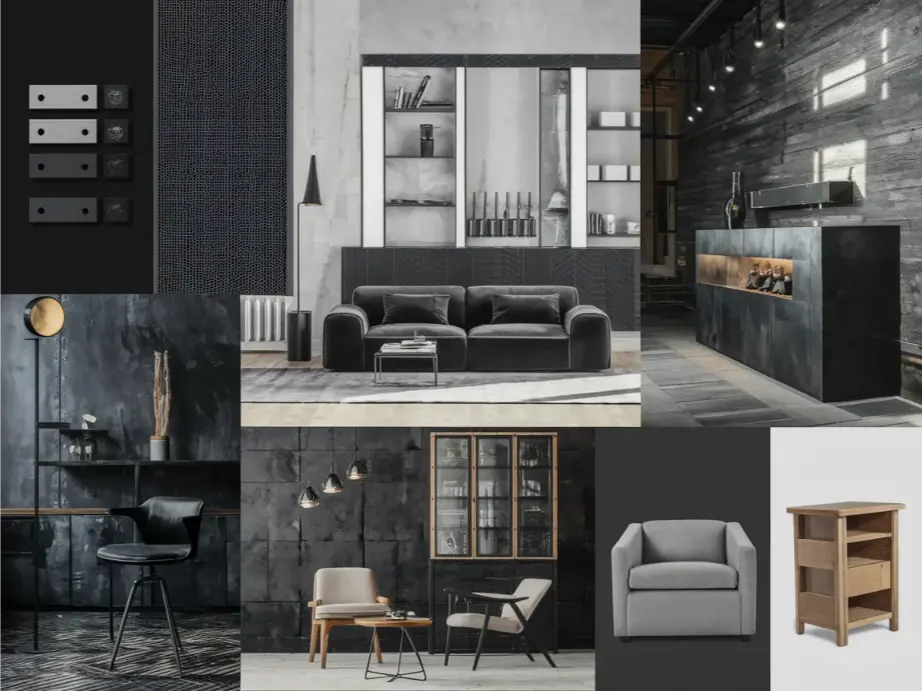
An industrial modern mood board uses darker tones and strong materials. Colors include charcoal, black, gray, and warm wood accents. Materials include metal, concrete, leather, and exposed textures.
Add images of metal lighting, wood tables, and simple black frames. Keep the layout clean so the board feels modern, not heavy. Industrial boards work well for loft-style spaces and modern living rooms.
Boho Texture Mood Board
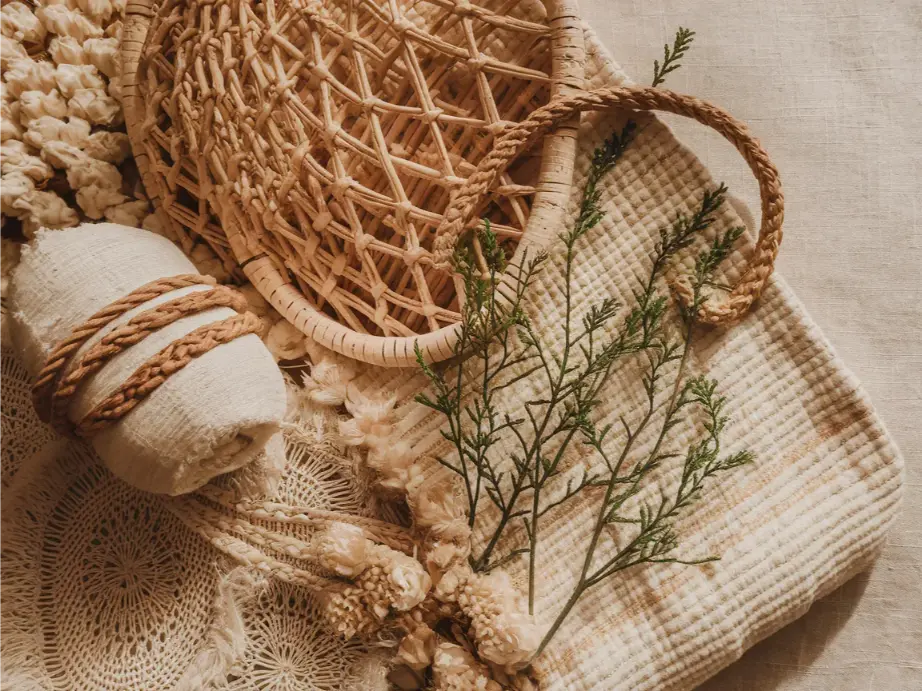
A boho texture mood board focuses on layering and natural fabrics. Colors include warm beige, rust, soft brown, and muted green. Textures include woven rugs, macrame, rattan, and linen.
Add images of floor cushions, patterned rugs, and plants. Keep patterns controlled so the board stays balanced. Boho texture boards feel cozy when materials repeat across the space.
Vintage Soft Mood Board
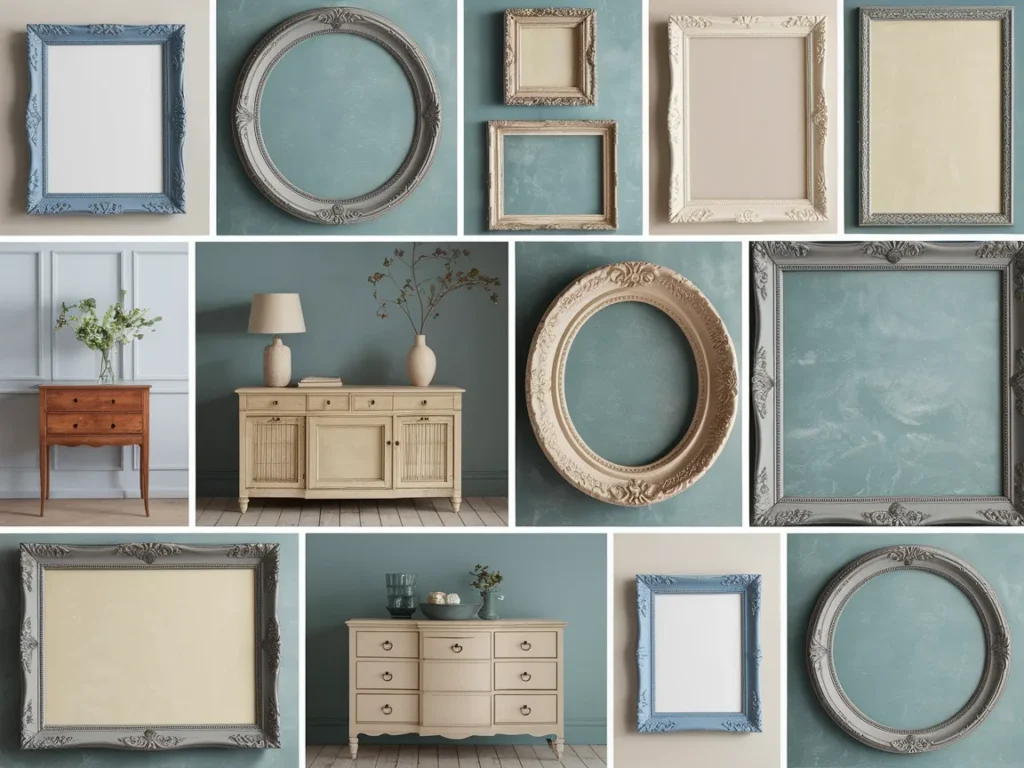
A vintage soft mood board uses muted tones and classic details. Colors include soft cream, dusty blue, warm beige, and pale brown. This board focuses on curved furniture, antique textures, and calm decor.
Add images of vintage frames, soft floral patterns, and classic lighting. Keep contrast low so the board feels gentle. Vintage soft boards work well for bedrooms and reading spaces.
Green Nature Mood Board
A green nature mood board uses plant-based tones and natural textures. Colors include sage green, olive, cream, and warm wood. This board adds calm energy without bright contrast.
Add images of indoor plants, green textiles, and wood furniture. Use stone textures and simple ceramics for detail. Green boards work well in living rooms, bedrooms, and workspaces.

Moody Dark Tone Mood Board
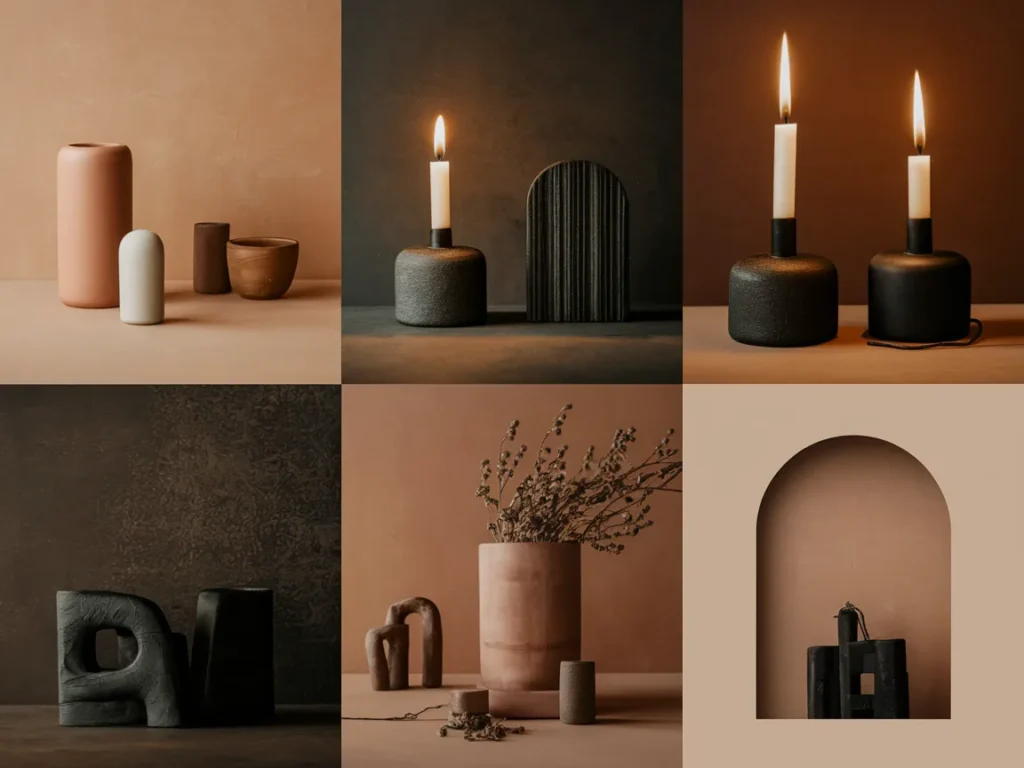
A moody dark tone mood board uses deeper colors for a rich look. Colors include deep charcoal, dark brown, black, and muted beige. The goal is contrast control, not heavy darkness.
Add images of matte walls, warm lighting, and dark wood furniture. Include soft textiles like velvet or thick woven rugs. Moody boards work best when lighting stays warm and balanced.
Final Mood Board Planning Rule
The final mood board planning rule is simple: pick one clear style and repeat it across the board. Use one main palette, two supporting materials, and a small set of key furniture items. Avoid mixing too many themes because the final room will feel messy.
A good mood board also includes real textures, like fabric swatches or finish examples. When the board stays consistent, shopping becomes easier and the room feels complete faster.

Frequently Asked Questions
What Should A Home Decor Mood Board Include?
A home decor mood board should include a color palette, furniture inspiration, material textures, lighting references, and small decor examples. It helps when the board shows wall colors, fabric types, and key shapes like sofa style and table form. The mood board works best when all items match one clear style theme.
What Is The Best Tool For Making A Mood Board?
Mood boards can be made using digital tools like Canva or Pinterest, or physical boards using printed images and material samples. A digital mood board works well for quick planning and easy edits. A physical board helps when you want to compare fabric and paint textures in real light.
How Many Colors Should A Mood Board Have?
Most mood boards work best with 3 to 5 main colors. One color acts as the base, like warm white or beige. Two supporting colors create depth, like soft gray or wood tone. One small accent color adds interest, like muted green or soft black.
How Do I Know My Mood Board Looks Balanced?
A mood board looks balanced when colors repeat across several items and textures feel consistent. Furniture shapes should match the style theme. If the board feels messy, remove one style element and limit patterns. Balance improves when the board has space and clear grouping.
Final Thoughts
A home decor mood board helps plan a room with clear direction. It controls color choices, furniture styles, and texture balance before you spend money. A strong mood board stays consistent with one theme, repeats key tones, and keeps decor simple. When the board stays clean and organized, the final room feels calm, complete, and easy to maintain.

