


Bedroom decor shapes how a space feels during rest and daily routines. A well-decorated bedroom supports comfort, calm, and personal ease. Decor does not mean adding many objects. It means choosing the right elements and placing them with care. Bedrooms need balance more than variety. Too many decor items create distraction and reduce comfort. The goal of bedroom decor should always stay clear: improve rest and make the space feel settled. This guide focuses on decor ideas that work across different bedroom sizes and styles. Each idea supports function first and appearance second, so the room feels good to use every day.
Transforming a bedroom does not require major renovation. Small decor changes often create the biggest impact. Bedding layers, wall decor, lighting choices, and material consistency affect how the space feels. Decor should follow the room’s structure instead of fighting it. This article presents bedroom decor ideas that feel inspiring but practical. Each idea helps improve comfort, visual order, and long-term satisfaction. Listing the ideas early helps readers scan and choose what fits their space. Detailed explanations will follow so users can apply changes with confidence and clarity.

25 Inspiring Bedroom Decor Ideas to Transform Space
Bedroom decor ideas work best when they support how the room is used. Bedrooms serve rest, dressing, reading, and quiet moments. Decor must not block movement or overload surfaces. Thoughtful decor improves mood without demanding attention. The ideas in this guide focus on placement, proportion, and restraint. Each decor idea can stand alone or combine with others. Not every bedroom needs all twenty-five ideas. Selecting a few and applying them consistently often works better than adding many changes at once.
This list gives a full overview of the decor ideas covered in this guide. Readers can scan the list, choose what fits their needs, and explore deeper explanations later. These decor ideas suit small bedrooms, large bedrooms, shared spaces, and personal retreats. They focus on visual calm, comfort, and transformation through smart choices rather than excess decoration.
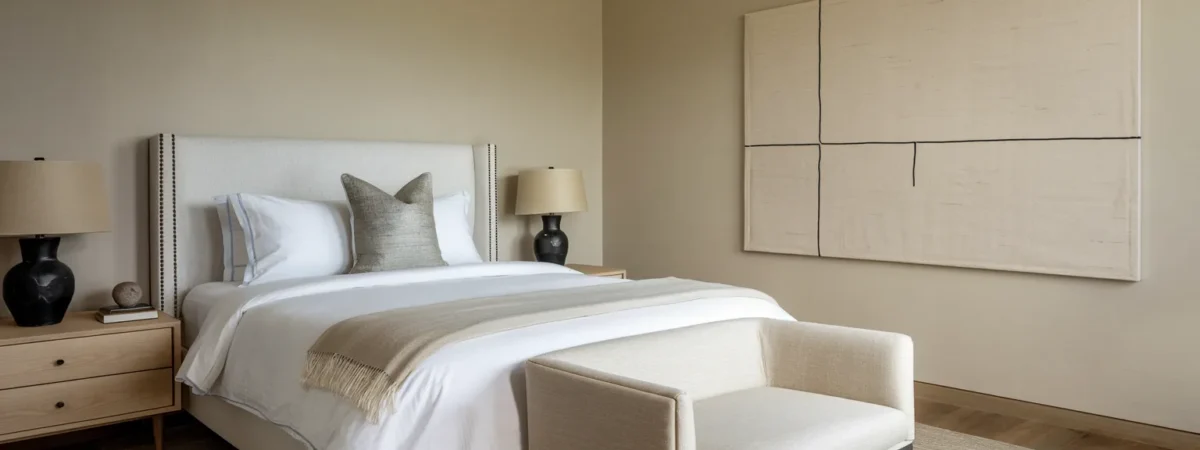
The 25 bedroom decor ideas covered in this guide:
- Layered bedding with soft textures
- Neutral wall color base
- Controlled accent color use
- Upholstered headboard decor
- Decorative throw pillows
- Lightweight bed throws
- Bedside table styling
- Warm bedside lighting
- Wall-mounted lighting fixtures
- Minimal wall art above the bed
- Gallery wall with restraint
- Decorative mirrors
- Area rug under the bed
- Soft rug texture choice
- Coordinated curtain fabrics
- Decorative curtain rods
- Indoor plants for calm effect
- Decorative storage baskets
- Statement bedside lamps
- Minimal dresser top decor
- Consistent material finishes
- Matte surface decor items
- Decorative trays for organization
- Soft ceiling lighting accents
- Balanced decor symmetry
Layered Bedding With Soft Textures
Layered bedding improves bedroom comfort by adding depth, warmth, and visual order. Start with a fitted sheet and flat sheet in breathable fabric. Add a main cover such as a duvet or comforter in a neutral tone. Finish with a light throw folded at the foot of the bed. This step-by-step layering creates structure without clutter. Each layer serves a purpose, either for warmth or appearance. Soft textures reduce sharp contrast and help the bed feel inviting. Bedrooms benefit from bedding that looks complete but not overfilled. Too many layers increase bulk and reduce ease of use. Proper layering supports both sleep and daytime appearance.
Texture choice matters as much as layering order. Cotton, linen blends, and lightly quilted fabrics feel soft and breathable. Avoid heavy or shiny materials that reflect light harshly. Bedding colors should stay within a narrow range to support calm. Texture adds interest without relying on pattern. Layered bedding works best when edges align cleanly and excess fabric stays controlled. This decor approach transforms the bedroom by making the bed feel intentional and comfortable rather than decorative.

Neutral Wall Color Base
A neutral wall color base creates a calm backdrop for bedroom decor. Soft tones like beige, cream, and warm gray reduce visual noise. Neutral walls allow decor elements to stand out without competition. This base supports flexibility, letting bedding and accessories change without repainting. Neutral colors reflect light evenly, helping the room feel open. Bedrooms benefit from visual quiet, especially during rest hours. A single wall color across the room improves unity and reduces distraction.
Finish choice affects comfort. Matte or eggshell finishes reduce glare from lamps and windows. Avoid strong contrast between walls and ceiling to maintain flow. Neutral walls support transformation by making small decor changes feel impactful. This decor choice anchors the room and allows other elements to shine without overwhelming the space.
Controlled Accent Color Use
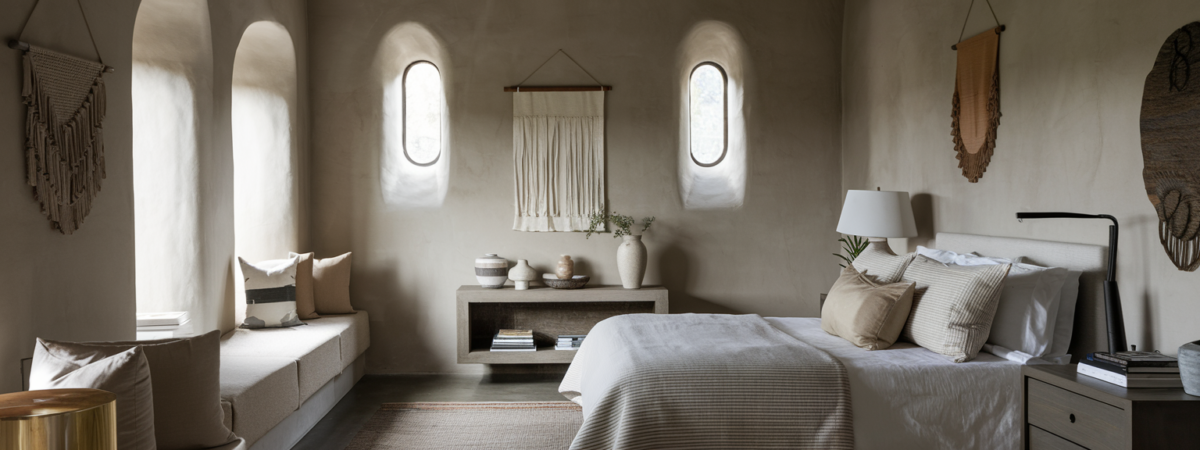
Controlled accent color use adds depth without disturbing calm. Accent colors should appear in small areas such as pillows, throws, or decor objects. One or two accent colors work best. This keeps the bedroom balanced and avoids visual overload. Muted tones feel softer and more restful than bright hues. Accent colors should relate to the wall and bedding colors to maintain harmony.
Placement affects impact. Concentrate accent colors near the bed to support comfort. Avoid spreading accents across too many surfaces. Repeating the same accent color in a few places improves cohesion. Controlled accent use transforms the space by adding warmth while preserving calm.
Upholstered Headboard Decor
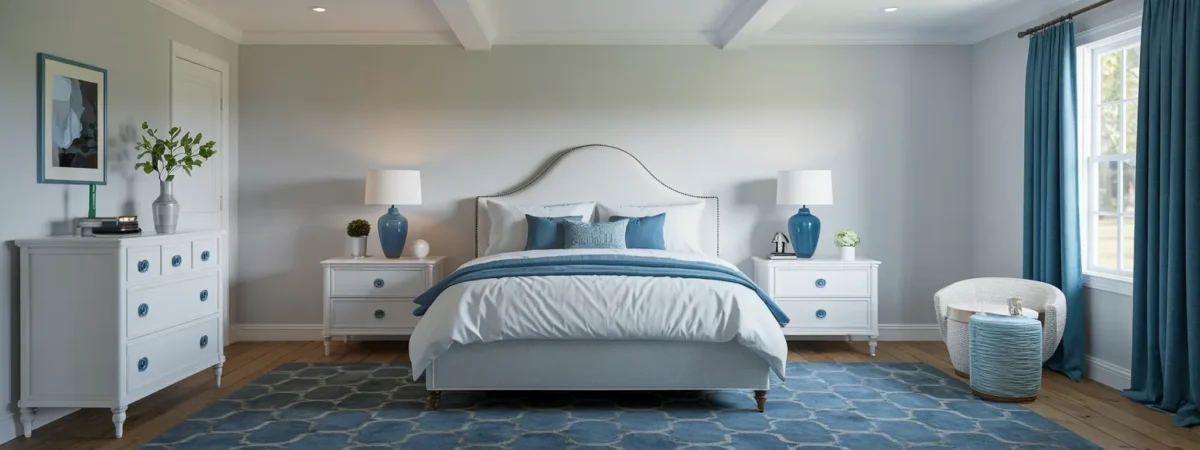
An upholstered headboard adds softness and comfort to bedroom decor. Fabric surfaces absorb light and reduce glare. This improves visual comfort near the bed. Upholstered headboards also provide a comfortable surface for sitting or reading. Neutral fabric colors work best for flexibility. The headboard acts as a focal point without needing additional wall decor.
Simple designs support calm. Avoid heavy tufting or bold patterns. Headboard height should match room scale. Upholstered headboards transform the bedroom by combining function and decor in one element, reducing the need for extra accessories.
Decorative Throw Pillows
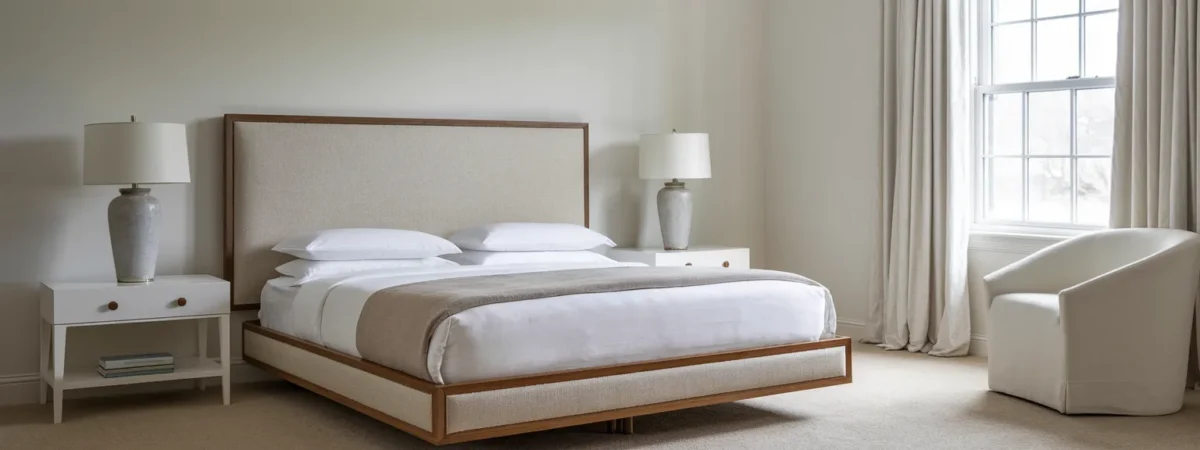
Decorative throw pillows add comfort and visual interest when used in moderation. Two or three pillows work well for most beds. Pillows should complement bedding colors and textures. Soft fabrics feel better and look calmer. Avoid oversized or stiff pillows that reduce usability.
Arrangement matters. Place pillows symmetrically for balance or slightly layered for softness. Remove excess pillows to keep the bed functional. Decorative pillows transform the bed by adding subtle detail without clutter.

Lightweight Bed Throws
Lightweight bed throws add comfort and visual softness without adding bulk. A throw placed at the foot of the bed creates a finished look and supports temperature control. Lightweight materials work best because they feel easy to move and do not overwhelm the bedding. Throws should complement the main bedding color rather than contrast sharply. Soft folds create texture while keeping the bed usable. This decor element works well in all seasons because it adds warmth when needed and stays unobtrusive when not in use.
Fabric choice affects how the throw feels and looks. Cotton blends, knit fabrics, or light wool feel soft and breathable. Avoid heavy or stiff materials that add visual weight. The throw should stay neatly folded rather than draped randomly. This keeps the bedroom orderly. A lightweight bed throw transforms the space by adding warmth and depth while maintaining simplicity and ease of use.

Bedside Table Styling
Bedside table styling improves bedroom function and appearance when kept minimal. Start by clearing the surface and selecting only essential items. A lamp, a small tray, and one personal object usually work best. This approach keeps the table usable while adding character. Bedside tables should feel calm and easy to reach from the bed. Overfilled surfaces increase distraction and reduce comfort.
Balance matters in bedside styling. Items should vary slightly in height to create visual interest without clutter. Use neutral or soft tones to match the rest of the bedroom. Decorative trays help organize small objects and prevent mess. Clean styling transforms the bedside area by making it feel intentional and functional rather than decorative alone.

Warm Bedside Lighting
Warm bedside lighting supports comfort and relaxation in the bedroom. Lighting near the bed helps with reading and nighttime routines without lighting the entire room. Warm light feels softer and reduces eye strain compared to cool light. Bedside lamps create a sense of intimacy and calm. Placement within arm’s reach improves ease of use.
Lamp size should suit the table scale. Oversized lamps dominate small tables. Undersized lamps reduce function. Lampshades that diffuse light prevent glare. Warm bedside lighting transforms the bedroom by creating a soothing environment that supports rest and routine.

Wall-Mounted Lighting Fixtures
Wall-mounted lighting fixtures save space and add modern appeal. By removing lamps from bedside tables, surfaces stay clear and functional. Wall-mounted lights work well in small bedrooms or minimalist decor schemes. Fixtures should include shades or diffusers to soften light output. Placement should align with seated head height for comfort.
These fixtures create a clean and uncluttered look. Wiring should stay hidden to maintain order. Wall-mounted lighting transforms the bedroom by improving function while reducing surface clutter, making the space feel open and intentional.

Minimal Wall Art Above The Bed
Minimal wall art above the bed adds interest without overwhelming the space. One large piece works better than multiple small frames. Art should align with the bed width to maintain balance. Soft colors and simple compositions support calm. Avoid busy patterns or bold contrast near the bed.
Placement affects comfort. Art should hang low enough to feel connected to the bed. Frames should stay simple. Minimal wall art transforms the bedroom by adding personality while preserving visual quiet and rest-focused design.

Gallery Wall With Restraint
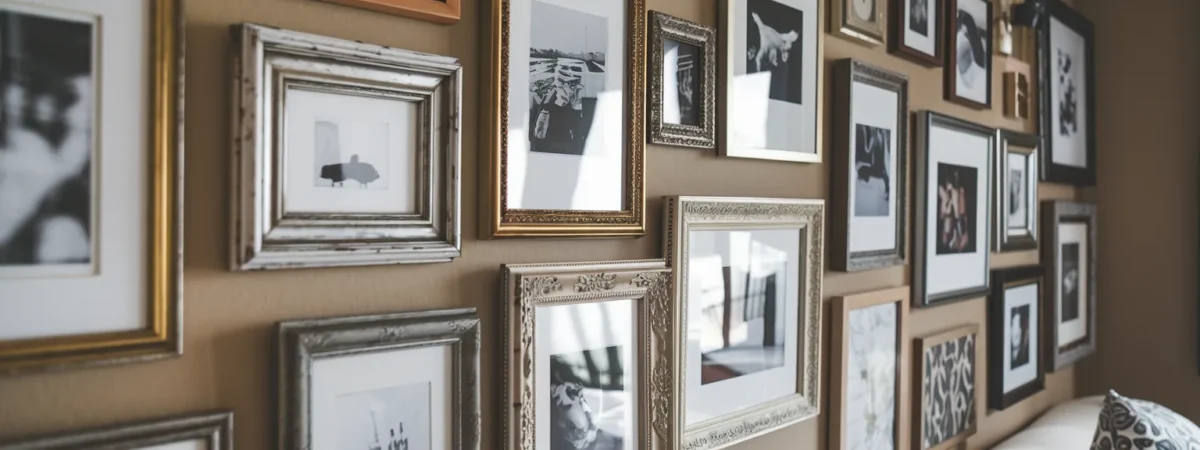
A gallery wall with restraint adds personality to a bedroom without overwhelming the space. The key is limiting the number of pieces and keeping a clear structure. Start by selecting two to four artworks that share a common theme, color tone, or frame style. Lay out the arrangement on the floor before hanging. This step prevents uneven spacing and visual clutter. In bedrooms, gallery walls work best on one wall only, often above a dresser or along a side wall. Keeping the arrangement compact helps the eye read it as one element rather than many.
Spacing matters as much as selection. Frames should sit close enough to feel connected but not crowded. Use consistent frame finishes to support unity. Avoid mixing too many sizes. Bedrooms benefit from calm visual rhythm, so strong contrast should stay limited. A restrained gallery wall transforms the space by adding character while maintaining rest-focused calm.
Decorative Mirrors
Decorative mirrors improve bedroom decor by reflecting light and adding depth. Mirrors help rooms feel larger and brighter without adding physical items. In bedrooms, mirrors work best when placed where they reflect natural light or soft interior lighting. Avoid placing mirrors directly facing the bed if it feels distracting. Decorative mirrors should complement the room’s style through shape and frame choice.
Frame selection affects impact. Simple frames support modern and calm decor. Ornate frames may feel heavy in bedrooms. Mirror size should match wall scale to avoid imbalance. Decorative mirrors transform bedrooms by enhancing light flow and visual openness without clutter.

Area Rug Under The Bed
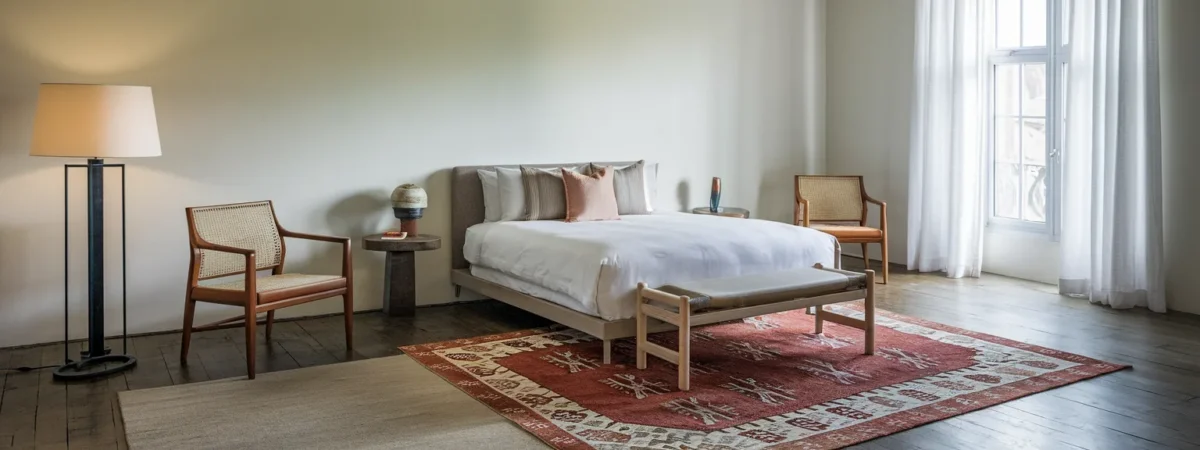
An area rug under the bed adds warmth and comfort underfoot. Rugs define the sleeping zone and make the room feel complete. Start by choosing a rug large enough to extend beyond the sides of the bed. This ensures feet land on a soft surface when getting up. Rugs that are too small feel disconnected. Neutral rug colors support calm and blend easily with decor.
Placement matters for balance. The rug should sit under the lower two-thirds of the bed, leaving visible floor around the edges. Avoid pushing rugs against walls. Proper rug placement transforms the bedroom by grounding the bed and adding warmth without visual noise.
Soft Rug Texture Choice
Soft rug texture improves comfort and sound control in the bedroom. Rugs near the bed should feel gentle and supportive. Low to medium pile rugs work best because they provide softness without bulk. Texture should stay subtle. Highly textured or patterned rugs increase stimulation and reduce calm.
Material choice affects durability and feel. Wool blends offer softness and resilience. Synthetic blends work well for easy care. Avoid rough natural fibers near the bed. Soft rug texture transforms the bedroom by improving physical comfort and reducing noise, supporting rest-focused design.
Coordinated Curtain Fabrics
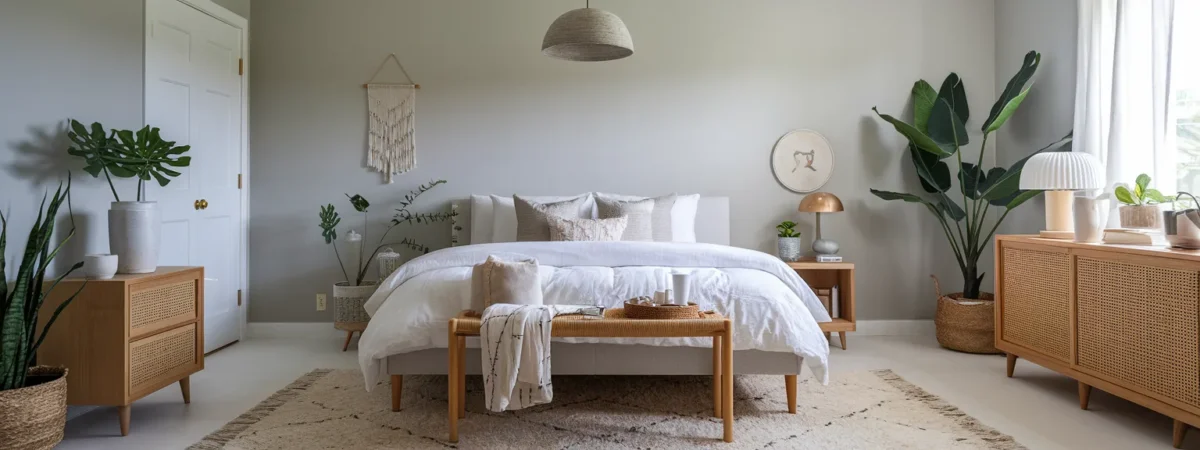
Coordinated curtain fabrics improve bedroom decor by softening windows and controlling light. Curtains should complement wall and bedding colors rather than contrast sharply. Lightweight fabrics allow light flow while maintaining privacy. Full-length curtains create visual height and elegance.
Fabric consistency supports unity. Mixing too many curtain styles disrupts calm. Simple curtain rods and clean folds work best. Coordinated curtains transform the bedroom by framing windows gently and improving overall visual balance.
Decorative Curtain Rods
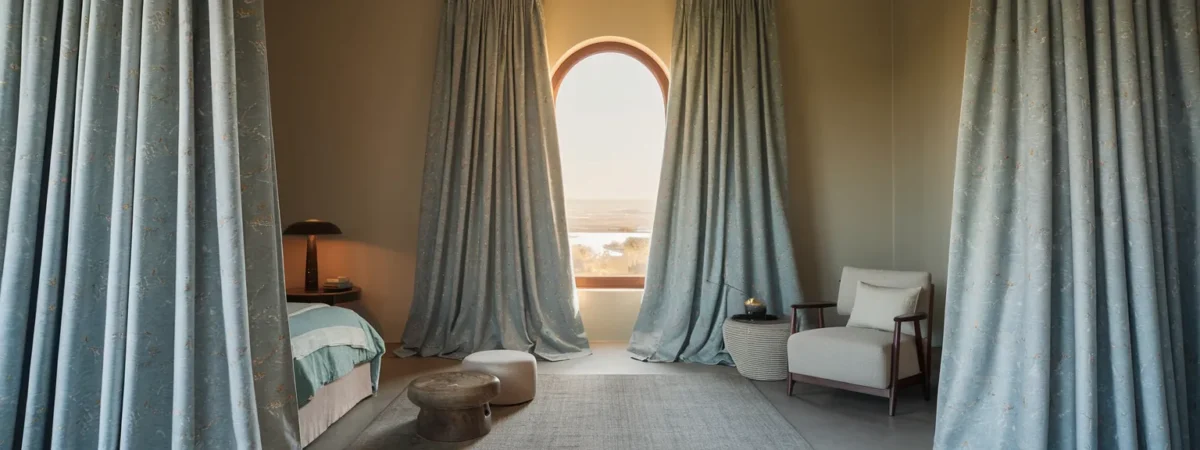
Decorative curtain rods add subtle structure to bedroom decor without demanding attention. Rods frame the window and influence how curtains fall, which affects the room’s proportions. Simple metal or wood rods work best for calm bedrooms. The rod should extend wider than the window frame so curtains can open fully. Mounting the rod slightly higher than the window helps the wall feel taller. This small decor choice supports visual balance and improves how natural light enters the room.
Finish choice matters. Matte or brushed finishes feel softer than polished surfaces. Decorative finials should stay minimal to avoid distraction. Matching rod material with other finishes in the room improves cohesion. Decorative curtain rods transform the bedroom by improving window presentation while keeping the overall look quiet and refined.
Indoor Plants For Calm Effect
Indoor plants add calm and softness to bedroom decor through natural form. Plants introduce organic shapes that balance straight furniture lines. In bedrooms, smaller plants work better than large floor plants. Placement near windows or on dressers improves light access. Plants with soft leaves feel more restful than sharp or spiky varieties.
Plant containers should stay simple. Neutral pots support calm. Avoid cluttering surfaces with many plants. One or two plants work best. Indoor plants transform the bedroom by improving atmosphere and visual warmth without adding noise or clutter.
Image Prompt: Bedroom showing minimal plant decor with simple pots, balanced styling, realistic interior
Decorative Storage Baskets
Decorative storage baskets improve bedroom organization while adding texture. Baskets hide items like blankets or pillows without adding bulky furniture. Natural fiber baskets feel warm and soft. Placement near the bed or under benches works well. Storage baskets should stay proportional to the space. Oversized baskets block movement.
Color and texture should match the room’s palette. Avoid baskets with bold patterns. Simple woven designs work best. Decorative baskets transform the bedroom by reducing clutter while adding subtle texture and order.
Statement Bedside Lamps
Statement bedside lamps add character while supporting function. A statement lamp stands out through shape or material rather than color. In bedrooms, lamps should still provide soft, warm light. Sculptural bases or textured shades work well when kept neutral. Lamps should remain proportional to the bedside table.
Balance is important. If one side features a statement lamp, the opposite side should feel visually stable. Avoid pairing bold lamps with busy decor. Statement lamps transform the bedroom by adding personality while maintaining comfort and usability.
Minimal Dresser Top Decor
Minimal dresser top decor keeps bedroom surfaces calm and functional. Start by clearing the dresser completely. Add one or two decor items only. A lamp, a tray, or a small artwork works well. This approach keeps the surface usable while adding style.
Spacing matters. Items should not crowd each other. Negative space helps the dresser feel intentional. Avoid stacking many small objects. Minimal dresser decor transforms the bedroom by reducing visual noise and supporting calm daily use.
Consistent Material Finishes
Consistent material finishes help a bedroom feel calm and unified. Using the same or closely related materials across furniture and decor reduces visual breaks. Wood tones, fabric textures, and metal finishes should repeat across the room. This repetition creates flow and prevents the space from feeling fragmented. Bedrooms benefit from limited material variety because too many finishes compete for attention. A consistent approach supports rest by keeping the environment predictable and easy to read. For example, matching wood tones on the bed frame, nightstands, and dresser creates a stable base. Fabric finishes on bedding, curtains, and upholstery should also feel related in texture and weight.
Consistency does not mean exact matching. Slight variation in tone or grain keeps the room from feeling flat. The key is staying within the same material family. Avoid mixing glossy and matte finishes without purpose. Consistent material finishes transform the bedroom by creating a sense of order and intention that supports long-term comfort.
Matte Surface Decor Items
Matte surface decor items reduce glare and improve visual comfort. Matte finishes absorb light softly, which suits bedrooms where harsh reflection can feel disruptive. Decor items like vases, trays, lamps, and frames work best with low-sheen finishes. Matte surfaces also hide fingerprints and wear, keeping the room looking calm over time. In bedrooms, this finish choice supports a quiet atmosphere that encourages rest.
Using matte finishes across decor creates cohesion. Mixing too many glossy items introduces sharp highlights that draw attention. Matte decor transforms the bedroom by softening the overall look and making lighting feel warmer and more even. This approach works well in both modern and traditional bedroom styles.
Decorative Trays For Organization
Decorative trays organize small items while adding structure to bedroom surfaces. Trays group objects like jewelry, books, or personal items into one visual unit. This reduces clutter and improves usability. In bedrooms, trays work well on nightstands, dressers, or benches. Simple tray shapes and neutral colors support calm. Trays should remain proportional to the surface they sit on.
Material choice affects impact. Wood, ceramic, or matte metal trays feel softer than glossy finishes. Avoid overfilling trays. Leaving some empty space improves clarity. Decorative trays transform the bedroom by creating order without adding storage furniture or visual noise.
Soft Ceiling Lighting Accents
Soft ceiling lighting accents add gentle illumination without overpowering the room. Flush mounts, semi-flush fixtures, or subtle recessed lights work well in bedrooms. These lights provide general illumination while allowing bedside lighting to remain the focus. Soft ceiling light prevents dark corners and supports overall balance.
Fixture design should stay simple. Avoid harsh or overly decorative ceiling lights. Warm bulb temperature improves comfort. Soft ceiling lighting transforms the bedroom by supporting visibility while maintaining a calm, restful atmosphere.
Balanced Decor Symmetry
Balanced decor symmetry creates stability and calm. Symmetry often appears around the bed through matching nightstands, lamps, or pillows. This balance helps the room feel settled and predictable. Symmetry does not require exact duplication across the entire room. Focus on key areas like the bed wall.
Minor variation keeps symmetry from feeling rigid. Small differences in decor height or texture add interest while preserving balance. Balanced symmetry transforms the bedroom by reinforcing order and comfort, making the space feel complete without excess decoration.
Frequently Asked Questions
These questions address common concerns about decorating bedrooms in a way that feels calm, functional, and visually balanced. The answers focus on practical decor choices that support comfort and daily use.
How Many Decor Items Should A Bedroom Have?
A bedroom works best with fewer decor items that serve a clear visual or functional role.
Can Bedroom Decor Improve Sleep Quality?
Yes. Soft textures, controlled lighting, and reduced clutter help create a calmer sleep environment.
Should Bedroom Decor Match The Rest Of The Home?
Bedroom decor should feel connected but slightly calmer than shared spaces, similar to how bedroom-focused styling differs from social areas.
Is It Better To Decorate Symmetrically In A Bedroom?
Symmetry often improves calm, especially around the bed, but small variations prevent the room from feeling rigid.
Do Rugs And Curtains Count As Decor?
Yes. Rugs and curtains strongly affect comfort, sound, and light control, much like guidance used in layered lighting and soft material planning.
Final Thoughts And Practical Experience
This guide reflects practical experience decorating bedrooms for long-term comfort rather than short-term appearance. I have worked with bedrooms that felt restless despite expensive decor because too many elements competed for attention. Removing excess items often improved comfort more than adding new ones. Layered bedding consistently made beds feel more inviting and usable. Neutral wall bases allowed decor to change without disrupting balance. Soft lighting near the bed reduced strain and improved nighttime routines, echoing principles often applied when improving lighting balance. Rugs placed correctly under the bed added warmth and reduced noise, which supported rest. Decorative baskets helped manage clutter without adding furniture. Consistent materials across furniture and decor made rooms feel settled rather than pieced together. In bedrooms with limited space, restrained decor choices improved movement and calm, similar to strategies used for small room comfort. The most successful bedrooms relied on fewer items used well. They felt comfortable months later, not just on the first day. Bedroom decor succeeds when it supports rest, clarity, and ease of use every day. Transformation does not come from filling space. It comes from choosing decor that works quietly in the background while the room supports real life.
Image Prompt: Calm, lived-in bedroom showing balanced decor, soft textures, warm lighting, neutral palette, realistic interior photography

