

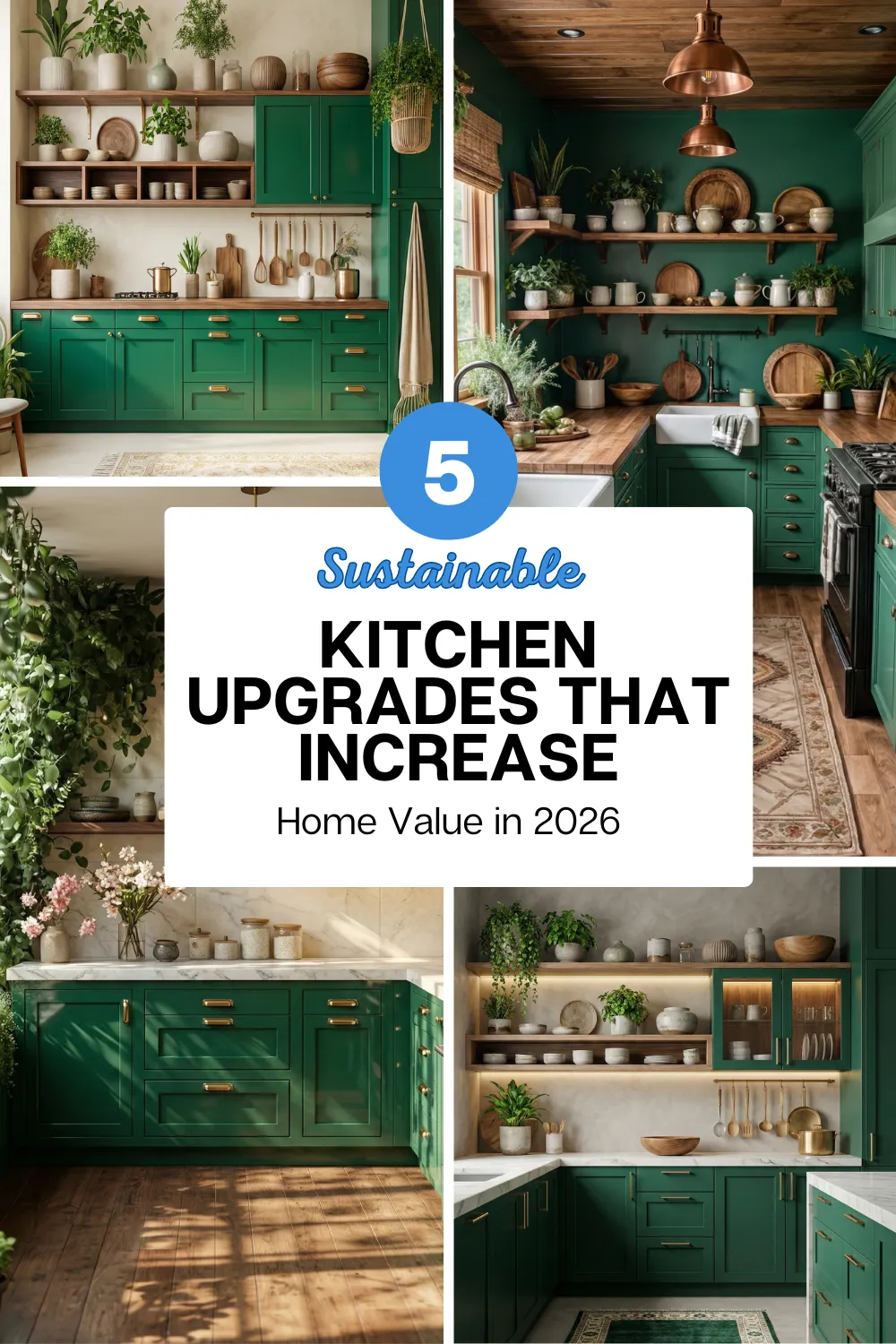
5 sustainable kitchen upgrades that increase home value in 2026 include energy-efficient appliances, like ENERGY STAR-rated refrigerators and dishwashers that lower utility costs. Swapping to LED lighting and smart fixtures adds efficiency and modern appeal. Installing recycled or low-VOC countertops and cabinetry improves indoor air quality. Upgrading to water-saving faucets and sustainable flooring materials also boosts value while reducing environmental impact.
The kitchen remains the heart of every home. It’s where families gather, meals get made, and memories happen. But beyond the emotional value, your kitchen holds serious financial weight when it comes to selling your house. Buyers in 2026 are looking at more than granite countertops and fancy cabinets. They want kitchens that save money, use less energy, and align with their environmental values. Sustainable upgrades check all these boxes while making your home stand out in a competitive market.
Making your kitchen more sustainable doesn’t mean sacrificing style or breaking the bank. The five upgrades covered here deliver real returns on investment while creating a space that feels modern, efficient, and thoughtfully designed. From energy-smart appliances to water-saving faucets and recycled materials, each improvement adds value in multiple ways. You’ll see lower monthly bills, attract more interested buyers, and contribute to a healthier planet. Let’s explore the upgrades that matter most in 2026.
Energy-Efficient Appliances Transform Your Kitchen Economics

Swapping out old appliances for energy-efficient models stands as the single most impactful sustainable kitchen upgrade you can make. These modern machines use significantly less electricity and water than their older counterparts, sometimes cutting energy consumption by half or more. The Energy Star label has become the gold standard that buyers actively search for during home tours. When your kitchen features a full suite of certified energy-efficient appliances, buyers immediately understand they’re looking at lower utility costs and a more responsible home.
Why Your Refrigerator Matters Most

The refrigerator deserves your attention first because it runs nonstop, making it the biggest energy user in most kitchens. An old refrigerator from 15 years ago might consume 1,200 kilowatt-hours annually, while a new Energy Star model uses around 400 kilowatt-hours. That difference translates to roughly 150 dollars saved each year on electricity alone. Multiply that savings over the appliance’s lifespan, and you’re looking at thousands of dollars. Buyers calculate these numbers when deciding between homes, and a modern efficient refrigerator tips the scales in your favor.
Dishwashers That Save Water and Money
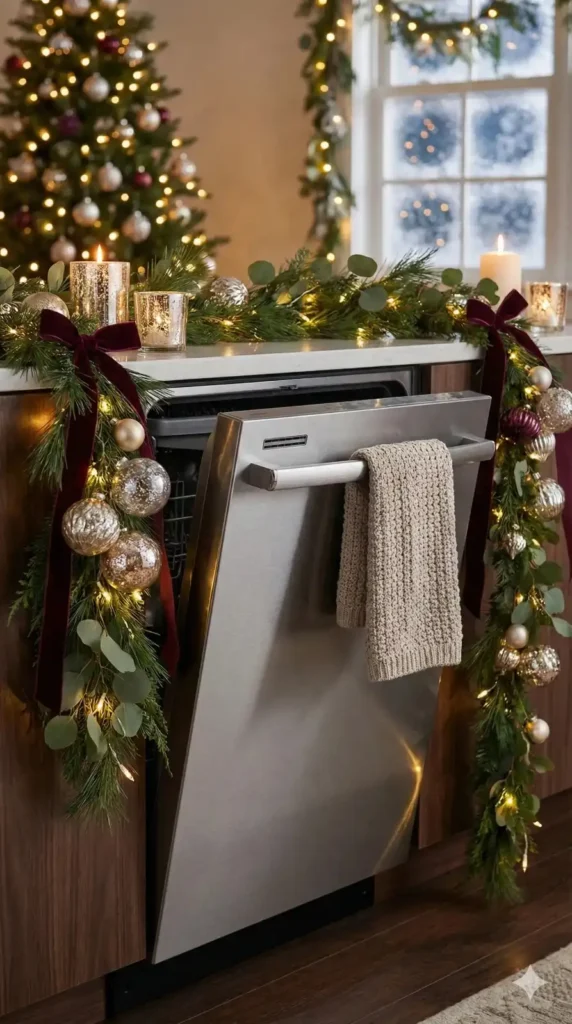
Dishwashers have made remarkable strides in efficiency over the past decade. Today’s models use about 3 gallons of water per cycle compared to 10 gallons or more in older machines. They also heat water more efficiently and include smart sensors that adjust cycle length based on how dirty the dishes actually are. These features mean lower water bills, reduced energy for heating that water, and less wear on your hot water heater. For a family running the dishwasher five times weekly, the annual savings can reach 100 dollars or more when switching to a high-efficiency model.
Induction Cooktops Represent the Future
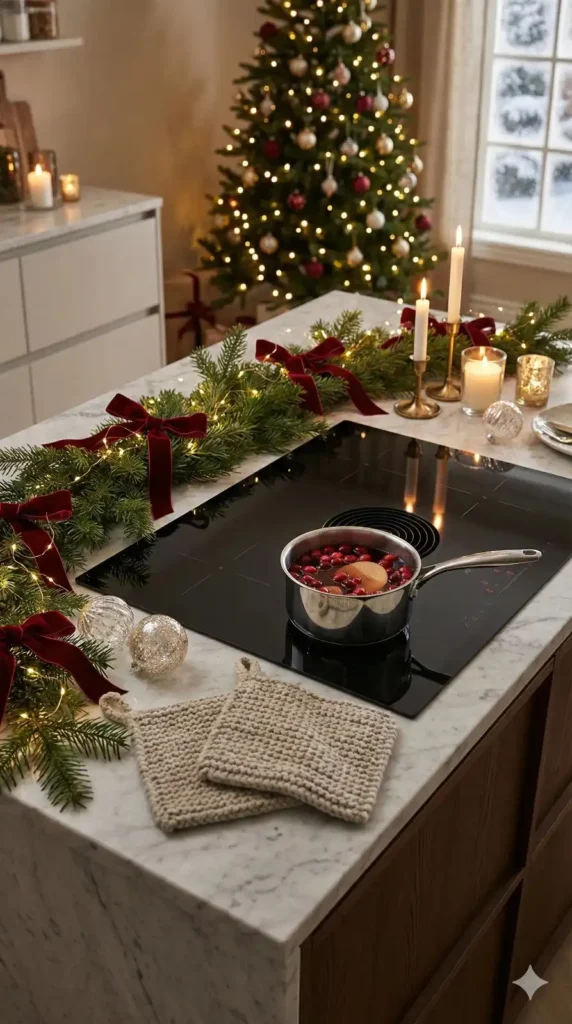
Induction cooktops represent the future of cooking technology and they’re gaining serious traction among environmentally conscious buyers. Unlike gas or traditional electric stoves, induction cooktops heat only the pan itself through electromagnetic energy. This direct heating method wastes almost no energy, making induction about 85% efficient compared to roughly 40% for gas stoves. Water boils faster, temperature control becomes more precise, and your kitchen stays cooler during cooking. The lack of open flame or hot coils also makes induction safer, especially for families with children.
Understanding the Real Cost and Payback
The upfront cost of energy-efficient appliances runs higher than standard models, but the payback timeline has shortened considerably. Most efficient appliances recover their premium cost within five to seven years through utility savings alone. When you factor in the increased home value at sale time, the return becomes even more attractive. Buyers routinely pay 5,000 to 10,000 dollars more for homes with complete energy-efficient kitchen packages. That premium easily covers your upgrade investment while putting extra cash in your pocket.
Smart Appliances Take Efficiency Further
Smart appliances take efficiency to the next level by learning your usage patterns and adjusting their operation accordingly. A smart refrigerator might shift its defrost cycle to off-peak hours when electricity costs less. A smart oven can preheat remotely so it’s ready exactly when you arrive home, avoiding extended preheat times that waste energy. These connected features appeal to tech-savvy buyers who appreciate the convenience alongside the efficiency benefits. The smart home market continues growing rapidly, and kitchens equipped with intelligent appliances command attention in listings.
How to Choose the Right Efficient Appliances
When selecting energy-efficient appliances, look beyond the Energy Star label to the actual energy consumption numbers. Compare the yellow EnergyGuide labels that show estimated yearly operating costs. Sometimes a slightly more expensive model saves enough extra energy to justify the difference within months. Consider your household’s specific needs too. A couple without children might do fine with a compact dishwasher, while a family of five needs full capacity. Right-sizing your appliances prevents wasting money on features you won’t use while ensuring the efficiency gains match your actual usage patterns.
Timing Your Appliance Upgrades for Maximum Value
Installation timing matters for maximizing your return on investment. If your current appliances still function adequately, you might wait until one fails before replacing them all. However, if you’re planning to sell within two years, upgrading sooner gives you time to enjoy the savings and allows the new appliances to feel established rather than suspiciously brand new. Buyers sometimes wonder if last-minute upgrades hide underlying problems, so having efficient appliances in place for a year or more removes that concern.
LED Lighting Systems Cut Costs While Improving Ambiance

Lighting upgrades deliver immediate visible impact with minimal investment, making them perfect for homeowners preparing to sell. LED technology has revolutionized kitchen illumination by using 75% less energy than incandescent bulbs while lasting 25 times longer. When buyers flip switches during a showing and see bright, even lighting throughout the kitchen, they form positive impressions before examining anything else. Good lighting makes spaces feel larger, cleaner, and more welcoming, all critical factors in purchasing decisions.
Under-Cabinet Lighting Creates Instant Impact
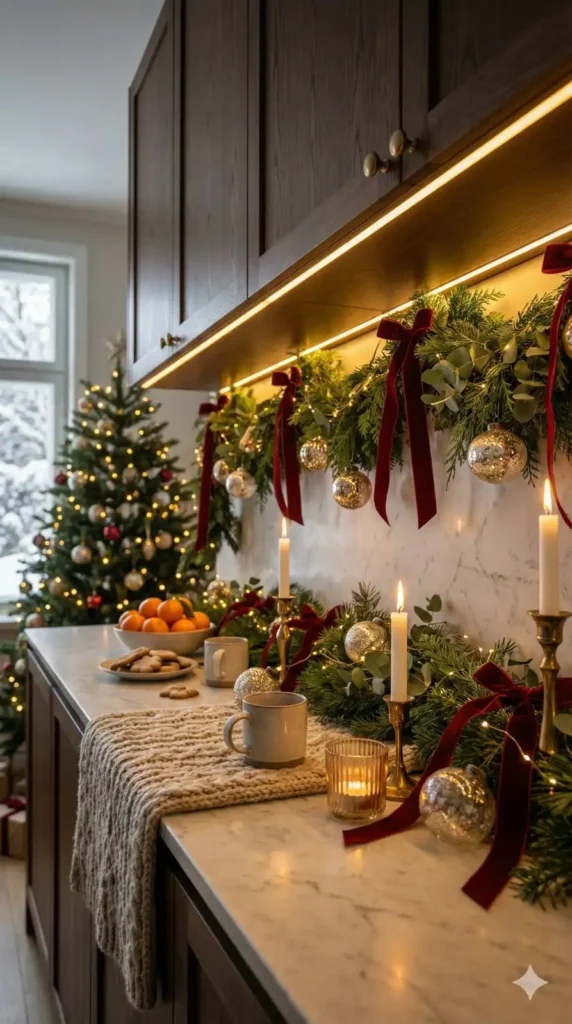
Under-cabinet LED strips provide task lighting that makes food preparation safer and easier while adding a modern design element. These strips highlight your countertops and backsplash, creating visual interest and making the kitchen feel more expensive. Installation takes just a couple hours for a handy homeowner or a few hundred dollars if you hire an electrician. The energy draw from LED strips is so minimal that leaving them on all day costs just pennies monthly. This combination of low cost and high visual impact makes under-cabinet lighting one of the best return-on-investment upgrades available.
Recessed Ceiling Lights Modernize Your Space
Recessed LED ceiling lights replace old-fashioned fixtures that collect dust and feel dated. Modern recessed LEDs come in various color temperatures, letting you choose warm light for a cozy feel or cool white for a crisp, clean appearance. Many homeowners opt for warm white in the 2700K to 3000K range because it makes food look more appealing and creates a comfortable atmosphere. The ability to dim these lights adds versatility, allowing bright illumination for cooking and softer lighting for dining or entertaining. Dimmable LEDs cost slightly more but the flexibility they provide makes them worth the premium.
Pendant Lights Add Style and Efficiency
Pendant lights over kitchen islands have become a statement piece in modern kitchens, and LED versions deliver style without the energy waste. Traditional pendant lights with incandescent or halogen bulbs generate significant heat and consume substantial electricity. LED pendants stay cool, last years longer, and use a fraction of the power. You can choose from countless designs, from industrial metal shades to elegant glass globes, ensuring the fixtures match your kitchen’s aesthetic. This upgrade combines form and function in a way that buyers immediately notice and appreciate.
Maximizing Natural Light During the Day
Natural light integration works hand-in-hand with LED technology to minimize daytime electricity use. If your kitchen has windows, make sure they’re clean and unobstructed to maximize sunlight penetration. Consider adding a skylight or solar tube if your budget allows and your kitchen layout permits it. These installations bring abundant natural light into the space, reducing the need for artificial lighting during the day. When combined with efficient LED fixtures for evening use, your kitchen achieves optimal lighting with minimal energy consumption throughout all hours.
Smart Controls Boost Savings Even More
Motion sensors and timers take LED efficiency further by ensuring lights only run when needed. A motion sensor in the pantry means the light automatically turns on when you enter and off when you leave, eliminating the waste from forgotten switches. Timers work well for under-cabinet lights, allowing them to turn off automatically after a set period. These smart controls cost little to add during LED installation but can cut lighting energy use by another 20% to 30%. Buyers appreciate the convenience and the additional savings these systems provide.
Choosing Quality LEDs That Show True Colors
The color rendering index matters more than most people realize when choosing LED bulbs. This measurement shows how accurately colors appear under the light compared to natural sunlight. Kitchen lighting should have a CRI of 90 or higher so food, materials, and finishes look true to their actual colors. Poor quality LEDs with low CRI numbers can make everything look washed out or give strange color casts. Investing in high-CRI LED bulbs ensures your kitchen looks its best during showings and everyday use. The small price difference between standard and high-CRI LEDs is barely noticeable but the visual quality improvement is substantial.
Creating Layers of Light for Professional Results
Layered lighting design separates good kitchen lighting from great kitchen lighting. This approach uses ambient light for overall illumination, task lighting for work areas, and accent lighting to highlight architectural features or design elements. LED technology makes layered lighting affordable because the low energy consumption means you can run multiple light sources simultaneously without worrying about the electric bill. A well-lit kitchen with multiple layers of LED illumination feels professional and polished, characteristics that translate directly into higher perceived home value.
Water-Saving Fixtures Reduce Bills and Environmental Impact
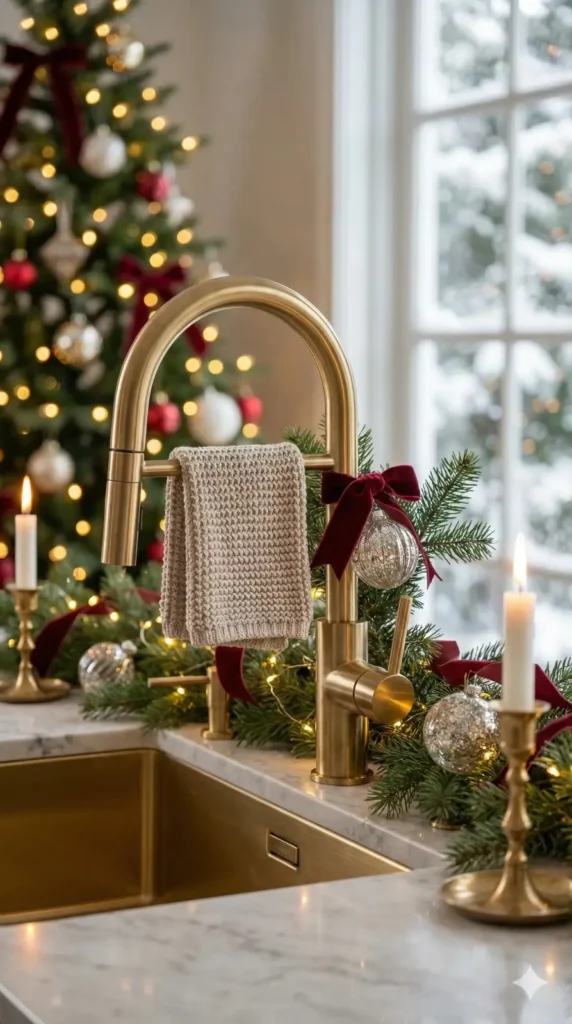
Water conservation has moved from a nice-to-have feature to an expected standard in modern homes, especially in regions facing water scarcity or high utility costs. Installing water-efficient fixtures in your kitchen demonstrates environmental responsibility while delivering measurable financial savings. These upgrades typically cost less than major appliance replacements but still add value by reducing ongoing operating expenses. Buyers calculate monthly costs carefully when comparing properties, and lower water bills make your home more affordable to own.
Low-Flow Faucets Make the Biggest Difference

Low-flow faucets represent the easiest water-saving upgrade with the biggest impact relative to cost. Modern aerators can reduce water flow from the standard 2.2 gallons per minute to 1.5 or even 1.0 gallons per minute without any noticeable difference in performance. These aerators mix air into the water stream, maintaining pressure and coverage while using significantly less water. A family of four using a 1.5 gallon-per-minute faucet instead of a 2.2 gallon-per-minute model saves roughly 12,000 gallons annually. That volume translates to 40 to 80 dollars in water and sewer costs depending on local rates.
Touchless Faucets Combine Savings with Convenience
Touchless faucets combine water savings with hygiene and convenience benefits that buyers love. These sensor-activated fixtures turn on only when hands are present under the spout, eliminating the common waste from running water while soaping up or stepping away briefly. The automatic shutoff also prevents the occasional forgotten faucet that can waste hundreds of gallons. Touchless models work especially well in families with children who often leave water running. The technology has matured to the point where these faucets are reliable and affordable, typically adding just 100 to 200 dollars to the cost of a quality kitchen faucet.
Hot Water Recirculation Stops the Wait
Hot water recirculation systems minimize the water wasted while waiting for hot water to reach your kitchen tap. In homes where the water heater sits far from the kitchen, several gallons might run down the drain before hot water arrives. A recirculation pump keeps hot water constantly available or quickly delivers it on demand through a button press. This system saves both water and the energy required to heat water that never gets used. The installation requires some plumbing work but the ongoing savings and convenience make it worthwhile, particularly in larger homes.
Professional-Style Sprayers That Save Water
Pre-rinse spray faucets designed for home use bring commercial-style functionality to residential kitchens while incorporating efficiency features. These powerful sprayers remove food debris effectively, often eliminating the need to pre-rinse dishes before loading the dishwasher. The best models include a pause button on the spray head, letting you stop water flow without adjusting the main valve. This simple feature prevents waste during the dish-loading process. The professional appearance of these faucets also appeals to buyers who enjoy cooking and want a kitchen that feels capable and well-equipped.
Instant Hot Water Without the Waste
Instant hot water dispensers provide boiling water on demand without running your faucet and waiting or using a kettle on the stove. These small units mount under the sink and connect to a dedicated tap on your counter or to a multi-function faucet. They heat only the water you actually use, making them more efficient than boiling a full kettle for a single cup of tea. The convenience factor ranks high with buyers who appreciate modern amenities, and the energy efficiency of heating small quantities of water exactly when needed aligns perfectly with sustainable kitchen goals.
Built-In Filtration Reduces Bottled Water Waste
Water filtration systems integrated into your kitchen faucet reduce reliance on bottled water while ensuring clean drinking water. Whole-house filtration or under-sink systems remove contaminants and improve taste without the plastic waste associated with bottled water. Many buyers prioritize water quality and view built-in filtration as a valuable feature. The systems also protect your water-using appliances from mineral buildup, extending their lifespan. Installation costs vary based on system complexity but even basic filtration adds perceived value because it addresses a common homeowner concern.
Proper Placement Prevents Water Waste
Sink and faucet placement affects water efficiency more than most people consider. A faucet positioned too high above the sink creates more splashing, which wastes water and makes a mess. The spout should be tall enough for filling large pots but not so high that normal use sends water flying. Similarly, deeper sinks reduce splashing and provide better functionality. When upgrading your faucet, evaluate whether your sink depth and faucet height work well together. Sometimes a matched set chosen for efficiency and ergonomics works better than mixing and matching components.
Sustainable Materials Create Beautiful, Long-Lasting Surfaces

The materials you choose for countertops, cabinets, and flooring make powerful statements about your kitchen’s quality and your commitment to sustainability. Recycled, renewable, and locally sourced materials reduce environmental impact while often outperforming traditional options in durability and maintenance. These surfaces directly interact with buyers during home tours, influencing their perception of the entire property. A kitchen with thoughtfully selected sustainable materials stands out from the competition and justifies a higher asking price.
Recycled Glass Countertops Combine Beauty and Purpose
Recycled glass countertops offer stunning visual appeal combined with an impressive environmental story. These surfaces contain 75% to 85% recycled glass mixed with concrete or resin binders. The glass comes from discarded bottles, windows, and other sources that would otherwise end up in landfills. The finished product rivals natural stone for beauty while providing superior durability and easier maintenance. Recycled glass doesn’t require sealing like granite or marble, resists staining and scratching better than many natural materials, and comes in countless color combinations. The unique appearance ensures no two installations look identical, giving your kitchen distinctive character that buyers remember.
Bamboo Grows Fast and Performs Strong
Bamboo has emerged as a leading renewable material for both cabinets and flooring because it grows incredibly fast compared to traditional hardwoods. A bamboo plant reaches harvestable maturity in three to five years, while oak or maple trees need 30 to 50 years. This rapid growth rate makes bamboo highly sustainable when harvested responsibly. Bamboo cabinets and flooring match or exceed the hardness of many traditional woods, resisting dents and wear effectively. The natural grain patterns provide warm, organic beauty that suits various design styles from modern to traditional. Buyers appreciate knowing their kitchen uses materials that regenerate quickly and don’t deplete old-growth forests.
Reclaimed Wood Tells a Story
Reclaimed wood brings history and character into your kitchen while preventing perfectly good materials from becoming waste. Old barn wood, factory timber, and salvaged flooring get cleaned, milled, and refinished into beautiful cabinet faces, floating shelves, or accent walls. Each piece tells a story through its unique weathering, nail holes, and grain patterns. Reclaimed wood often comes from old-growth trees, meaning it’s denser and more stable than new lumber from younger trees. The authenticity and craftsmanship of reclaimed wood installations create focal points that generate conversation and admiration during home tours.
Cork Flooring Offers Comfort and Sustainability
Cork flooring provides a sustainable, comfortable surface that many buyers don’t expect to find in a kitchen. Cork comes from the bark of cork oak trees, which regenerate their bark after harvest without harming the tree. This renewable process allows the same tree to be harvested repeatedly over its lifetime. Cork’s natural cushioning makes it gentler on feet and legs during extended cooking sessions. The material also offers natural antimicrobial properties, resistance to mold and mildew, and excellent sound absorption. These practical benefits combine with sustainability credentials to make cork an attractive option for eco-conscious buyers.
Recycled Metal Adds Industrial Charm
Recycled metal backsplashes and accents add industrial chic style while giving new life to aluminum, copper, or stainless steel. These materials can be recycled endlessly without losing their properties, making them among the most sustainable options available. A recycled stainless steel backsplash provides the same sleek, modern look as new material but with a smaller environmental footprint. The durability of metal surfaces means they’ll last as long as the house itself, never requiring replacement. Easy cleaning and resistance to heat, stains, and moisture make metal particularly practical in the kitchen environment.
Local Materials Reduce Transportation Impact
Locally sourced materials reduce transportation emissions and support regional economies while often costing less than products shipped from across the country or world. A countertop made from stone quarried within 500 miles of your home has a much smaller carbon footprint than exotic granite from overseas. Local materials also tend to match regional architectural styles more naturally, helping your kitchen feel cohesive with the home’s overall character. When selecting sustainable materials, always ask about origin and transportation distance. Choosing local options strengthens your sustainability story and can provide cost savings that let you upgrade other aspects of your kitchen.
Low-VOC Finishes Protect Indoor Air Quality
Low-VOC or zero-VOC finishes and adhesives protect indoor air quality while completing your sustainable material selections. Volatile organic compounds off-gas from many traditional paints, stains, and installation products, contributing to poor air quality and potential health issues. Modern low-VOC alternatives perform just as well without the harmful emissions. Buyers increasingly care about air quality, especially those with allergies, asthma, or chemical sensitivities. Using low-VOC products throughout your kitchen upgrade demonstrates attention to health considerations alongside environmental concerns, broadening your home’s appeal.
Durability Is the Ultimate Sustainability
Durability represents the ultimate sustainability because materials that last longer need replacement less frequently. The most environmentally friendly choice is often the surface that maintains its beauty and function for decades rather than needing updates every few years. When evaluating materials, consider their expected lifespan, maintenance requirements, and how well they age. A slightly more expensive material that lasts 30 years instead of 15 actually costs less over time and reduces waste. This long-term perspective should guide your material selections for maximum value and minimal environmental impact.
Composting and Recycling Stations Modernize Waste Management
Integrated waste management systems have become essential features in sustainable kitchens, turning trash handling from an afterthought into a well-designed element that makes eco-friendly habits convenient. Modern buyers, particularly younger generations, expect homes to facilitate recycling and composting without creating clutter or hassle. A thoughtfully planned waste station adds functionality while demonstrating that your kitchen supports sustainable living practices. These systems prove you can care for the environment without sacrificing style or convenience.
Built-In Sorting Bins Hide Clutter
Built-in sorting bins transform the jumble of recycling bags and trash cans into an organized system that hides away when not in use. These units typically fit inside a cabinet, with pull-out compartments for trash, recycling, and compost. The bins stay concealed behind cabinet doors, maintaining your kitchen’s clean appearance while making it easy to separate waste properly. Most systems include two to four separate compartments with removable bins that simplify emptying. The convenience factor cannot be overstated because when sorting is easy, people actually do it consistently rather than tossing everything into one trash can.
Attractive Countertop Compost Collectors
Countertop compost collectors designed as attractive containers rather than obvious waste bins make food scrap collection appealing. Modern compost containers come in sleek stainless steel, ceramic, or bamboo designs that look intentional on your counter rather than like something you’re trying to hide. Many include charcoal filters to eliminate odors, letting you collect scraps for several days before emptying to your outdoor compost pile or municipal compost pickup. Having a designated, attractive compost container signals to buyers that the kitchen supports sustainable practices while looking good doing it.
Under-Sink Composting Systems Work Fast
Under-sink compost systems take waste diversion further by incorporating small-scale composting directly into your kitchen. These electric units grind and dry food scraps, reducing their volume by up to 90% and creating a dry, odor-free material that can be added to gardens or outdoor compost. The process happens quickly, often within hours, and eliminates the need to store wet food scraps. While these systems require electricity, the energy use is minimal compared to the environmental benefit of diverting organic waste from landfills. For urban homeowners without space for outdoor composting, under-sink units provide a practical solution that buyers value.
Multi-Compartment Recycling Makes Sorting Simple
Pull-out recycling stations with multiple compartments allow precise sorting of different recyclable materials. Paper, cardboard, plastic, glass, and metal can each have dedicated bins, making it simple to sort items correctly. This level of organization becomes increasingly important as recycling programs expand and contamination rules get stricter. A kitchen with a comprehensive recycling station shows buyers that the home makes it easy to do the right thing. The investment in a quality pull-out system pays back through the premium buyers place on turnkey sustainable features.
Cabinet Integration Creates Seamless Design
Cabinet design integration makes the difference between waste stations that feel like add-ons and those that seem like natural parts of your kitchen. When planning your waste management upgrade, work with your cabinet layout rather than forcing systems into spaces where they don’t fit well. Base cabinets near the sink offer ideal locations because that’s where most food prep happens and having waste bins nearby reduces trips across the kitchen. Soft-close slides and dampers keep bins from slamming and ensure smooth operation that feels high-quality. These details matter because they affect how buyers perceive your kitchen’s overall craftsmanship.
Clear Labels Help Everyone Sort Correctly
Educational labeling and clear visual cues help everyone in the household use waste sorting systems correctly. Simple labels on each bin compartment showing what belongs there prevent mistakes and help guests navigate your system during gatherings. Color-coding can make sorting even more intuitive, with green for compost, blue for recycling, and gray for trash. These organizational touches demonstrate thoughtfulness in your kitchen’s design and ensure the waste system functions as intended rather than becoming a confusing jumble that people ignore.
Smart Waste Bins Bring Technology to Trash
Smart waste bins represent the cutting edge of kitchen waste management, incorporating sensors and connectivity for enhanced functionality. Some models include motion-sensing lids that open automatically when you approach, keeping your hands free during food prep. Others track how much waste you generate in each category, providing data through smartphone apps that help you reduce waste over time. These high-tech options appeal to buyers who enjoy smart home features and want their kitchen to feel modern and forward-thinking. The novelty factor also makes your home memorable during the showing process.
Final Thoughts
Sustainable kitchen upgrades in 2026 offer a rare combination of environmental responsibility, financial return, and enhanced daily living. The five improvements covered here each deliver substantial value through different mechanisms. Energy-efficient appliances slash utility bills while attracting buyers who calculate long-term ownership costs. LED lighting systems transform ambiance with minimal investment while demonstrating commitment to efficiency. Water-saving fixtures reduce consumption and costs without sacrificing performance. Sustainable materials create beautiful, durable surfaces that tell a compelling story. Integrated waste management stations make eco-friendly habits convenient and organized.
The key to maximizing your return lies in choosing upgrades that align with your budget, timeline, and the specific features buyers in your market value most. Not every kitchen needs all five upgrades to see a meaningful increase in value. Even one or two well-executed sustainable improvements can differentiate your home from the competition and justify a higher asking price. The important thing is ensuring whatever you install functions properly, looks professional, and clearly communicates the benefits it provides.
Sustainable kitchen upgrades work best when they’re part of a cohesive vision rather than random additions. Think about how different improvements complement each other and contribute to an overall theme of efficiency and environmental stewardship. A kitchen with energy-efficient appliances, LED lighting, and recycled glass countertops tells a clear story that resonates with buyers. That narrative becomes part of your home’s identity and marketing appeal.
The timing of your upgrades matters for maximizing enjoyment and return on investment. If you’re staying in your home for several years, these improvements will enhance your daily life while saving money on utilities. If you’re preparing to sell soon, focus on the upgrades with the highest visual impact and broadest buyer appeal. Either way, sustainable kitchen features have proven they command premium prices and help homes sell faster in competitive markets.
Start with the upgrade that makes the most sense for your situation and build from there. Maybe you replace one old appliance with an efficient model and add LED lighting. Or perhaps you install water-saving fixtures and create a recycling station. Each improvement moves you toward a more sustainable, valuable kitchen. The cumulative effect of multiple upgrades often exceeds the sum of individual improvements because they work together to create a kitchen that feels modern, responsible, and exceptionally well thought out.
Your kitchen holds enormous power over your home’s value and livability. Making it more sustainable doesn’t require sacrificing style, function, or budget. The five upgrades explored here prove you can care for the environment, increase your property value, and create a space you love using every day. Take the first step toward a more sustainable kitchen and watch as the benefits multiply in ways both expected and surprising.

