

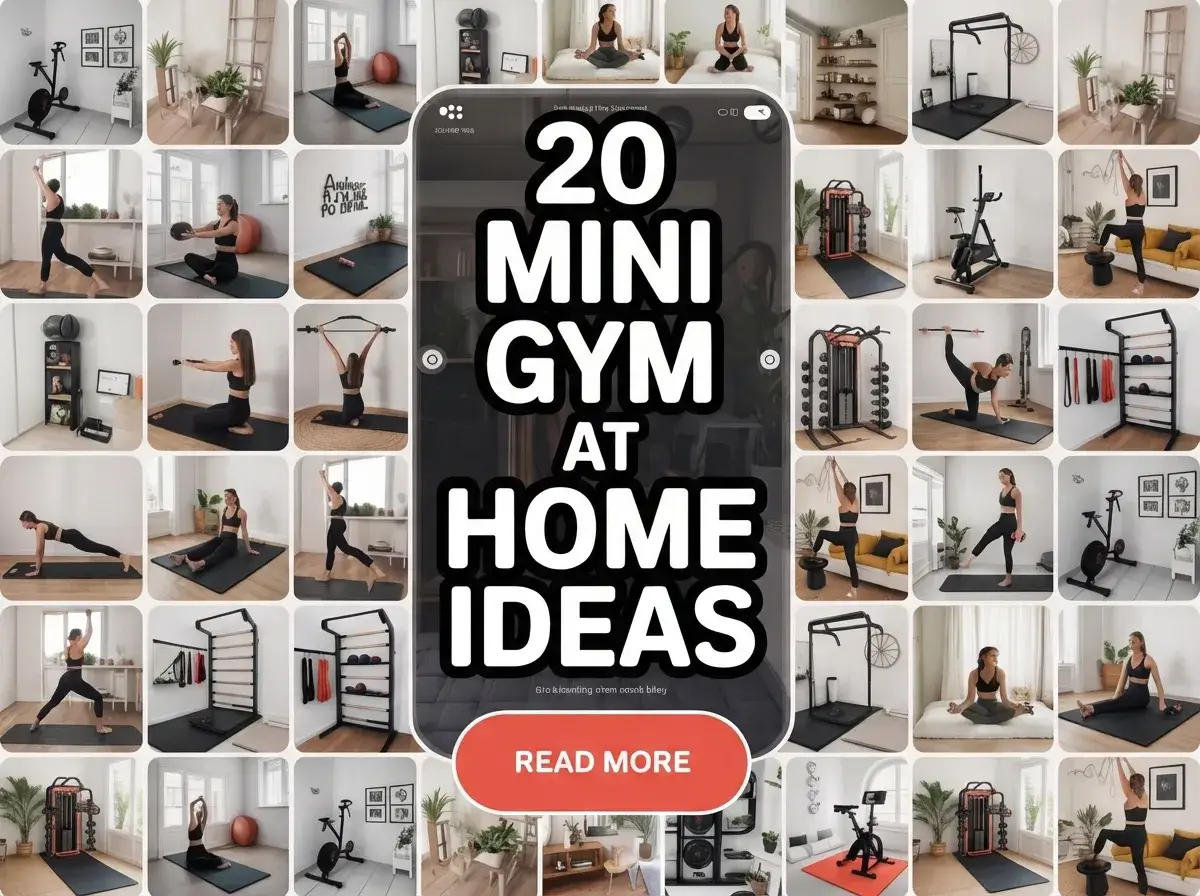
A mini gym at home saves space and supports regular workouts. A good setup needs safe flooring, smart storage, and basic equipment. The ideas below help you build a mini gym that stays clean, practical, and easy to use.
20 Mini Gym At Home Ideas
- Use a corner workout zone
- Add a foldable workout mat
- Install a wall mirror for form checks
- Use adjustable dumbbells
- Add resistance bands with hooks
- Use a compact kettlebell set
- Store gear in a rolling cart
- Add a wall-mounted rack
- Use a door-frame pull-up bar
- Add a small cardio machine
- Use a jump rope for quick cardio
- Add a foam roller recovery zone
- Create a stretching wall space
- Use a small bench or step platform
- Add a smart timer and workout clock
- Use a tablet stand for training videos
- Add a mini fan for cooling
- Use a laundry basket for towels
- Add good lighting for safety
- Final mini gym layout rule
Use A Corner Workout Zone
A corner workout zone uses unused space without blocking the room. Corners work well for mats, dumbbells, and bands. This layout keeps equipment grouped and keeps walking paths open.
Place the corner zone near a wall outlet for lighting or a fan. Keep the floor clear before each session. A defined corner helps the gym feel organized and easier to maintain.
Add A Foldable Workout Mat
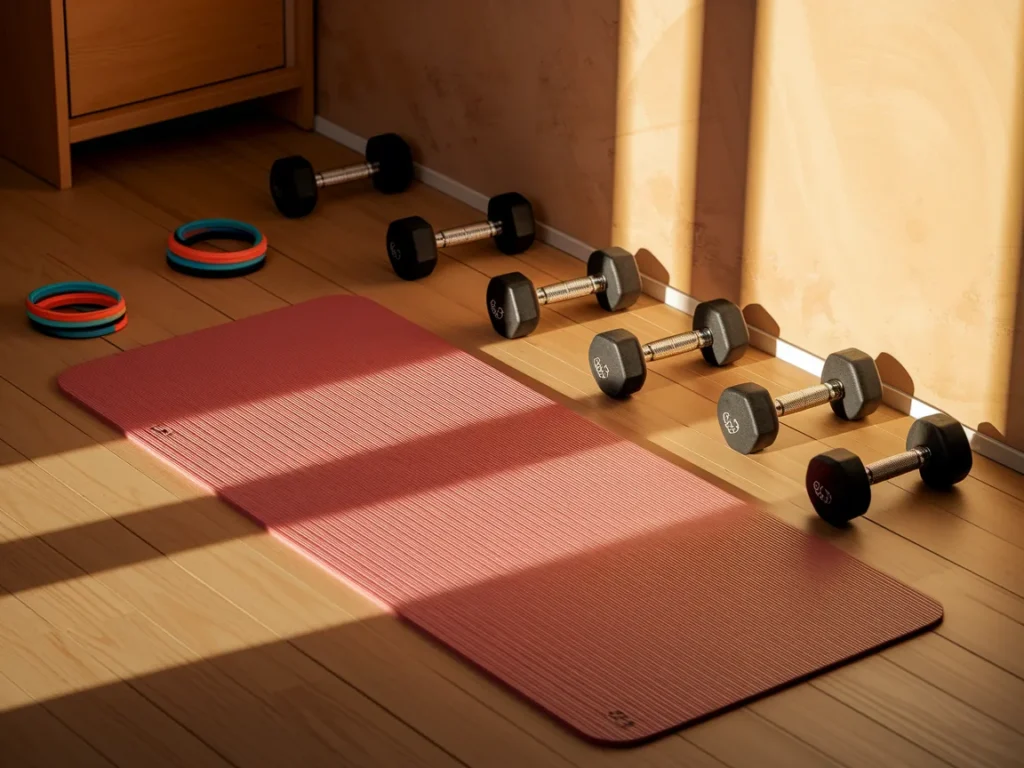
A foldable workout mat supports floor workouts and stores easily. Folding mats reduce clutter because they fit inside closets or under beds. A thick mat also protects joints during bodyweight exercises.
Choose a mat with grip and easy cleaning surface. Store it upright or flat against a wall. A foldable mat keeps the mini gym flexible for daily use.
Install A Wall Mirror For Form Checks
A wall mirror improves workout form by allowing real-time posture checks. This helps reduce injury risk and improves movement control. Mirrors also reflect light, which makes small gym spaces feel larger.
Mount the mirror securely on a stable wall. Position it where your full body stays visible during exercises. A mirror adds function and improves gym focus.

Use Adjustable Dumbbells
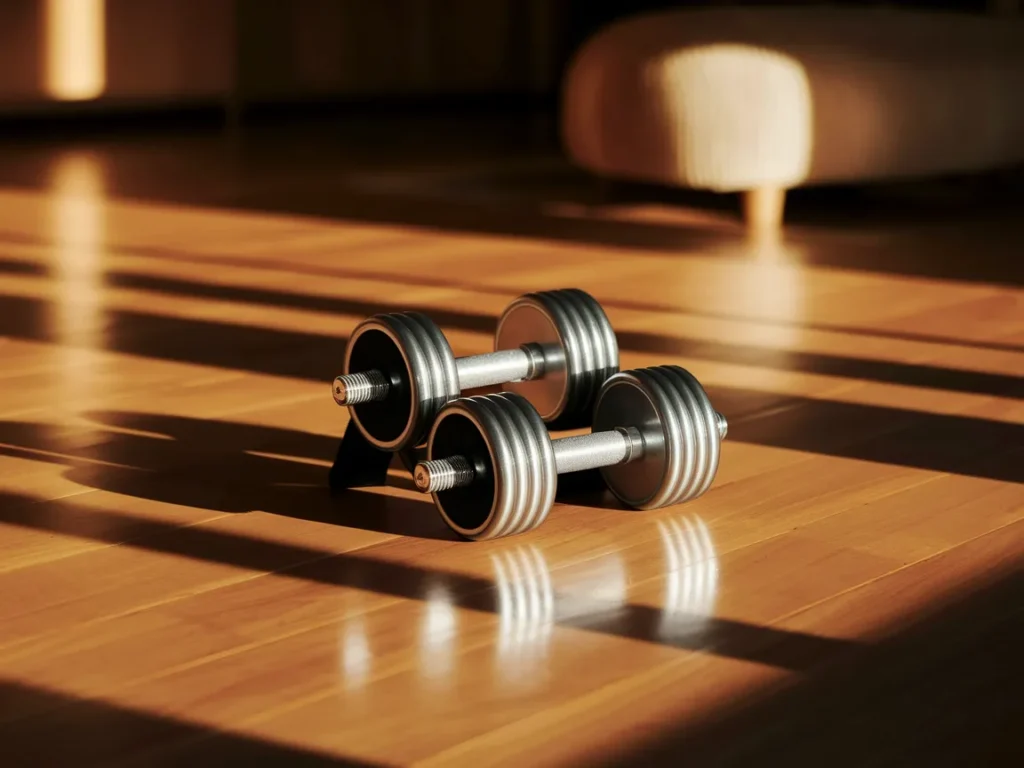
Adjustable dumbbells save space by replacing multiple weight pairs. One set can cover many weight levels for different exercises. This supports strength training without needing a full rack.
Store adjustable dumbbells on a small stand or shelf. Keep them near the mat zone for quick access. Adjustable weights improve training variety in small spaces.
Add Resistance Bands With Hooks
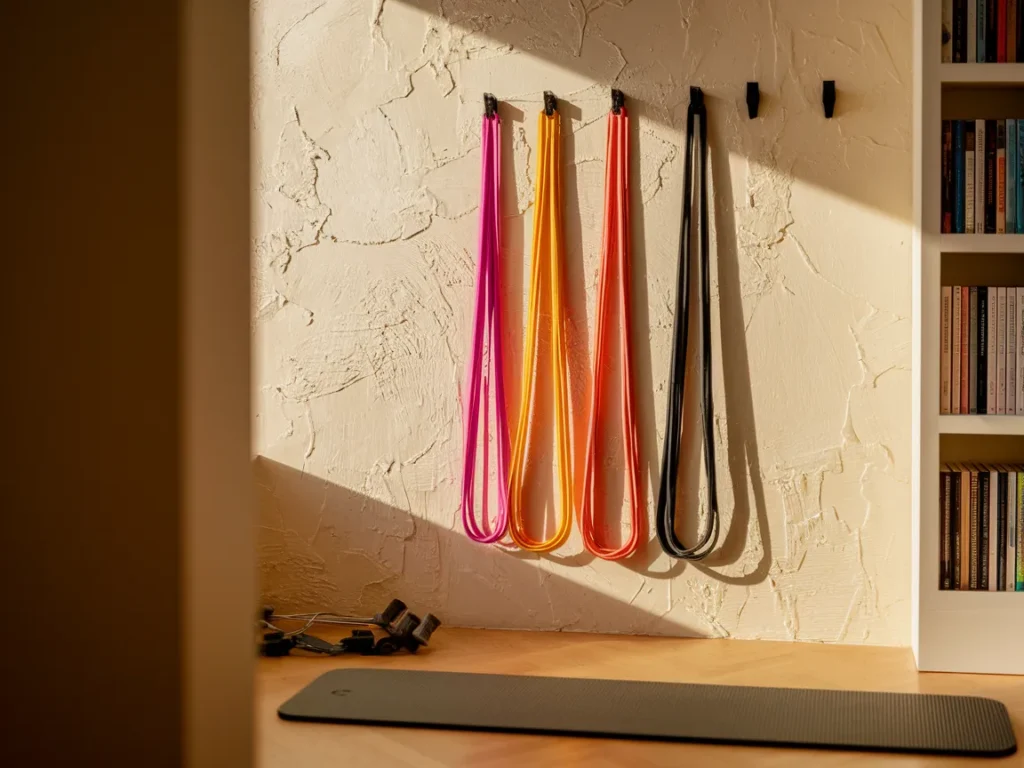
Resistance bands add strength training options with minimal space. Bands support rows, presses, and mobility work. Wall hooks or door anchors help bands stay organized and ready.
Keep bands sorted by tension level. Store them on one hook system to prevent tangles. Resistance bands add training variety without heavy equipment.
Use A Compact Kettlebell Set
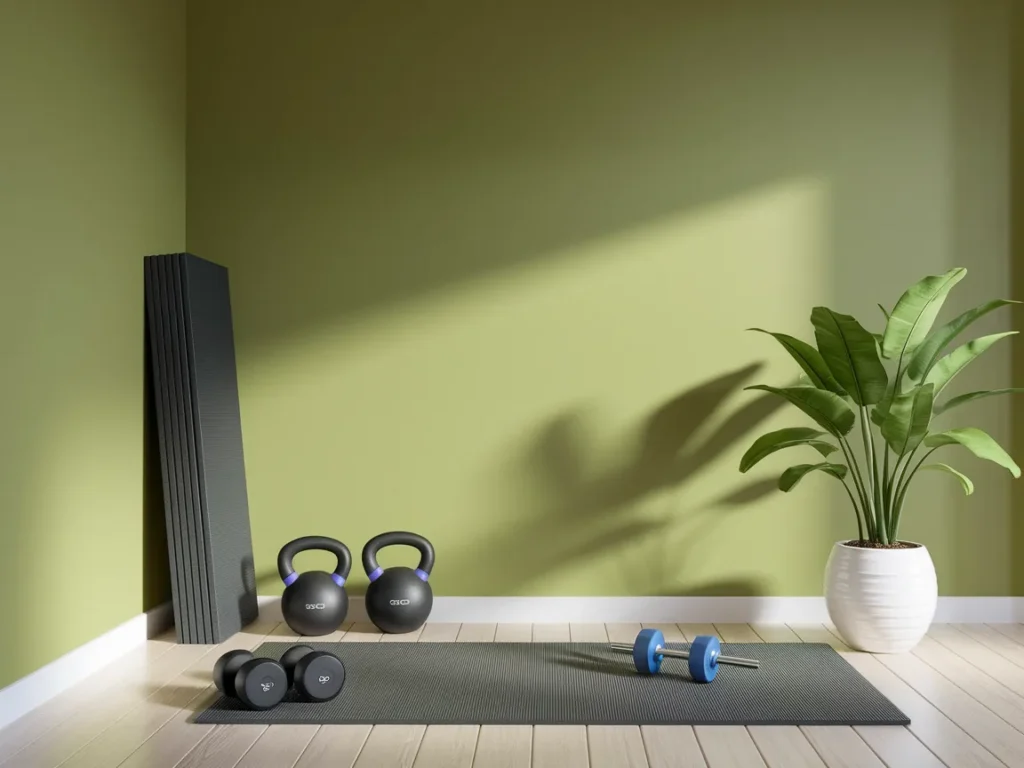
A compact kettlebell set adds strength and cardio training in one tool. Kettlebells support swings, squats, presses, and carries. A small set with two to three weights covers most home workout needs without taking much floor space.
Store kettlebells on the floor near a wall or inside a low basket. Keep them off walk paths to avoid tripping. A compact kettlebell setup builds variety while keeping the mini gym simple and organized.
Store Gear In A Rolling Cart
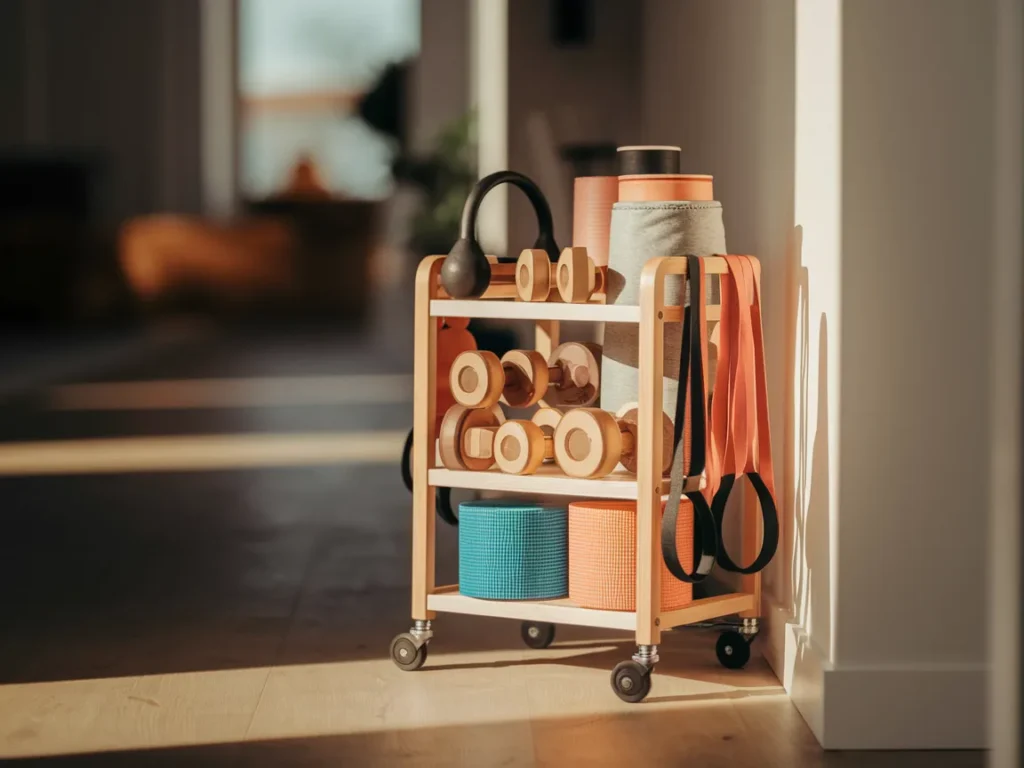
A rolling cart keeps small gym items together and easy to move. Items like bands, gloves, towels, and bottles stay contained instead of scattered. A cart also helps convert the space back to normal use after workouts.
Choose a cart with two or three levels for sorting. Store heavier items on the bottom for stability. Rolling storage supports a clean mini gym that stays flexible for small rooms.
Add A Wall-Mounted Rack
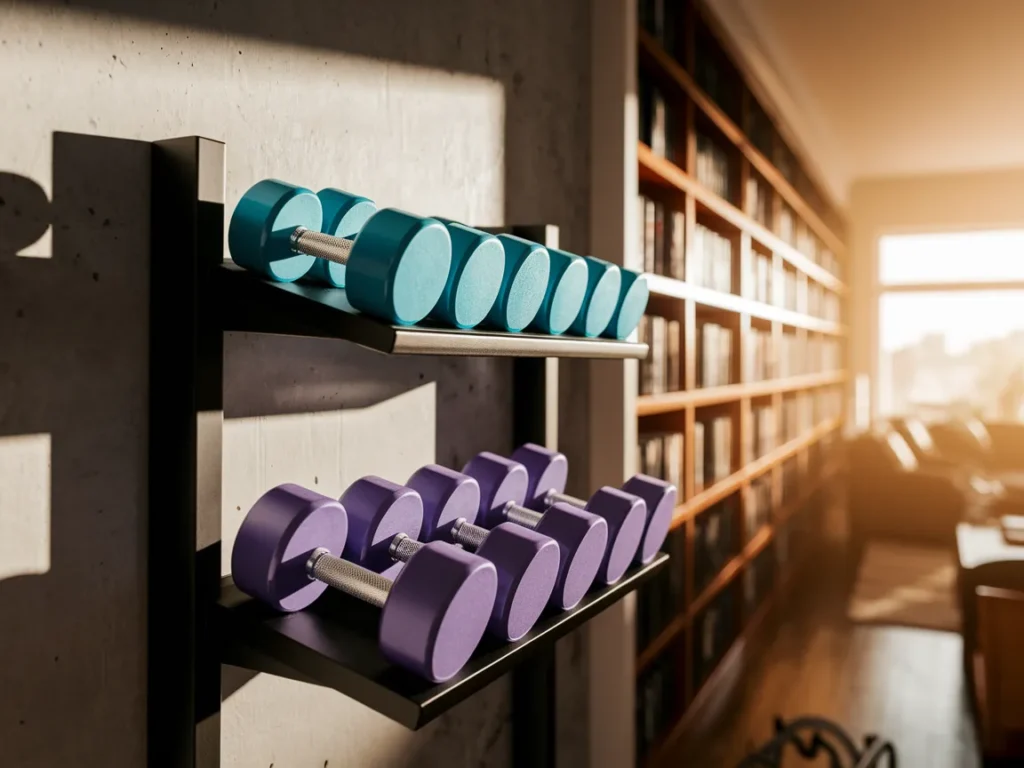
A wall-mounted rack saves floor space and keeps equipment visible. Racks hold dumbbells, resistance bands, jump ropes, or small mats. Wall storage helps prevent clutter and keeps the workout area clear.
Mount the rack on a solid surface and keep it within easy reach. Use simple hooks or shelves to separate items by type. Wall racks make a mini gym feel organized and permanent without expanding the footprint.
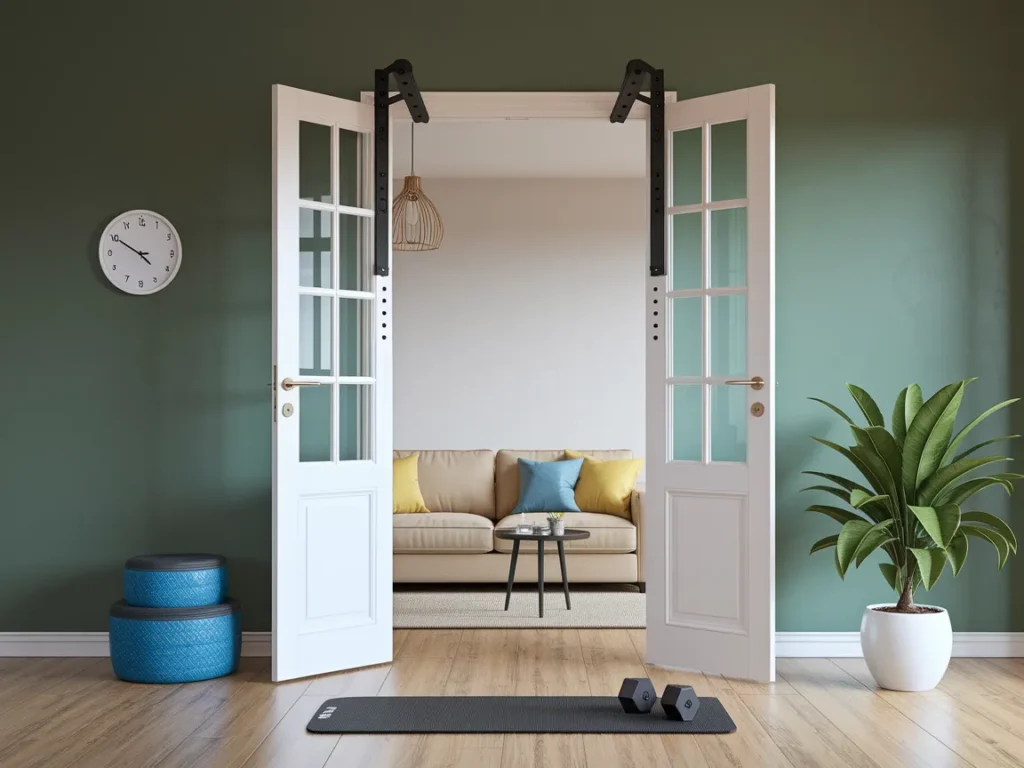
Use A Door-Frame Pull-Up Bar
A door-frame pull-up bar adds upper body training without large machines. It supports pull-ups, hangs, and band-assisted work. This tool works well for small home gyms because it stores easily when not in use.
Install it on a strong door frame and check grip stability before training. Avoid placing it near fragile trim. A pull-up bar increases exercise variety without taking floor space.
Add A Small Cardio Machine
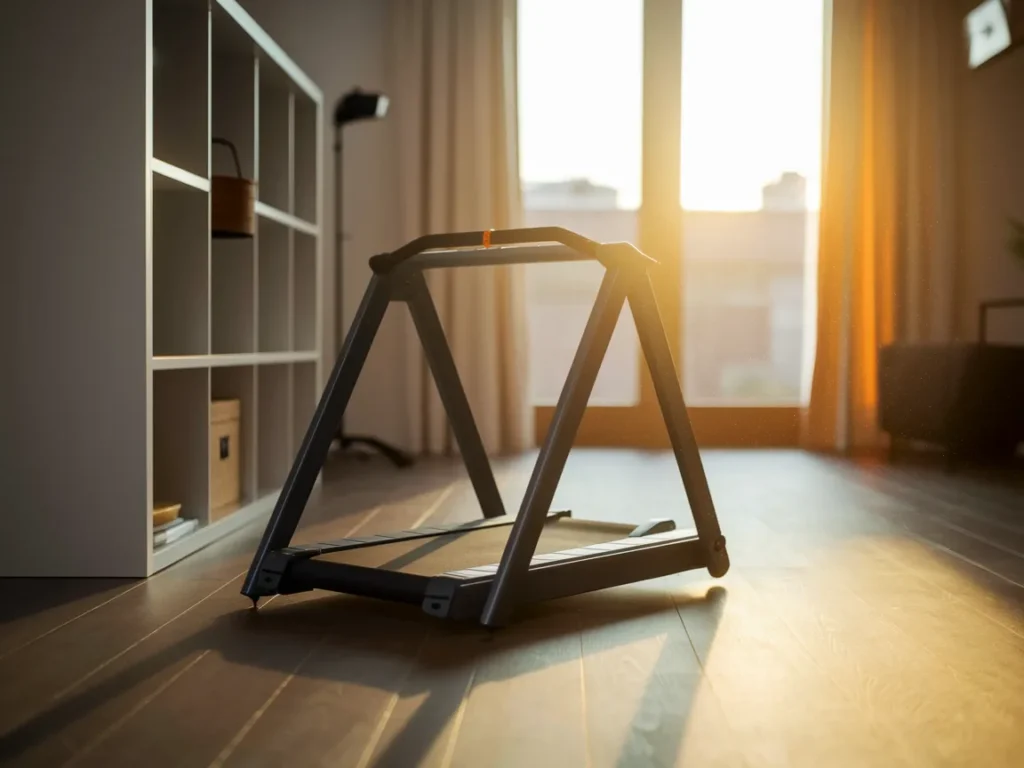
A small cardio machine improves fitness without needing large space. Compact options include a foldable treadmill, mini stepper, or stationary bike. Cardio tools help support warm-ups and steady training routines.
Place the machine near airflow and keep clear space around it. Choose foldable styles if the room serves more than one purpose. A small cardio setup adds strong value to a mini gym when storage stays controlled.
Use A Jump Rope For Quick Cardio
A jump rope gives fast cardio without needing extra space. It supports warm-ups, endurance training, and coordination. Jump ropes also store easily inside a drawer or bin, which keeps the mini gym clean.
Choose a rope length that matches your height and use it in an open area to avoid hitting furniture. A simple jump rope adds strong workout value with almost no footprint.

Add A Foam Roller Recovery Zone
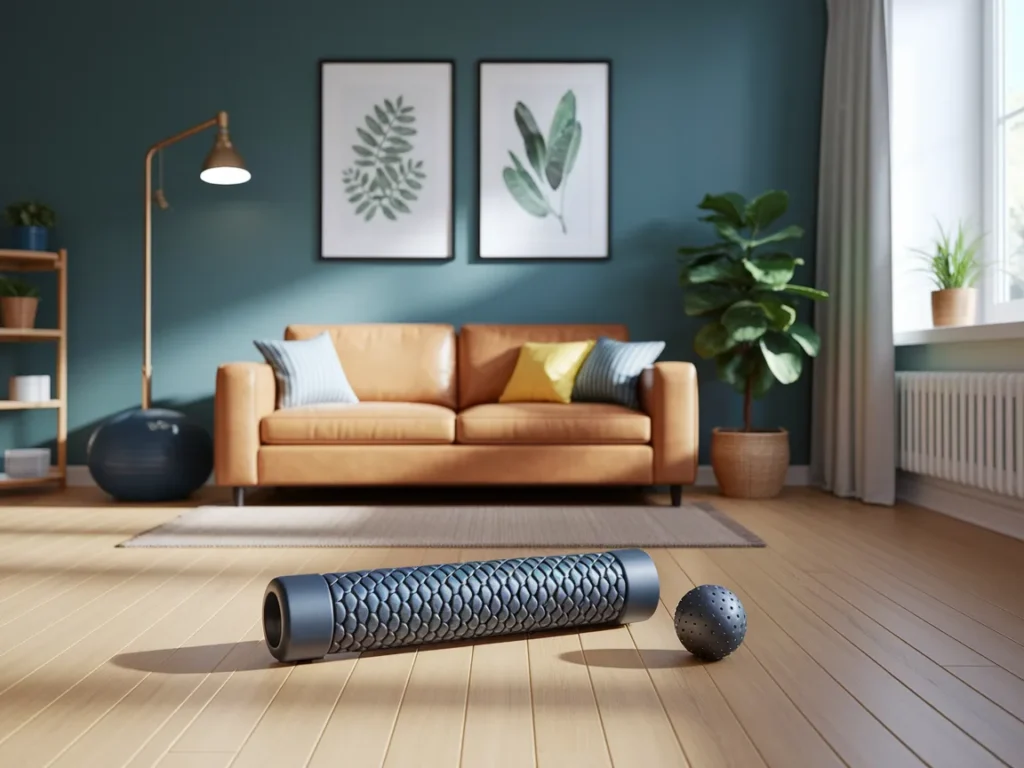
A foam roller recovery zone supports muscle release and mobility work. Foam rolling helps loosen tight muscles after workouts and can improve movement comfort. This zone needs only a small area near the mat.
Store the foam roller upright in a corner or inside a storage bin. Keep recovery tools together, like a massage ball or stretch strap. A recovery zone makes the mini gym feel complete and balanced.
Create A Stretching Wall Space
A stretching wall space supports flexibility and warm-up routines. A clear wall area helps with wall-supported stretches for calves, shoulders, and hips. This setup works well in small rooms because it uses vertical support instead of extra tools.
Keep this wall space free from shelves and sharp objects. A simple clear wall helps reduce distractions and improves workout flow. Stretching becomes easier when the space stays ready at all times.
Use A Small Bench Or Step Platform
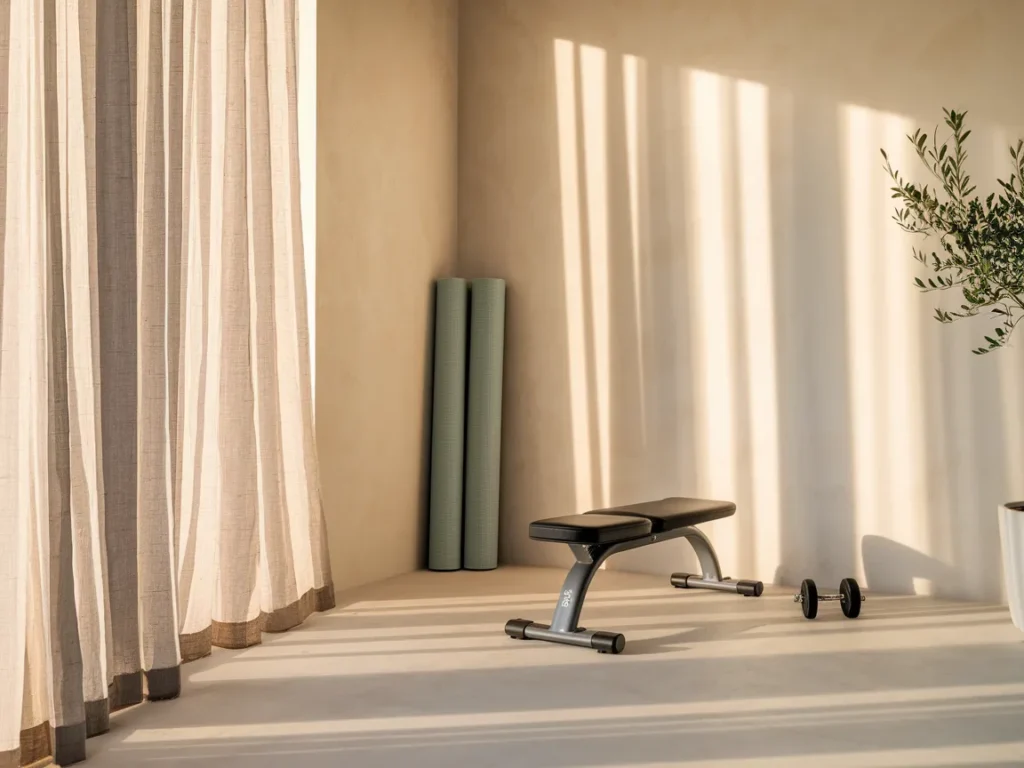
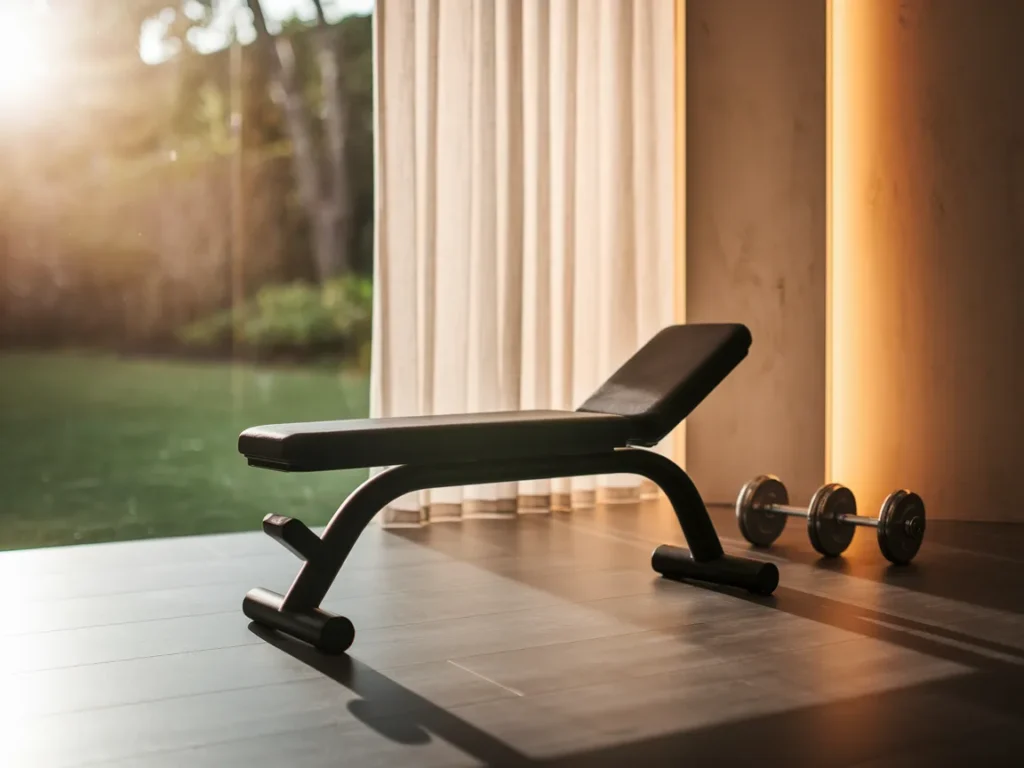
A small bench or step platform adds more exercise options. It supports step-ups, incline push-ups, seated presses, and core work. A compact bench also works for dumbbell workouts without needing large equipment.
Choose a bench that feels stable and easy to store. Foldable benches work well for small rooms. A step platform also works as a simple low-storage tool with high training value.
Add A Smart Timer And Workout Clock
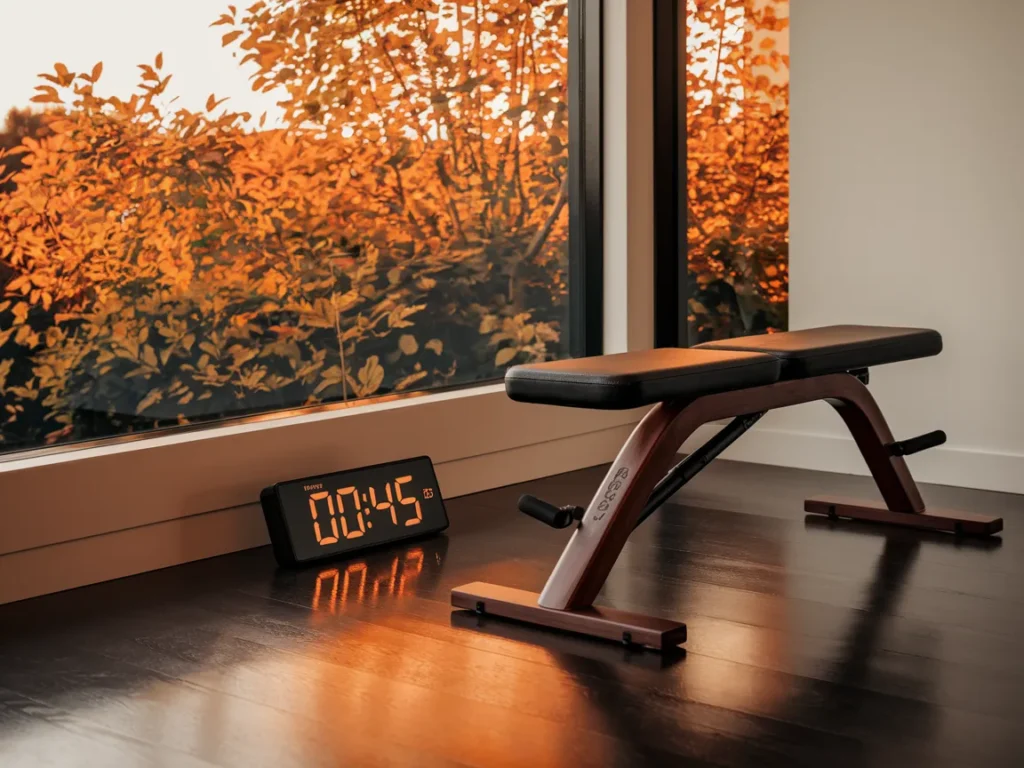
A smart timer and workout clock improves workout structure. Timers help with intervals, rest periods, and steady pacing. A visible clock also helps keep training consistent without checking a phone often.
Use a wall timer, digital clock, or a small desk timer near the workout area. Keep it easy to see during training. Timed workouts feel smoother when the gym supports rhythm and flow.
Use A Tablet Stand For Training Videos
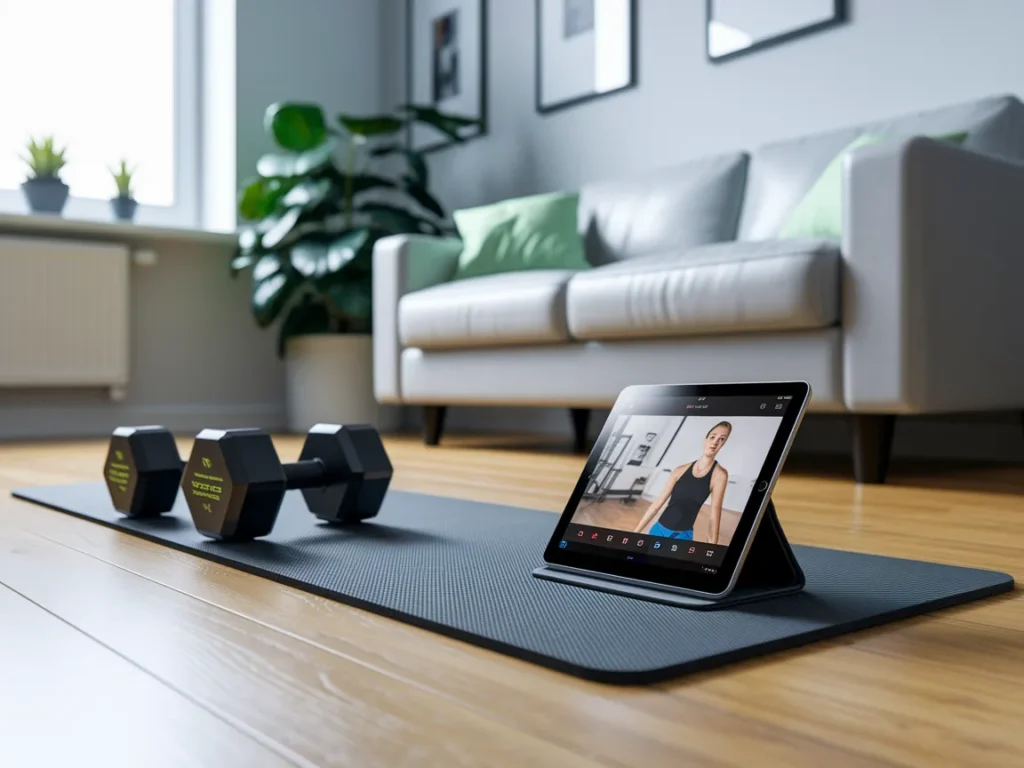
A tablet stand supports guided workouts without holding a device in your hands. Training videos help with form, pacing, and exercise variety. A stand keeps the screen at eye level and prevents neck strain during movement.
Use a stable stand that stays firm during exercise. Place it far enough from the mat to avoid kicks or drops. A tablet stand adds structure to the mini gym and helps keep sessions consistent.
Add A Mini Fan For Cooling
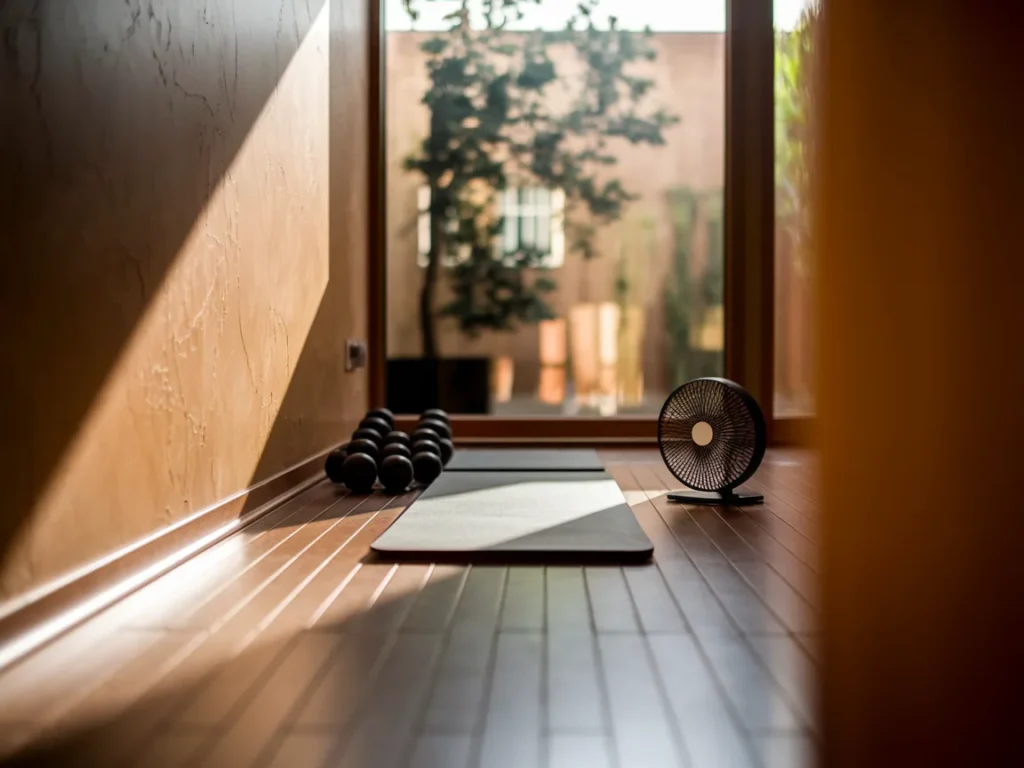
A mini fan improves comfort during workouts by supporting airflow. Cooling reduces sweat buildup and helps maintain steady training effort. This works well in small rooms where air can feel still.
Place the fan near the workout zone but away from cords and weights. Choose a fan with adjustable direction so airflow hits the active area. A mini fan improves workout comfort without taking much space.
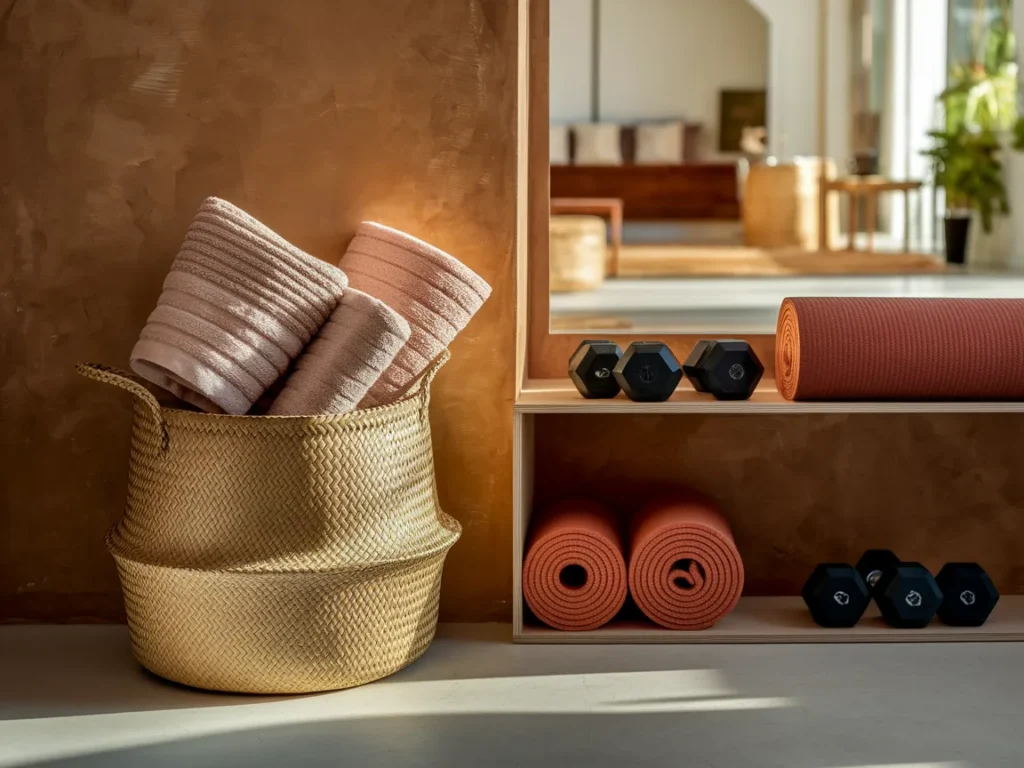
Use A Laundry Basket For Towels
A laundry basket for towels keeps the mini gym clean and ready. Towels often pile up fast after daily workouts. One dedicated basket prevents mess and keeps used items separate from clean storage.
Use a basket that fits the space and stays easy to move. Place it near the gym zone but out of walk paths. A towel basket supports hygiene and makes cleanup faster.
Add Good Lighting For Safety
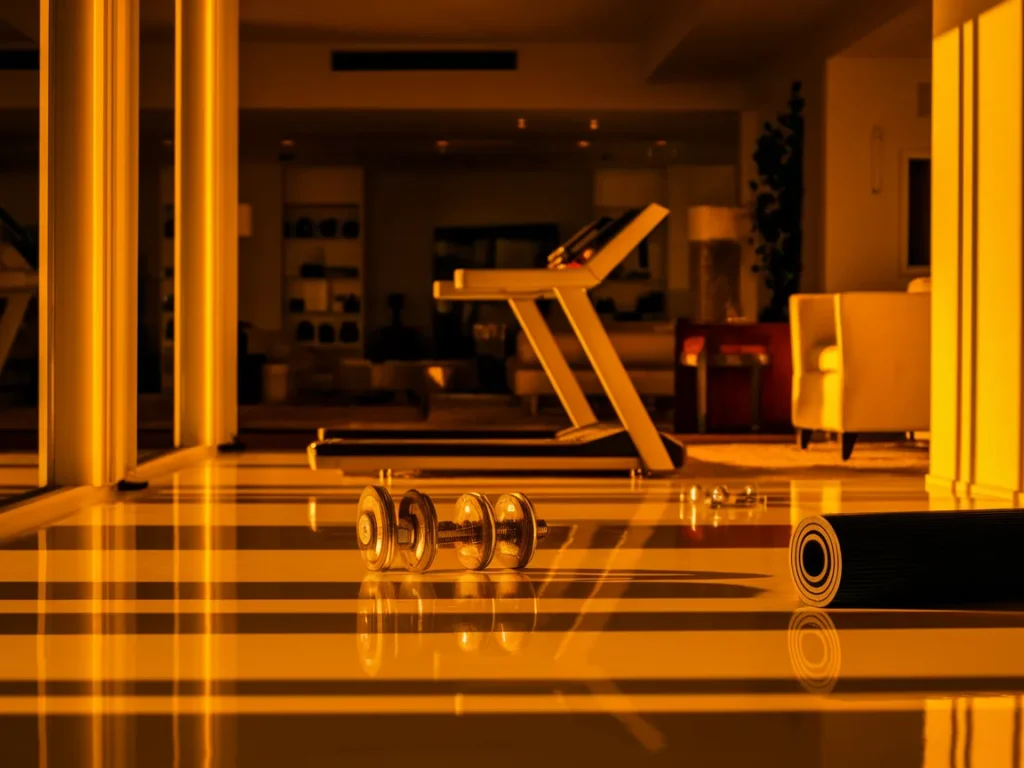
Good lighting improves safety and visibility during workouts. Bright light helps with form checks and reduces trip risks. Poor lighting hides cords, weights, and floor edges, which can cause accidents.
Use overhead light plus one extra light source if needed. Wall lights or floor lamps can help, but keep cords secured. Strong lighting makes the mini gym feel more active and easier to use anytime.
Final Mini Gym Layout Rule
The final mini gym layout rule keeps the space usable long term. Keep one clear workout zone, one storage zone, and one recovery zone. This prevents equipment from spreading into the rest of the room.
Store items right after each session. Keep walk paths clear and avoid stacking gear on the floor. A mini gym works best when the setup stays simple, repeatable, and easy to reset.
Image Prompt: Fully organized mini home gym with defined zones for workout, storage, and recovery, clean layout, realistic indoor photography
Frequently Asked Questions
How Much Space Do I Need For A Mini Gym At Home?
A mini gym can fit into a small open area as long as the floor allows safe movement. A space that fits a workout mat plus arm reach works for most bodyweight and dumbbell exercises. The key is clear floor space, not room size. Wall storage and compact equipment help keep the workout area open. When the gym zone stays defined and gear stays stored, even shared rooms can support daily training without clutter.
What Equipment Works Best For A Small Home Gym?
Small home gyms work best with adjustable tools that replace many items. Adjustable dumbbells save space compared to full weight racks. Resistance bands add many exercise options and store easily. A kettlebell supports both strength and cardio style training. A jump rope provides fast cardio with no machine needed. Adding a small bench or step platform expands exercise variety without taking much room.
How Do I Keep A Mini Gym From Getting Messy?
A mini gym stays clean when storage rules stay simple and consistent. Use one main storage spot like a wall rack or rolling cart. Place each item back after every workout. Keep small items grouped in bins to prevent scattered clutter. A weekly reset helps by wiping surfaces, checking gear placement, and removing unused items. The gym stays usable when the setup feels quick to reset.
Can A Mini Gym Work Without Heavy Machines?
Yes, heavy machines are not required for effective workouts. Strength training works well with dumbbells, kettlebells, and bands. Cardio can come from jump rope sessions, step work, or fast intervals using bodyweight moves. Mobility and recovery tools like a foam roller improve training comfort without machines. A mini gym works when the layout supports consistent use and equipment matches your routine.
Final Thoughts
A mini gym at home works best when space stays clear, equipment stays compact, and storage stays simple. The most useful setups rely on a defined workout zone, a small set of adjustable tools, and a quick reset routine after each session. Lighting and airflow improve safety and comfort. Small tools like bands, kettlebells, and a jump rope add variety without crowding the room. When the mini gym stays organized and easy to use, training becomes consistent and the space stays functional every day.