

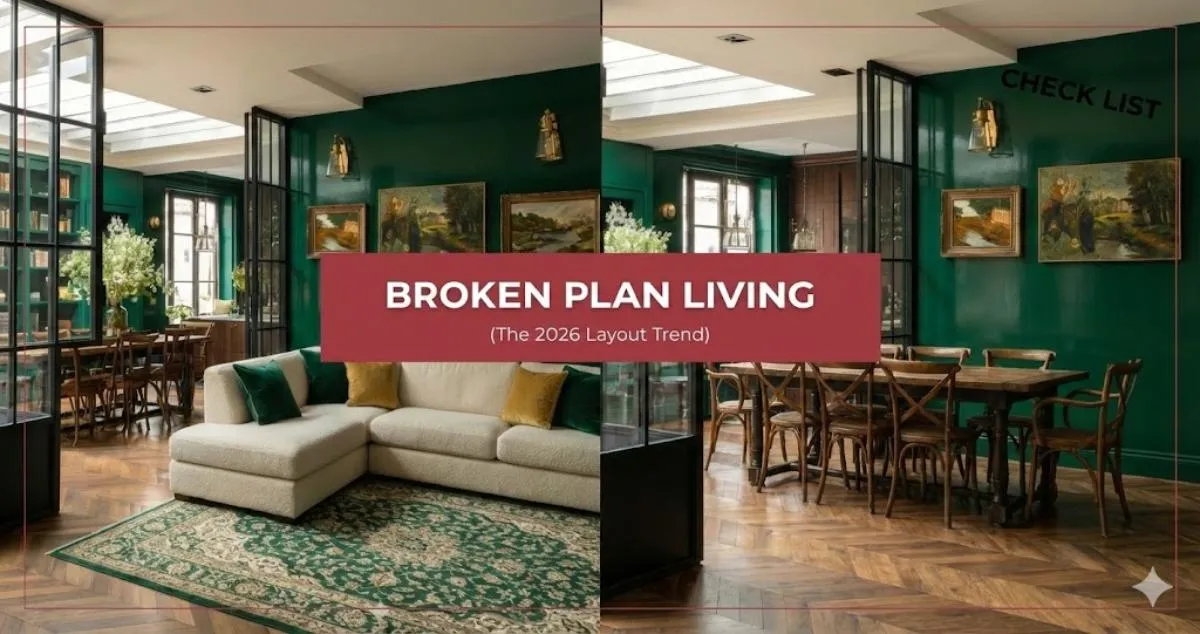
Broken plan living replaces open concept layouts because homes need light, structure, and privacy at the same time. Open layouts remove walls but also remove control over noise, smells, and visual focus. Broken plan layouts keep open flow while adding defined zones that support daily living in modern homes.
The Core Problems With Open Plan Living
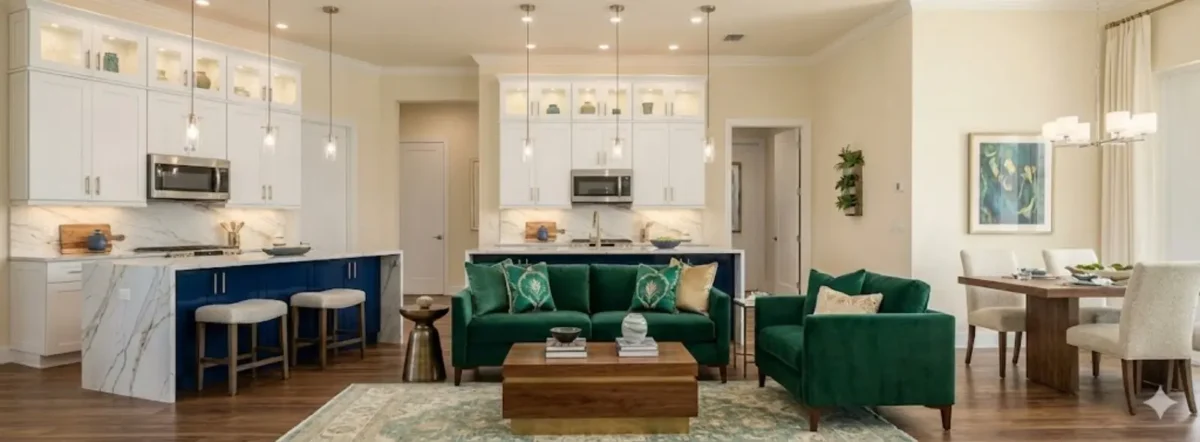
Open plan living causes sound spread, smell spread, and privacy loss across shared spaces. Without barriers, noise from kitchens, televisions, and calls travels through the entire home. This reduces focus and increases daily stress.
Cooking smells move freely in open layouts. Food odors settle into rugs, sofas, and curtains. Even light cooking smells remain longer because air flow lacks control.
Privacy also drops. Work, rest, and social activity share one visible space. This constant exposure prevents mental separation between tasks and reduces comfort during long indoor hours.
Why Open Plan Layouts Fail Over Time
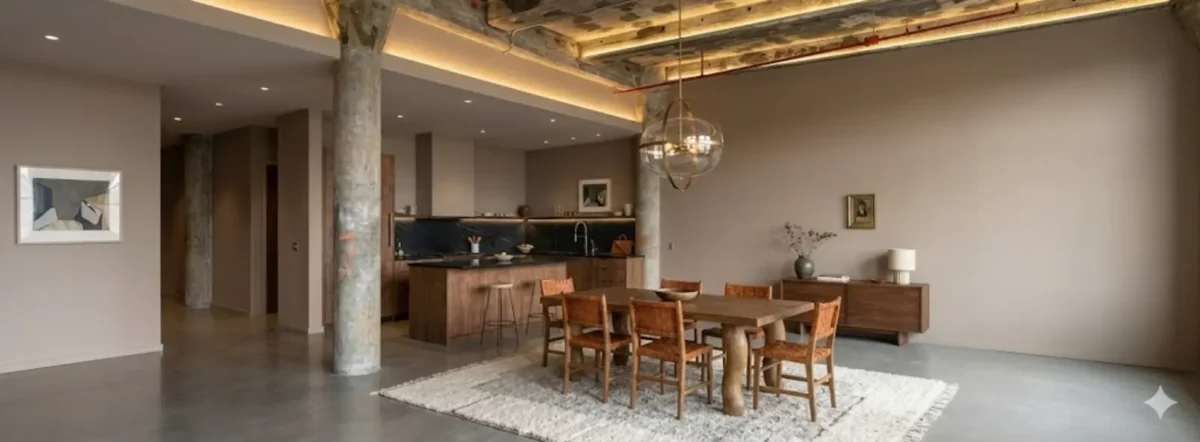
Open plan layouts fail long term because one space cannot support many daily functions. Homes now support work, study, cooking, and rest within the same day.
Remote work increases demand for quiet zones. Children need study areas. Adults need focus areas. Open layouts lack sound control and visual breaks for these needs.
Clutter exposure adds pressure. Kitchen mess stays visible from living areas. This visual load increases mental fatigue. Broken plan layouts reduce this by limiting sightlines.
What Broken Plan Living Means
Broken plan living uses partial separation to define zones while keeping light and movement. These layouts avoid full walls and instead use physical and visual dividers.
Each zone holds a clear role. Kitchens stay active. Living areas support rest. Dining areas feel intentional. Zones connect visually but remain functionally separate.
This layout supports modern routines without isolation.
How Broken Plan Layouts Keep Homes Bright

Broken plan layouts keep brightness by allowing light to pass through dividers. Open shelving allows daylight through gaps. Glass partitions allow full light transfer. Floor level changes avoid light blockage.
Natural light moves across zones instead of stopping. This improves visual comfort and reduces reliance on artificial lighting.
Lighting control also improves. Each zone supports its own lighting needs without affecting others.
Broken Plan Living As The 2026 Layout Trend
Broken plan living matches 2026 home needs for control, focus, and flexibility. Homes must support multiple roles each day without chaos.
Design trends favor calm interiors with defined purpose. Broken plan layouts reduce echo, visual overload, and clutter exposure. These features support long-term comfort.
Builders now prioritize adaptable layouts. Broken plan designs allow future changes without major structural work.
Using Shelving Units As Soft Dividers
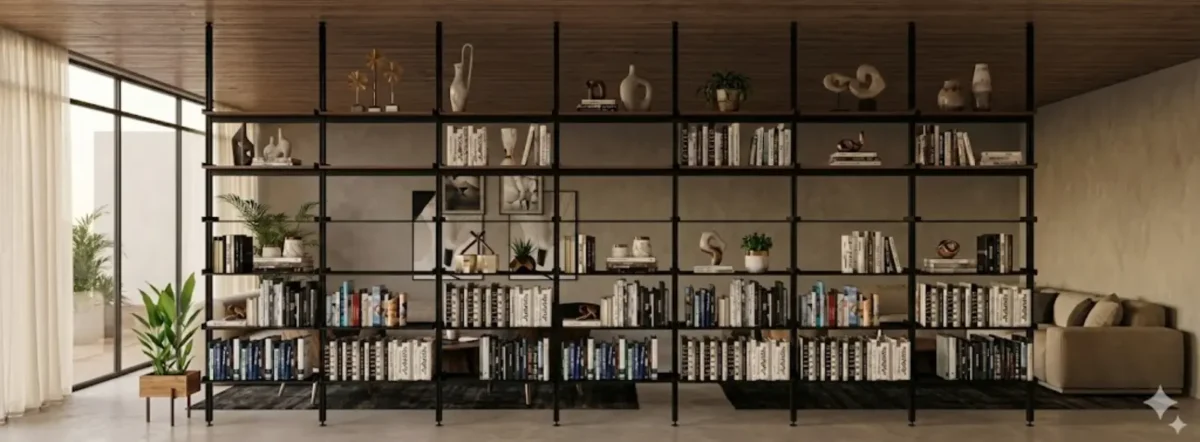
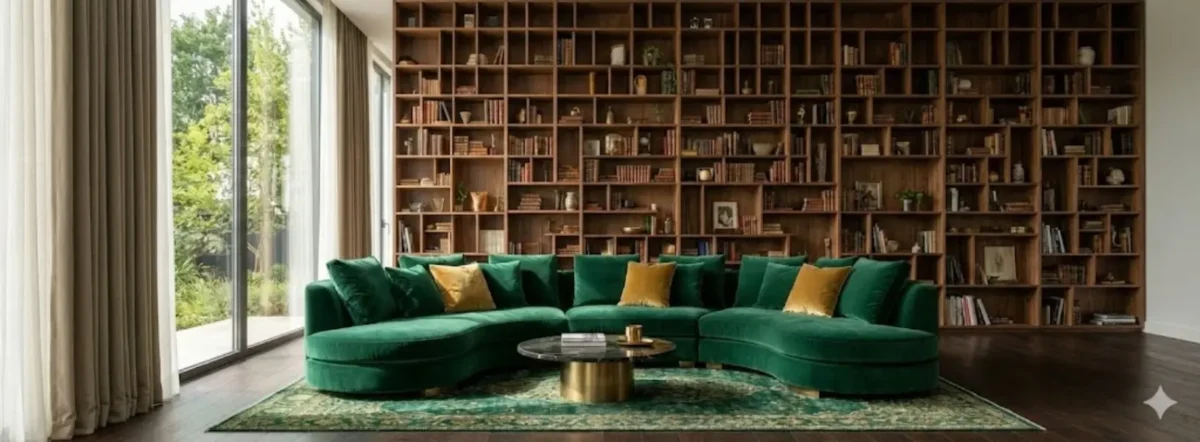
Shelving units divide space while keeping airflow and daylight movement. Open shelves separate zones through structure rather than solid mass.
Bookshelves between living and dining areas reduce noise flow while keeping visual connection. Light passes through shelf openings, which keeps rooms bright.
Shelving also adds storage and display space. Books, plants, and decor soften the divider and make it feel intentional.
Shelving Design Features That Support Zoning
Open-backed, floor-anchored shelves support clear separation without ceiling blockage. Proper height defines space without sealing it.
Wood shelves add warmth. Metal frames add structure. Neutral tones reduce visual weight. Shelf placement should protect walking paths and furniture flow.
Balanced spacing protects light flow and prevents visual heaviness.
Glass Partitions In Broken Plan Homes
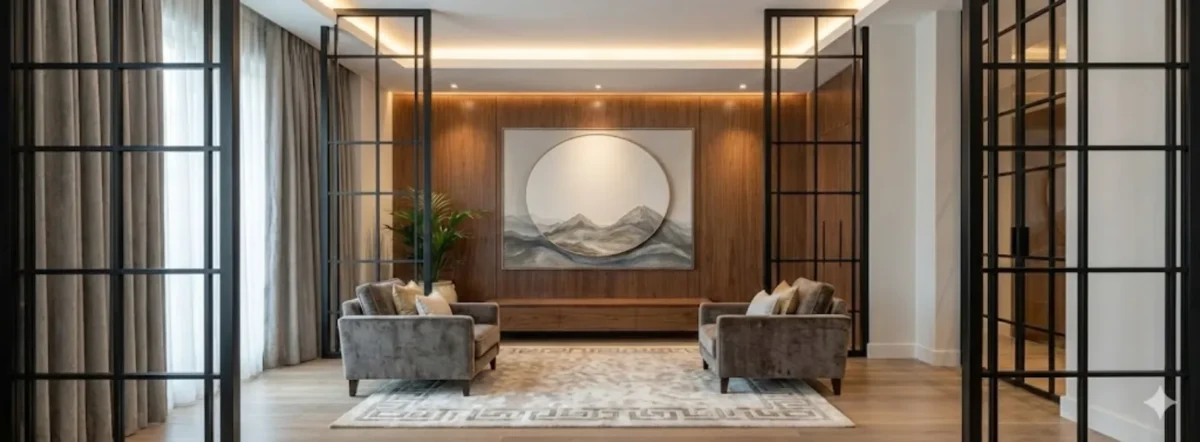
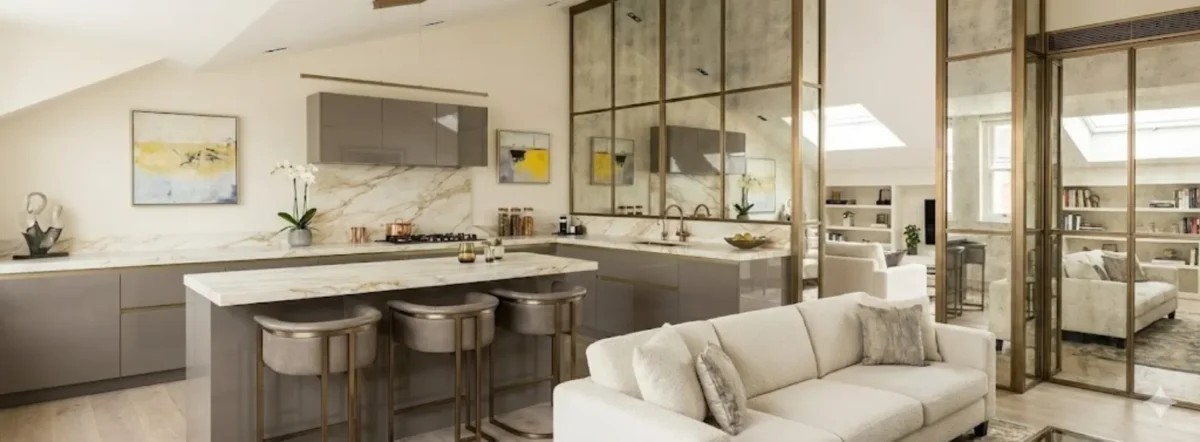
Glass partitions create real separation while keeping full visual access. These partitions block sound and cooking smells while allowing light movement.
Glass works well between kitchens and living areas. Cooking stays contained. Visual connection remains intact. This balance supports shared living without disruption.
The brain reads the glass boundary as separation even with full visibility.
Why Crittall-Style Glass Works
Slim metal frames define zones without visual bulk. Thin lines guide the eye and create structure.
Frames break large areas into readable sections. This improves orientation and comfort. Sliding or pivot doors add flexibility for open or closed use.
Zoning With Rugs And Floor Levels
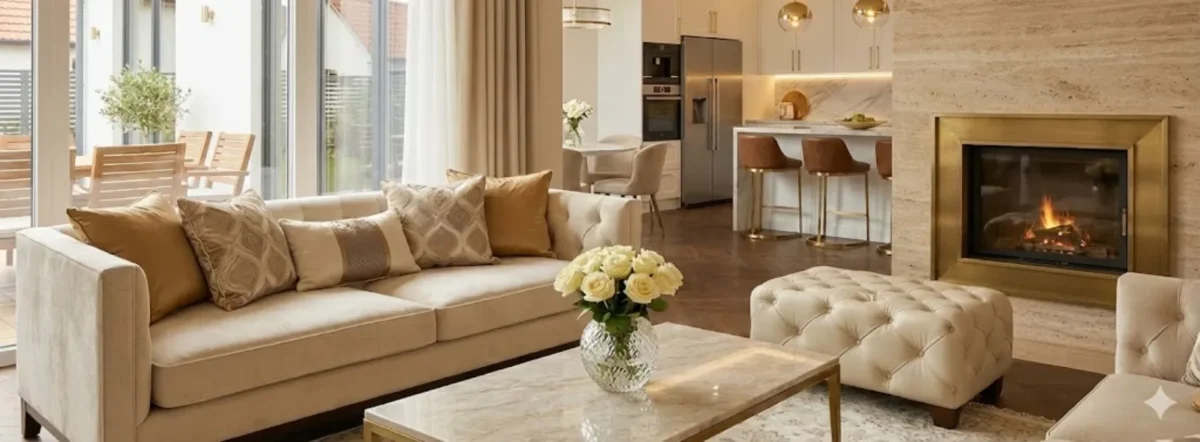
Rugs define zones by changing texture and boundary perception. Large rugs anchor furniture groups and signal area purpose.
A rug under seating defines the living zone. A separate rug under dining furniture defines eating space. The floor communicates zone change without walls.
Floor level changes define zones through height difference. Sunken living areas or raised dining platforms create separation without blocking light.
The brain reads height shifts as zone changes, which improves spatial clarity.
Furniture As Functional Space Dividers
Furniture divides space by directing movement and sightlines. High-back sofas block direct views between zones. Console tables anchor boundaries.
Furniture-based zoning feels natural because each item serves daily use. This reduces the need for added structures.
Placement must support movement and zone purpose.
Furniture Types That Work Best
Tall-backed seating and long consoles create soft but clear separation. These items define space while keeping openness.
Examples include:
- High-back sofas between living and dining areas
- Console tables placed behind seating zones
These pieces guide layout without blocking light or flow.
Noise Control In Broken Plan Layouts
Broken plan layouts reduce noise by interrupting sound paths. Shelves, rugs, glass, and furniture absorb and redirect sound.
Partial barriers prevent sound stacking. Echo reduces. Speech clarity improves. This supports focus and rest.
Managing Cooking Smells With Broken Plan Design
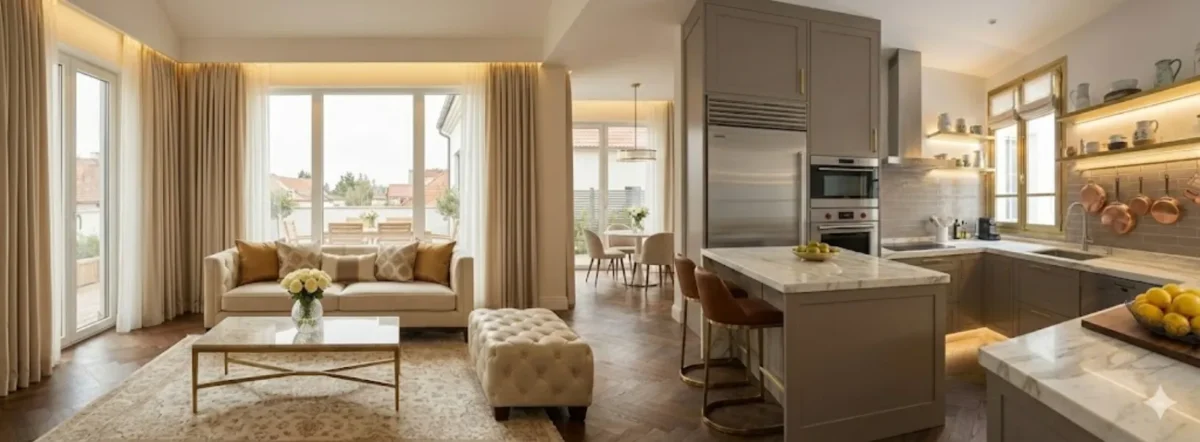
Broken plan layouts slow smell spread through zone containment. Glass partitions and layout breaks limit air movement.
Ventilation works more effectively. Odors stay near the source. Living areas remain fresh longer.
This improves hygiene and daily comfort.
Broken Plan Living In Small Homes
Broken plan living works well in small homes because zones add order without shrinking space. Full walls often make small homes feel tight. Broken plan methods create structure while keeping openness.
Small homes benefit from visual separation. Clear zones help each area feel useful instead of crowded. Even small dividers guide movement and reduce visual noise.
Broken plan layouts help small homes feel organized rather than busy.
Best Zoning Tools For Small Spaces
Lightweight dividers support zoning without blocking movement or light. Open shelving, rugs, and furniture placement work better than fixed walls.
Glass partitions also suit small homes. They block sound while keeping sightlines open. This keeps rooms bright and connected.
Floor level changes work less often in small homes, but subtle texture changes still help.
Broken Plan Living In Large Homes
Large homes benefit from broken plan layouts because zones add warmth and scale. Very open spaces can feel empty or hard to use.
Zoning creates intimacy. Living areas feel cozy. Dining spaces feel purposeful. Kitchens feel contained without isolation.
Large homes often combine multiple zoning methods. Shelving divides one area. Glass separates another. Rugs anchor seating groups.
Preventing Large Spaces From Feeling Fragmented
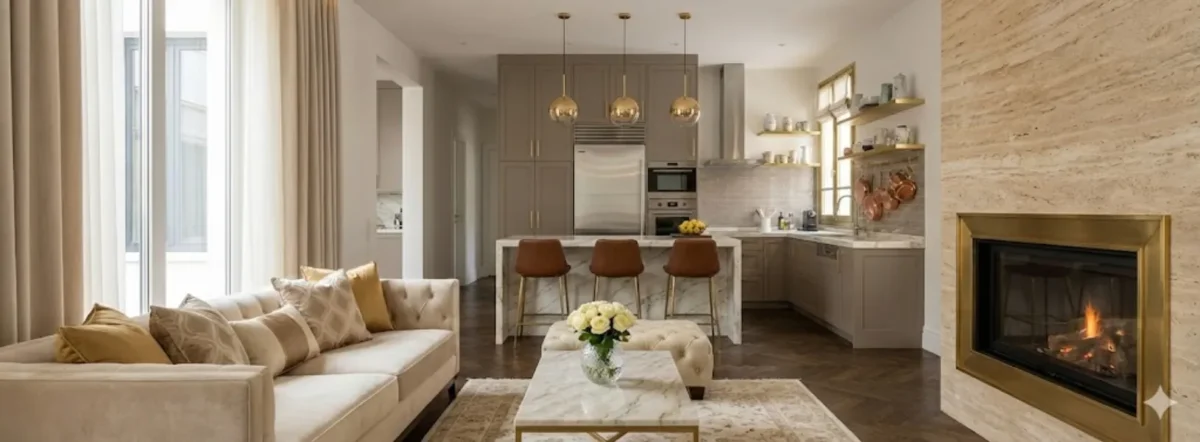
Consistent materials and sightlines keep zones connected. Using similar flooring, wall colors, or ceiling heights helps maintain flow.
Zones should feel linked, not isolated. Clear views between areas support cohesion.
Broken plan layouts succeed when balance stays consistent across the space.
Comparing Open Plan And Broken Plan Layouts
Broken plan layouts provide control that open plan layouts lack. Open plans focus on space size. Broken plans focus on space use.
Open plans allow full visibility. Broken plans allow selective visibility. This difference affects comfort, noise, and focus.
Broken plans also support change. Zones adapt as needs change. Open plans remain fixed in function.
Planning A Broken Plan Renovation
Broken plan renovations start with function mapping. Each area needs a clear role before dividers are chosen.
Kitchen activity zones need smell and noise control. Living zones need calm. Work zones need focus.
After roles are clear, divider types match the need.
Step Order For Planning
Layout planning comes before material selection. Flow, movement paths, and sightlines guide divider placement.
Shelving works where storage helps. Glass works where light must stay strong. Rugs work where furniture groups exist.
This order prevents design conflict.
Budget-Friendly Broken Plan Solutions

Broken plan layouts do not require large budgets. Many zoning tools use furniture and decor rather than construction.
Rugs define zones at low cost. Open shelving units replace walls without permits. Furniture placement shifts space without build work.
Small changes often create large improvements in comfort.
Common Broken Plan Mistakes To Avoid
Poor divider placement breaks flow instead of improving it. Dividers placed across walkways block movement.
Overuse of dividers creates clutter. Too many zones confuse rather than help.
Lack of repetition also causes issues. Zones need clear visual signals that repeat.
How Broken Plan Layouts Support Long-Term Living
Broken plan layouts adapt better to lifestyle change. Zones shift roles as needs change.
A dining zone becomes a work zone. A living zone becomes a study area. The layout still functions.
This flexibility protects long-term home value.
Why Broken Plan Living Will Last Beyond 2026
Broken plan living solves functional problems, not style trends. Noise control, smell control, and focus needs will remain.
Homes will continue to serve multiple roles. Layouts must support this reality.
Broken plan living balances openness with structure. This balance supports long-term comfort.
Featured Asked Questions
Broken plan living replaces open layouts by keeping light while adding zones that control noise, smells, and privacy. Shelving, glass, rugs, levels, and furniture define space without full walls.
What Is Broken Plan Living?
Broken plan living uses partial dividers to create zones while keeping light and visual flow.
Is Broken Plan Better Than Open Plan?
Broken plan layouts offer more noise control, privacy, and focus than open plans.
Does Broken Plan Living Reduce Noise?
Broken plan layouts reduce noise by interrupting sound paths with soft and hard dividers.
Can Small Homes Use Broken Plan Layouts?
Small homes benefit from broken plan zoning through shelves, rugs, and furniture placement.
Final Thoughts
Broken plan living replaces open concept layouts because modern homes need structure without isolation. Shelving, glass, rugs, levels, and furniture create clear zones while keeping light and movement. This layout supports focus, comfort, and flexibility. Broken plan living meets real daily needs and remains practical beyond 2026.

