

Painting your ceiling the right way can make a room look taller, lighter, and more open without changing the structure. Color placement, paint finish, and how the ceiling blends with the walls all affect how tall a space feels. When done right, ceiling paint tricks can visually lift a room and make it feel more comfortable and breathable. In this guide, you will learn how ceiling paint works on the eye, which colors help most, how to avoid common mistakes, and how to apply paint in a way that makes rooms feel higher instead of heavier.
Why Ceiling Height Feels So Important
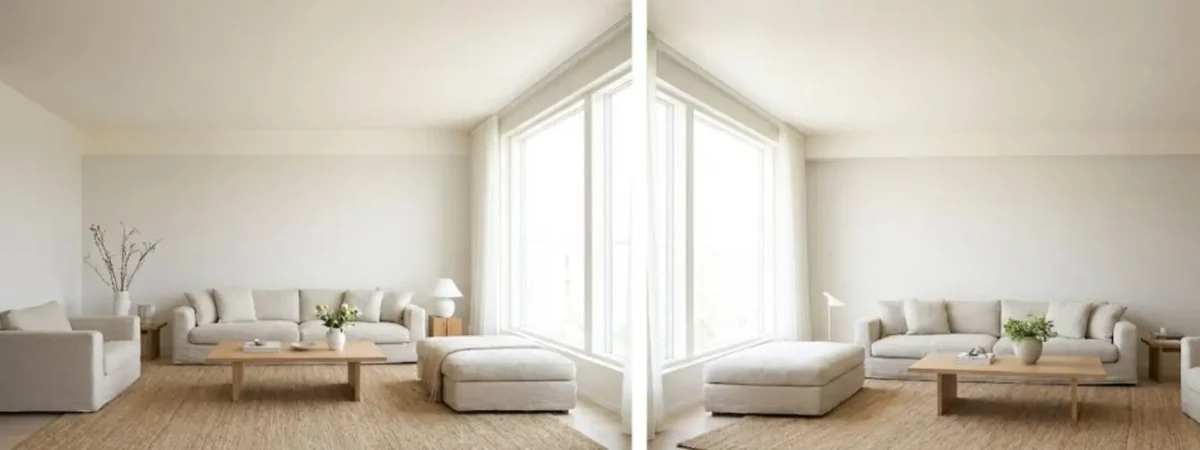
Ceiling height affects comfort more than most people realize. A low ceiling can make a room feel tight, heavy, or even stressful. People often describe low rooms as cramped, boxed in, or hard to relax in. This feeling happens because our eyes and brain read space very quickly. When the ceiling feels close, the brain reacts by feeling closed in, even if the room is wide.
Paint changes this reaction. Light, placement, and contrast all guide how the eye moves. When paint helps the eye move upward, the ceiling feels farther away. When paint stops the eye too early, the ceiling feels low. This is why the same room can feel very different after a simple paint change, even when nothing else changes.
Ceiling paint works on perception, not measurements. You are not raising the ceiling. You are guiding the eye so the brain believes the space is taller. Once you understand this idea, the rest of the techniques make much more sense.
How The Eye Reads Height In A Room
Why Contrast Matters
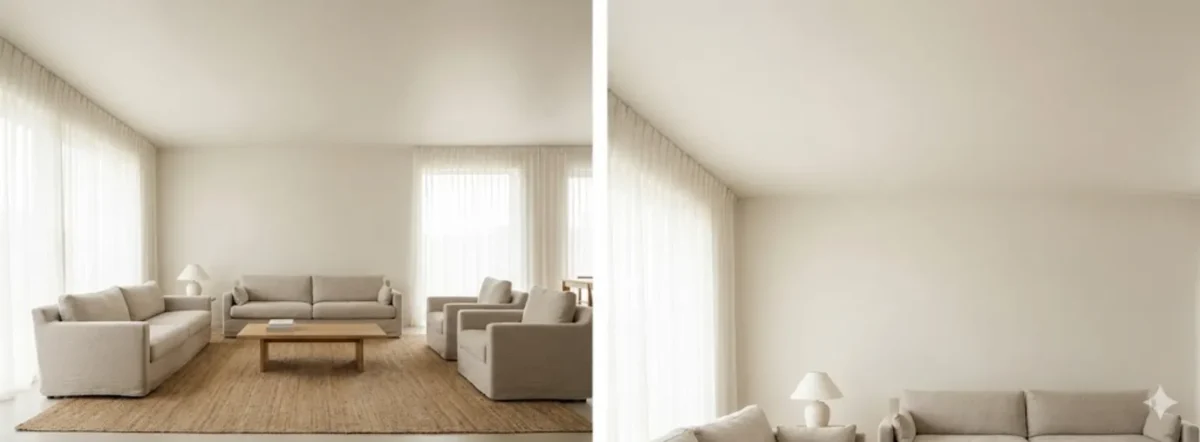
The eye notices contrast first. Where one color stops and another begins tells the brain where surfaces end. When walls are dark and the ceiling is much lighter, the ceiling feels higher because the contrast pushes it upward. When walls and ceilings are close in color, the line between them softens, and the ceiling feels less defined and more distant.
Hard contrast lines, especially dark ones, pull the ceiling down visually. This is why dark trim, dark crown molding, or dark ceiling paint can shrink a room. Soft contrast allows the eye to glide upward instead of stopping suddenly.
How Light Reflection Changes Perception
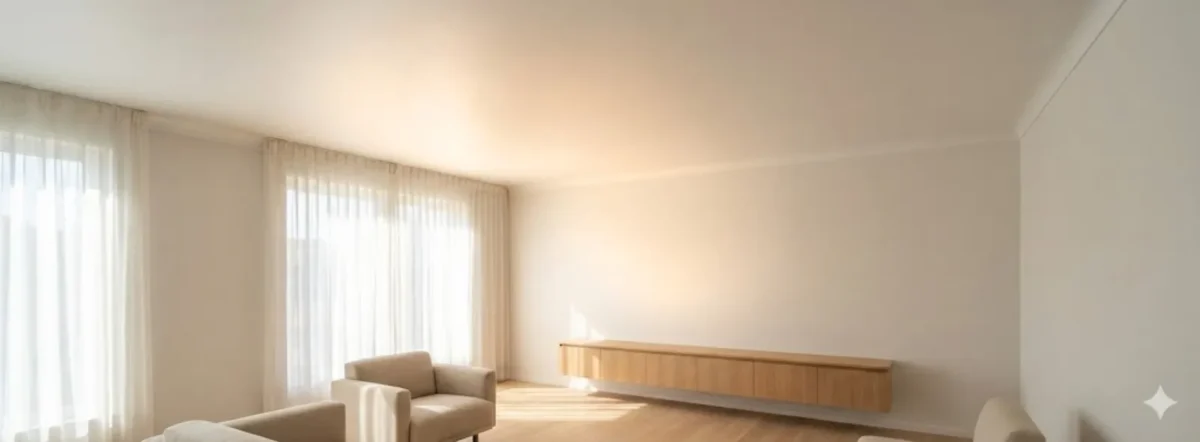
Light colors reflect more light. When light bounces around a room, surfaces feel farther away. Dark colors absorb light, which makes surfaces feel closer. Ceilings benefit more from reflection than walls do because they sit above the eye line.
When a ceiling reflects light well, it feels open and lifted. When it absorbs light, shadows form, and the ceiling feels lower. This is why even small changes in ceiling color can change how tall a room feels.
Vertical Movement And Visual Flow
The eye likes to follow lines. Vertical movement tells the brain to look up. Horizontal movement tells the brain to stay level. Paint can create or block this movement.
When paint helps the eye move upward from floor to wall to ceiling, the room feels taller. When paint creates strong horizontal breaks, the eye stops, and the ceiling feels closer. Good ceiling paint design removes obstacles and helps the eye travel upward easily.
Choosing The Right Ceiling Color
Why White Ceilings Often Work Best
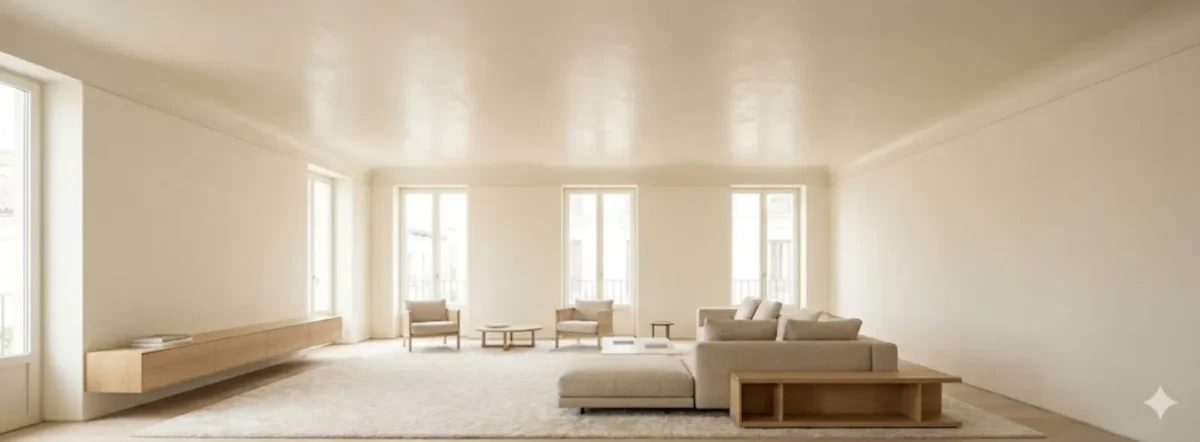
White ceilings are popular for a reason. White reflects the most light and creates the strongest sense of openness. In most rooms, white ceilings feel higher than any other color.
White also reduces shadows. Fewer shadows mean fewer visual cues that tell the brain the ceiling is close. This creates a floating effect, where the ceiling feels lighter and less solid.
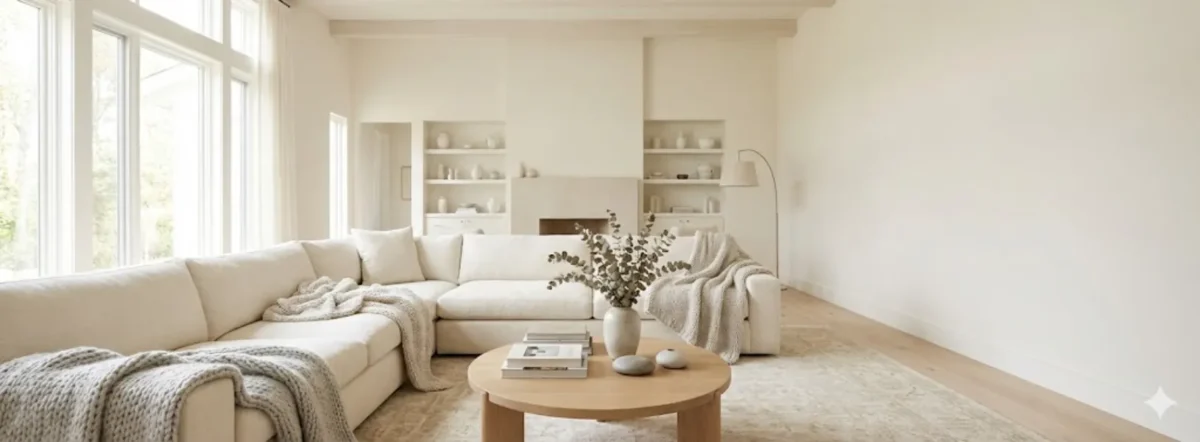
Not all white is the same. Bright white works well in rooms with lots of natural light. Soft white or warm white works better in rooms with low light. The goal is brightness without glare.
Light Colors That Also Increase Height
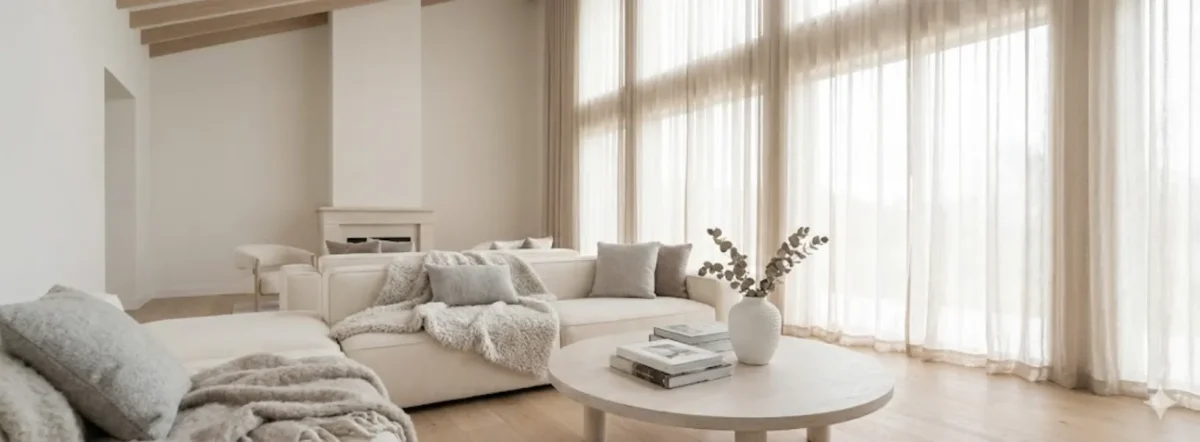
White is not the only option. Very light gray, pale blue, soft cream, and light beige can also lift a ceiling if used correctly. These colors add warmth or personality while still reflecting enough light.
The key is keeping the ceiling lighter than the walls. Even a small difference matters. If the ceiling is only one shade lighter, it can still feel higher. If it is darker, the effect is lost.
Light color ceilings work well in bedrooms and living rooms where comfort matters as much as openness. They soften the space while still helping with height.
Why Dark Ceilings Lower A Room
Dark ceilings absorb light and pull the eye downward. They create the feeling of weight above your head. This can be cozy in rooms with very high ceilings, but it works against height in low rooms.
In rooms with standard or low ceilings, dark paint makes the ceiling feel closer. The room can feel shorter even if the walls are tall. If the goal is height, dark ceilings should be avoided.
Matching Ceiling Paint With Wall Paint
Keeping The Ceiling Lighter Than The Walls
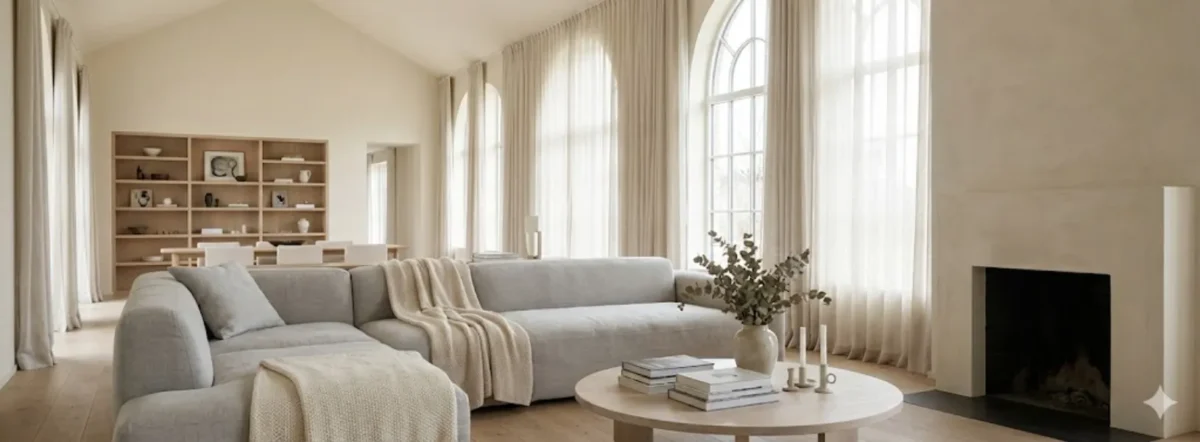
This is one of the most effective and easiest tricks to make a room look taller. When the walls are darker and the ceiling is lighter, the ceiling appears farther away.
This contrast creates a visual lift. The walls push upward, and the ceiling floats above them. Even neutral walls can benefit from a slightly brighter ceiling.
This method works well in living rooms, bedrooms, and dining areas. It is simple, safe, and effective.
Using The Same Color In Different Shades
Using the same color for walls and ceiling can also increase height if done carefully. The ceiling should be one or two shades lighter than the walls.
This removes harsh lines where walls meet the ceiling. Without a strong break, the eye moves smoothly upward. The ceiling feels less like a hard stop and more like a continuation of the space.
This technique works especially well in small rooms, rooms with awkward shapes, or rooms with sloped ceilings.
Painting Walls And Ceiling The Same Color
Painting everything one light color can make a room feel taller by removing visual breaks. When the eye does not see a clear ceiling line, the room feels more open.
This works best with light, soft colors. Dark single-color rooms can feel heavy. Light single-color rooms feel calm and tall.
This approach is helpful in hallways, small bedrooms, and attic spaces.
Paint Finish And Ceiling Height
Flat And Matte Finishes
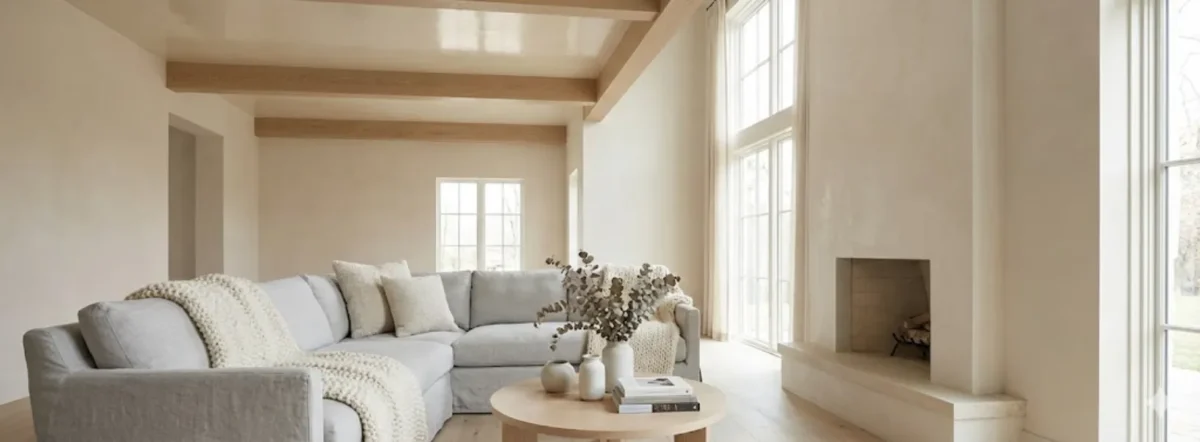
Flat and matte finishes are best for low ceilings. They reduce glare and hide surface flaws. This keeps attention on the space, not the surface.
Flat paint also reduces shadow contrast. Fewer shadows mean fewer signals that tell the brain the ceiling is close. This helps the ceiling feel higher.
Most designers recommend flat or matte finishes for ceilings, especially when height is a concern.
Satin And Semi-Gloss Finishes
Satin and semi-gloss finishes reflect more light. In some cases, this can help a ceiling feel brighter. In other cases, it can highlight bumps, seams, or texture.
If a ceiling is very smooth and well-prepared, a soft satin can work. If the ceiling has flaws, shine will draw attention and reduce the height effect.
Shiny finishes should be used carefully and only when the ceiling surface is very even.
When Glossy Ceilings Make Sense
Glossy ceilings can work in rooms with very high ceilings. They add drama and reflect light in bold ways.
In low rooms, glossy ceilings can feel heavy and distracting. They draw attention instead of lifting the space. For height-focused rooms, low-sheen finishes usually work better.
Using Paint Lines To Raise The Ceiling
Extending Wall Color Onto The Ceiling
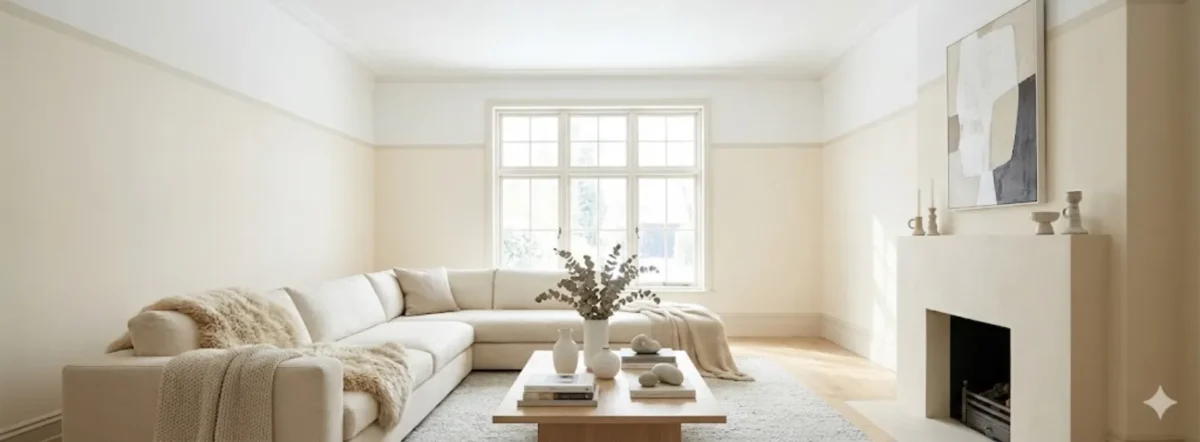
One powerful trick is to paint the top few inches of the wall the same color as the wall, not the ceiling. This pushes the ceiling line upward visually.
The eye reads the wall as taller than it really is. The ceiling appears to start higher. This works well in rooms with low ceilings and simple trim.
The effect is subtle but strong. It does not look like a trick when done carefully.
Softening The Wall-To-Ceiling Edge
Sharp edges stop the eye. Soft edges allow movement. When the transition between wall and ceiling is soft, the room feels taller.
This can be done by using similar colors or by blending tones. Even removing bright white trim can help if it cuts the wall too low.
The goal is to avoid hard visual stops near the ceiling.
Painting Trim To Match Walls
White trim can shorten walls visually. When trim matches the wall color, walls feel taller.
This works especially well in rooms with low ceilings and tall baseboards or crown molding. Removing contrast lets the eye move upward without interruption.
Matching trim is a simple change with a strong impact.
Using Vertical Paint Techniques To Increase Height

Why Vertical Direction Matters
The human eye follows direction before it notices detail. When paint guides the eye upward, the ceiling feels farther away. Vertical movement tells the brain that the room is tall, even if the ceiling height never changed. This is why rooms with tall windows or vertical design elements often feel higher than rooms with wide, flat layouts.
Paint can create this vertical movement without patterns or heavy design. Subtle shifts in color placement, smooth transitions, and thoughtful coverage all help the eye travel upward naturally. The goal is not to shout “look up,” but to gently encourage the eye to move higher without effort.
When vertical flow is smooth, the ceiling becomes part of the upward journey instead of a stopping point. This makes the room feel open and comfortable rather than closed.
Extending Wall Color Upward
One effective method is to extend the wall color slightly onto the ceiling. This can be done by painting the top two to six inches of the ceiling the same color as the walls. This technique tricks the eye into thinking the wall is taller than it really is.
The brain reads the color change as the wall still continuing. Because of this, the ceiling appears to start higher. This works best with light or mid-tone wall colors and light ceilings. The effect should feel soft, not obvious.
This method works well in bedrooms, living rooms, and older homes where ceilings are lower than modern standards. It adds height without making the ceiling stand out too much.
Avoiding Strong Horizontal Breaks

Strong horizontal breaks stop vertical movement. Thick crown molding, dark trim, or sharp color changes can cut the room visually and lower the ceiling.
If crown molding is present, painting it the same color as the walls or ceiling can help. This removes the hard break and lets the eye continue upward. If trim is dark or heavy, it may need to be lightened to support the height illusion.
The fewer hard horizontal lines near the ceiling, the taller the room will feel.
Using Stripes Carefully For Height

Vertical Stripes And Perception
Vertical stripes are often suggested to increase height, but they must be used carefully. Thin, soft stripes can gently pull the eye upward. Thick or high-contrast stripes can feel busy and distracting.
When stripes are subtle, the eye follows them upward without effort. When stripes are bold, the eye stops to analyze them, which breaks the illusion. For height, less contrast works better.
Vertical striping works best in small rooms where the walls need extra visual lift, such as powder rooms or narrow bedrooms.
Painted Panels And Soft Divisions
Instead of clear stripes, soft painted panels can create vertical movement. Painting slightly darker or lighter panels from floor to ceiling encourages the eye to move upward.
This method feels calmer than stripes and works well in rooms where you want height without strong patterns. The change should be gentle enough that it feels natural.
Panel-style painting works especially well in classic or traditional spaces.
How Lighting Works With Ceiling Paint
Natural Light And Ceiling Color
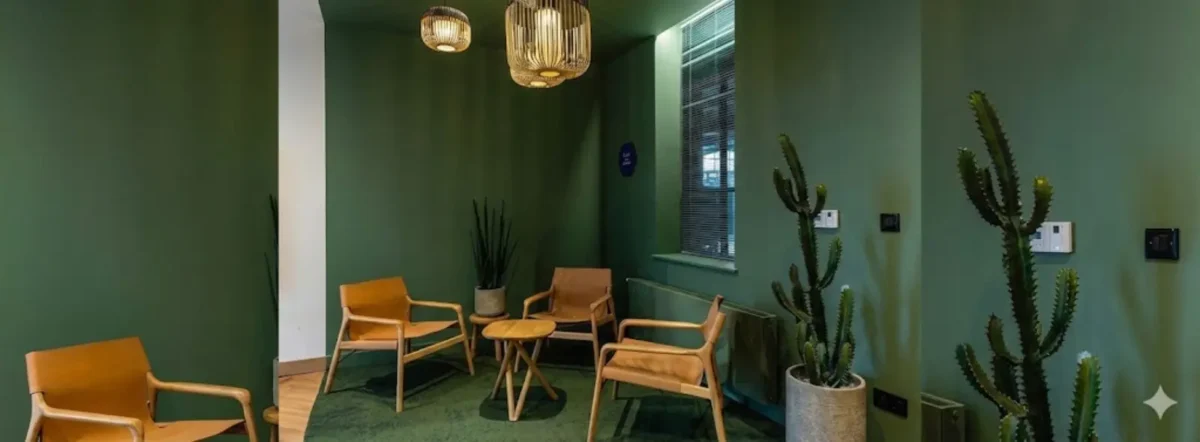
Natural light plays a big role in how ceiling paint performs. Rooms with good daylight benefit greatly from light ceiling colors because the light spreads evenly and reflects upward.
When daylight hits a light ceiling, it softens shadows and lifts the space. This makes the ceiling feel higher and less solid. Rooms with windows facing south or east often see the strongest benefit.
If natural light is limited, ceiling color still matters, but artificial lighting becomes more important.
Artificial Lighting Placement

Lighting direction affects how tall a room feels. Lights that point upward or spread light evenly across the ceiling help lift it visually.
Harsh downlights can create shadows that lower the ceiling. Soft, indirect lighting reduces shadow contrast and helps the ceiling recede visually.
Wall-mounted lights, lamps that bounce light upward, and diffused fixtures all support the illusion of height.
Avoiding Heavy Ceiling Fixtures
Large or low-hanging fixtures draw attention to the ceiling and make it feel closer. In low rooms, slim fixtures or flush mounts work better.
The less attention drawn directly to the ceiling surface, the taller it feels. Paint and lighting should work together quietly.
Painting Low Ceilings In Small Rooms
Small rooms with low ceilings can feel especially tight. Paint choices here matter more than anywhere else. Light ceilings help prevent the boxed-in feeling that often comes with small spaces.
Matching wall and ceiling colors removes visual breaks and makes the room feel taller and wider at the same time. This technique is very effective in small bedrooms, offices, and bathrooms.
Keeping details simple also helps. Busy patterns, strong contrast, and heavy trim all reduce the sense of space. Calm paint choices allow the room to breathe.
Painting High Ceilings Without Losing Comfort
High ceilings do not always feel good. Sometimes they feel cold or empty. In these cases, the goal is not height, but balance.
Slightly warmer ceiling colors can bring the ceiling closer visually without making it feel low. This adds comfort and intimacy to large rooms.
Paint choices should match how the room is used. A living room with high ceilings may benefit from warmth, while a stairwell may still benefit from height emphasis.
Room-By-Room Ceiling Paint Strategies
Bedrooms
Bedrooms should feel calm and restful. Light ceilings help keep the space open without feeling cold.
Soft whites or very light neutrals work best. Strong contrast should be avoided. The ceiling should quietly support relaxation, not demand attention.
In small bedrooms, matching wall and ceiling colors can make the room feel taller and more peaceful.
Living Rooms
Living rooms benefit from openness and light. Ceiling paint should reflect light well and support social spaces.
Light ceilings paired with slightly darker walls work well. This creates lift while still grounding the room.
In living rooms with low ceilings, avoiding heavy trim is especially important.
Bathrooms
Bathrooms often have low ceilings and limited light. Light ceiling paint helps prevent a closed-in feeling.
Moisture-safe paint is important here, but color still matters. Bright, light ceilings make bathrooms feel cleaner and taller.
Matching walls and ceilings can work very well in small bathrooms.
Hallways
Hallways easily feel narrow and low. Light ceilings and reduced contrast help open them up.
Painting walls and ceilings the same color can make hallways feel longer and taller. This reduces visual clutter and creates smooth flow.
Common Ceiling Painting Mistakes That Reduce Height
Many people accidentally lower their ceilings with paint. Dark ceiling colors are the most common mistake in low rooms.
Another mistake is using shiny paint on uneven ceilings. Shine highlights flaws and draws attention to the surface, which reduces height.
Strong contrast lines, heavy trim, and bold patterns near the ceiling all work against height. Ignoring lighting can also ruin good paint choices.
Careful planning prevents these issues and protects the height illusion.
Preparing The Ceiling Before Painting
Preparation matters more for ceilings than walls. Dust, stains, and cracks can show through paint and create shadows.
Cleaning the ceiling removes dirt that can dull light reflection. Fixing cracks and seams creates a smoother surface, which reflects light more evenly.
Primer helps create an even base and improves paint performance. Smooth, even ceilings always feel higher than uneven ones.
Tools And Techniques For Even Coverage
Using the right tools helps paint look smooth and consistent. Rollers with the correct nap prevent texture buildup.
Even strokes and proper overlap avoid patchy areas that can catch shadows. Good coverage helps the ceiling feel flat and open.
Rushing leads to uneven paint, which hurts the height effect. Slow, steady work pays off.
How Furniture And Decor Support Ceiling Height
Paint works best when furniture supports the illusion. Low-profile furniture keeps focus upward.
Tall furniture can work if spaced well, but clutter near the ceiling should be avoided. Decorations should stay lower on the walls.
Leaving space near the ceiling allows it to feel lighter and farther away.
How To Tell If Your Ceiling Looks Taller
After painting, step back and look at the room as a whole. Notice how your eye moves.
If your eye travels upward easily and the ceiling feels lighter, the paint worked. If the ceiling fades into the background, the illusion is successful.
The goal is not to notice the ceiling, but to feel more space.
Final Thoughts
Painting your ceiling to make the room look taller is about guiding the eye, not changing structure. Light colors, soft transitions, and thoughtful finishes work together to lift a space visually. When ceiling paint blends with walls, reflects light, and avoids hard stops, rooms feel open and comfortable. With patience, planning, and simple techniques, paint can turn a low ceiling into a space that feels calm, airy, and easy to live in.

