

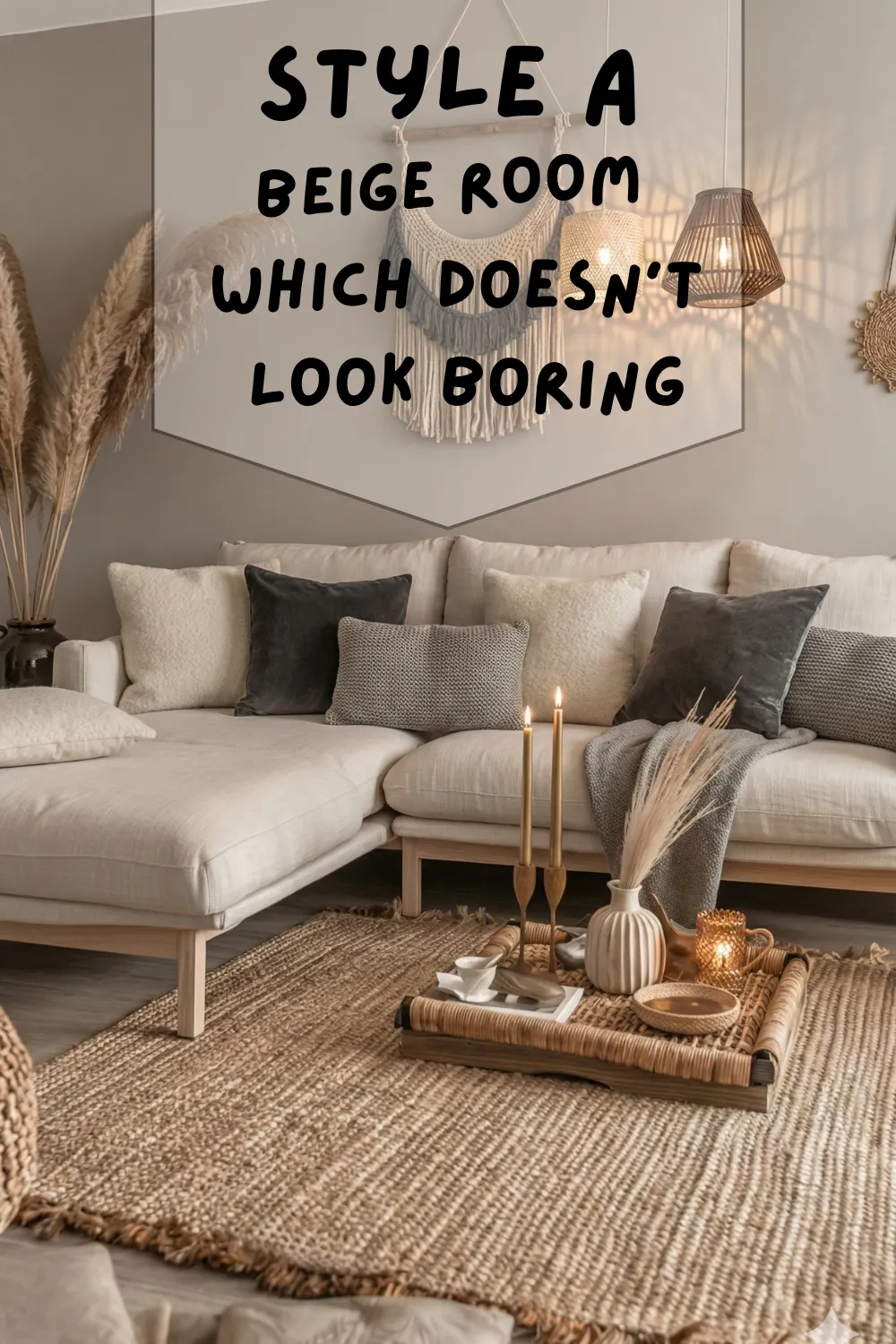
To style a beige room so it doesn’t look boring starts with adding contrast and texture. Layer different shades of beige with white, black, or earthy accents to create depth. Use textured materials like wood, linen, leather, or woven décor to add visual interest. Incorporating bold artwork, greenery, and varied lighting keeps the space warm, modern, and intentional instead of flat.
In this guide, you’ll discover how to pick the right beige tones, add texture through fabrics and materials, use accent colors that work, and choose furniture and decor that bring energy to your space. Whether you’re working with beige walls, beige furniture, or both, these tips will help you create a room that feels warm, stylish, and anything but dull.
Understanding Beige and Why It Gets a Bad Rap
Beige has been called boring for years, but that’s not really fair. The problem isn’t beige itself it’s how people use it. When a room is all one shade of beige with no contrast or texture, it can feel flat and lifeless. But beige is actually a great neutral that works with almost any color and style. Think of it as a blank canvas that’s waiting for you to add your own touch.
The color beige comes in many shades. Some lean toward gray and feel cool. Others have yellow or pink tones that feel warm. Some beige colors look more like cream or sand. Knowing which type of beige you’re working with helps you pick the right colors and textures to pair with it.
Why Beige Works as a Base Color
Beige is calm and easy on the eyes. It doesn’t shout for attention, which means it won’t get old after a few months. You can change up your decor and accent colors without repainting or buying new furniture. That’s a huge plus if you like to switch things up with the seasons or just when you feel like a change.
Another reason beige works so well is that it makes rooms feel bigger and brighter. Light beige reflects natural light, which opens up small spaces. It also creates a sense of flow when you use it in multiple rooms. Your home feels more connected and peaceful when there’s a consistent neutral running through it.
Identifying Your Beige Undertone
Take a close look at your beige walls or furniture in different lighting. Does it look more gray, yellow, pink, or green? This undertone matters because it affects which colors will look good with it. A cool beige with gray undertones pairs well with blues, greens, and other cool colors. A warm beige with yellow or pink undertones looks better with warm colors like rust, terracotta, and gold.
You can test undertones by holding up white paper or fabric next to your beige surface. The contrast will show you which direction the color leans. Once you know your undertone, you can make smarter choices about everything else in the room.
Layering Textures to Add Depth and Interest
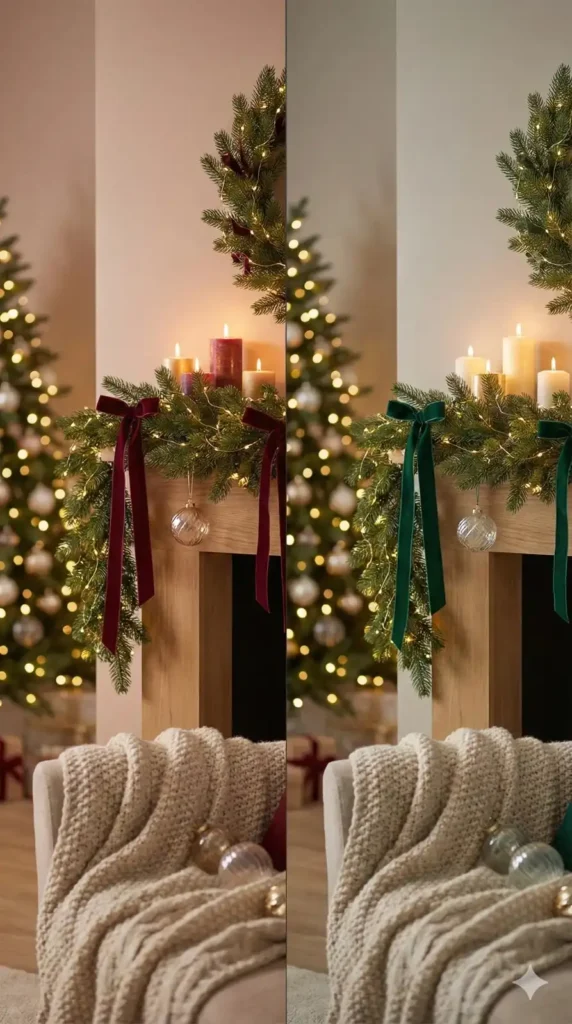
Texture is your best friend when styling a beige room. Different textures catch light in different ways, and that creates visual interest even when colors are similar. A room with smooth walls, a soft rug, nubby throw pillows, and a chunky knit blanket feels rich and inviting. A room with just smooth surfaces feels empty.
Think about all the ways you can add texture. Rugs, curtains, throw blankets, pillows, baskets, artwork, and even plants all bring different textures into a space. The goal is to mix them up so your eye has lots to explore. You don’t want everything to feel the same when you look at it or touch it.

Using Natural Materials and Fabrics
Natural materials like wood, rattan, jute, linen, and wool add warmth and character to beige rooms. A wooden coffee table brings in rich brown tones and grain patterns. A jute rug adds rough texture underfoot. Linen curtains have a relaxed, slightly wrinkled look that feels lived-in and comfortable.
These natural materials also connect your indoor space to the outdoors, which makes rooms feel more organic and less stuffy. A rattan chair or basket adds curves and movement. Wood beams or shelves bring in darker tones that ground the space. Even small touches like wooden picture frames or a woven wall hanging make a difference.
Mixing Smooth and Rough Textures
Contrast is what makes texture really pop. If everything in your room is soft and smooth, add something rough or bumpy. If everything is hard and shiny, add something soft and matte. A velvet sofa looks even more luxurious when you pair it with a rough jute rug. A sleek glass coffee table looks more interesting next to a chunky knit pouf.
You can also play with shiny versus matte finishes. A glossy ceramic vase catches light and adds a bit of glamour. Matte clay pots feel earthy and grounded. Mixing these finishes keeps things from looking too flat or too busy.
Choosing Accent Colors That Pop
Accent colors wake up a beige room and give it personality. The colors you choose depend on the mood you want and the undertone of your beige. Cool beiges work well with blues, greens, and purples. Warm beiges pair nicely with oranges, reds, yellows, and pinks. You can also go with neutrals like black, white, gray, or navy for a more subtle look.
Don’t be afraid of bold colors. One bright accent wall, a colorful piece of art, or a jewel-toned sofa can completely transform a beige room. The beige acts like a buffer, so even bold colors won’t feel overwhelming. You have more freedom to experiment than you would in a room with colored walls.

Warm Accent Colors for Cozy Vibes
If you want your beige room to feel warm and inviting, try accent colors like terracotta, rust, burnt orange, mustard yellow, or deep red. These colors have earthy, grounded vibes that make spaces feel cozy and comfortable. They work especially well in living rooms, bedrooms, and dining rooms where you want people to relax.
You can bring in warm accents through throw pillows, blankets, artwork, or an accent chair. Even small touches like orange candles or a rust-colored vase add warmth. These colors look beautiful with warm beige tones that have yellow or pink undertones.
Cool Accent Colors for Fresh Energy
Cool accent colors like navy blue, sage green, dusty blue, or soft purple give beige rooms a fresh, airy feeling. These colors work well if your beige leans cool or gray. They’re perfect for bedrooms, bathrooms, and home offices where you want a calm but energized atmosphere.
A navy blue accent wall can anchor a beige room and add drama without being too loud. Sage green plants and pillows bring in nature and make the space feel peaceful. Dusty blue curtains or bedding add softness and depth. These colors feel modern and sophisticated next to beige.
Using Black and White for Contrast
Black and white accents create strong contrast in beige rooms, which adds visual punch without adding much color. Black picture frames, light fixtures, or furniture legs make the space feel more defined and intentional. White trim, bedding, or curtains brighten things up and add crispness.
This combo works for any style, from modern to farmhouse to traditional. It’s also easy to change out if you get tired of it. You can swap black and white pillows or artwork without repainting or buying major furniture pieces.
Selecting the Right Furniture Pieces
Your furniture choices can make or break a beige room. The goal is to pick pieces that add shape, color, and personality without fighting with the beige. You want furniture that stands out enough to create visual interest but still feels like it belongs in the space.
Think about the lines and shapes of your furniture. Curved sofas and round tables soften a room and make it feel more inviting. Angular pieces with clean lines create a modern, structured look. Mixing different shapes keeps things from feeling too matchy or boring.
When to Go Bold with Furniture Color
If your walls and floors are beige, you have the perfect opportunity to bring in bold furniture. A jewel-toned sofa in emerald green, sapphire blue, or deep plum becomes the star of the room. A bright yellow accent chair adds a pop of sunshine. These statement pieces give your room instant personality.
Bold furniture works especially well if you like to keep other decor simple. The sofa or chair does all the work, and you don’t need as many throw pillows or accessories. Just make sure the color you pick works with your beige undertone and the mood you want.
Mixing Wood Tones for Warmth
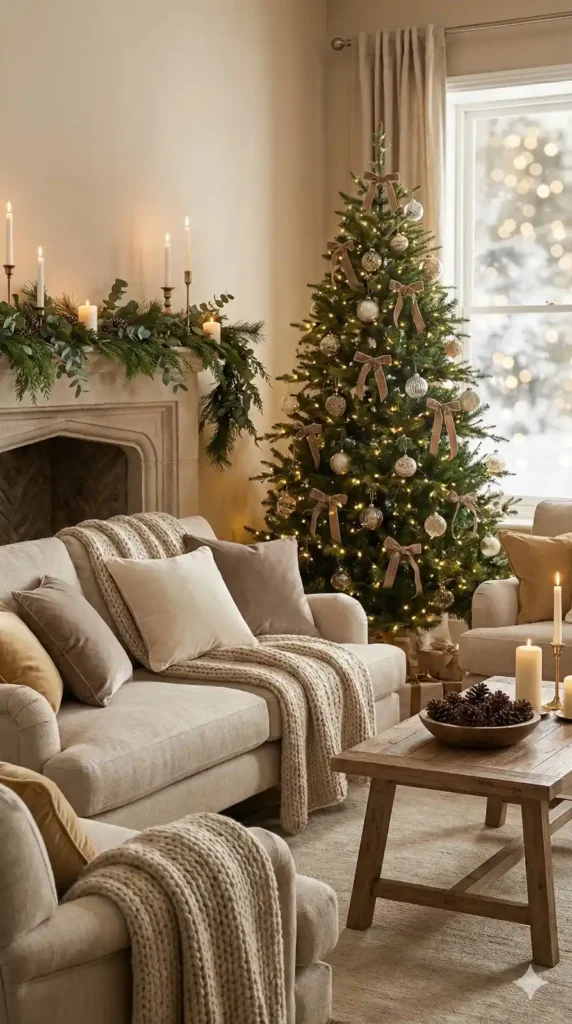
Don’t worry about matching all your wood furniture perfectly. Mixing different wood tones adds depth and makes your room feel more collected and less like a showroom. A dark walnut coffee table can sit next to a lighter oak side table without any problem. The variety creates visual interest.
Try to include at least two or three different wood tones in your beige room. This could be your dining table, chairs, shelves, picture frames, or decorative objects. The mix of light and dark woods adds warmth and keeps the beige from feeling too one-note.
The Power of Statement Furniture
One unique furniture piece can transform your entire beige room. This could be a vintage dresser with interesting hardware, a modern sculptural chair, a colorful ottoman, or an antique trunk used as a coffee table. These pieces add character and give people something to talk about when they visit.
Look for furniture with interesting details like carved wood, metal accents, unusual shapes, or bold patterns. These details catch the eye and make your room feel curated instead of generic. Even one special piece can make a huge difference.
Playing with Patterns and Prints
Patterns bring energy and movement to beige rooms. They add visual interest without requiring you to paint or make permanent changes. The key is to mix different types of patterns in a way that feels balanced, not chaotic.
Start with one main pattern that you love, then build around it. This could be a patterned rug, curtains, or throw pillows. Then add one or two smaller patterns in different scales. For example, pair a large floral print with a small geometric pattern and a simple stripe. The different scales keep them from competing.
Geometric Patterns for Modern Style
Geometric patterns like chevrons, hexagons, triangles, and abstract shapes give beige rooms a modern, graphic feel. These patterns work especially well if your style leans contemporary or minimalist. They add structure and visual interest without feeling fussy or traditional.
You can bring in geometric patterns through rugs, throw pillows, artwork, or even wallpaper on an accent wall. Black and white geometric patterns create strong contrast with beige. Colorful geometric prints add both pattern and color at once.
Floral and Organic Patterns for Softness
Floral patterns, botanical prints, and organic shapes soften beige rooms and make them feel more romantic and relaxed. These patterns work beautifully in bedrooms, living rooms, and any space where you want a calm, natural vibe. They pair especially well with warm beige tones.
Large-scale florals make a bold statement, while small ditsy prints feel more subtle and traditional. You can mix floral patterns with solid colors or pair them with stripes or geometric prints for more interest. Just make sure the colors in your patterns work with your beige undertone.
Stripes and Lines for Classic Appeal
Stripes are classic and versatile. They work with almost any style, from coastal to farmhouse to traditional. Horizontal stripes make rooms feel wider, while vertical stripes draw the eye up and make ceilings feel higher. Thin stripes feel more subtle, while bold stripes make a statement.
Use striped rugs, curtains, throw pillows, or bedding to add pattern without overwhelming your beige room. Navy and white stripes look crisp and nautical. Black and white stripes feel modern and bold. Soft gray and beige stripes add subtle texture.
Lighting Your Beige Room for Maximum Impact
Lighting changes everything in a beige room. The right lighting makes beige look warm and inviting instead of dull and flat. You need a mix of different light sources at different heights to create depth and atmosphere.
Think about three types of lighting: ambient (overhead), task (reading lamps, desk lamps), and accent (wall sconces, picture lights). Using all three types makes your room feel layered and interesting. It also lets you adjust the mood depending on the time of day or what you’re doing.
Warm vs. Cool Light Bulbs
The color temperature of your light bulbs matters more than you might think. Warm white bulbs (2700K-3000K) make beige rooms feel cozy and golden. Cool white bulbs (4000K-5000K) make beige look more gray and crisp. For most living spaces, warm white is the better choice because it makes people and rooms look better.
If your beige has cool undertones, you might want to use bulbs in the middle range (3500K) so the space doesn’t feel too yellow. Test different bulb temperatures to see what looks best with your specific beige.
Layering Light Sources
Don’t rely on just one overhead light. Add table lamps on side tables or consoles. Use floor lamps in corners to brighten dark spots. Hang pendant lights over dining tables or kitchen islands. Install wall sconces for ambient glow. This variety creates pockets of light throughout the room that feel warm and inviting.
Dimmer switches are your friend in beige rooms. They let you adjust the lighting based on your mood and the time of day. Bright light works for cleaning or working, while dimmed light creates a cozy atmosphere for relaxing or entertaining.
Using Natural Light to Your Advantage
Natural light is the best light for any room, especially beige ones. It shows off all the subtle tones and textures in your space. Keep window treatments light and airy so you don’t block the sun. Sheer curtains or light linen panels let in plenty of light while still giving you privacy.
Place mirrors across from windows to bounce natural light around the room. This makes the space feel bigger and brighter. Light-colored furniture and decor also reflect natural light instead of absorbing it.
Adding Art and Decor with Purpose
Artwork and decorative objects are the finishing touches that make a beige room feel complete and personal. These pieces show off your personality and interests. They also add color, texture, and visual focal points that draw the eye.
Don’t just hang random art or scatter decor around. Think about what each piece brings to the room. Does it add color you need? Does it balance out an empty wall? Does it mean something to you? Every piece should have a reason for being there.
Creating a Gallery Wall
Gallery walls work beautifully in beige rooms because they add lots of visual interest in one spot. Mix different frame sizes, artwork styles, and even some three-dimensional objects like small shelves or mirrors. The variety keeps things interesting without feeling messy.
You can go with a symmetrical grid layout for a more formal look, or cluster frames in an organic, salon-style arrangement for something more relaxed. Just make sure there’s a unifying element, whether that’s frame color, artwork style, or color palette.
Using Mirrors Strategically
Mirrors are magic in beige rooms. They reflect light, make spaces feel bigger, and add glamour. A large mirror over a sofa or fireplace becomes a focal point. A collection of small vintage mirrors creates an interesting display. Floor-length mirrors in corners brighten dark spots.
Look for mirrors with interesting frames that add texture or color. A gold-framed mirror brings warmth, while a black-framed mirror adds contrast. A frameless mirror feels modern and sleek.
Incorporating Plants and Greenery
Plants bring life, color, and texture to beige rooms. They add organic shapes that contrast nicely with straight lines and hard surfaces. Even if you don’t have a green thumb, there are plenty of easy-care plants that thrive indoors.
Large floor plants like fiddle leaf figs or snake plants make a statement in corners or next to furniture. Medium plants on shelves or side tables add pops of green at eye level. Small succulents grouped together create interesting displays. Hanging plants draw the eye up and add movement.
Working with Different Room Types
Every room has different needs, so how you style beige will change depending on the space. A bedroom needs to feel calm and restful, while a living room should feel inviting and social. A bathroom wants to feel clean and spa-like, while a home office needs to feel focused and energizing.
The basic principles stay the same across all rooms add texture, use accent colors, layer lighting, and include personal touches. But the specific choices you make should match the room’s purpose.
Styling a Beige Living Room
Living rooms are social spaces where people gather, so they should feel welcoming and comfortable. Start with a great sofa or sectional, either in a bold color or in beige with colorful throw pillows. Add a textured rug that anchors the seating area. Layer in different lighting with floor lamps and table lamps.
Create conversation areas where people can sit facing each other. Use a coffee table or ottoman as a central gathering spot. Add personal touches like family photos, travel souvenirs, or artwork that means something to you. Don’t forget texture through throw blankets, varied pillow fabrics, and different materials.
Making a Beige Bedroom Feel Cozy
Bedrooms should be your personal retreat, so focus on comfort and calm. Layer different bedding textures with sheets, blankets, a duvet, and throw pillows. Use soft, warm lighting with bedside table lamps instead of harsh overhead lights. Add blackout curtains if you need darkness for sleeping.
Create symmetry with matching nightstands and lamps for a balanced, peaceful feeling. Add a soft rug next to the bed so your feet hit something cozy when you wake up. Keep the color palette calming with soft accent colors like dusty blue, sage green, or warm terracotta.
Designing a Fresh Beige Bathroom
Bathrooms with beige tile or walls can feel spa-like and luxurious with the right touches. Add fluffy white towels for contrast and freshness. Bring in plants that love humidity, like ferns or pothos. Use natural materials like wooden shelving, stone soap dishes, or bamboo accessories.
Good lighting is crucial in bathrooms. Add sconces on either side of the mirror for even, flattering light. Use a bath mat with texture or color to break up beige floors. Display pretty bottles or jars instead of keeping everything hidden away.
Avoiding Common Beige Room Mistakes
Even with good intentions, it’s easy to make mistakes when styling a beige room. Knowing what to avoid helps you skip the trial and error phase and get straight to a room you love.
The biggest mistake is playing it too safe. If you’re worried about making bold choices, you end up with a room that’s all beige and nothing else. Another common mistake is adding too much of one thing—too many throw pillows, too much pattern, or too many small decorative objects that create clutter.
The All-Beige Trap
Using only beige creates a flat, one-dimensional space with no focal points or visual interest. Your eye has nothing to land on, so the room feels empty even when it’s furnished. Always add other colors, even if they’re neutrals like black, white, or gray.
Make sure you have at least three different colors in your room besides beige. This could be the color of your artwork, throw pillows, plants, or furniture. The variety gives your eye something to travel to and makes the space feel complete.
Too Matchy-Matchy
When everything matches perfectly same wood tone, same beige shade, same style rooms feel stiff and boring. Real homes should look collected over time, not ordered from one catalog. Mix different styles, materials, and time periods for a more interesting space.
Your grandma’s vintage lamp can sit next to a modern sofa. Your rustic wood coffee table can pair with sleek metal chairs. These unexpected combinations add character and make your room feel unique.
Forgetting About Scale
Using all small decor items makes rooms feel cluttered and busy. Using all oversized furniture in a small room makes it feel cramped. Pay attention to scale and mix different sizes. A large piece of artwork balances out small decorative objects. A big sofa needs a substantial coffee table, not a tiny one.
Step back and look at your room from different angles. Do things feel balanced? Is there variety in heights and sizes? Adjusting scale makes a huge difference in how comfortable and intentional a room feels.
Budget-Friendly Ways to Refresh Beige Rooms
You don’t need to spend a fortune to make your beige room look amazing. Small changes often have big impact, especially when you focus on the right areas. Start with the changes that give you the most visual bang for your buck.
Textiles like throw pillows, blankets, and curtains are relatively cheap and easy to swap out. Paint is inexpensive if you want to add an accent wall or paint existing furniture. Rearranging what you already have costs nothing and can completely change how a room feels.
DIY Projects That Make a Difference
Painting furniture is an easy DIY that transforms pieces you already own. A plain beige dresser becomes a statement piece in navy blue or emerald green. Wooden chairs get new life with a fresh coat of paint or stain. You can also reupholster dining chairs or add new cushion covers to change their look.
Create your own artwork by framing fabric, wallpaper samples, or even pages from old books or maps. Make a macrame wall hanging or create a gallery wall with family photos. These personal touches add character without costing much.
Shopping Smart for Accent Pieces
You don’t need to buy everything new. Thrift stores, estate sales, and online marketplaces have great pieces at low prices. Look for unique lamps, interesting vases, vintage artwork, or solid wood furniture you can refinish. These pieces add character and save you money.
When you do buy new, focus on a few quality pieces instead of lots of cheap items. One beautiful throw blanket or one amazing piece of art makes more impact than a bunch of small, forgettable decorations.
Final Thoughts
Styling a beige room so it doesn’t look boring is all about adding layers, contrast, and personality. Mix different textures through fabrics, materials, and finishes. Bring in accent colors that make your heart happy and work with your beige undertone. Choose furniture and decor that tell your story and reflect who you are.
Remember that beige is a gift, not a problem. It’s a neutral backdrop that lets you experiment with bold colors and patterns without commitment. You can change your accent colors with the seasons or whenever you feel like something new. The key is to not play it too safe take some risks, add some contrast, and let your personality shine through.
Start with one or two changes and see how they feel. Add a colorful throw blanket and some new pillows. Hang artwork that makes you smile. Bring in a plant or two. Small steps lead to big transformations, and before you know it, your beige room will be anything but boring.

