

Looking for ceramics pottery ideas? You’re in the right place! Whether you want to make a simple bowl or try your hand at something fancy, pottery is a fun way to create beautiful things with your hands. The best part? You don’t need to be an expert. Anyone can start making pottery today.
Pottery has been around for thousands of years. People have always loved shaping clay into useful and pretty items. Today, it’s more popular than ever. Why? Because working with clay is relaxing, creative, and good for your mental health. Studies show that pottery can reduce stress and help you feel calmer.
In this guide, we’ll share 14 ceramics pottery ideas that range from super easy to a bit more challenging. Each idea includes tips to help you succeed. We’ll also tell you what techniques work best for each project. Ready to get your hands dirty? Let’s dive in!
Why Try Ceramics Pottery?
Before we jump into the ideas, let’s talk about why pottery is worth your time. Pottery isn’t just about making stuff. It’s about the experience.
Mental Health Benefits
Working with clay does amazing things for your mind. The repetitive motions of shaping clay can feel like meditation. Your brain focuses on the task, and worries drift away. Research suggests that activities like pottery can lower stress hormones in your body.
Many people find pottery helps them feel more present. When you’re centering clay on a wheel or pinching a bowl, you can’t think about your to-do list. You’re fully in the moment. That’s a rare gift in our busy world.
A Creative Outlet for Everyone
You don’t need to be an artist to enjoy pottery. The beauty of clay is that it’s forgiving. If you mess up, you can start over. There’s no wrong way to make pottery. Each piece you create is yours alone.
Pottery also connects you to others. Taking a class lets you meet people who share your interests. Many pottery studios feel like a warm community where everyone helps each other learn.
Practical and Beautiful Results
The things you make in pottery are useful! You can drink coffee from a mug you made. You can serve dinner on plates you shaped. There’s something special about using items you created with your own hands.
Plus, handmade pottery makes wonderful gifts. A homemade vase or a custom bowl shows someone you really care. These gifts feel more personal than anything you could buy in a store.
Understanding Basic Pottery Techniques
Before you start any project, it helps to know the three main ways to build with clay. These techniques are the foundation of all ceramics pottery ideas.
Pinch Pottery
Pinch pottery is the oldest and simplest method. You start with a ball of clay. Then you push your thumb into the center. By pinching and rotating the clay, you shape it into a bowl or cup. This technique needs no tools at all just your hands.
Pinch pots are perfect for beginners. They help you learn how clay feels and moves. You’ll get comfortable with the material before trying harder projects.
Coil Building
Coil building uses long ropes of clay. You roll the clay into thin coils, like snakes. Then you stack the coils on top of each other to build up walls. You can smooth the coils together or leave them visible for a rustic look.
This technique lets you make larger pieces. Coil pots can become tall vases, planters, or decorative sculptures. It takes patience, but the results are worth it.
Slab Construction
Slab building starts with flat sheets of clay. You roll out the clay like dough. Then you cut the slabs into shapes and join them together. This method works great for boxes, plates, and geometric designs.
Slab pottery gives you clean lines and precise shapes. It’s popular for modern, minimalist pieces that look sleek and polished.
14 Ceramics Pottery Ideas to Try
Now let’s explore the projects! We’ve arranged these from easier to more challenging. Start wherever you feel comfortable.
1. Simple Pinch Bowl
The pinch bowl is where most potters begin. It’s quick, easy, and teaches you the basics.
Start with a ball of clay about the size of a tennis ball. Push your thumb into the center, but don’t go all the way through. Rotate the clay while pinching the walls thinner. Keep the thickness even all around.
Your first bowl might look wobbly. That’s okay! Handmade imperfections make each piece special. Use your bowl for holding jewelry, keys, or small treasures.
Skill Level: Beginner Time Needed: 30 minutes Best Technique: Pinch method
2. Jewelry or Trinket Dish
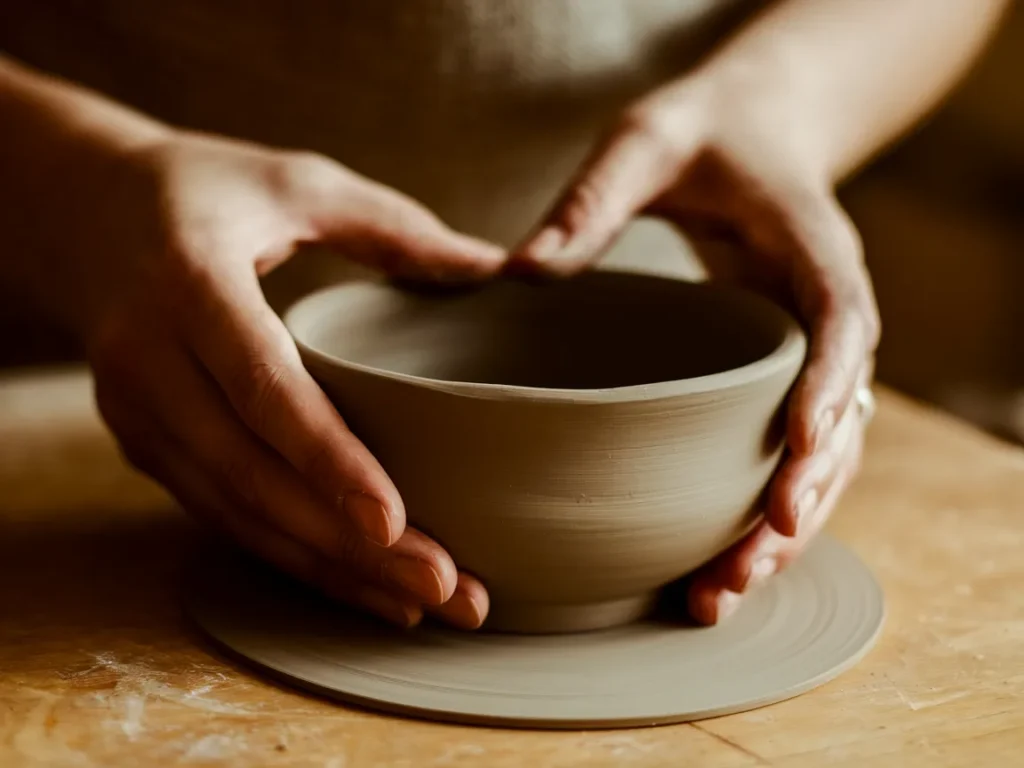
A jewelry dish is one of the easiest ceramics pottery ideas. It’s basically a small, shallow pinch pot with flattened sides.
Roll a ball of clay flat into a disk. Use a small bowl as a mold. Drape the clay over the bottom of the bowl and let it dry slightly. The clay will take the bowl’s shape.
Add your own touches! Press leaves into the clay for texture. Use a fork to make patterns. Paint it after firing for extra color. These dishes make perfect gifts and look lovely on any entryway table.
Skill Level: Beginner Time Needed: 45 minutes Best Technique: Slab method with mold

3. Ceramic Coasters
Coasters are practical and fun to make. They also let you practice decorating techniques.
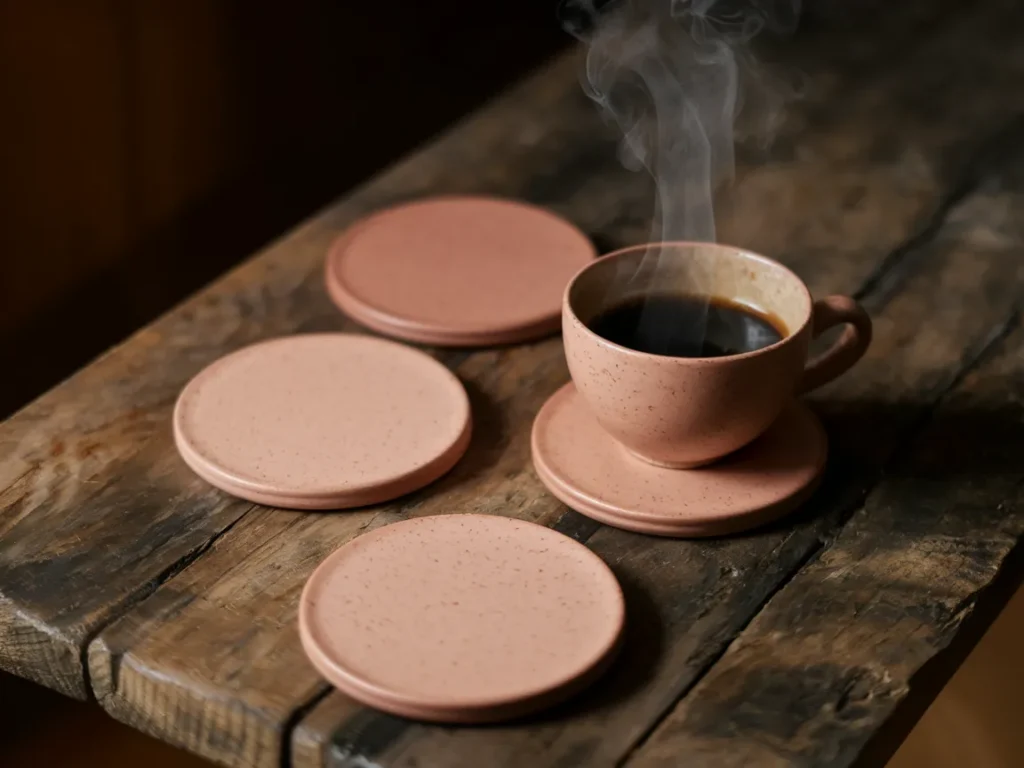
Roll out a slab of clay about half an inch thick. Use a cookie cutter or glass to cut circles. Smooth the edges with a wet finger. Add stamps, texture, or carved designs before the clay dries.
Make a set of four or six matching coasters. Try different glaze colors for variety. Wrap them with ribbon for a thoughtful hostess gift.
Skill Level: Beginner Time Needed: 1 hour Best Technique: Slab method
4. Small Succulent Planter
Planters bring nature indoors. A small ceramic planter for succulents is a perfect beginner project.
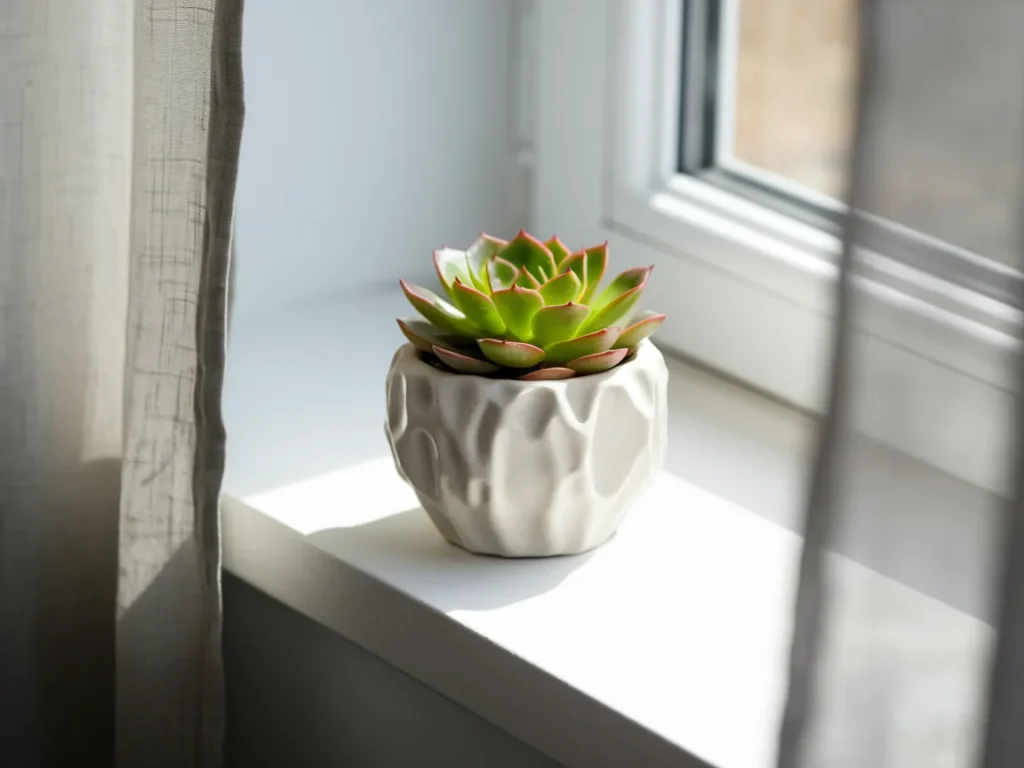
Use the pinch method to create a small pot. Make sure the walls are thick enough to hold soil and water. Don’t forget to poke a drainage hole in the bottom before firing!
Succulents look amazing in handmade planters. The earthy texture of clay matches their natural beauty. Place your planter on a sunny windowsill and watch your plant thrive.
Skill Level: Beginner to Intermediate Time Needed: 1 hour Best Technique: Pinch method
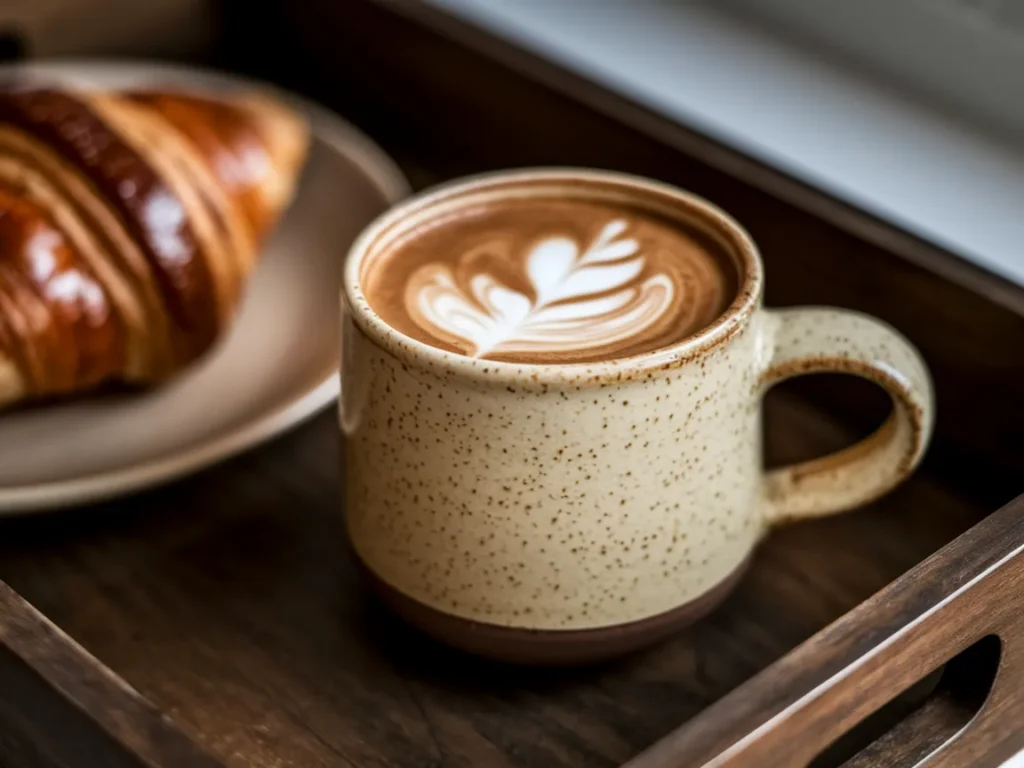
5. Handmade Coffee Mug
Making your own coffee mug is a pottery milestone. There’s nothing like sipping your morning brew from something you created.
If you have access to a pottery wheel, throw a cylinder and shape it into a mug. Without a wheel, use the coil method. Build up the walls with coils, then smooth them together. Attach a handle by scoring both surfaces and using slip (liquid clay) as glue.
Choose a food-safe glaze so your mug is safe to drink from. Pick colors that make you happy. Your mug will make every morning feel special.
Skill Level: Intermediate Time Needed: 2-3 hours Best Technique: Wheel throwing or coil building
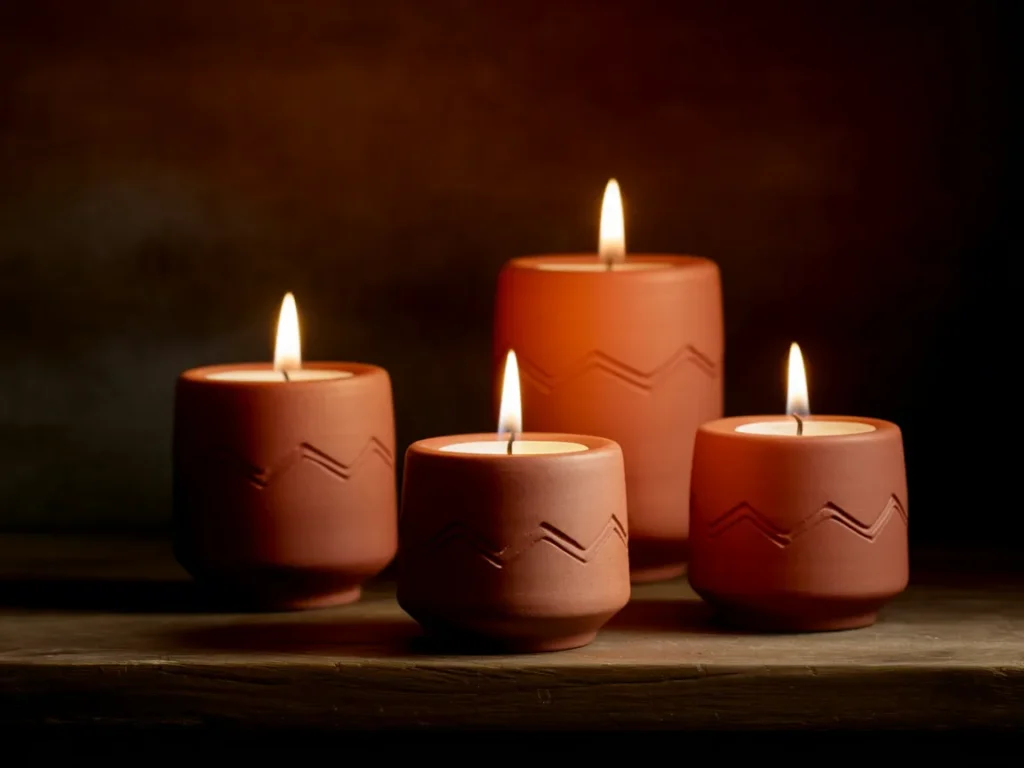
6. Decorative Candle Holder
Candle holders add warmth to any room. They’re also great for practicing different shapes.
For a simple holder, make a pinch pot just big enough for a tea light candle. For something fancier, try a taller pillar shape using coils. Leave the top open wide enough for the candle.
Play with textures and cut-out patterns. Holes in the sides let candlelight glow through beautifully. These holders look stunning as part of your romantic bedroom decor.
Skill Level: Beginner to Intermediate Time Needed: 1-2 hours Best Technique: Pinch or coil method
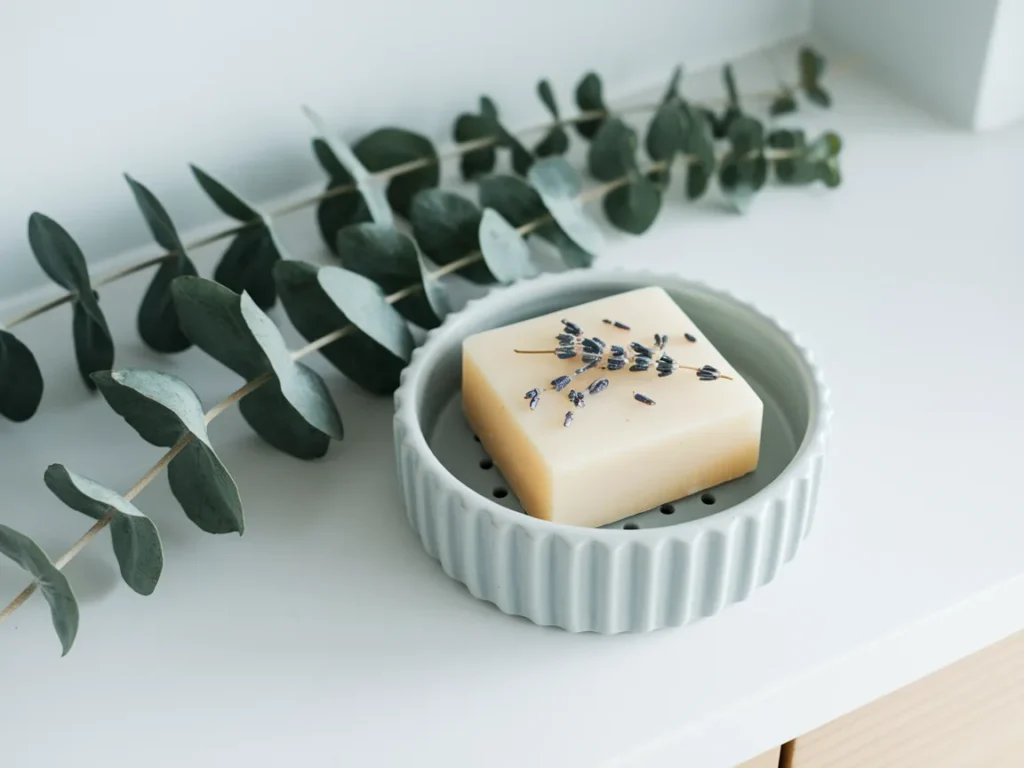
7. Ceramic Soap Dish
A soap dish keeps your bathroom tidy and adds a handmade touch to your space.
Roll out a slab for the base. Create drainage ridges by pressing a fork into the clay or adding small clay strips. Build up the sides slightly to contain the soap.
Make sure your finished piece has good drainage. Soap dishes without proper drainage get soggy. Small holes or raised ridges solve this problem nicely.
Skill Level: Beginner Time Needed: 1 hour Best Technique: Slab method
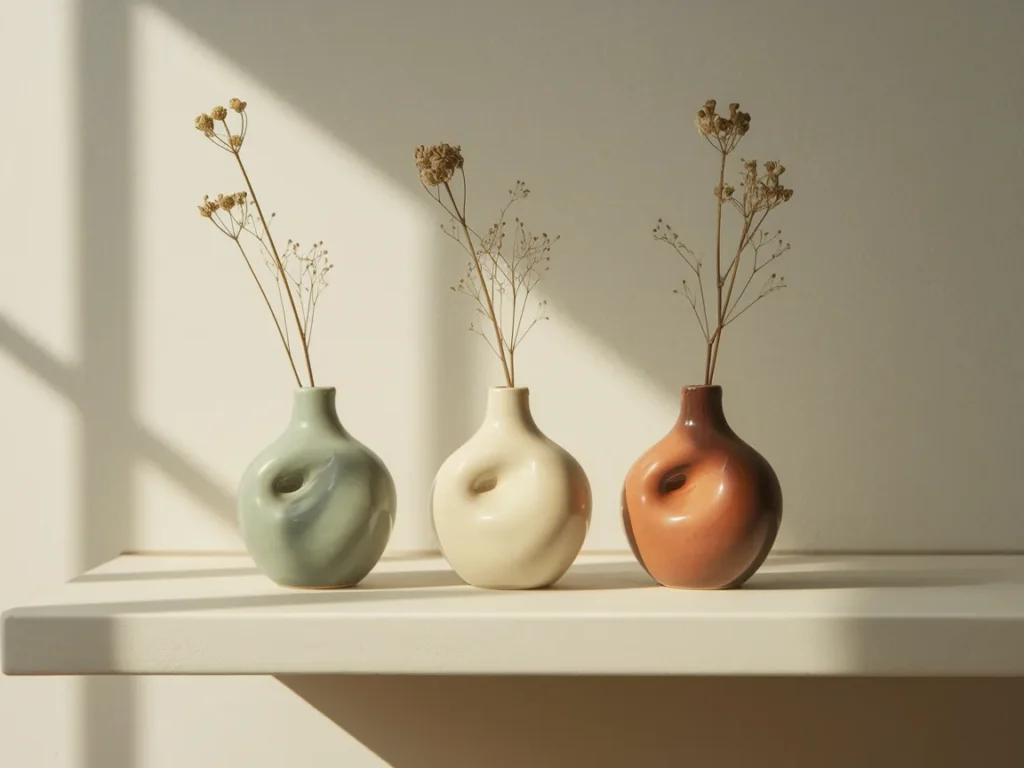
8. Small Vase or Bud Vase
A bud vase holds one or two flower stems. It’s smaller and easier than a full-sized vase.
Use the coil method to build a narrow neck that widens at the bottom. Keep the opening small to support delicate stems. The classic bottle shape works well for beginners.
Bud vases look beautiful grouped together. Make a collection in different sizes and colors. Fill them with wildflowers for an instant centerpiece.
Skill Level: Intermediate Time Needed: 2 hours Best Technique: Coil building or wheel throwing
9. Ceramic Spoon Rest
A spoon rest keeps your counters clean while cooking. It’s a simple but useful project.
Roll a slab and shape it into a gentle curve or shallow dish. Make it long enough to hold a cooking spoon. Add a small lip at one end to catch drips.
Spoon rests make excellent gifts for people who love to cook. Personalize them with carved designs or painted patterns that match their kitchen style.
Skill Level: Beginner Time Needed: 45 minutes Best Technique: Slab method

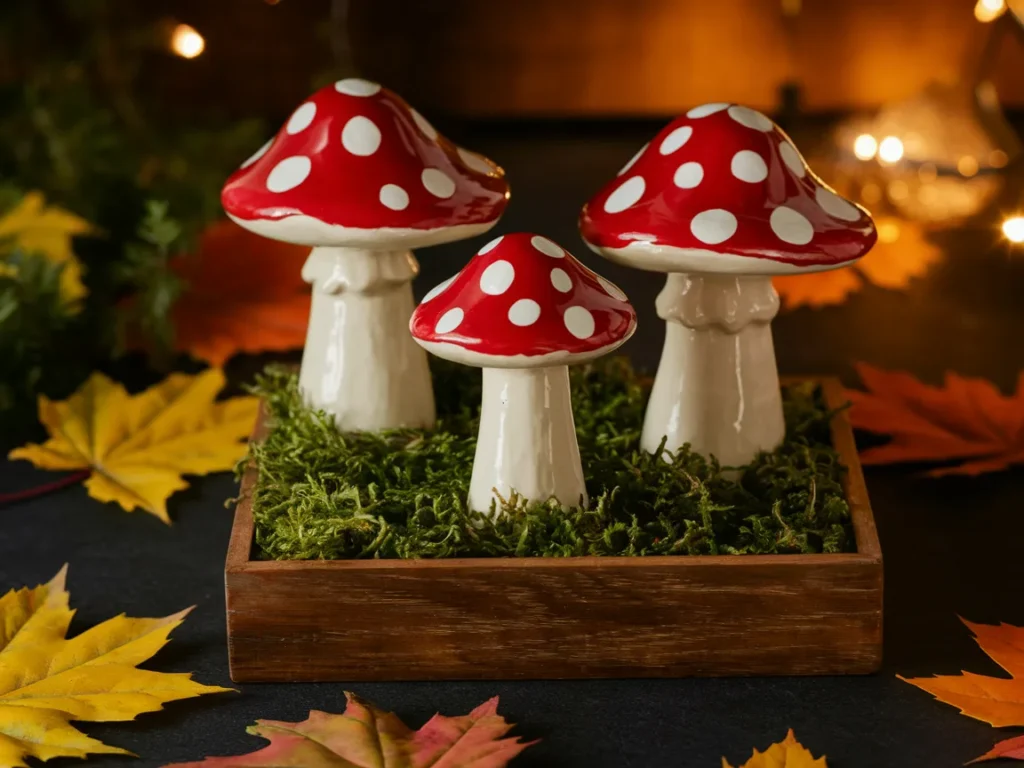
10. Decorative Clay Mushrooms
These whimsical pieces are perfect for fall decor. They’re also great for practicing sculptural skills.
Make the stem from a pinch pot turned upside down or a rolled cone. The cap is another pinch pot, slightly flattened and placed on top. Don’t attach them until both pieces are leather-hard.
Paint your mushrooms in natural colors or go wild with fantasy shades. Cluster several mushrooms together for a magical forest display.
Skill Level: Beginner to Intermediate Time Needed: 1-2 hours Best Technique: Pinch and sculpting
11. Pasta or Salad Bowl
A larger bowl challenges you to work with more clay while keeping walls even.
For wheel users, center a bigger ball of clay and open it wide. Without a wheel, coil building works well. Start with a pinch pot base and add coils to build up the sides.
A handmade pasta bowl makes dinner feel fancy. The tactile nature of ceramic keeps food warm longer than regular dishes. Your meals will look and taste better!
Skill Level: Intermediate Time Needed: 2-3 hours Best Technique: Wheel throwing or coil building

12. Ceramic Wall Art
Pottery isn’t just for functional items. Clay wall hangings add texture and interest to any room.
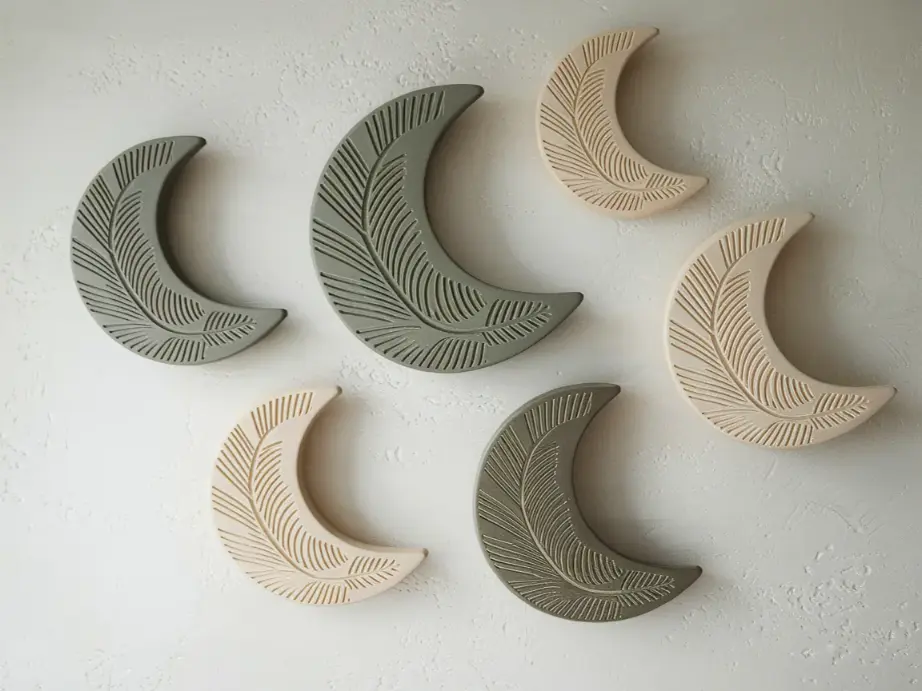
Roll out slabs and cut them into shapes circles, crescents, or abstract forms. Add textures using leaves, fabric, or stamps. Create holes for hanging before firing.
Hang multiple pieces together for a gallery effect. Mix sizes and finishes for visual interest. Ceramic wall art works beautifully with vintage home decor styles.
Skill Level: Intermediate Time Needed: 2-3 hours Best Technique: Slab method
13. Butter Dish with Lid
A lidded container teaches you about making parts that fit together. It’s a step up in difficulty but very rewarding.
Make two pieces: a base plate with raised edges and a domed lid. Measure carefully so the lid fits snugly. Add a small knob on top for easy lifting.
A ceramic butter dish keeps butter fresh and looks gorgeous on your table. It’s a wonderful housewarming gift too.
Skill Level: Intermediate to Advanced Time Needed: 3-4 hours Best Technique: Slab method or wheel throwing

14. Kintsugi Art Piece
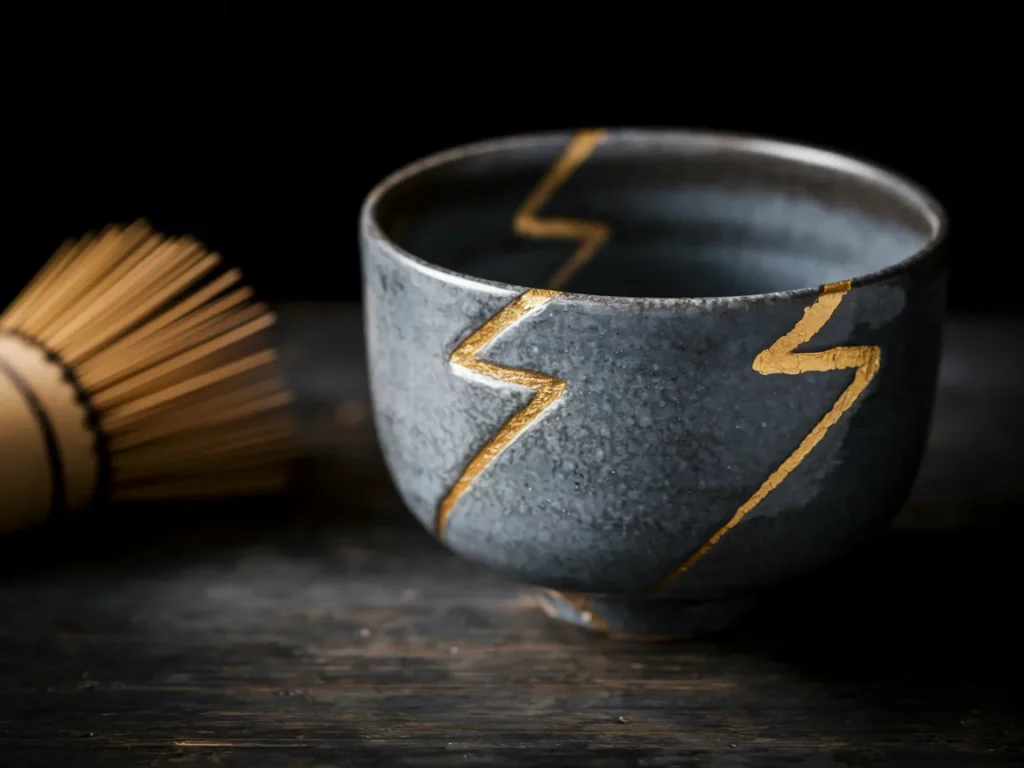
Kintsugi is the Japanese art of repairing broken pottery with gold. It turns damage into beauty. This technique teaches us to embrace imperfection.
To try kintsugi, you’ll need a broken ceramic piece. Clean the edges carefully. Use special kintsugi adhesive mixed with gold powder to join the pieces. The golden seams become the focal point.
Kintsugi represents a beautiful life philosophy. Instead of hiding our cracks, we celebrate them. Each repair tells a story. This technique has deep roots in Japanese culture, dating back to the 15th century when artisans first developed it to restore treasured tea bowls.
Skill Level: Intermediate Time Needed: Varies (includes drying time) Best Technique: Repair and restoration
Essential Tips for Pottery Success
Now that you have plenty of ceramics pottery ideas, here are tips to help you succeed.
Start Small and Simple
Don’t try to make a teapot on your first day. Begin with small projects that build your confidence. Each piece teaches you something new about clay.
As you improve, gradually tackle harder projects. This approach keeps pottery fun and prevents frustration.
Learn Proper Clay Preparation
Clay needs to be wedged before use. Wedging removes air bubbles that can cause cracks during firing. It also makes the clay consistent throughout.
Think of wedging like kneading bread dough. Push, fold, and rotate the clay repeatedly. This step takes time but prevents heartbreak later.
Understand Drying Stages
Clay goes through stages as it dries. At first, it’s wet and moldable. Then it becomes “leather-hard” firm but still workable. Finally, it’s bone-dry and ready for firing.
Different tasks work best at different stages. Attach handles when clay is leather-hard. Add textures when clay is still soft. Learning these stages improves your results.
Embrace Imperfection
Handmade pottery isn’t supposed to look machine-made. Small wobbles and variations make pieces unique. They show the human hand behind the work.
Japanese pottery embraces this concept through wabi-sabi finding beauty in imperfection. Let go of perfectionism and enjoy the process.
Tools and Materials You’ll Need
Getting started with pottery doesn’t require much. Here’s what helps most.
Basic Tools
| Tool | Purpose |
| Rolling pin | Flattens clay into slabs |
| Wooden rib | Smooths surfaces |
| Wire cutter | Removes clay from work surface |
| Sponge | Adds moisture, smooths edges |
| Needle tool | Scores surfaces, adds details |
| Loop tool | Carves and trims excess clay |
Types of Clay
Earthenware is great for beginners. It’s easy to work with and fires at lower temperatures. Many hand-building projects use earthenware.
Stoneware is stronger and more durable. It’s popular for functional items like dinnerware.
Porcelain is beautiful but challenging. It requires more skill and fires at very high temperatures.
Bringing Pottery Into Your Home Decor
Handmade pottery fits perfectly into modern home styling. Earthy tones and organic shapes are trending right now. Natural materials like clay bring warmth and authenticity to any space.
Consider placing ceramic pieces throughout your home. A handmade vase on your spring living room mantel adds character. Ceramic bowls on your entryway table welcome guests with style.
Group similar pieces together for impact. Three vases of varying heights look more striking than one alone. Mix glazes in the same color family for a cohesive look.
Pottery also pairs well with other handmade items. Wood decor elements complement clay beautifully. The combination creates a warm, inviting atmosphere.
Taking Your Pottery Further
Once you’ve tried these ceramics pottery ideas, you might want to go deeper.
Take a Class
Local pottery studios offer classes for all levels. You’ll get hands-on guidance and access to equipment like kilns and wheels. Plus, you’ll meet other pottery enthusiasts.
Many communities have recreational centers with affordable pottery classes. Community colleges often offer ceramics courses too.
Set Up a Home Studio
If pottery becomes your passion, consider creating a small studio at home. You don’t need much space. A sturdy table, some basic tools, and good lighting will get you started.
For firing pieces, look into small kilns designed for home use. Some artists use local studios or community kilns to fire their work.
Explore Different Styles
Pottery traditions vary around the world. Japanese pottery emphasizes simplicity and natural beauty. Mediterranean styles feature bold colors and patterns. Scandinavian ceramics focus on clean lines and function.
Studying different traditions expands your creative vocabulary. You might find inspiration in unexpected places.
Frequently Asked Questions About Ceramics Pottery
People often have questions when starting pottery. Here are answers to the most common ones.
What Is the Easiest Pottery Project for Beginners?
A simple pinch bowl is the easiest place to start. You need no tools just your hands and a ball of clay. The forgiving nature of pinch pottery means mistakes are easy to fix. Even if your first bowl looks lopsided, it’s still functional and beautiful in its own way.
Do I Need a Kiln to Make Pottery?
Traditional pottery requires firing in a kiln to become permanent. However, beginners have options! Air-dry clay doesn’t need firing at all. It hardens at room temperature over a few days. While not as durable as fired clay, it works well for decorative pieces.
Many pottery studios let you use their kilns for a small fee. This option lets you work with real pottery clay without investing in expensive equipment.
How Long Does It Take to Learn Pottery?
Basic hand-building skills can be learned in a few sessions. Within a month of regular practice, most people can make simple bowls, dishes, and small vases. Wheel throwing takes longer expect several months to feel comfortable centering clay.
Remember, potters improve throughout their entire lives. Even masters continue learning. Enjoy the journey rather than racing to a destination.
Is Pottery an Expensive Hobby?
Pottery can be budget-friendly! A bag of air-dry clay costs very little. Basic tools are affordable too. If you join a studio, monthly fees typically include clay, tools, and firing.
The investment grows if you set up a home studio. Kilns, wheels, and ongoing clay supplies add up. But many potters find creative ways to share resources and keep costs down.
Can Kids Do Pottery?
Absolutely! Children as young as four can enjoy simple clay projects. Pottery develops fine motor skills, patience, and creativity. Kids love the sensory experience of squishing and shaping clay.
Start children with air-dry clay to avoid kiln concerns. Simple pinch pots, coil snakes, and pressed shapes work well for little hands.
Seasonal Ceramics Pottery Ideas
Pottery can celebrate every season. Here are bonus ideas tied to holidays and special times of year.
Spring and Easter
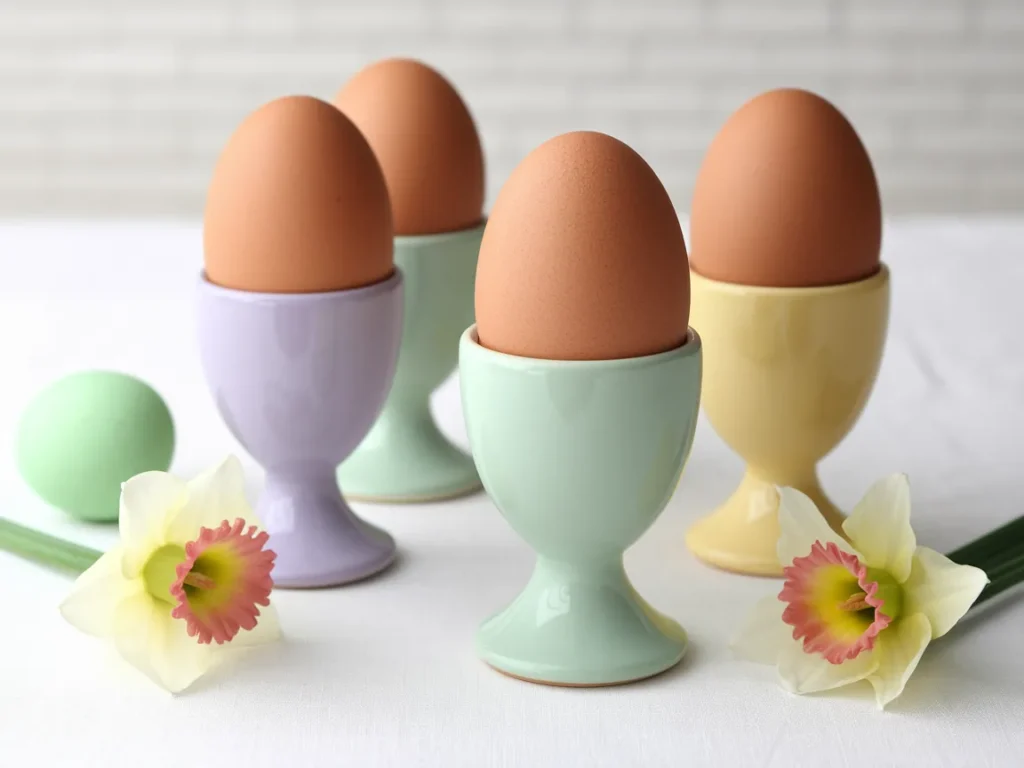
Create ceramic egg cups for Easter breakfast. Make small nest-shaped dishes to hold chocolate eggs. Press fresh spring flowers into clay slabs for beautiful wall hangings.
Summer
Form seashell-impressed dishes for beach house decor. Make outdoor planters for summer gardens. Create citrus juicers or salad serving bowls for seasonal cooking.
Fall and Halloween
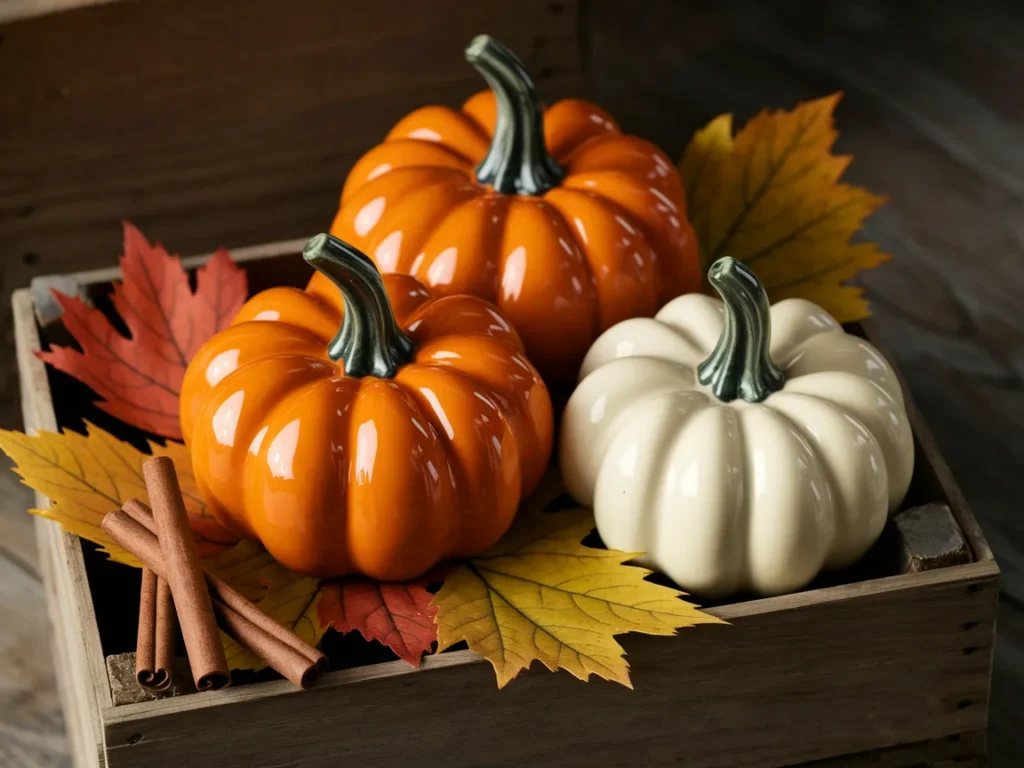
Sculpt decorative pumpkins in various sizes. Make leaf-impressed platters for Thanksgiving dinner. Create candy dishes shaped like acorns or apples for fall entertaining.
Winter and Christmas
Design ceramic ornaments for your tree or to give as gifts. Create holiday candle holders for your mantel decor. Make personalized mugs for hot cocoa on cold nights.
Pottery as Meaningful Gifts
Handmade pottery makes the most thoughtful presents. Unlike store-bought items, each piece carries your time, energy, and love.
Wedding Gifts
A custom ceramic bowl inscribed with the couple’s names and wedding date becomes an heirloom. Matching mugs let newlyweds start their mornings together. Serving platters get used for years of gatherings with friends and family.
Baby Gifts
Ceramic handprint dishes preserve tiny hands forever. Decorative letters spell out a baby’s name for nursery decor. Small piggy banks start a savings tradition that lasts a lifetime.
Teacher and Host Gifts
A handmade mug shows real appreciation. Ceramic planters filled with herbs make memorable hostess presents. Small trinket dishes are perfect for teachers who collect small items.
The act of making something specifically for someone else makes the gift even more special. You can customize colors, shapes, and decorations to match their personality and home.
Connecting With the Pottery Community
Pottery brings people together. Joining the ceramics community enhances your experience in many ways.
Online Resources
YouTube offers thousands of free pottery tutorials. Instagram showcases inspiring work from potters worldwide. Online forums let you ask questions and get advice from experienced makers.
Many potters share their processes openly. Watching others work teaches techniques books can’t convey. You’ll pick up tips and tricks that accelerate your learning.
Local Studios and Classes
Nothing beats in-person learning. Local pottery studios provide hands-on instruction and immediate feedback. Instructors can spot problems and suggest fixes you’d never discover alone.
Studios also offer community. The people you meet while making pottery often become lifelong friends. There’s something bonding about getting messy with clay together.
Pottery Markets and Shows
Attending craft fairs lets you see professional work up close. You’ll find inspiration in pieces that push creative boundaries. Talking with makers teaches you about glazes, techniques, and building a pottery practice.
Some potters eventually sell their work at markets. This goal motivates many hobbyists to improve their skills. Even if you never sell, markets show what’s possible with dedication.
Sustainability and Eco-Friendly Pottery
Pottery aligns beautifully with sustainable living. Clay is a natural material from the earth. Handmade items last decades, reducing waste from disposable products.
Using Local and Natural Materials
Many potters now source clay locally. This reduces transportation impacts and connects makers to their region. Some artists even dig their own clay from nearby deposits.
Natural glazes made from wood ash, minerals, and plants offer eco-friendly alternatives to commercial products. These glazes create beautiful, unpredictable results.
Reducing Waste in the Studio
Clay scraps get recycled endlessly. Dried clay can be reconstituted with water and used again. Nothing goes to waste in a well-run pottery studio.
Broken pieces find new life through kintsugi repair or as drainage material in planters. Even kiln furniture gets reused for years.
Replacing Disposable Items
Every handmade mug replaces dozens of paper cups. Ceramic food storage containers eliminate plastic waste. Reusable pottery supports a zero-waste lifestyle in practical, beautiful ways.
The Therapeutic Power of Clay
We touched on mental health benefits earlier, but they deserve more attention. Pottery truly heals.
Mindfulness Through Making
The focused attention pottery requires creates a meditative state. Your breathing slows. Muscle tension releases. The outside world fades as you concentrate on the clay.
This mindfulness practice happens naturally. You don’t have to try to meditate the pottery does it for you. Regular sessions become a reliable source of calm in chaotic lives.
Processing Difficult Emotions
Art therapy often uses clay work. The physical act of shaping, pressing, and sometimes destroying clay helps process feelings. You can pound out frustration or gently smooth away sadness.
Many people find pottery especially helpful during grief or major life changes. Creating something beautiful from shapeless clay mirrors our own ability to rebuild and transform.
Building Confidence and Self-Esteem
Completing pottery projects builds genuine confidence. You set a goal, worked through challenges, and created something real. That accomplishment transfers to other areas of life.
Seeing improvement over time reinforces growth mindset. Your twentieth bowl looks better than your first. This visible progress reminds you that practice leads to mastery in any skill.
Final Thoughts
Pottery opens a world of creativity and calm. These 14 ceramics pottery ideas give you plenty of projects to explore. From simple pinch bowls to beautiful kintsugi repairs, there’s something for every skill level.
Remember, the goal isn’t perfection. The joy of pottery comes from the process the feel of clay in your hands, the satisfaction of creating something from nothing, the peace of focusing completely on one task.
Start with one project that catches your eye. Don’t worry about getting it right the first time. Every piece you make teaches you something valuable. Over time, your skills will grow, and so will your collection of beautiful handmade items.
Whether you want to add handmade touches to your home decor, create meaningful gifts for loved ones, or simply find a relaxing hobby, pottery delivers. The ancient art of shaping clay remains as relevant and rewarding today as it was thousands of years ago.
Ready to begin your pottery journey? Pick up some clay and start creating. Your hands and your mind will thank you!

