
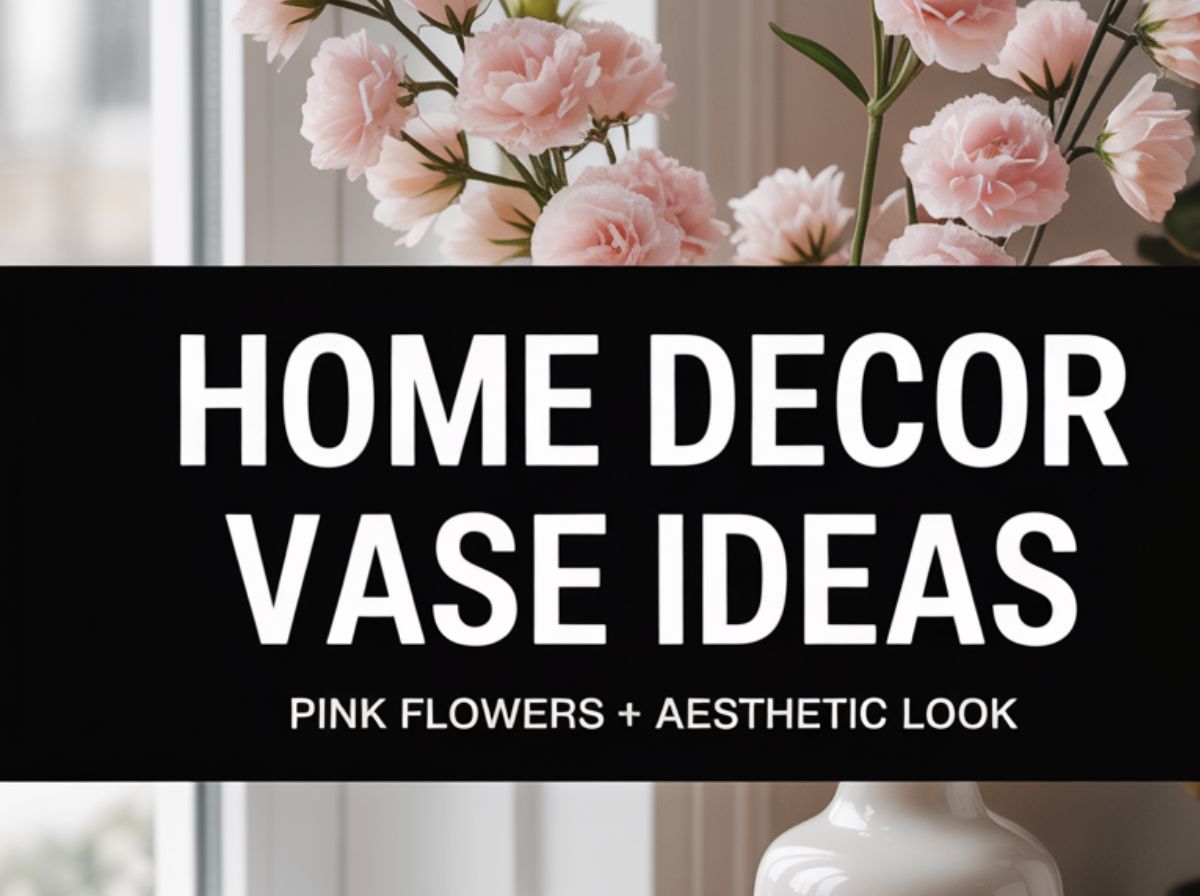
Home decor vases make a space look better by adding height, shape, and clean detail. I use vases when a shelf feels empty, a table looks flat, or a corner needs a simple focal point. The best vase styling stays balanced, uses the right size, and keeps the room calm.
I learned this the slow way. For years I bought vases I loved in the store, brought them home, and watched them look wrong on my shelf. The problem was never the vase, it was the styling around it. Once I started treating a vase as part of a small scene instead of a lone object, everything clicked. A vase needs a partner (books, a tray, a candle), the right height for its surface, and stems that match its mood. Get those three things right and even a ten dollar vase looks like it belongs in a magazine.
15 Ideas List
- Tall floor vase in an empty corner
- Ceramic vase with fresh flowers
- Clear glass vase with green stems
- Vase trio on a coffee table tray
- Single vase on a stack of books
- Neutral vase on a dining table center
- Vase on a console table entry setup
- Small bud vases for a shelf row
- Vase in the bathroom vanity corner
- Vase on the kitchen counter side
- Vase with dried flowers for long use
- Two vases with different heights together
- Textured vase for a cozy look
- Color pop vase for accent styling
- Simple vase styling rule
Tall Floor Vase In An Empty Corner
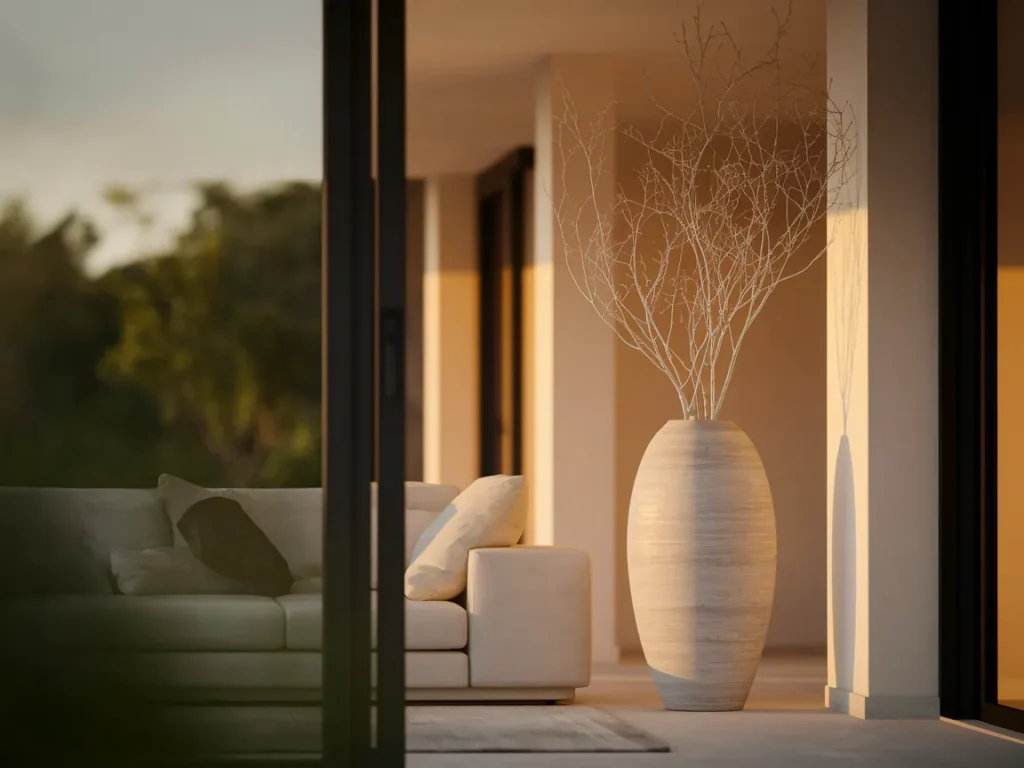
A tall floor vase fills an empty corner and makes the room feel complete. I placed one vase beside a sofa or near a window to add height without using much space. Neutral floor vases work best because they match many decor styles. A floor vase also looks clean even without stems, but adding a few branches makes it feel more styled. This idea works well for living rooms and entry areas.
When I pick a floor vase, I look for one that stands between 24 and 36 inches tall. Anything shorter disappears next to a sofa, and anything taller starts competing with floor lamps and curtains. I also check the base width: a narrow base tips easily if you have kids or pets, so I fill the bottom third with sand or decorative stones before adding stems. It keeps the vase steady and you never see the filler.
For stems, I keep it simple with tall branches like eucalyptus, pampas grass, or curly willow. Three to five stems is plenty. I trim them so the tallest stem reaches about one and a half times the vase height, which is the proportion florists use. If branches feel too bare for your taste, a tulip arrangement in a shorter floor vase works for spring, but tall branches are the lowest maintenance option year round.
Ceramic Vase With Fresh Flowers
A ceramic vase with fresh flowers adds instant style because it brings soft color and texture into the room. I used tulips and white roses in a simple ceramic vase on a coffee table. This made the room feel fresh without adding clutter. Ceramic finishes look best in neutral colors like cream, beige, or soft gray. This idea works well for spring and everyday decor.
The ceramic finish matters more than people think. Matte ceramic hides water spots and fingerprints, which is why I reach for it in high traffic rooms. Glossy ceramic looks dressier but shows every smudge, so I save those for the dining room. For flowers, I buy whatever is in season at the grocery store because it lasts longer and costs half as much. I cut stems at an angle under running water and change the water every two days, which easily adds three or four days to the arrangement.
One mistake I made for years was cramming too many stems into a narrow neck. A good rule is one stem per inch of opening width. A two inch opening wants two or three stems, not eight. Fewer stems with room to breathe always looks more expensive than a crowded bunch. I also strip any leaves that would sit below the waterline, since rotting leaves are what make vase water cloudy and smelly.

Clear Glass Vase With Green Stems
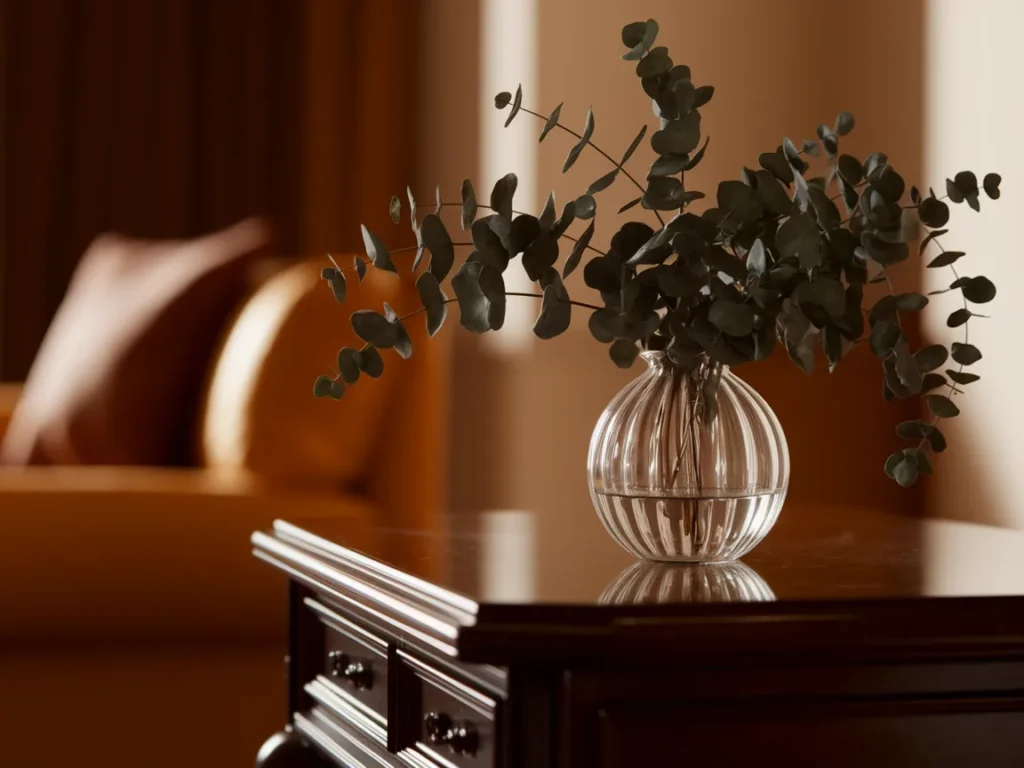
A clear glass vase with green stems creates a clean look that fits almost every room. I used simple stems like eucalyptus because they look calm and last longer. Glass vases also reflect light, which makes spaces feel brighter. This styling works best on shelves, side tables, or entry consoles. Keeping the stems simple prevents the decor from looking busy.
Clear glass is honest: it shows the stems, the water, and every shortcut. That is why I only use very fresh greenery in glass vases and I keep the water crystal clear. Eucalyptus, ruscus, and Italian pittosporum are my favorites because they hold up for two weeks or more. I arrange them at different heights so the silhouette looks natural instead of flat topped.
The trick with glass is styling what is inside the vase, not just above it. I sometimes add a few smooth river stones at the bottom for visual interest below the waterline. Keep the vase out of direct sun though, because sunlight turns the water green fast. A glass vase on a mirrored tray or near a window doubles the greenery visually through reflection, which is a free styling upgrade.
Vase Trio On A Coffee Table Tray
A vase trio on a tray makes a coffee table look styled because it adds height and balance. I used three vases in different sizes but kept the color tone similar. This made the setup look clean instead of random. A tray also keeps everything grouped, so the table stays easy to reset. This idea works best with one small flower stem in one vase and the others left simple.
The tray is what makes three vases look intentional instead of cluttered. Without it, vases scattered on a coffee table look like you forgot to put them away. I use a round tray about 16 inches wide for a standard coffee table, which leaves room for a candle or a small stack of coasters beside it. The tray creates a boundary that tells the eye this is one styled moment.
For the trio itself, I vary the heights by at least three inches between each vase and keep them in the same color family. My go to is cream, sand, and soft gray. I put stems in only one or two of the three vases and leave the third empty. An empty vase in a group looks deliberate and gives the arrangement breathing room. If your coffee table is rectangular, an oval or rectangular tray follows the table shape better than a round one.

Single Vase On A Stack Of Books
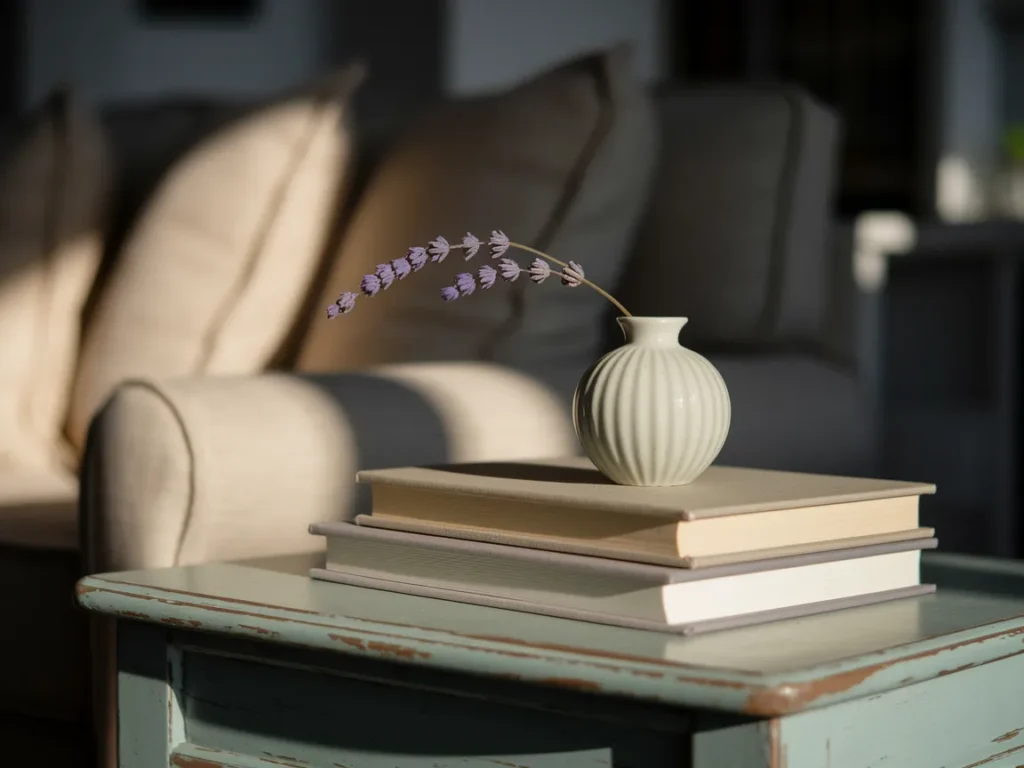
A single vase on books adds height without using many decor items. I stacked two neutral books and placed a small vase on top to create a clean focal point. This works well on coffee tables, side tables, and shelves. The books also make the vase look more intentional instead of sitting alone. Keeping the vase simple helps the look stay calm.
This is my favorite trick for a vase that feels too short for its spot. Stacking two or three books under it adds four to six inches of height instantly. I use hardcover books with neutral spines and turn them so the pages face out if the titles clash with my decor. Coffee table books about travel or art work best because they are large and flat.
Scale matters here. The book stack should be wider than the vase base by at least an inch on each side, or the whole thing looks tippy. I also keep the total height of books plus vase under 18 inches for a side table, so it does not block conversation across the table. One thing to avoid: glossy book covers next to a matte vase can look mismatched, so I try to keep finishes in the same family.
Neutral Vase On A Dining Table Center
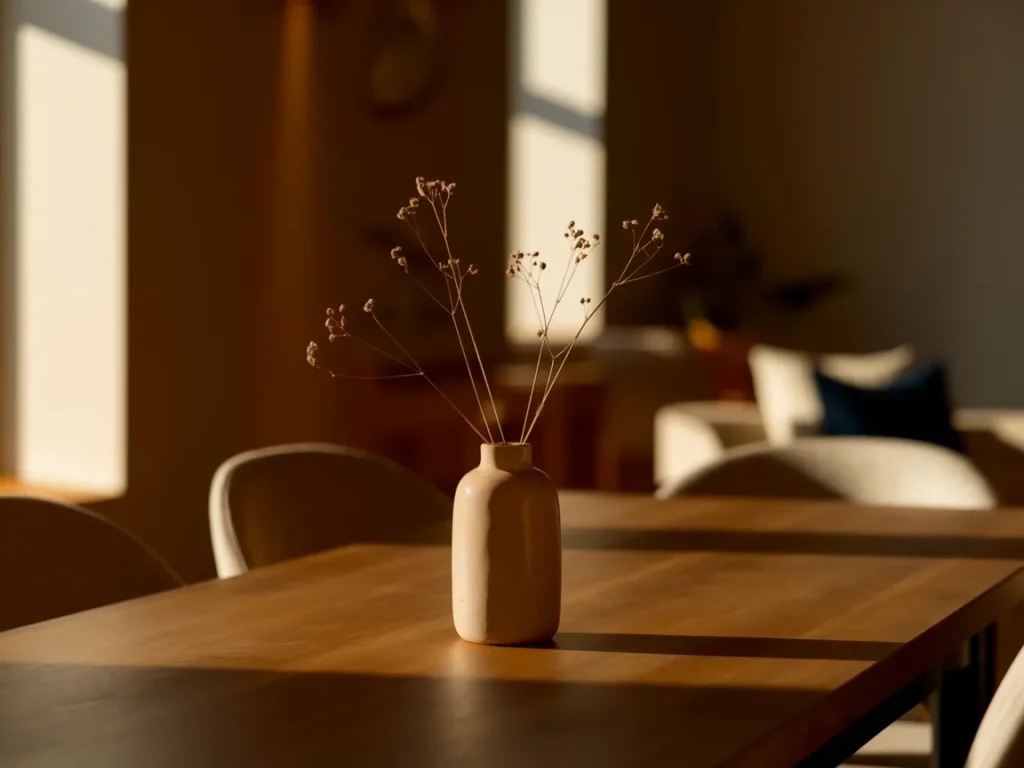
A neutral vase centerpiece keeps the dining table looking clean while still styled. I used one medium vase with light stems so the table felt fresh but not crowded. Neutral colors like cream and beige matched most dining spaces easily. A simple centerpiece also makes the dining area look ready for guests without extra work. This idea works best when the vase stays low enough for clear sightlines.
A dining table centerpiece has one job most people forget: it must be low enough to see over. I keep dining vases under 12 inches tall, or I use a wide low bowl style vase instead. Nothing kills dinner conversation like a tall arrangement blocking faces. For daily styling I use a single neutral vase with eucalyptus, and I swap in fresh flowers only when guests come.
I also think about the table shape. A round table wants one central vase, while a long rectangular table looks better with a runner and three small vases spaced down the middle. For the vase color, warm whites and soft beige work with both wood and white tables. I avoid dark vases on dark wood because they disappear. A small wooden sign or linen runner under the vase adds warmth without adding height.
Vase On A Console Table Entry Setup
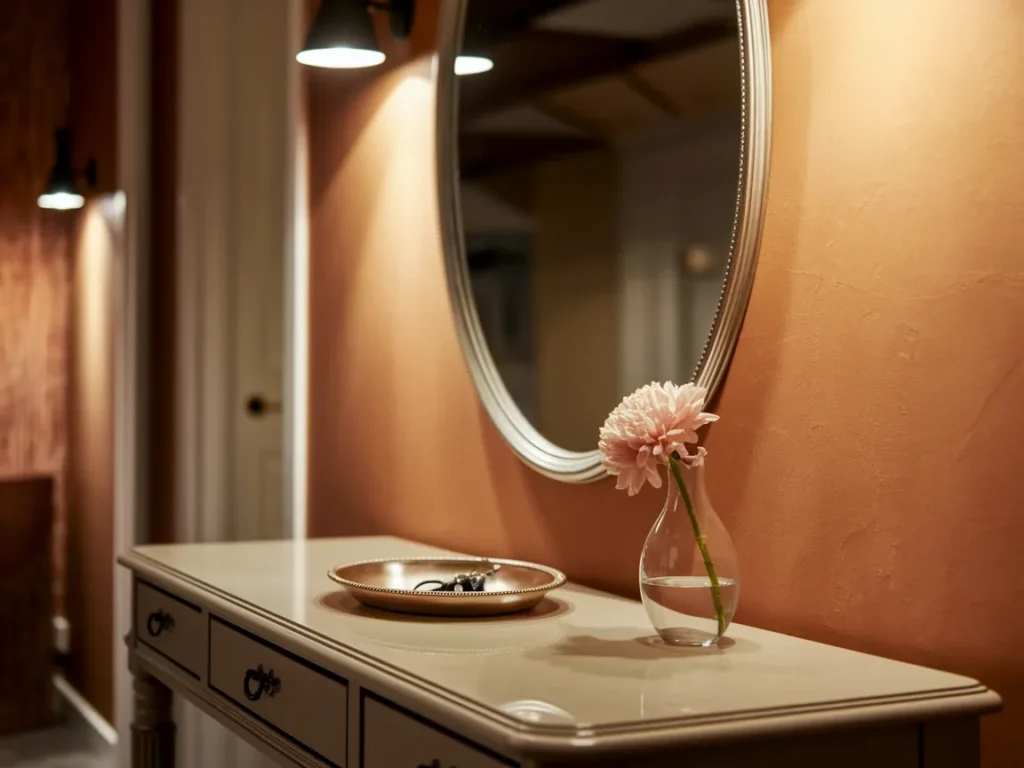
A vase on an entry console makes the entrance feel welcoming. I placed a vase beside a tray for keys so the console looked balanced. This made the entry feel styled without adding clutter. A tall vase works best on consoles because it adds height and fills wall space. Neutral vase colors also match most entry decor themes.
An entryway console is the first thing guests see, so I style it like a little welcome scene. My formula is a vase on one side, a stack of two books or a small bowl in the middle for keys, and a candle or framed photo on the other side. The vase holds the tall element, which balances the low horizontal line of the console. I keep faux stems here because a real arrangement by the front door gets knocked around.
Since entryways get dusty fast, I wipe the vase weekly with a damp cloth. Matte vases show dust less than glossy ones, which is another reason I prefer them here. If your console is narrow, choose a vase with a slim profile so people do not brush it walking past. I learned that after knocking over a wide vase twice in one week. Wall space above the console is perfect for a mirror, and our mirror styling ideas show how reflection makes a small entry feel twice as big.
Small Bud Vases For A Shelf Row
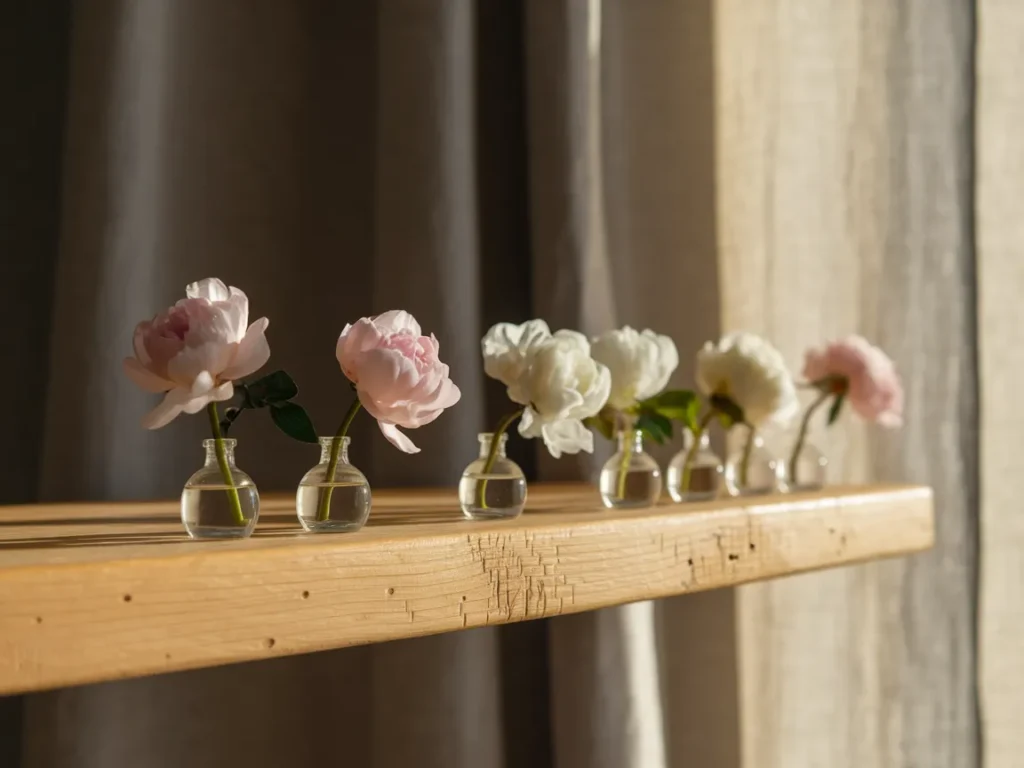
Small bud vases look great on shelves because they add detail without taking space. I placed three bud vases in a row and used one stem in each. This made the shelf feel soft and styled but still simple. Matching bud vase colors helped the look stay organized. This idea works well for bedrooms, living rooms, and bathrooms.
Bud vases are the easiest way to style an open shelf because each one is a tiny finished moment. I line up three to five in a row with one stem each: a single rose, a sprig of lavender, a eucalyptus stem. The repetition is what makes it look designed. I space them about four inches apart so each vase reads as its own piece.
Mixing bud vase shapes keeps the row interesting. I combine a tall thin neck, a round bulb shape, and a short cylinder in the same color. If the shelf holds books too, I tuck bud vases into the gaps between book stacks. They cost almost nothing (I find them for a few dollars at thrift stores), and swapping the single stems weekly keeps the shelf feeling fresh without any real effort.
Vase In The Bathroom Vanity Corner
A vase in the bathroom corner adds style without changing the whole room. I used a small vase with simple greenery near the sink. This made the bathroom feel fresher and more calm. Neutral vases work best because they match towels and counters easily. This idea also looks great in photos because it adds a clean “spa” touch.
Bathrooms are humid, so I never put real flowers in a bathroom vase unless I enjoy replacing them every three days. Faux eucalyptus or dried lavender handles the moisture and still looks soft. I pick a small vase, six inches or under, because vanity corners are tight and a big vase crowds the faucet area. A narrow neck also helps because it needs fewer stems to look full.
One safety note I learned the hard way: keep the vase away from the faucet splash zone. Water spots on a matte vase wipe off, but hard water stains on glass need vinegar to remove. I also avoid tall stems near a medicine cabinet mirror because they cast odd shadows. A small bud vase with one faux stem is genuinely all a bathroom needs. It adds life without fighting the room for space.

Vase On The Kitchen Counter Side
A vase on the kitchen counter adds style because it softens hard surfaces like stone and cabinets. I placed a small vase on the counter edge near a corner so it stayed out of the work zone. Simple greenery or one flower stem worked best to keep it clean. This idea helps kitchens look more cozy without adding clutter.
Kitchen counters are work zones, so the vase has to earn its place without getting in the way. I keep mine at the far end of the counter, near the wall, where it never blocks prep space. A medium vase with olive branches or wheat stems fits a kitchen because the colors echo food and wood tones. I skip anything with a strong scent near the stove since heat intensifies fragrance.
Grease is the enemy here. I wipe the vase down when I wipe the counters, and I chose a ceramic vase specifically because it does not show the faint film that settles on everything near a stove. Fresh herbs in a vase do double duty: rosemary and mint look beautiful for a week and you can snip them for cooking. Just change the water every couple of days like any fresh arrangement.

Vase With Dried Flowers For Long Use
A vase with dried flowers works well because it stays styled for weeks without water. I used dried stems like pampas grass and wheat to create a soft look. Dried flowers also match neutral home decor themes easily. This idea works best in living rooms and bedrooms where the vase stays visible every day.
Dried flowers are my answer for spots I never want to think about: the top of a bookshelf, a guest room, the hallway. A dried arrangement lasts six months to a year if you keep it out of direct sun, which bleaches the colors. Pampas grass, dried lavender, bunny tails, and preserved eucalyptus are the most forgiving because they do not shed much.
The biggest mistake with dried flowers is treating them like fresh ones and cramming in too many. Dried stems are visually heavier, so I use about two thirds of what I would use fresh. I also give the arrangement a gentle shake outside every month or so to keep dust from settling. If a stem starts looking tired, I just pull it and the rest still looks fine. A soft curtain backdrop keeps dried arrangements from looking flat against a bare wall.
Two Vases With Different Heights Together
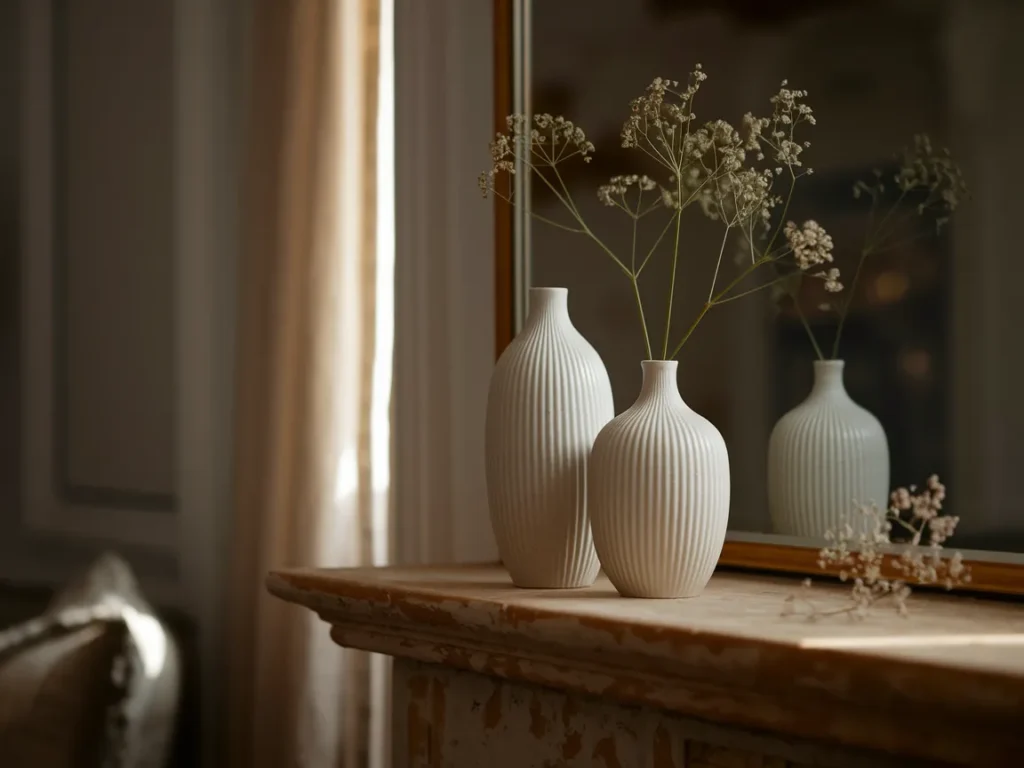
Two vases with different heights create balance because the decor feels layered. I used one tall vase and one short vase side by side, then added stems to only one. This kept the setup clean while still styled. This idea works well on mantels, shelves, and console tables. Keeping vase colors similar helps the look stay calm.
Pairing two vases is all about the height gap. I aim for at least four inches of difference so the pairing looks deliberate. Two vases of similar height just look like a matching set that lost a member. I keep the colors related but not identical: a cream vase with a sand colored one, or clear glass with frosted glass. The slight variation is what makes it feel styled rather than store bought.
I put stems in the taller vase and leave the shorter one empty about half the time. The empty vase acts as a visual pause. When I do fill both, I use the same type of stem in each so they feel like a family. This pairing works on nightstands, mantels, and bathroom counters. It is also the cheapest way to make one nice vase look like a collected arrangement: buy a smaller companion in a similar tone.
Textured Vase For A Cozy Look
A textured vase adds cozy detail because the surface looks rich even without flowers. I used ribbed ceramic and stone-style vases to add depth to simple rooms. Texture works best when the room has neutral colors because the vase becomes the detail piece. This idea looks great on shelves, coffee tables, and dining tables.
Texture does the work that color cannot. A ribbed, hammered, or raw clay vase adds visual warmth even in a plain white room, which is why I reach for texture in minimalist spaces. The light catches the ridges and creates shadows that make the vase interesting from across the room. I find textured vases photograph beautifully because the surface detail shows up on camera.
With a textured vase, I keep the stems very simple because the vase is already the star. Plain pampas grass or bare branches let the texture lead. One caution: rough textures collect dust in the grooves, so I dust them with a soft dry brush monthly. I also avoid putting textured vases where little hands grab often, since the uneven surface shows fingerprints more than smooth ceramic does.
Color Pop Vase For Accent Styling
A color pop vase adds interest when the room looks too neutral. I used one accent vase in muted blue or soft green to add gentle contrast. Keeping the color muted helped the decor stay calm, not loud. This idea works best when the room already has small matching accents like pillows or art. One color vase is enough for balance.
A single bold vase is the fastest way to wake up a neutral room. I pick one saturated color that already appears somewhere small in the room: the cobalt in a throw pillow, the mustard in a piece of art. That echo is what makes the pop feel intentional instead of random. Emerald green, cobalt blue, and terracotta are my most used accent colors because they play well with beige and gray bases.
Restraint is everything here. One colorful vase is a statement, and three colorful vases start looking like a theme park. I keep everything else on the surface neutral when the vase is bold, and I use simple green stems so the color of the vase stays the focus. If you get tired of the color, a bold vase is also the easiest thing to move to another room for a fresh look without spending anything.
Simple Vase Styling Rule
A simple vase styling rule keeps the decor clean and not crowded. I follow one easy method: match vase size to the surface and keep stems simple. Large surfaces need taller vases, while small tables need short vases. Too many stems can look messy, so I use fewer stems with clean shapes. This keeps vase decor looking calm and photo-ready.
I also use what I call the triangle check. Step back and look at your styled surface: the heights of your objects should form a rough triangle, with the tallest piece at the back. If everything sits at the same height, the eye gets bored. The vase is usually the tallest point of the triangle, which is why getting its height right matters more than any other choice.
And here is the rule I break on purpose sometimes: symmetry. A perfectly mirrored pair of vases looks formal and a little stiff to me. Shifting one vase slightly off center, or using two different heights, makes the same objects feel relaxed and lived in. Formal symmetry suits a dining room, while easy asymmetry suits everywhere you actually live.
Frequently Asked Questions
What Type Of Vase Works Best For Home Decor?
Ceramic and glass cover almost every situation, and I own more of those two than everything else combined. Ceramic in matte neutral tones is the workhorse: it hides dust, suits every season, and looks good with both fresh and dried stems. Clear glass is best when your stems are beautiful enough to show off, like eucalyptus or flowering branches. I would skip very trendy shapes until you know your style, because a classic cylinder or bottle shape never looks dated.
How Many Vases Should I Use On One Surface?
The odd number rule has never failed me: one, three, or five vases look styled, while two or four can look like a set. On a small side table, one vase is enough. A coffee table tray handles three comfortably. A long mantel can take five if you vary the heights. Whatever the count, keep the colors in one family so the group reads as a collection instead of clutter.
What Can I Put In Vases Besides Flowers?
Branches are my favorite non flower filler: curly willow, birch branches, and pussy willow add height and sculptural shape with zero maintenance. Dried grasses like pampas and bunny tails last for months. In the kitchen I use fresh herbs, and in fall I use wheat stalks. Even interesting empty bottles grouped with a vase can work when the shapes are good.
How Do I Style Vases Without Making The Room Look Cluttered?
The clutter culprit is almost always too many small objects, not the vase itself. I clear everything off the surface, place the vase first, then add back only two or three supporting pieces. Leaving empty space around the vase is a styling choice, not wasted space: the eye needs rest areas. If a surface still feels busy, the vase is probably too small for it, and sizing up one size fixes the whole composition.
Conclusion
Home decor vases make rooms look styled by adding height, shape, and clean detail. I got the best results using neutral ceramic vases, clear glass vases with greenery, and small bud vases on shelves. Tray styling and book stacking also helped vases look more intentional. When vase size and stems stay simple, the decor looks calm and photo-ready.