

The smartest lofted bed dorm room ideas to save space treat the area under your raised bed as a second room: a study zone, a lounge nook, extra storage, or a mini closet. Lofting your bed can nearly double your usable floor space, so the goal is to fill that gap on purpose instead of letting it become a dumping ground. Here’s what this covers: 14 space-saving ideas, a what-goes-underneath cheat sheet, safety basics, and budget and renter-friendly tips.
14 Lofted Bed Dorm Room Ideas to Save Space
The trick with any lofted bed is deciding what job the space underneath will do, then committing to it. Below are the setups that work best, whether you want function, comfort, or both.
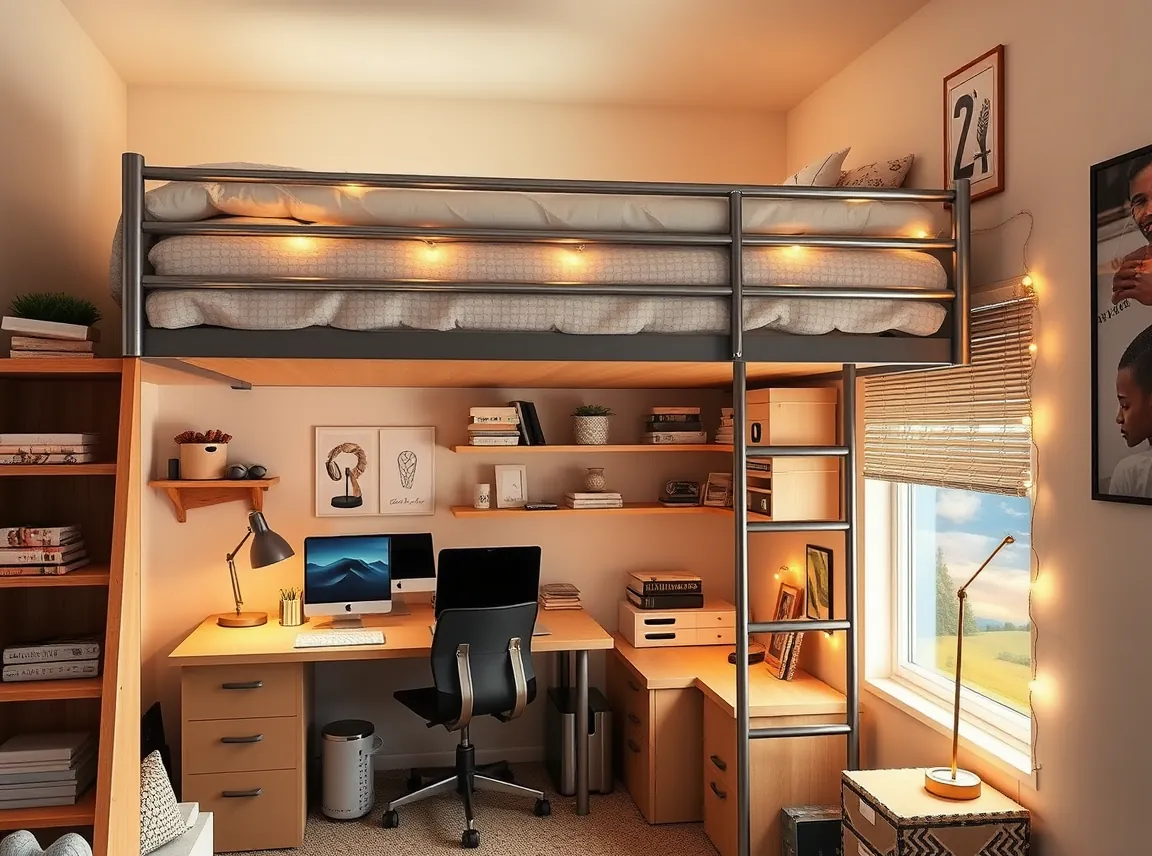
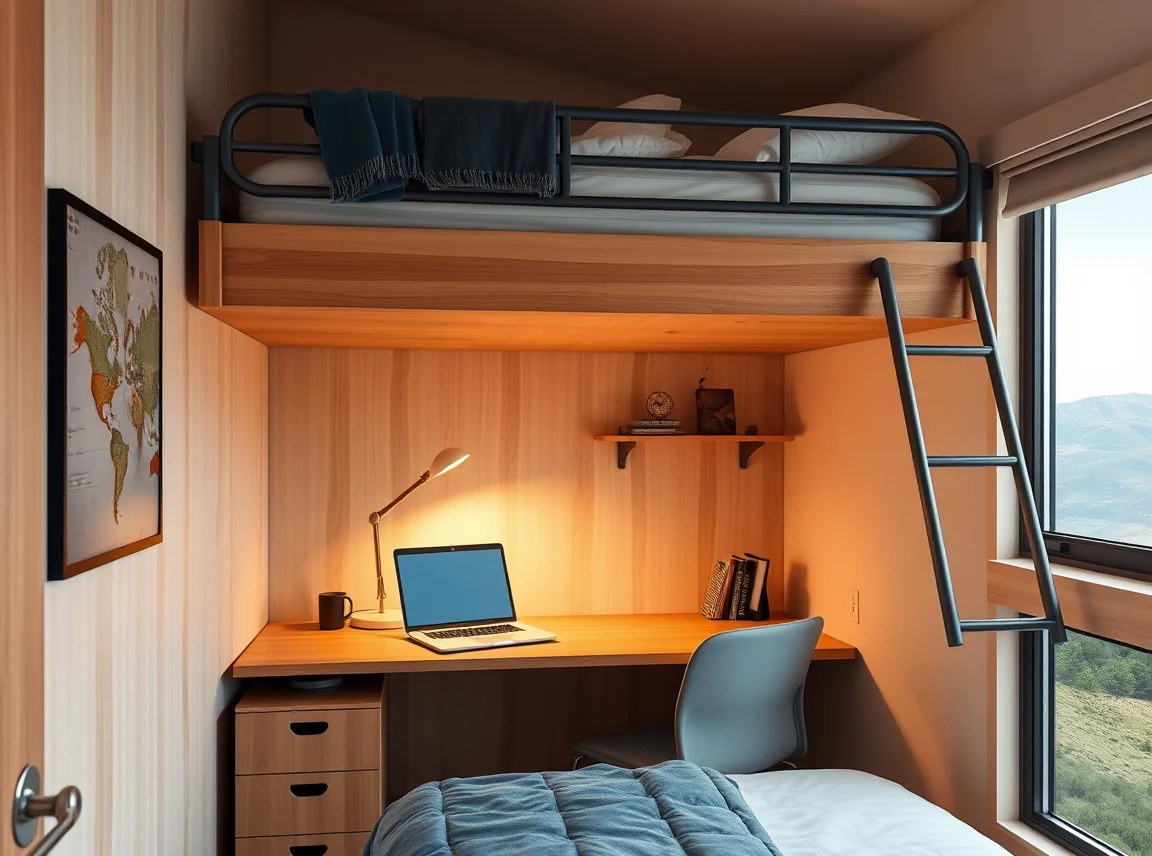
1. Build a Study Zone Underneath
The most popular use for under-loft space is a proper desk setup. Slide your desk under the bed, add a task lamp and a small shelf, and you’ve tucked your whole workspace into otherwise dead space. Good lighting matters here since the loft blocks overhead light.
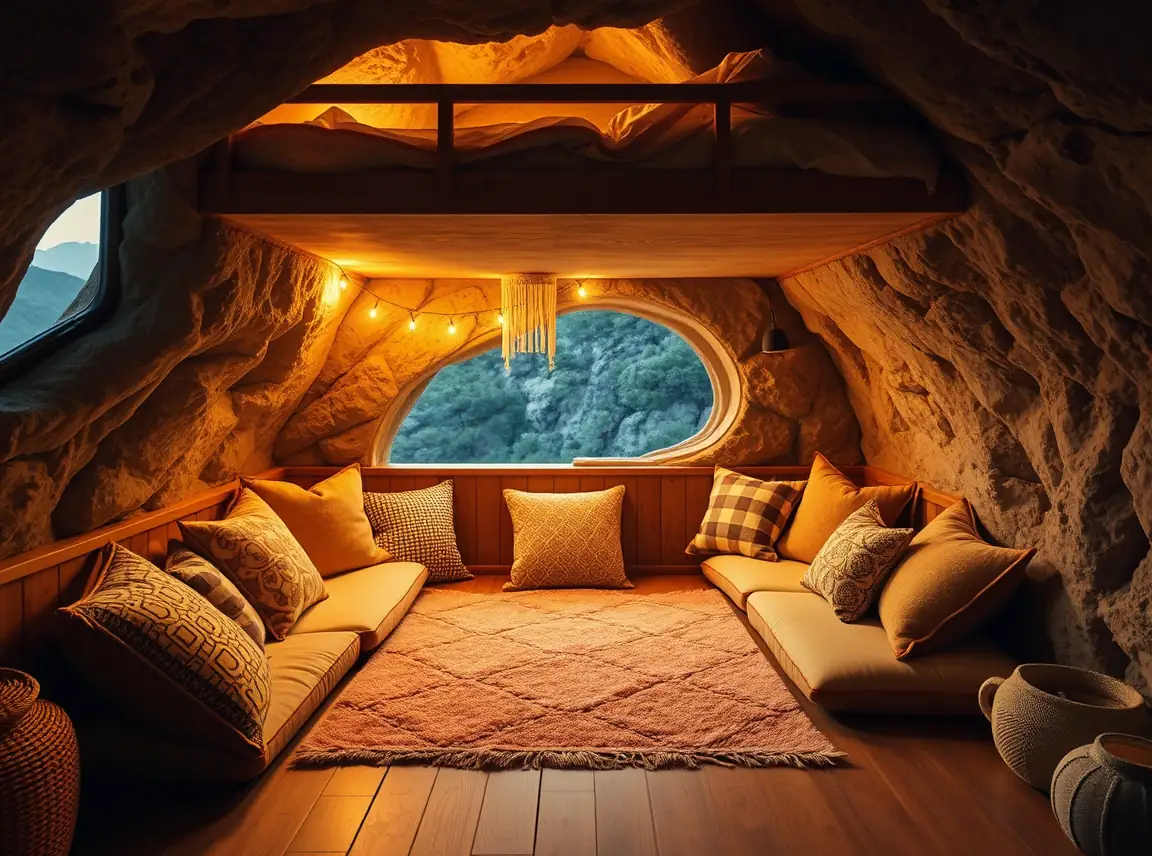
2. Create a Cozy Lounge Nook
Turn the under-bed area into a chill zone with floor cushions, a soft rug, and string lights. It becomes a little cave to relax, read, or hang out that isn’t your bed. Layer in a throw and a couple of pillows for full cozy mode, the same feel as a good cozy bedroom aesthetic.
3. Roll In Storage Carts and Drawers
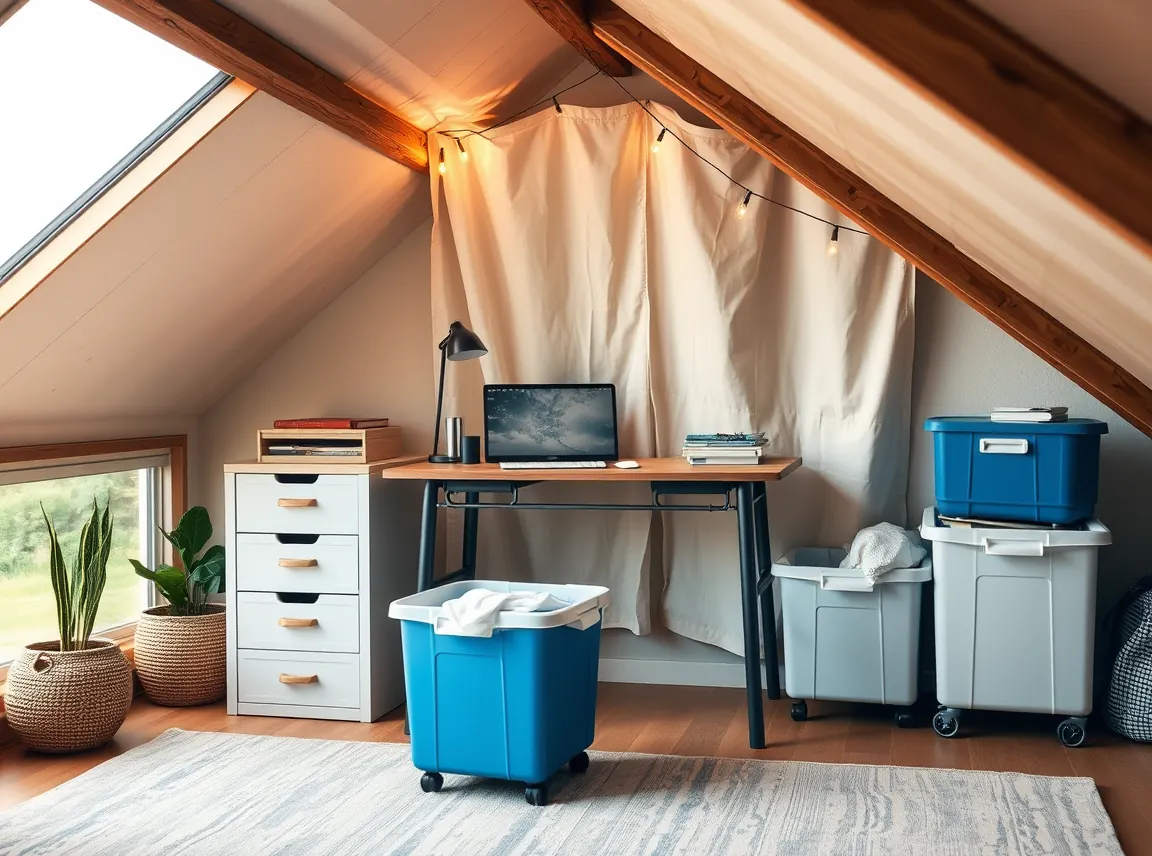
Rolling carts and stackable drawers make the most of under-loft space and pull out when you need them. Use them for clothes, supplies, or snacks, and roll them away to free up the floor. Clear or matching bins keep the look calm instead of cluttered.
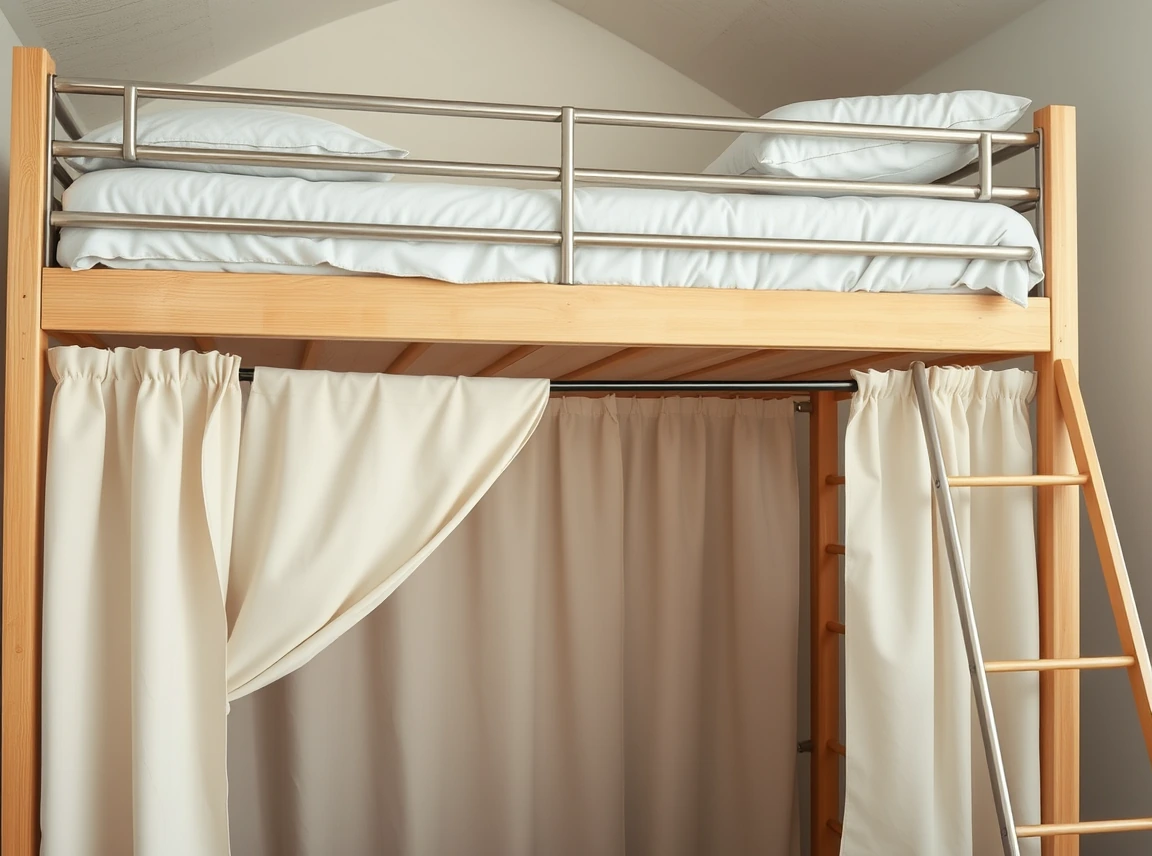
4. Curtain It Off for a Privacy Pod
A tension rod and a curtain, or a run of fabric on damage-free hooks, can enclose the under-bed area into a private pod. It hides clutter, adds a cozy den feel, and gives you a sense of your own space in a shared room. Sheer fabric keeps it airy, while heavier fabric blocks more light.
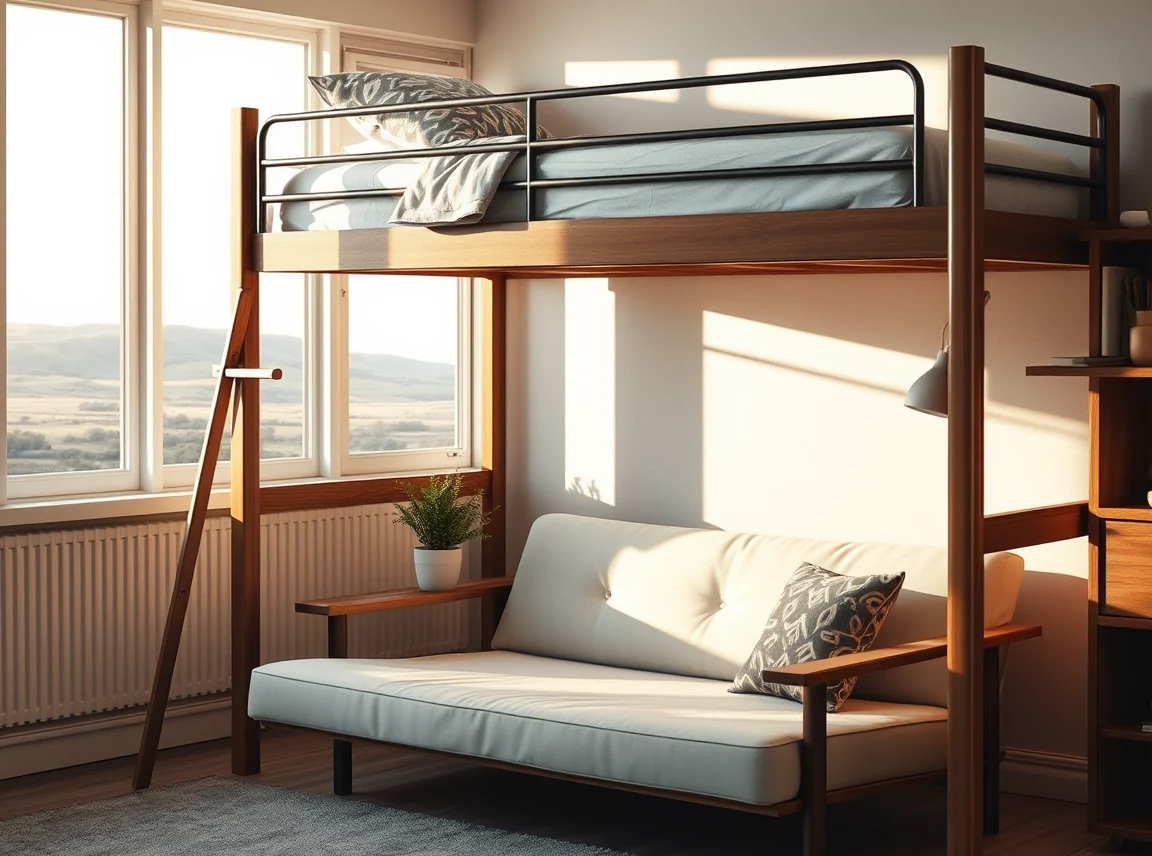
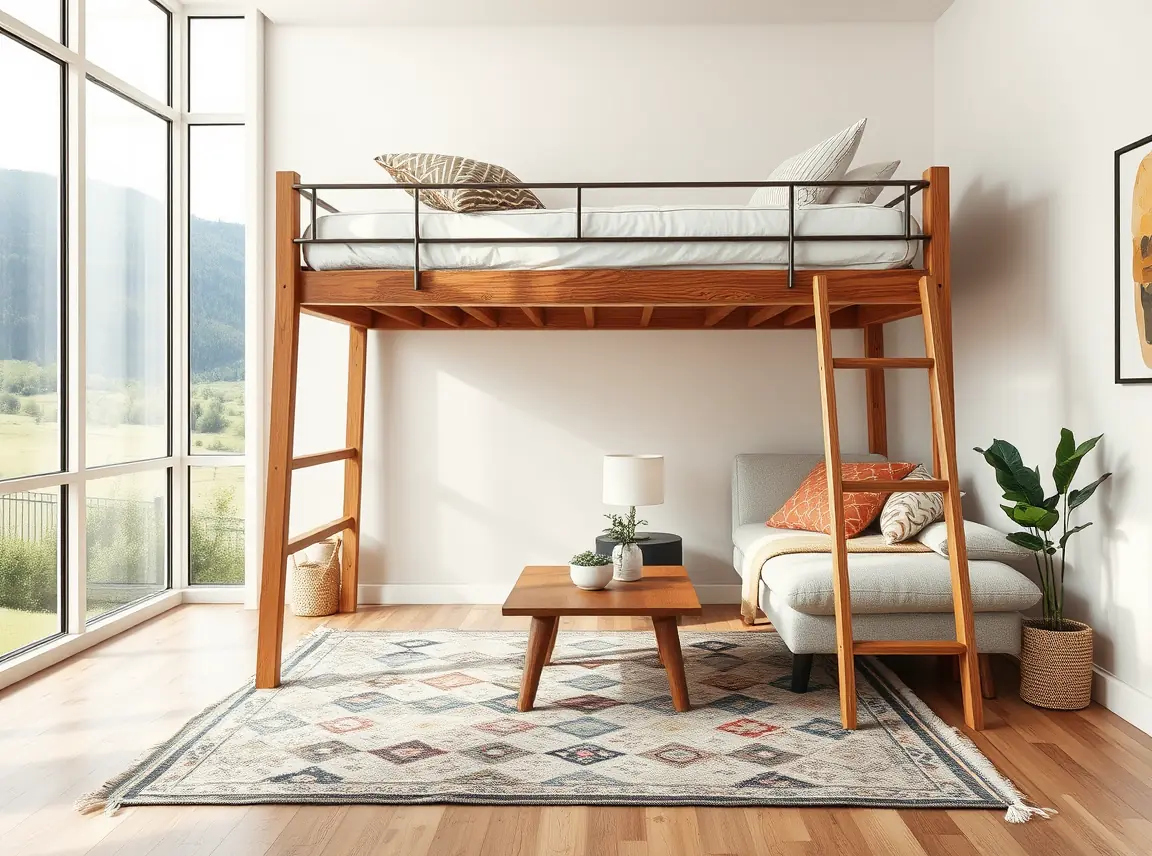
5. Add a Small Futon or Loveseat
If you’d rather have seating than a desk down there, a small futon or loveseat fits neatly under most lofts. It gives you and a guest somewhere to sit that isn’t the bed. A futon doubles as a spare sleeping spot when friends visit.
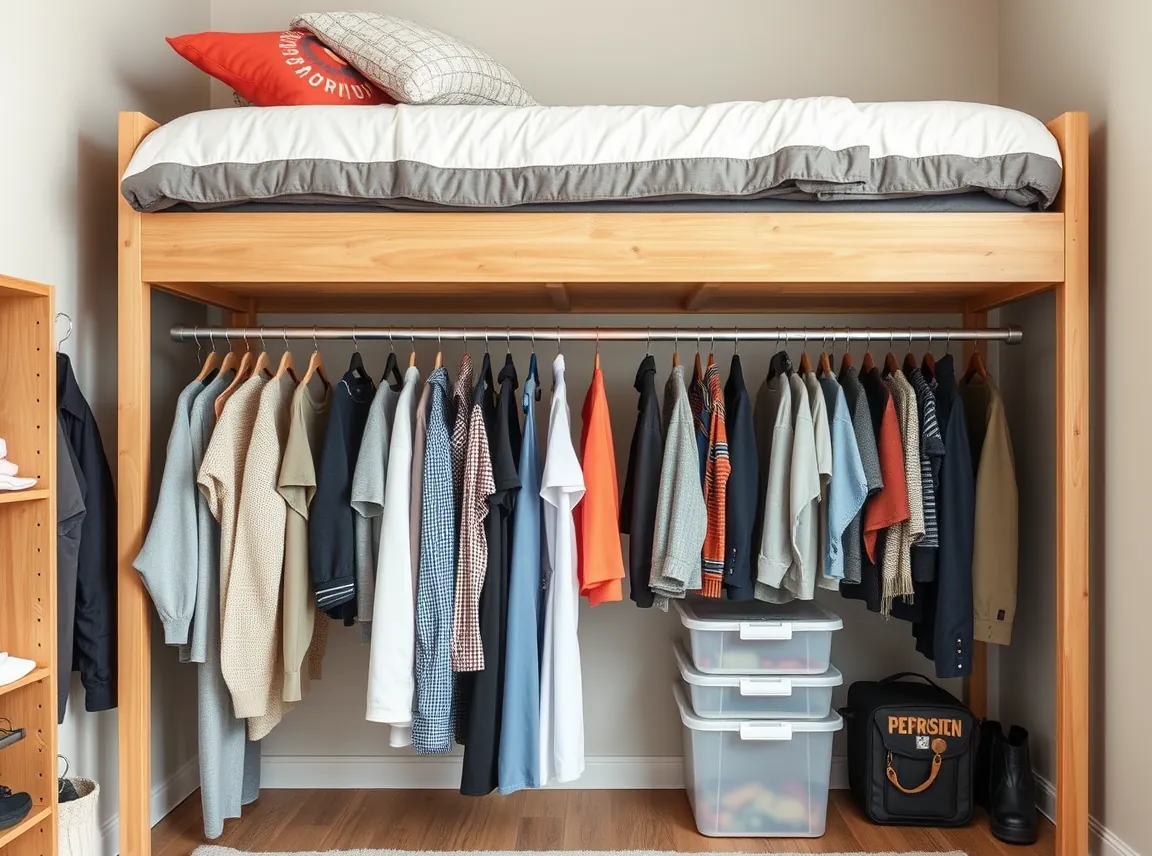
6. Hang a Garment Rack Closet
Dorm closets are tiny, so a garment rack under the loft doubles your hanging space. Add a few fabric bins on top or below for folded clothes and shoes. Curtain it off if you’d rather not see the whole wardrobe on display.
7. Go Vertical with Shelving
The wall behind your under-loft space is prime real estate. Add a narrow bookshelf or stacked cube storage to hold books, bins, and decor without eating floor space. Vertical storage is the secret to keeping a small dorm tidy.
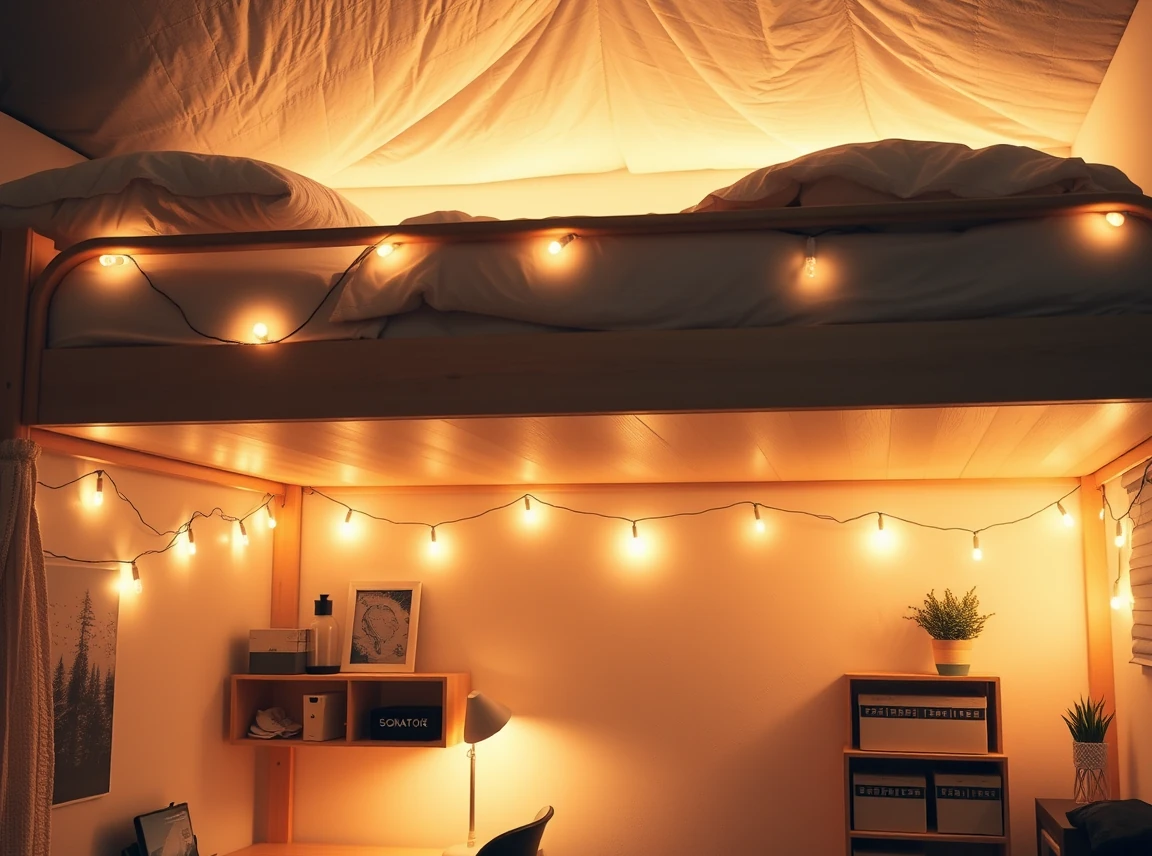
8. Light the Under-Loft Cave
The area under a loft gets dark fast, so lighting is essential. Run LED strips along the underside of the bed frame or clip string lights around the space for a warm glow. Zone lighting like this makes the nook feel intentional instead of gloomy.
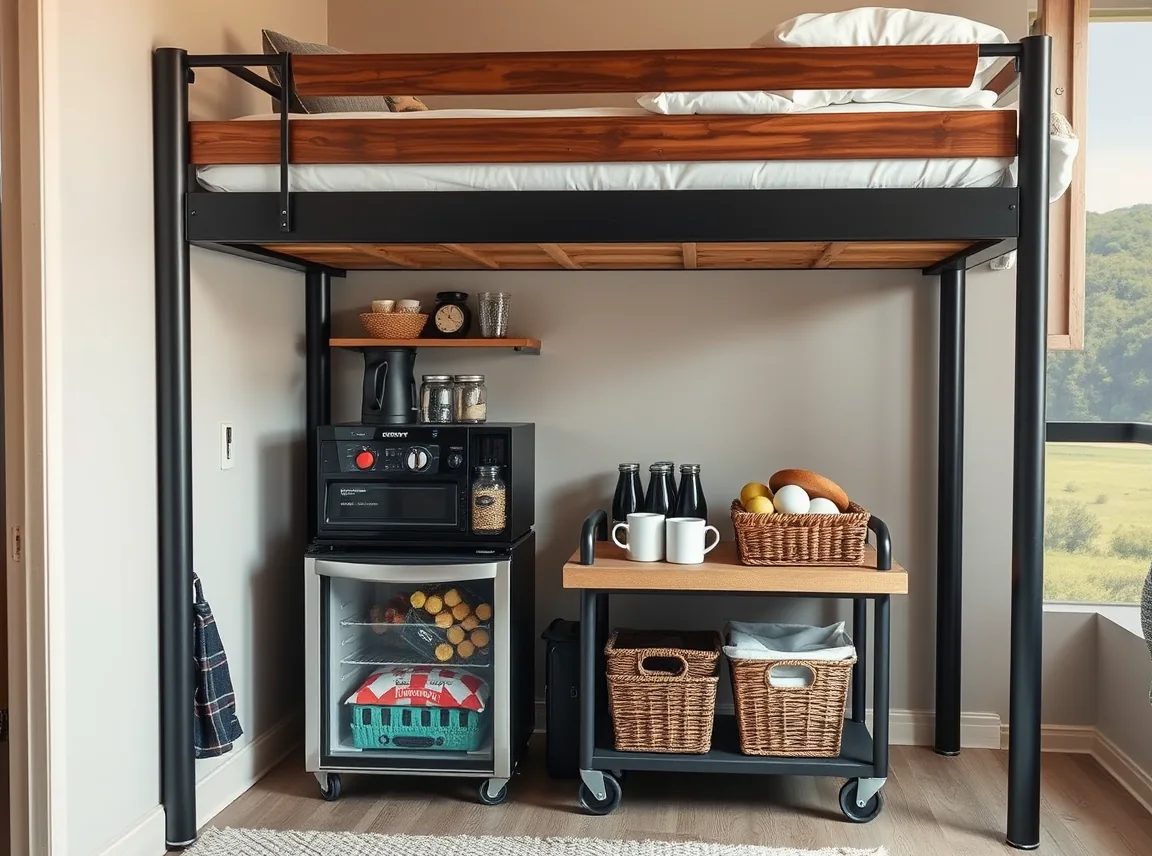
9. Fit a Mini Fridge and Snack Station
Under-loft space is perfect for a mini fridge, microwave, and a small snack or coffee station. Group them on a cart or low shelf so everything has a home. Keep a little clearance around appliances so they stay ventilated and safe.
10. Organize the Loft Rail Up Top
Don’t forget the bed itself. A bedside caddy that hangs from the loft rail keeps your phone, water, and glasses within reach so you’re not climbing down for everything. It saves space and midnight trips down the ladder.
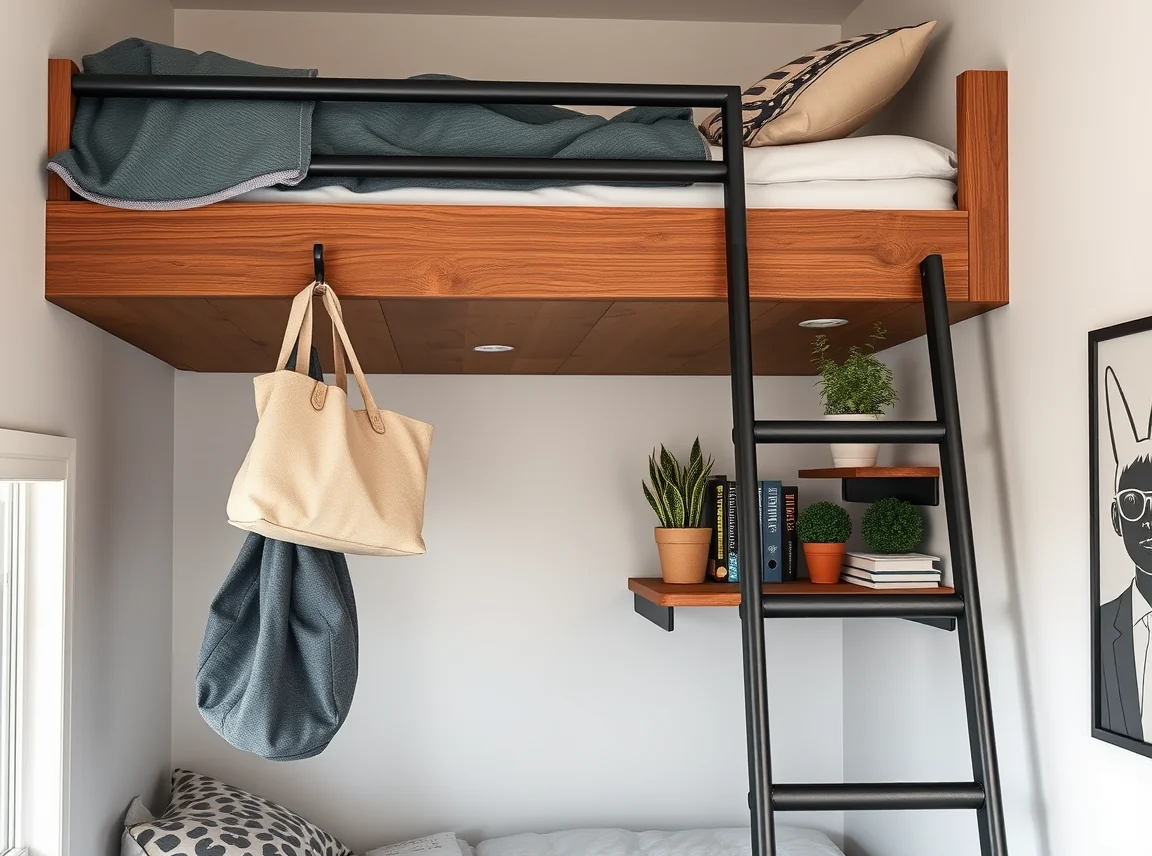
11. Use the Climb-Up Zone
The area by the ladder is easy to waste. Add a couple of adhesive hooks for bags and towels, or a slim ladder shelf beside it for plants and books. Every little pocket of space counts in a dorm.
12. Add a Fabric Backdrop
A tapestry or fabric panel hung on the wall behind your under-loft zone instantly warms up the space and hides scuffed dorm walls. Choose a boho or cottagecore print to set the mood. It makes the whole nook feel styled rather than improvised, an easy DIY boho decor touch.
13. Define the Zone with a Rug
A small rug under the loft visually separates that area from the rest of the room and softens the floor. It grounds a desk, futon, or lounge nook and makes it feel like its own little room. Pick a low-pile rug that’s easy to clean.
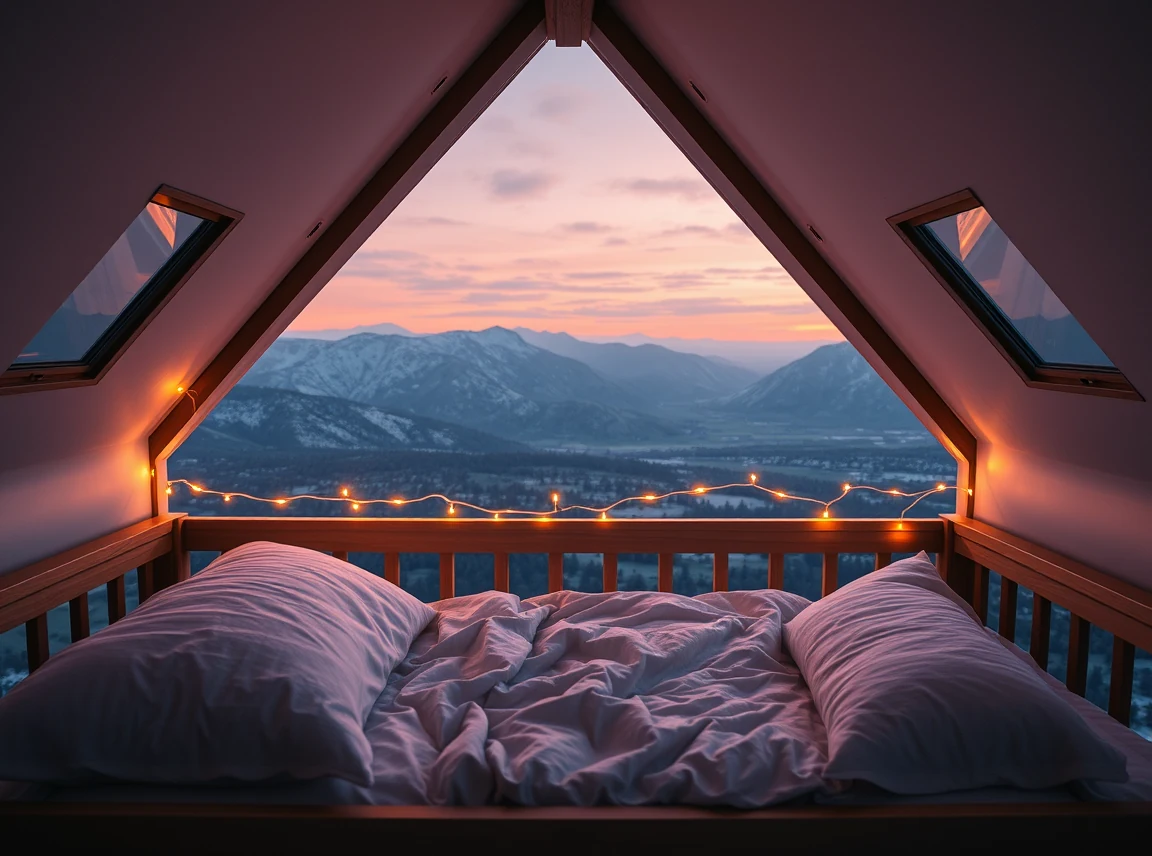
14. Cozy Up the Sleep Zone Above
The loft itself can feel exposed up high, so add comfort where you sleep. A short fairy-light strand along the rail and a couple of soft pillows make the top feel like a snug retreat. Keep bedding low-profile so you have headroom.
What to Put Under Your Lofted Bed
Not sure which setup fits your needs? Match your main goal to a setup below.
| Your Goal | Best Setup | Rough Cost |
|---|---|---|
| More study space | Desk, task lamp, wall shelf | $40 to $80 |
| A place to relax | Floor cushions, rug, string lights | $40 to $70 |
| Maximum storage | Rolling carts, cube shelves, bins | $50 to $90 |
| More closet space | Garment rack, fabric bins | $30 to $60 |
| Seating for guests | Small futon or loveseat | $80 to $150 |
Prices shift by store and season, so treat these as ballpark figures rather than exact quotes.
Terms & Styles to Know
A few quick terms that come up when you’re planning a lofted setup.
- Lofted bed: A dorm bed raised high on its frame to open up usable space underneath.
- Under-bed zone: The area beneath a lofted bed, used for a desk, storage, seating, or a nook.
- Cube storage: Modular open shelving that stacks to fit vertical space and holds bins.
- Tension rod: A spring-loaded rod that wedges between surfaces with no drilling, great for curtains.
- Zone lighting: Lamps and LED strips that light a specific area instead of one harsh overhead.
- Vertical storage: Using wall height rather than floor space to keep a small room tidy.
Maximize Under-Bed Space on a Budget
You don’t need to buy everything new. A desk or futon your dorm already provides slides right under the loft for free, and cheap rolling bins from Target or IKEA handle most storage. Add string lights and a fabric backdrop, and the space looks styled for very little. Buy the appliances or a futon secondhand to save the most.
Lofted Bed Safety You Shouldn’t Skip
A lofted bed is only a good idea if it’s set up safely. Make sure the bed is locked at the height your dorm allows, that the guard rail is in place, and that the ladder is secure before you climb. Check your dorm’s stated weight limit and never exceed it with people or heavy storage on the frame. If your bed wobbles or a bracket looks off, contact your resident advisor or facilities rather than fixing it yourself, since campus housing rules usually require staff to adjust the frame.
How to Measure Your Under-Loft Space
Before you buy anything, measure the clearance under your bed: floor to the bottom of the frame for height, plus the width and depth of the opening. Take those numbers shopping so your desk, futon, or fridge actually fits with a little breathing room. Leaving a few inches of clearance around appliances and furniture keeps the space usable and safe. For more ways to stretch a tight footprint, our small-space ideas go further.
Frequently Asked Questions
What can I put under a lofted dorm bed?
Common setups include a desk and study zone, a lounge nook with cushions, storage carts and bins, a garment-rack closet, or a small futon. Pick one main use so the space stays organized. Measure the clearance first so everything fits.
How do I make under my lofted bed cozy?
Add a soft rug, floor cushions, string lights or LED strips, and a fabric backdrop or curtain. Warm lighting is the key, since the space under a loft is naturally dark. Curtaining it off makes it feel like a private den.
Are lofted dorm beds safe?
Yes, when they’re assembled correctly with the guard rail up and the ladder secure. Stay within the posted weight limit and don’t climb up with your hands full. If anything wobbles or looks off, report it to your resident advisor or facilities rather than adjusting it yourself.
How much space is under a lofted bed?
It varies by school and by how high the bed is set, but many lofts leave enough room for a desk, futon, or mini fridge. Measure the floor-to-frame height and the width before you buy furniture. Always leave a little clearance so pieces fit comfortably.
Can I loft my dorm bed myself?
Many dorm beds are designed to be raised, but the rules differ by campus. Some let you adjust the frame, while others require facilities staff to do it. Check your housing guidelines before changing anything so you stay within the rules.
How do I add privacy to a lofted bed setup?
Hang a curtain or fabric panel around the under-bed area using a tension rod or damage-free hooks. This creates a private pod for studying or relaxing and hides clutter. Heavier fabric blocks more light and noise than sheer.
What’s the best storage for under a loft bed?
Rolling carts and stackable drawers are the most flexible, since they pull out and tuck away easily. Add cube shelving against the back wall for vertical storage. Matching bins keep the whole zone looking calm.
Final Thoughts
A lofted bed is one of the best space-savers a dorm can offer, as long as you use the gap underneath on purpose. Decide whether you want a study zone, a lounge, storage, or a closet, then light it well and keep it tidy. Measure first, set it up safely, and you’ll get a whole second zone out of one small room.
Ready to reclaim your floor space? Measure your under-loft area first, then pick the setup that fits how you live.
Written by Chase Morgan, home decor writer at The Style Verge.