

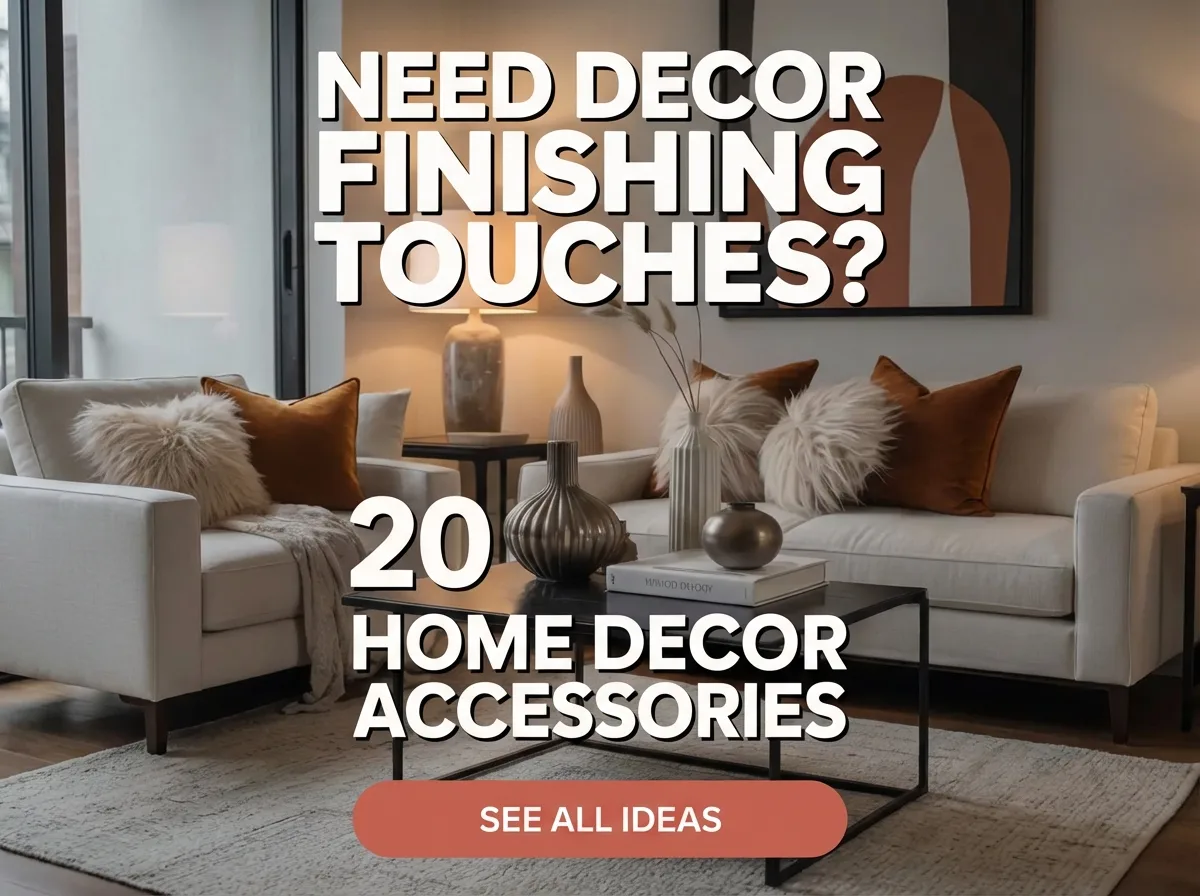
Home decor accessories add function and style to a space without changing major furniture. Small items like pillows, rugs, mirrors, and wall art help a room feel complete. Good accessories support daily use, keep the space organized, and match the room’s color and layout.
Home accessories work best when they stay simple and controlled. Too many accessories create clutter fast. A better plan uses fewer pieces with clear purpose. The guide below lists key home decor accessories and shows how to use them in a clean, balanced way.
Home Decor Accessories List
- Throw pillows
- Throw blankets
- Area rugs
- Curtains
- Mirrors
- Wall art
- Table lamps
- Floor lamps
- Candles
- Vases
- Decorative trays
- Baskets
- Indoor plants
- Books and book stacks
- Sculptures
- Picture frames
- Clocks
- Decorative bowls
- Shelf decor objects
- Accent stools
Throw Pillows
Throw pillows add comfort and color control. Pillows support seating and help sofas feel finished. Neutral pillows keep the room calm, while accent pillows add small color contrast.
Use two to five pillows per sofa, depending on sofa size. Choose pillow covers with soft fabric like cotton or linen. Keep patterns simple so the room stays clean.

Throw Blankets
Throw blankets add warmth and texture. A blanket also helps the room feel cozy without adding clutter. Throws work well on sofas, chairs, and benches.
Use one or two throws only. Choose knit, cotton, or soft woven textures. Fold the throw neatly or drape it in a simple way for a clean look.

Area Rugs
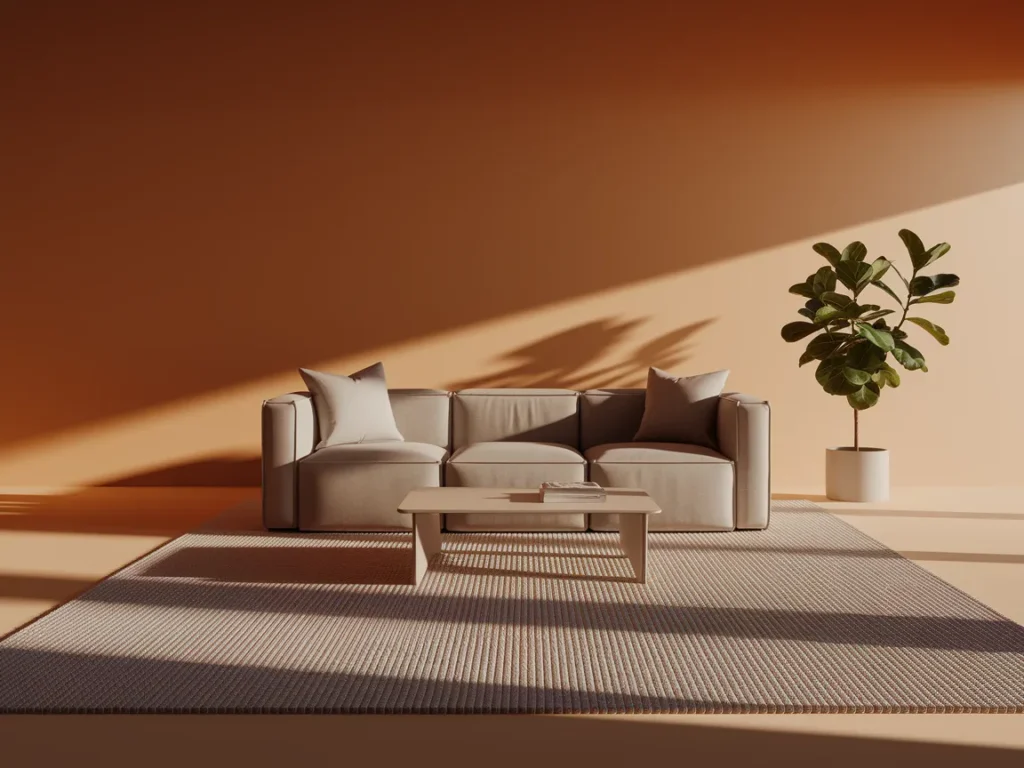
Area rugs define space and add softness underfoot. Rugs help separate zones like living, dining, or reading areas. They also reduce noise and improve comfort.
Choose a rug size that fits the furniture layout. Keep rug patterns calm so the room stays balanced. Neutral rugs work well for long-term styling.
Curtains
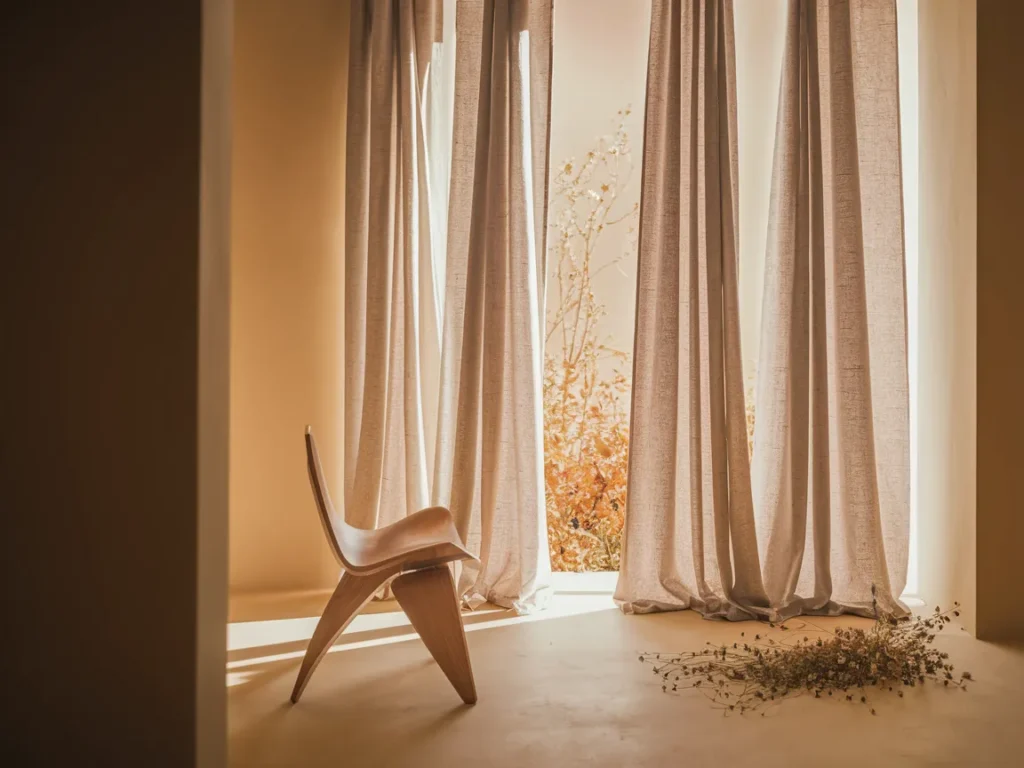
Curtains control light, privacy, and softness. They also help a room feel taller when hung close to the ceiling. Curtains improve comfort by reducing glare and softening window edges.
Use light fabrics like linen or cotton for a calm look. Keep curtain colors close to wall tones for balance. Avoid heavy patterns that make the room feel busy.
Mirrors
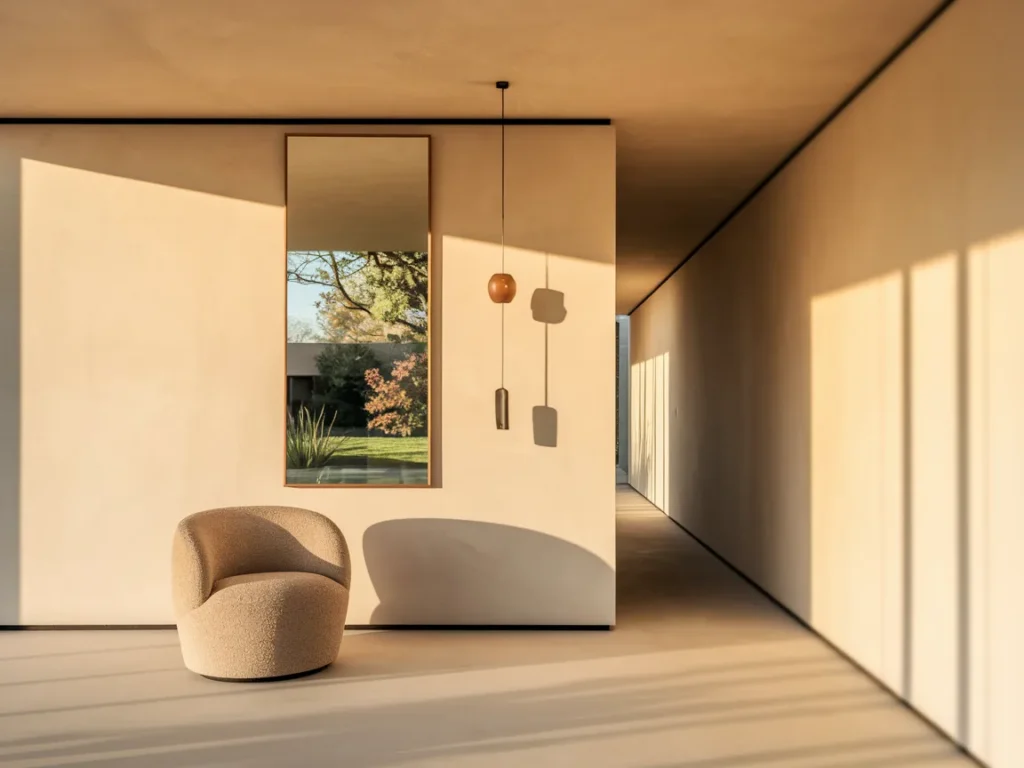
Mirrors reflect light and help spaces feel larger. A mirror also adds structure to empty walls without using floor space. Mirrors work well in living rooms, bedrooms, hallways, and entry areas.
Use one large mirror instead of many small ones. Choose a simple frame for a clean look. Place mirrors where they reflect a window or a bright wall area.
Wall Art
Wall art adds personality and helps a room feel complete. Art also supports color control by repeating tones from furniture and decor. The best wall art feels balanced and not crowded.
Use one large art piece or a clean pair of frames. Keep spacing even and frames simple. Avoid too many small pieces that create clutter.
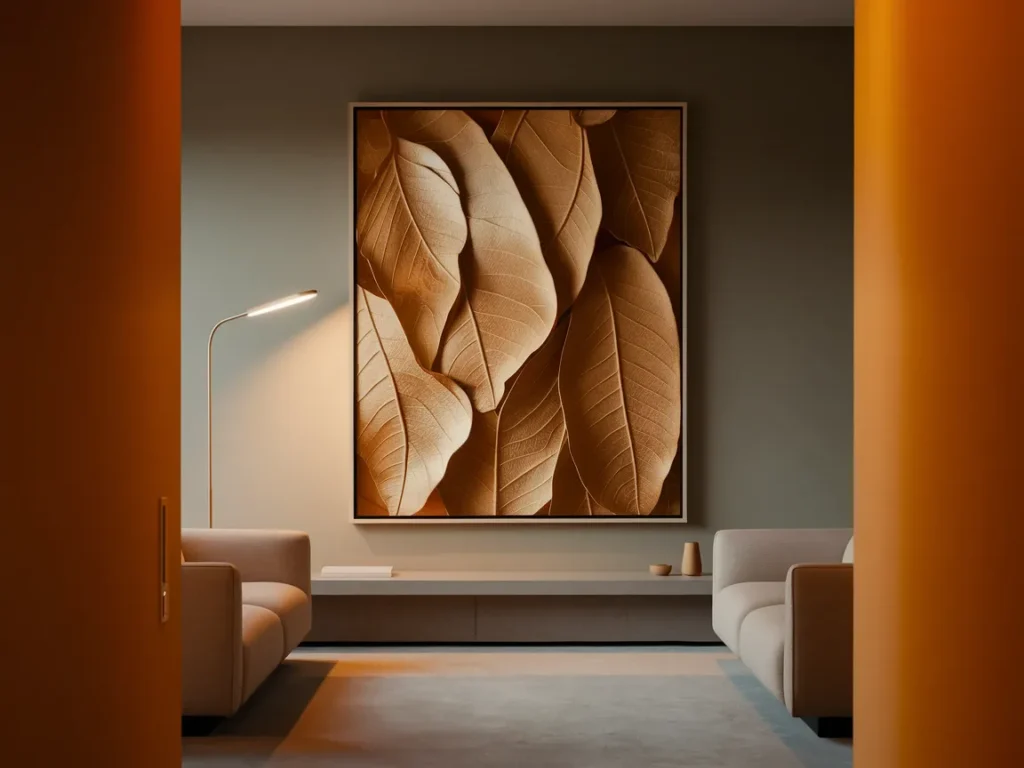
Table Lamps
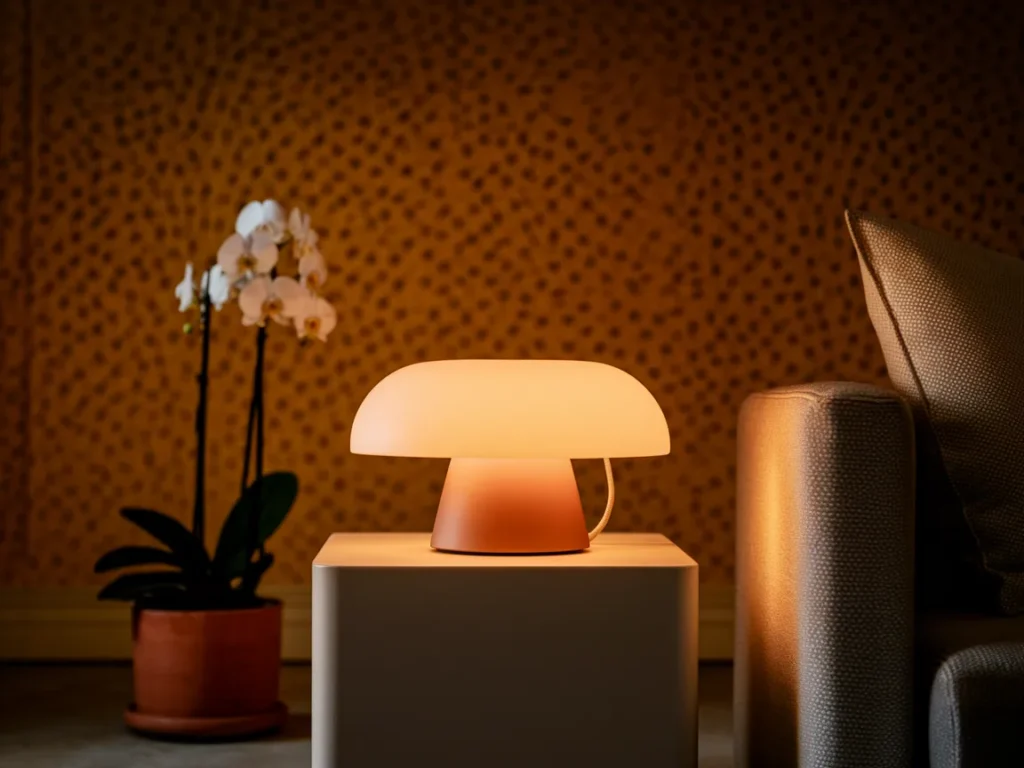
Table lamps add soft light near seating areas. They reduce harsh overhead lighting and help rooms feel warmer at night. Lamps also add height balance on side tables and consoles.
Use warm bulbs for comfort. Keep lamp shades simple and neutral. Place lamps near sofas, beds, or reading areas for daily function.
Floor Lamps
Floor lamps provide light without needing extra surfaces. They work well in corners or beside sofas and chairs. Floor lamps help fill empty space while staying functional.
Choose a slim lamp design so the room stays open. Use warm lighting to support a calm mood. Floor lamps improve comfort during reading and evening time.

Candles
Candles add soft light and calm mood. They work well on coffee tables, shelves, and nightstands. Candles also add style through shape and grouping.
Use candles in small clusters like two or three items. Keep holders in the same tone for a clean look. LED candles also work well for safe long-term use.

Vases
Vases add height and natural styling. They work well on mantels, shelves, and dining tables. A vase looks best when the shape stays simple and the color stays neutral.
Use one tall vase or a pair of small matching vases. Add light greenery or dried stems for texture. Avoid large bouquets that feel messy.

Decorative Trays
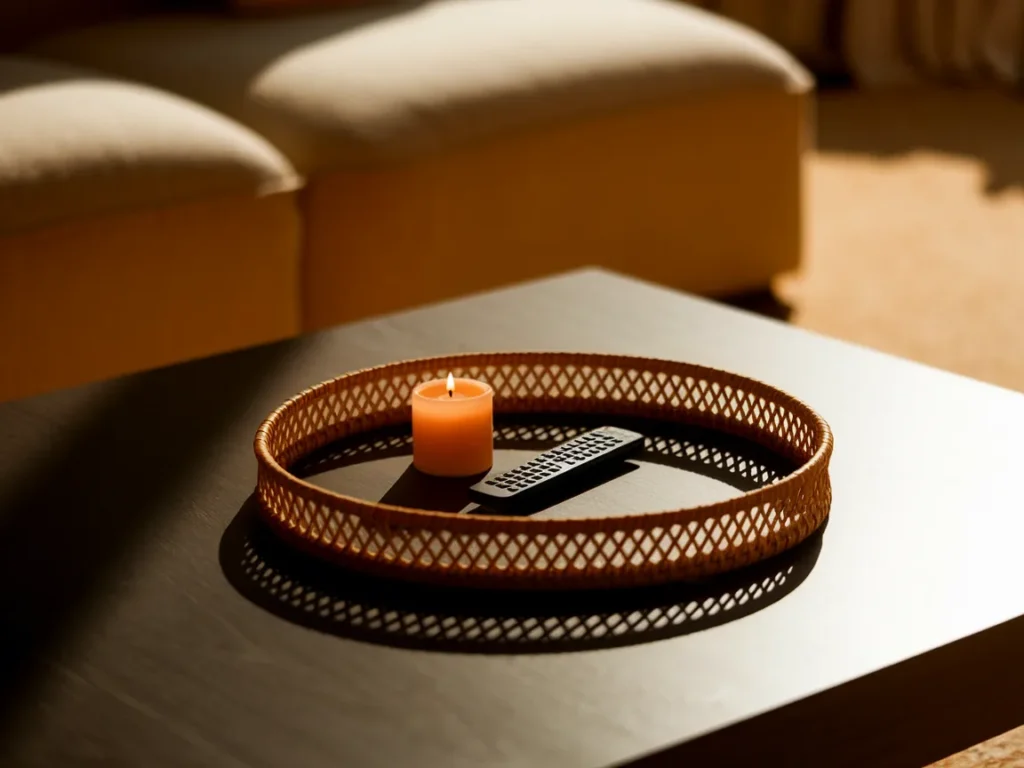
Decorative trays organize small items and keep surfaces clean. Trays work well on coffee tables, nightstands, and dressers. They help control clutter by grouping items in one place.
Use one tray per surface. Keep only daily items inside, like remotes or candles. Choose trays in wood, ceramic, or matte metal for a calm look.
Baskets
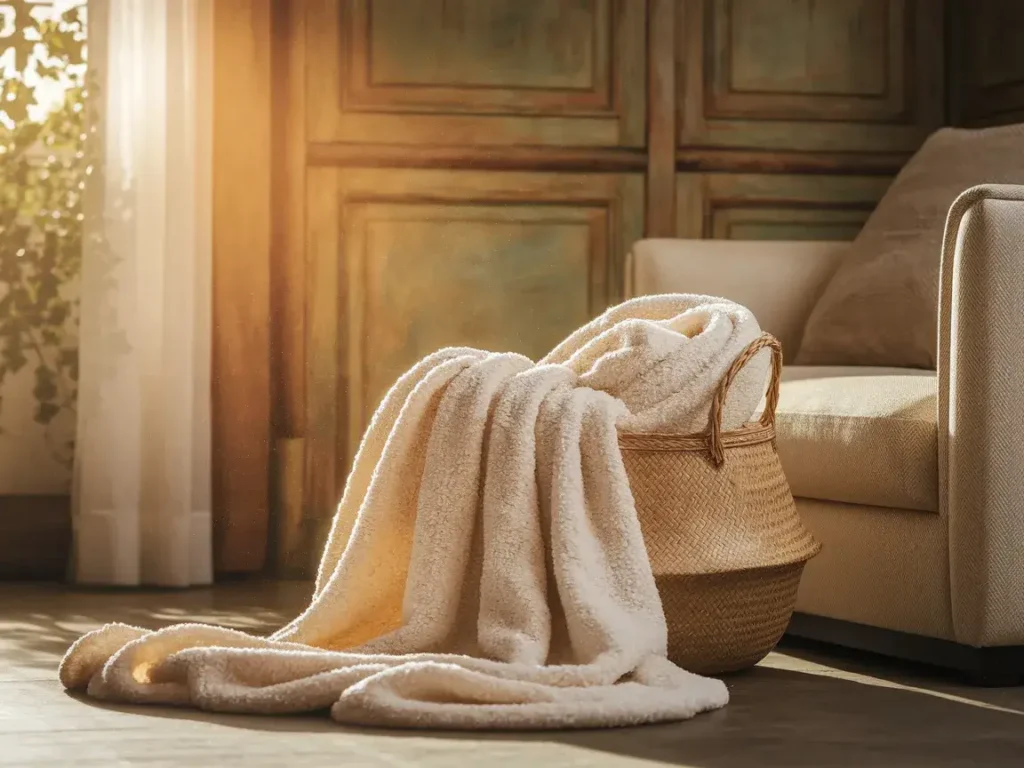
Baskets add storage and texture. They hide clutter like blankets, toys, and magazines. Baskets also support natural decor because woven fiber looks warm and soft.
Use baskets near sofas, under consoles, or beside shelves. Choose sizes that fit the space and keep the room open. A basket helps a room stay organized without extra cabinets.
Indoor Plants
Indoor plants add life and balance. Plants soften corners and add natural color without needing extra decor pieces. They work well in living rooms, bedrooms, and hallways.
Use one tall plant and one or two small plants for control. Keep planters simple, like clay, white ceramic, or woven styles. Plants improve the space without clutter.

Books And Book Stacks
Books add height, texture, and structure. Book stacks work well on coffee tables, consoles, and shelves. They also act as bases for small decor items like candles or bowls.
Use two to four books per stack. Choose covers in calm colors for a clean look. Keep stacks neat so the surface stays organized.
Sculptures
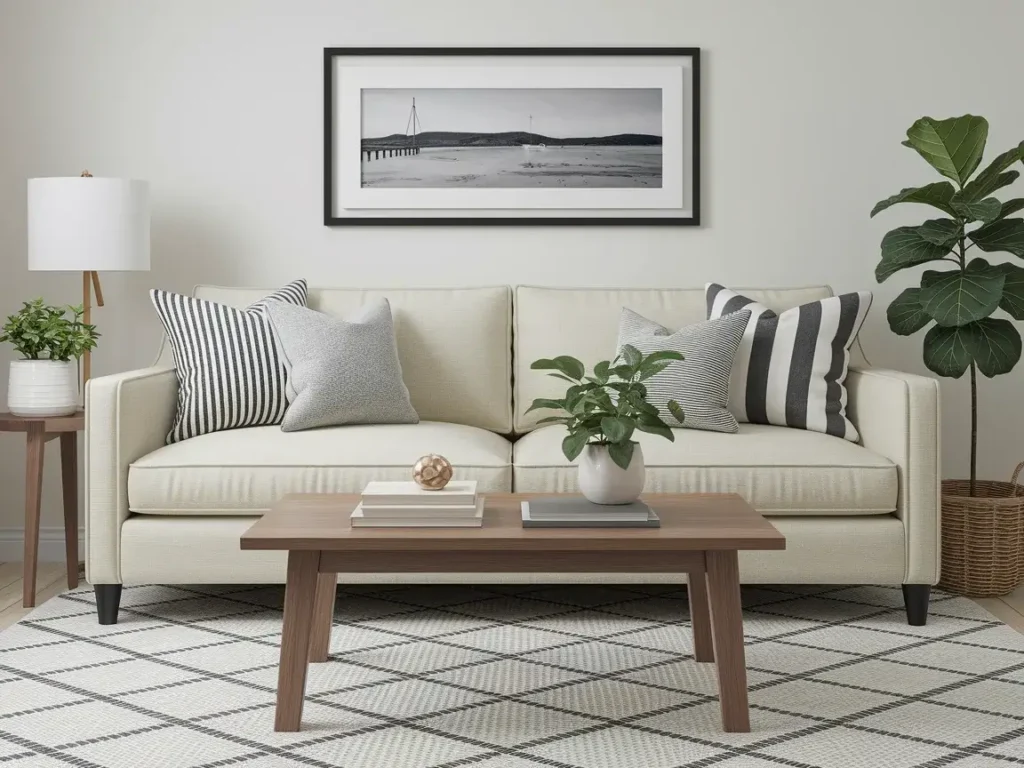
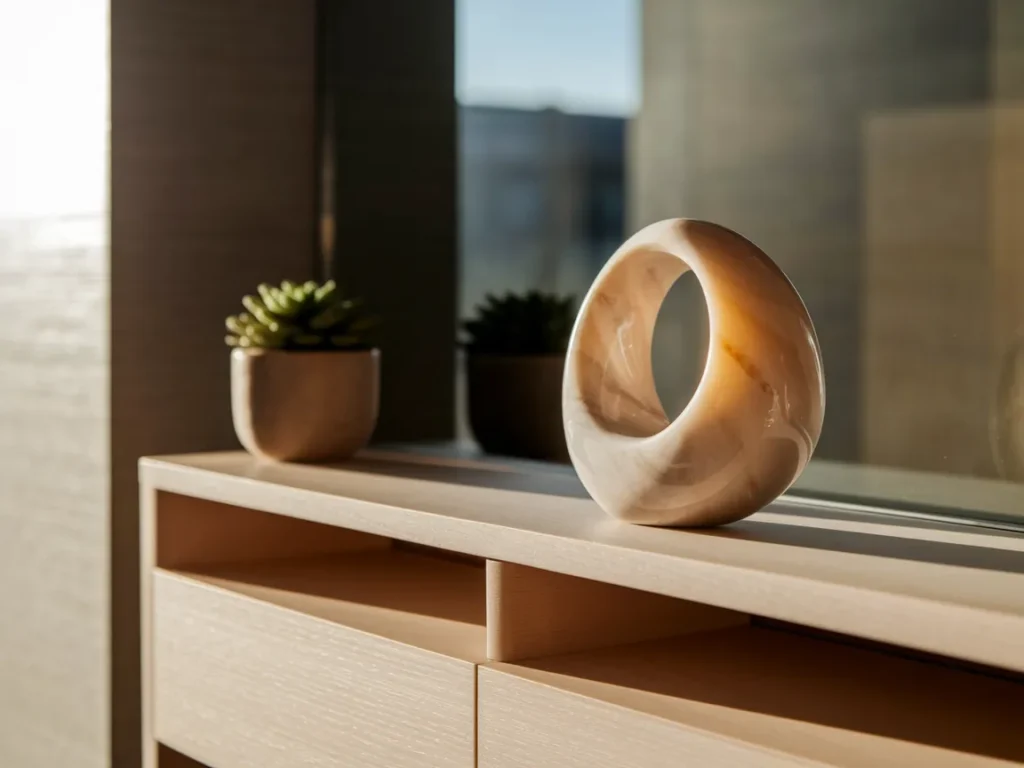
Sculptures add shape and detail without needing extra color. A single sculptural piece can act as a focal decor item on a shelf, table, or console. Sculptures also add texture through ceramic, wood, or stone finishes.
Use one medium sculpture instead of many small items. Place it with open space around it so it stands out. Keep sculpture tones neutral for balance.
Picture Frames
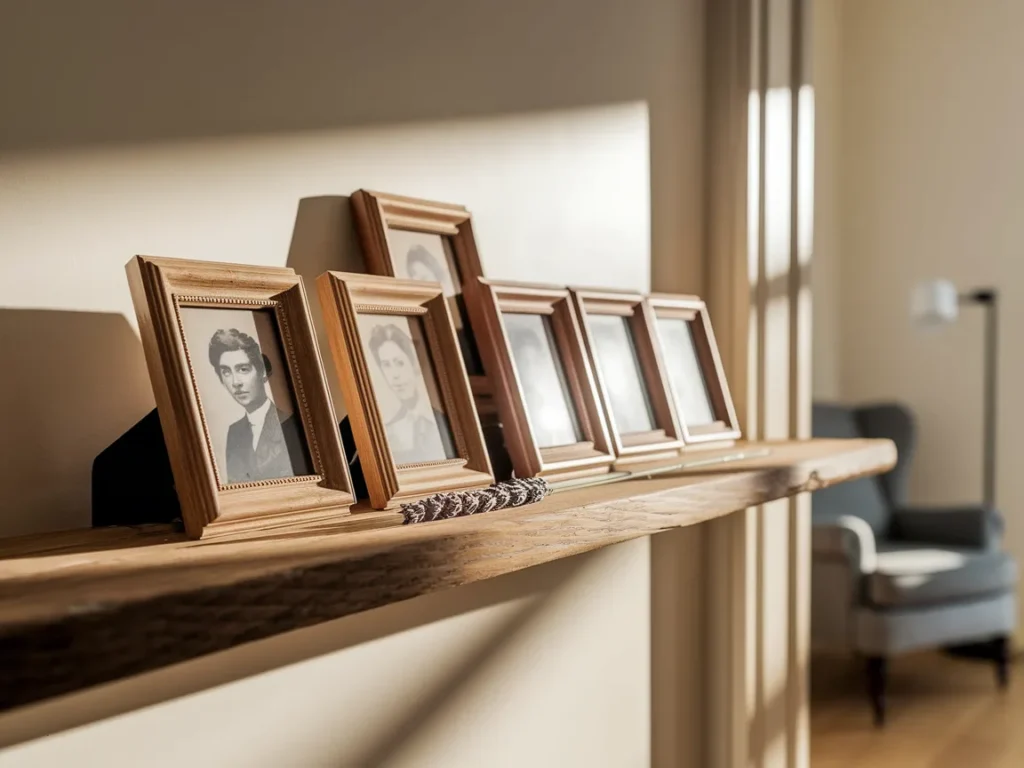
Picture frames add personal detail and warmth. Frames work best when they stay consistent in style and color. A clean set of frames looks organized and avoids clutter.
Use one large frame or two to three matching frames. Place them on a shelf, console, or wall in a simple arrangement. Avoid mixing many frame styles at once.
Clocks
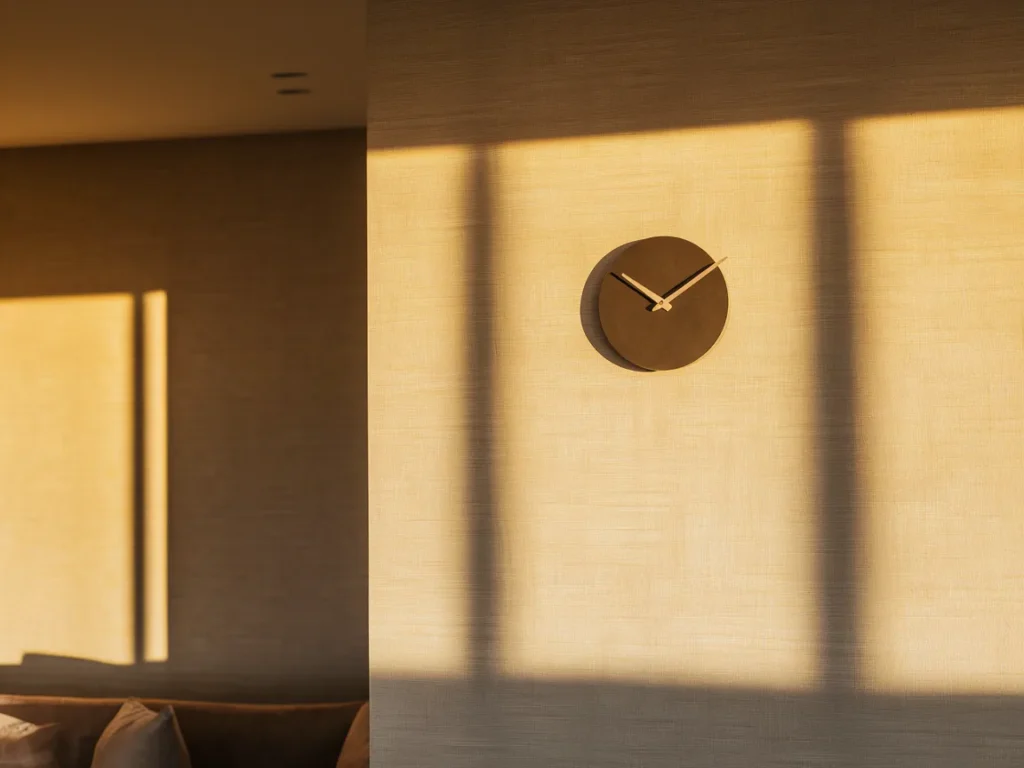
Clocks add function and wall balance. A simple wall clock works well in living rooms, kitchens, and hallways. Clocks also help fill empty wall space without needing many art pieces.
Choose a clock style that matches the room tone, like wood, black metal, or soft neutral finishes. Keep the size large enough to feel intentional.
Decorative Bowls
Decorative bowls add texture and surface styling. Bowls work well on coffee tables, consoles, and dining tables. They can also hold small items like keys or wrapped snacks.
Use one bowl per surface and keep it centered or placed with a tray. Choose materials like ceramic, wood, or stone for calm farmhouse or modern looks.
Shelf Decor Objects
Shelf decor objects fill vertical space without adding furniture. Small items like vases, frames, and plants work well on shelves. Shelf styling looks best when it stays light and spaced out.
Use only a few items per shelf and leave empty space. Repeat similar colors and materials for balance. Avoid filling every shelf because it makes the room feel busy.
Accent Stools
Accent stools add extra seating and style. They work well in living rooms, bedrooms, and entry areas. A stool can also act as a small side table when needed.
Choose a stool with a simple shape and soft finish. Use one stool only to avoid crowding the room. Accent stools improve function while keeping the space flexible.
Frequently Asked Questions
How Do I Choose The Right Home Decor Accessories?
Choose accessories based on function first and style second. Start with items you use daily, like rugs, curtains, lamps, and trays. Then add small styling pieces like vases, frames, and plants. Keep colors consistent so the room stays calm. Use fewer pieces with better placement instead of filling every surface.
How Many Accessories Should A Room Have?
A room needs enough accessories to feel complete, but not so many that it feels crowded. A good setup uses one rug, one wall art focus, two light sources, and a few small table pieces. When surfaces look full, remove one item before adding another. Empty space helps the room feel clean.
What Accessories Make A Room Look More Expensive?
Accessories look higher-end when they feel consistent and well placed. Large mirrors, clean wall art, neutral rugs, and warm lighting improve the look fast. Natural materials like wood, linen, and ceramic also add quality. Keeping decor minimal and organized makes the room feel more premium.
How Can I Decorate Without Making The Room Look Cluttered?
Decor stays clean when each item has a clear role. Use trays for small objects and baskets for storage. Keep shelves lightly styled with space between objects. Limit accent colors and repeat the same materials across the room. When the room feels crowded, remove items instead of adding more.
Final Thoughts
Home decor accessories shape comfort, style, and daily function. Rugs define space, curtains soften light, and lamps improve evening comfort. Mirrors and wall art add wall balance, while trays and baskets control clutter. Plants and texture pieces add warmth without adding noise. The best accessory styling stays simple, consistent, and easy to maintain over time.

