


Home gym rubber flooring gives the best mix of grip, noise control, and floor protection. I used rubber flooring in my own setup after testing foam and thin mats, and rubber felt more stable for lifting and safer for daily workouts. Rubber also keeps the gym looking clean because it hides scuffs better than light floors.
12 Ideas List
- Interlocking rubber tiles for easy install
- Rubber rolls for a seamless look
- Stall mats for heavy lifting zones
- Rubber tiles with speckle finish
- Rubber flooring for garage gyms
- Rubber mats under a squat rack
- Rubber flooring for dumbbell zones
- Rubber flooring with taped edges
- Rubber runners for narrow gyms
- Rubber flooring for cardio machines
- Rubber flooring cleaning routine
- Final rubber flooring rule
Interlocking Rubber Tiles For Easy Install
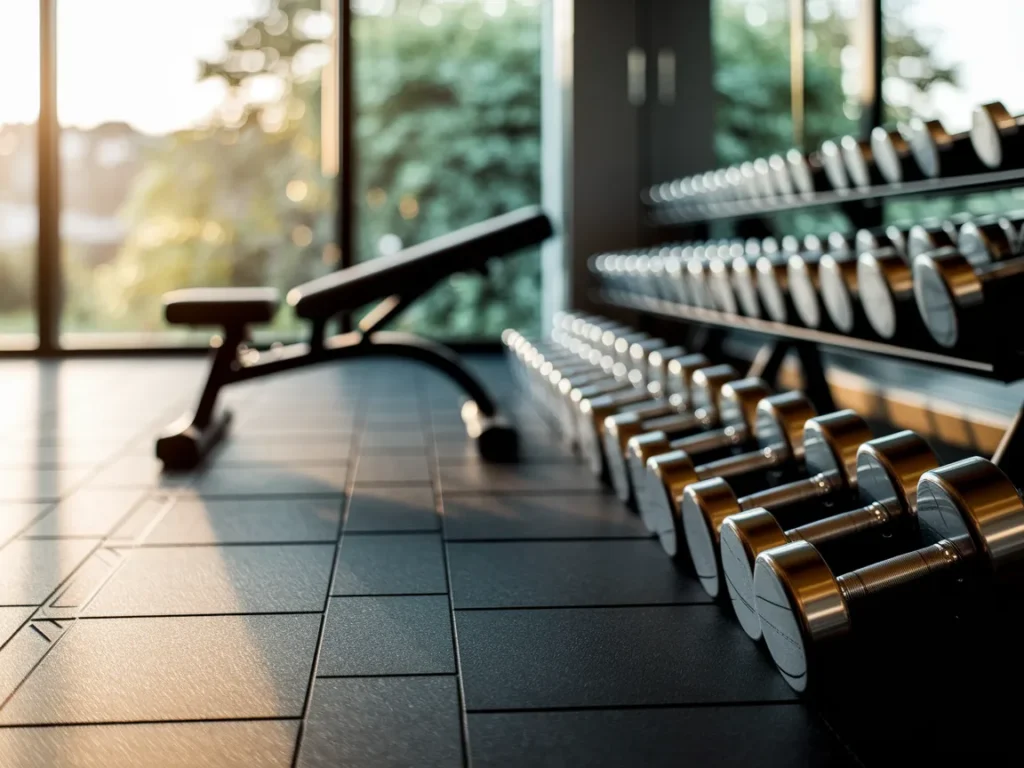
Interlocking rubber tiles work well because they snap together fast and stay stable under equipment. I used thicker tiles in my main workout zone so the floor felt firm during squats and lunges. Interlocking edges also reduce sliding, which keeps the setup safer. This option looks clean when seams line up straight and the tiles cover wall-to-wall.
Rubber Rolls For A Seamless Look
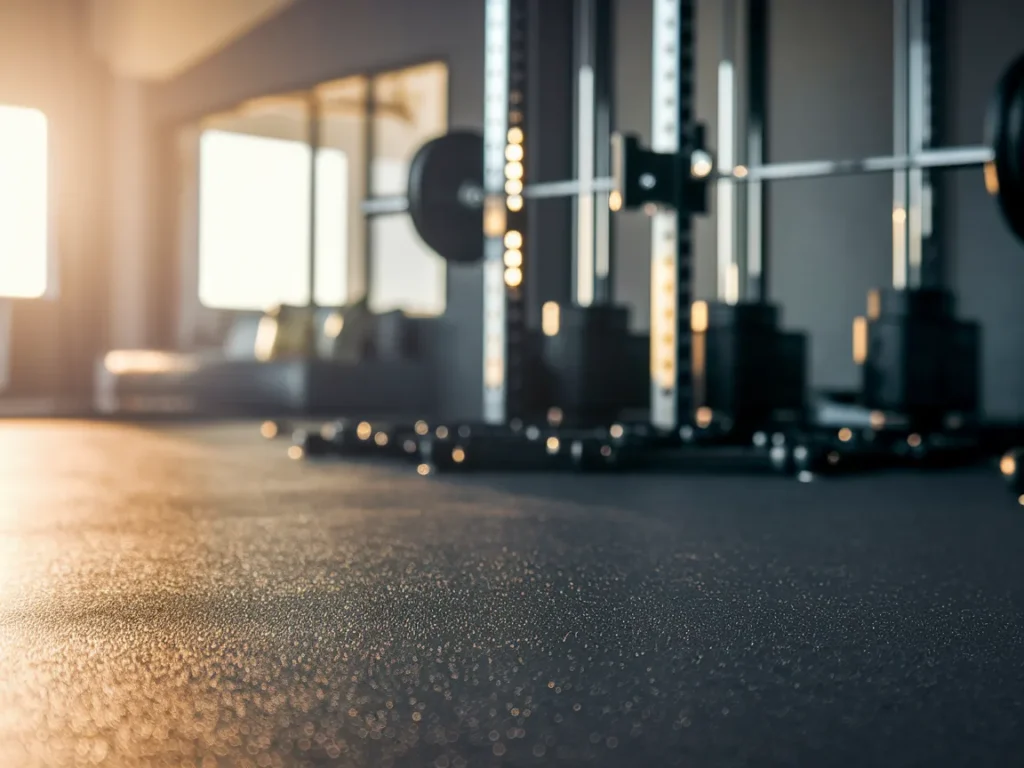
Rubber rolls create a smooth gym floor without many seams. I used rubber rolls in a lifting area because the surface stayed flat and did not separate over time. This also reduced noise better because the floor stayed continuous. Rubber rolls look more “pro gym” and make the room feel finished with one clean layer.
Stall Mats For Heavy Lifting Zones
Stall mats work best for heavy lifting because they are thick and built for impact. I placed stall mats under my deadlift and dumbbell drop zone to protect the base floor. Stall mats also reduce vibration, which helps in shared homes. This is one of the strongest rubber flooring choices for strength training.
Rubber Tiles With Speckle Finish
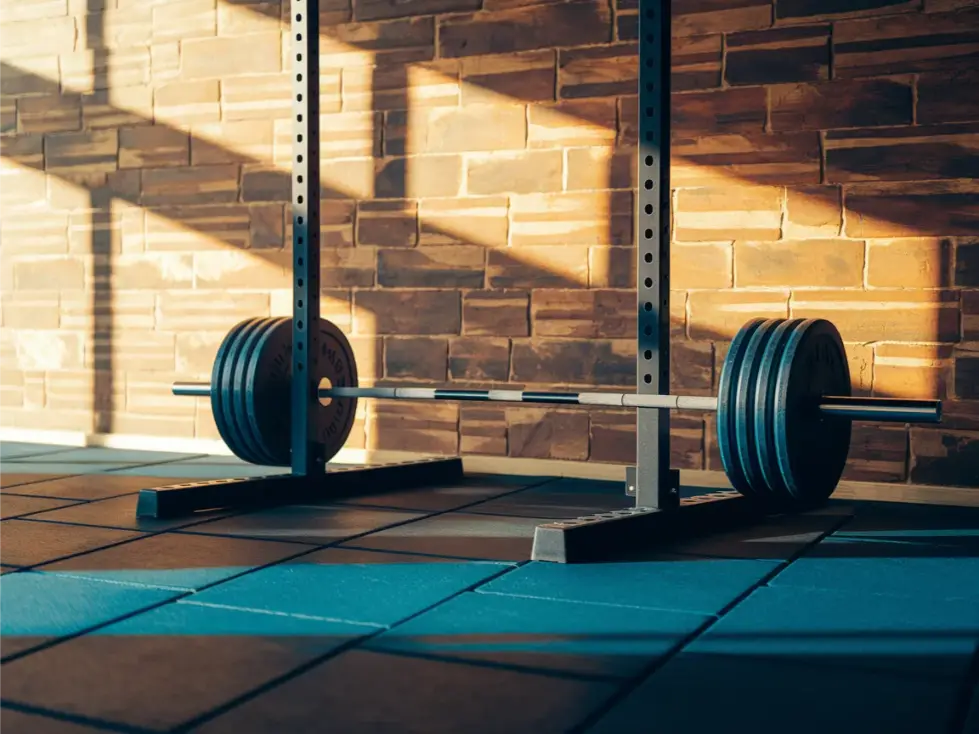
Rubber tiles with a speckle finish look clean because they hide dust, chalk marks, and small scuffs better than solid black. I used speckle tiles in a high-traffic workout spot and the floor stayed better-looking between cleanups. The speckle style also adds a gym-style feel without needing extra decor. This option works best with thicker tiles so the surface stays stable under weights.

Rubber Flooring For Garage Gyms
Rubber flooring works well in garage gyms because it handles moisture, dirt, and temperature shifts better than foam. I used rubber mats in a garage-style setup since cleanup stayed quick with a broom and wipe. Rubber also improved grip, which helped stop slips on colder floors. This idea works best when the rubber covers the full training area so edges do not curl.
Rubber Mats Under A Squat Rack
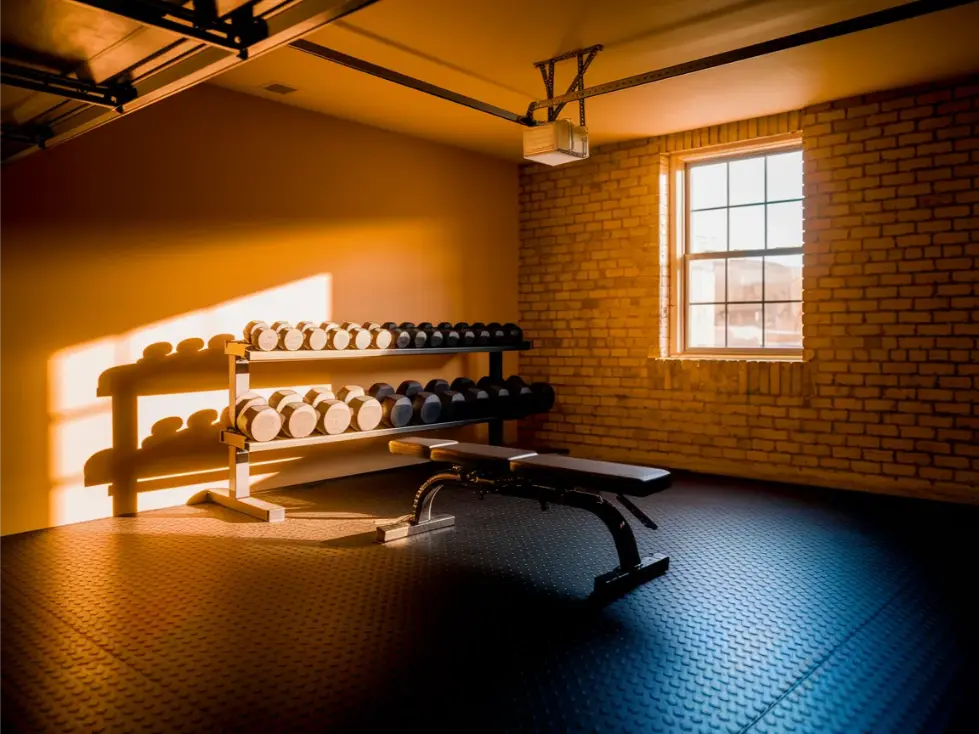
Rubber mats under a squat rack protect floors from heavy pressure and barbell impact. I placed thick rubber under the rack base and lifting zone so it stayed stable. This also reduced vibration through the floor, especially during heavy sets. A protected rack zone keeps the gym safer and helps equipment last longer.
Rubber Flooring For Dumbbell Zones
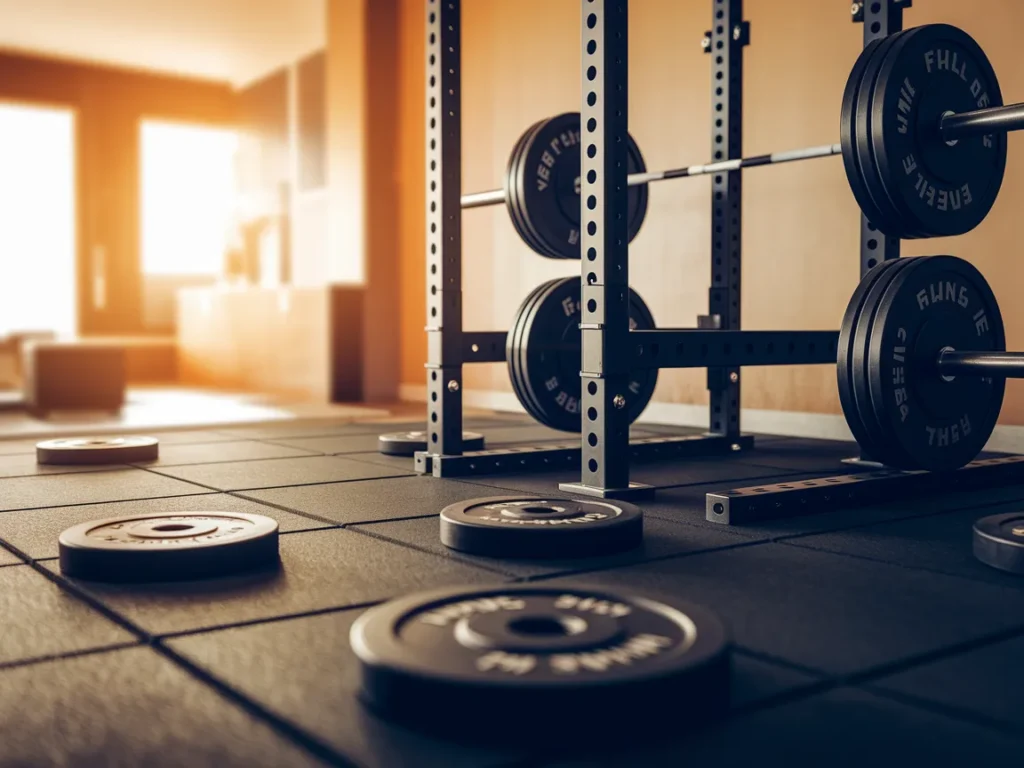
A dumbbell zone needs rubber flooring because drops and heavy movement damage hard floors fast. I used thick rubber tiles under my dumbbell rack and workout area to reduce noise and protect the surface. Rubber also helped keep dumbbells from rolling too far after sets. This idea improves safety and keeps the space looking clean.
Rubber Flooring With Taped Edges
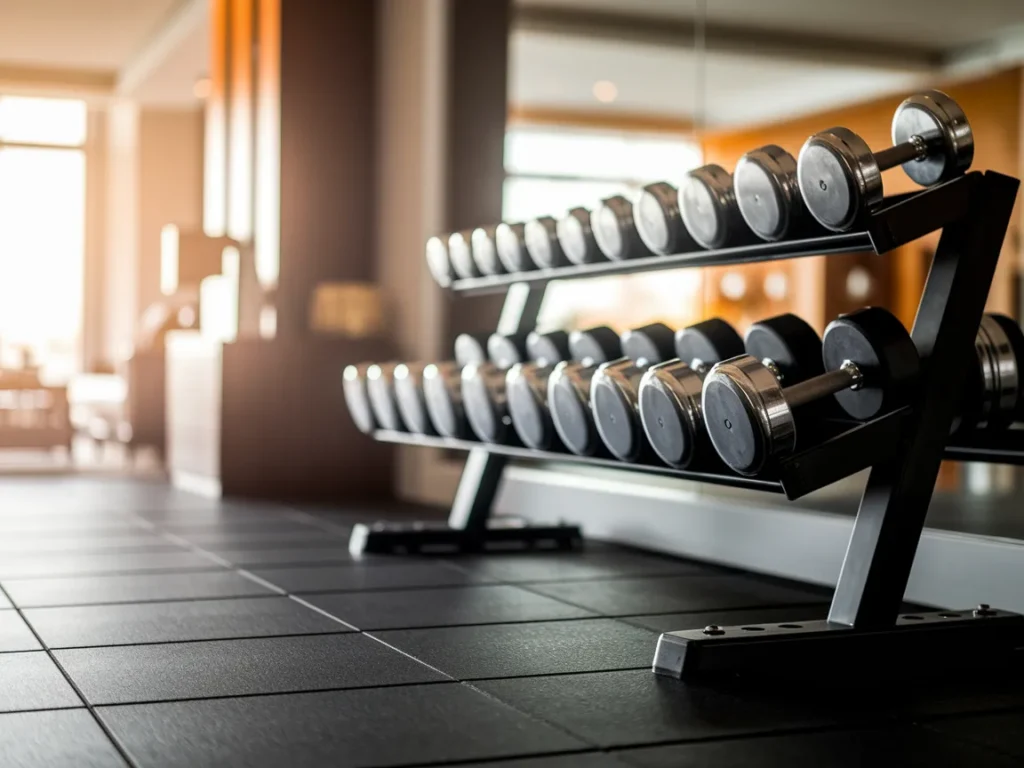
Rubber flooring with taped edges helps stop corners from lifting, especially in small gyms where mats get moved often. I used strong floor tape on the outer edges to keep seams tight and reduce shifting. This also created a clean border that made the setup look more finished. Taped edges work best when the floor stays clean and dry before applying tape.
Rubber Runners For Narrow Gyms
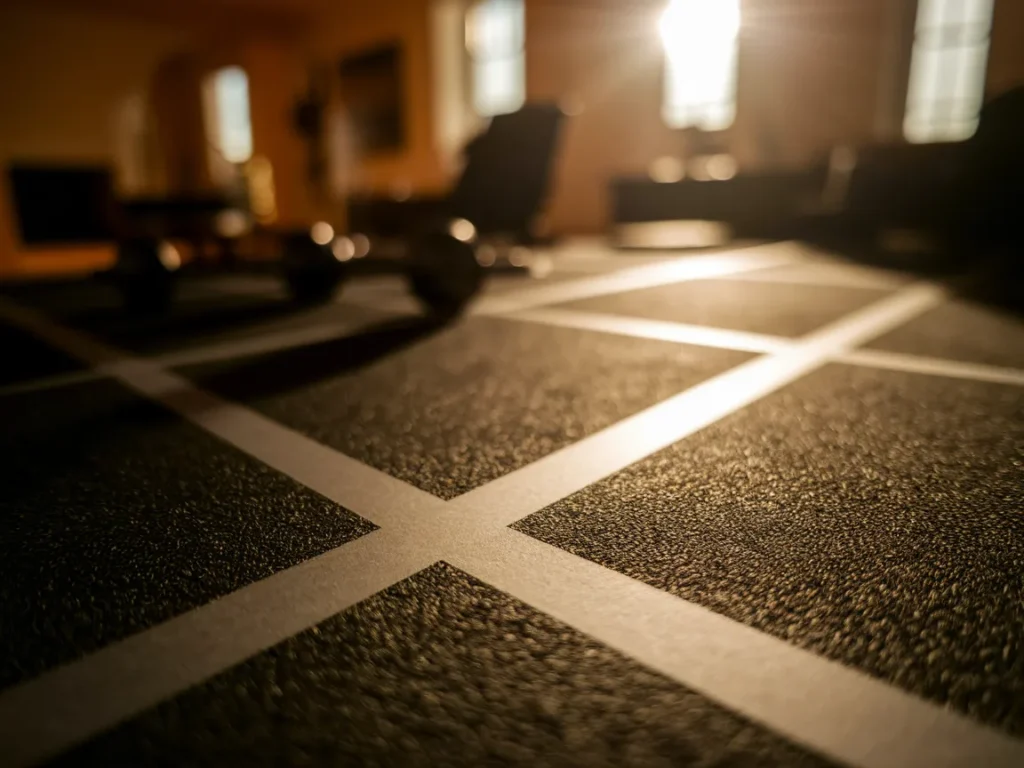
Rubber runners work well in narrow home gyms because they protect the main walking and workout path without covering the whole floor. I used a runner between my rack and bench area to reduce noise and improve grip. This also helped keep the layout clean because the runner created a clear training lane. Rubber runners work best when the edges stay flat and the runner thickness matches your workout style.
Rubber Flooring For Cardio Machines
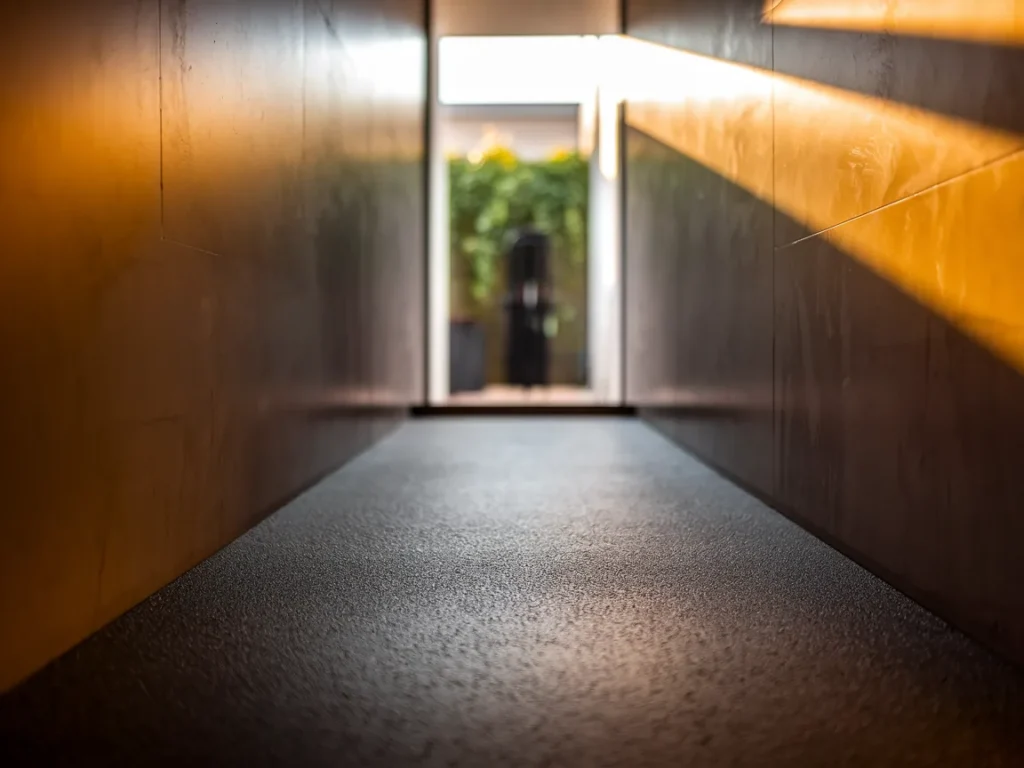
Rubber flooring under cardio machines helps reduce vibration and protects the base floor from pressure marks. I used rubber mats under a treadmill and bike area so the machines stayed stable. This also helped reduce noise, especially during early workouts. Rubber under cardio machines works best when the mat is slightly larger than the machine footprint.

Rubber Flooring Cleaning Routine
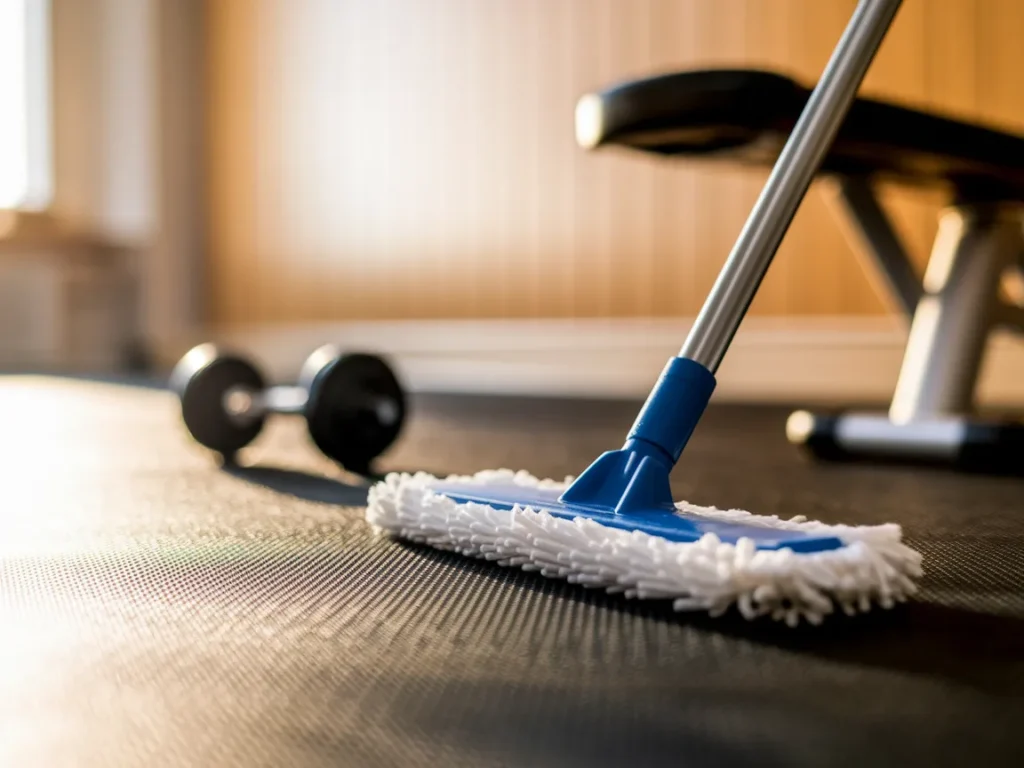
A simple cleaning routine keeps rubber flooring looking fresh. I used a quick sweep twice a week and a damp mop once a week. This removed dust and prevented slippery buildup. I avoided harsh cleaners because they left residue. A light soap mix worked best for spots and sweat areas. Clean rubber floors stay safer and look more “new” for longer.
Final Rubber Flooring Rule
The final rubber flooring rule is to match thickness to impact level. I used thick rubber under heavy lifting zones and medium rubber for general workouts. This reduced floor damage and improved stability. A good rubber floor also helps workouts feel safer because footing stays firm. When rubber flooring stays flat and clean, the gym looks better and works better every week.

Frequently Asked Questions
Is Rubber Flooring Good For Home Gyms?
Rubber flooring works well because it protects floors, reduces noise, and improves grip. It also supports heavy equipment better than foam. Rubber stays one of the most reliable home gym flooring choices.
What Thickness Rubber Flooring Should I Use?
Thickness depends on your workout style. Heavier lifting needs thicker rubber for drop protection. Light workouts can use medium rubber tiles for grip and comfort.
Do Rubber Gym Floors Smell Bad?
Some rubber floors have a smell at first, especially stall mats. Airing them out and cleaning them can reduce it. After a short time, most rubber flooring smells less noticeable.
Can Rubber Flooring Go Over Tile Or Wood?
Rubber flooring can go over tile or wood as long as the base floor stays clean and flat. Using full coverage or taped edges helps prevent shifting. Rubber also protects the base surface from marks.
Final Thoughts
Home gym rubber flooring gives strong grip, noise control, and floor protection in one setup. I got the best results using interlocking tiles for full coverage and stall mats for heavy lifting zones. Rubber runners worked well for narrow spaces, and rubber mats helped stabilize cardio machines. When rubber thickness matched workout impact and cleaning stayed simple, the gym looked clean and felt safer every week.

