


Yes, you can turn a backyard shed into a real home gym, and it costs far less than a home addition. A shed gives you a private, quiet space just steps from your back door. No commute, no crowded machines, and no monthly gym bill.
The best part is that you build it your way. You pick the floor, the lights, the gear, and the vibe. With a little planning, a plain storage shed becomes a workout space you will actually want to use.
Below you will find 15 home gym shed ideas to build your own, grouped into three easy parts. First we handle the build basics like floor, insulation, and power. Then we set up the workout zones. Last, we add the fun extras that make the space feel great. Let’s get to work.
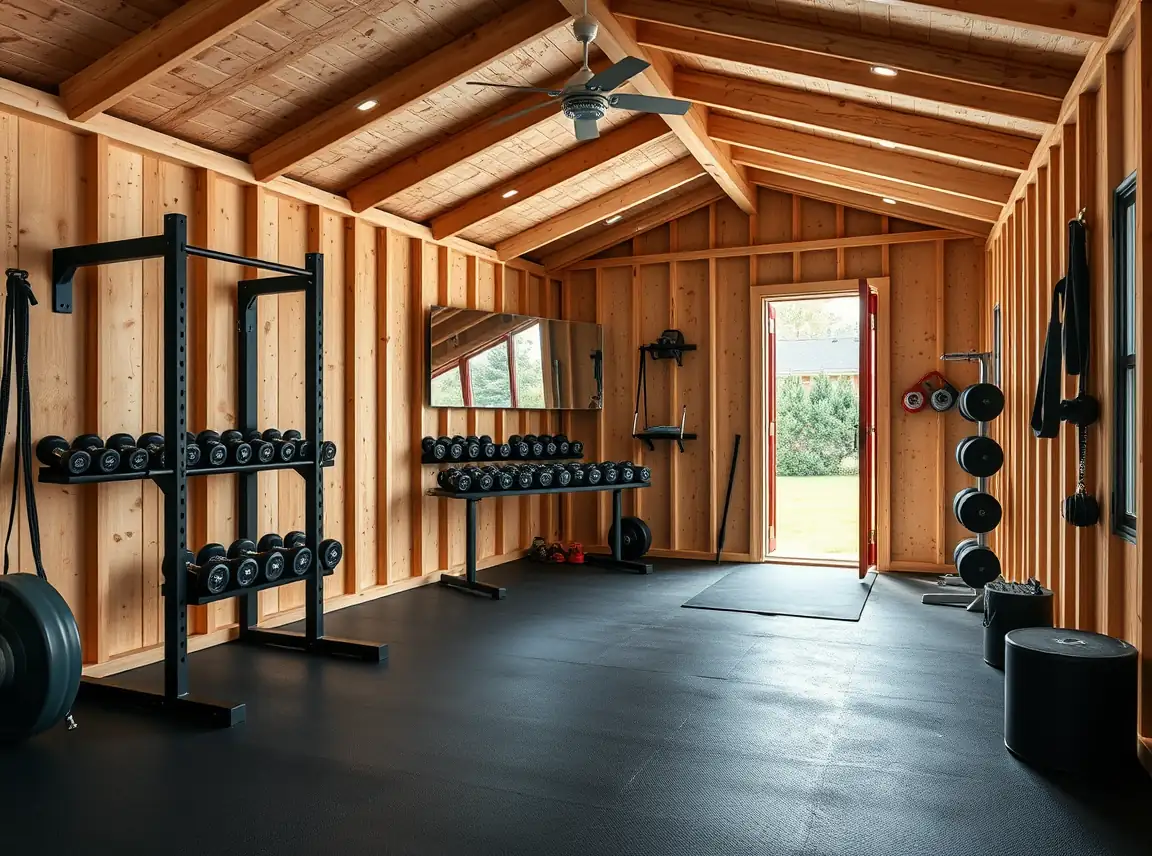
Before You Start Your Shed Gym
A shed gym pays off fast. The average home gym needs only 50 to 200 square feet, so most sheds have plenty of room. And staying active at home makes it easier to hit the 150 minutes of weekly exercise that health experts recommend.
Before you buy any gear, check that your shed is sound. Look for a solid floor, no leaks, and enough height for your tallest move. A space around 10 by 12 feet or bigger works best for most home gyms. Once your shed passes the check, you are ready to build.
First Half: The Build Basics
Get the bones right first. A strong, dry, well-lit shed keeps you and your gear safe. These first steps turn a storage box into a true gym.
1. Pick The Right Shed Size
Size sets the limit for everything else. A small 8 by 10 shed fits yoga, bands, and light weights. A larger 12 by 16 shed can hold a squat rack, a bench, and a cardio machine with room to move.
Think about your workouts first, then pick your size. Leave open floor space so you can swing a kettlebell or roll out a mat. A cramped gym is a gym you will skip.
2. Level And Reinforce The Floor
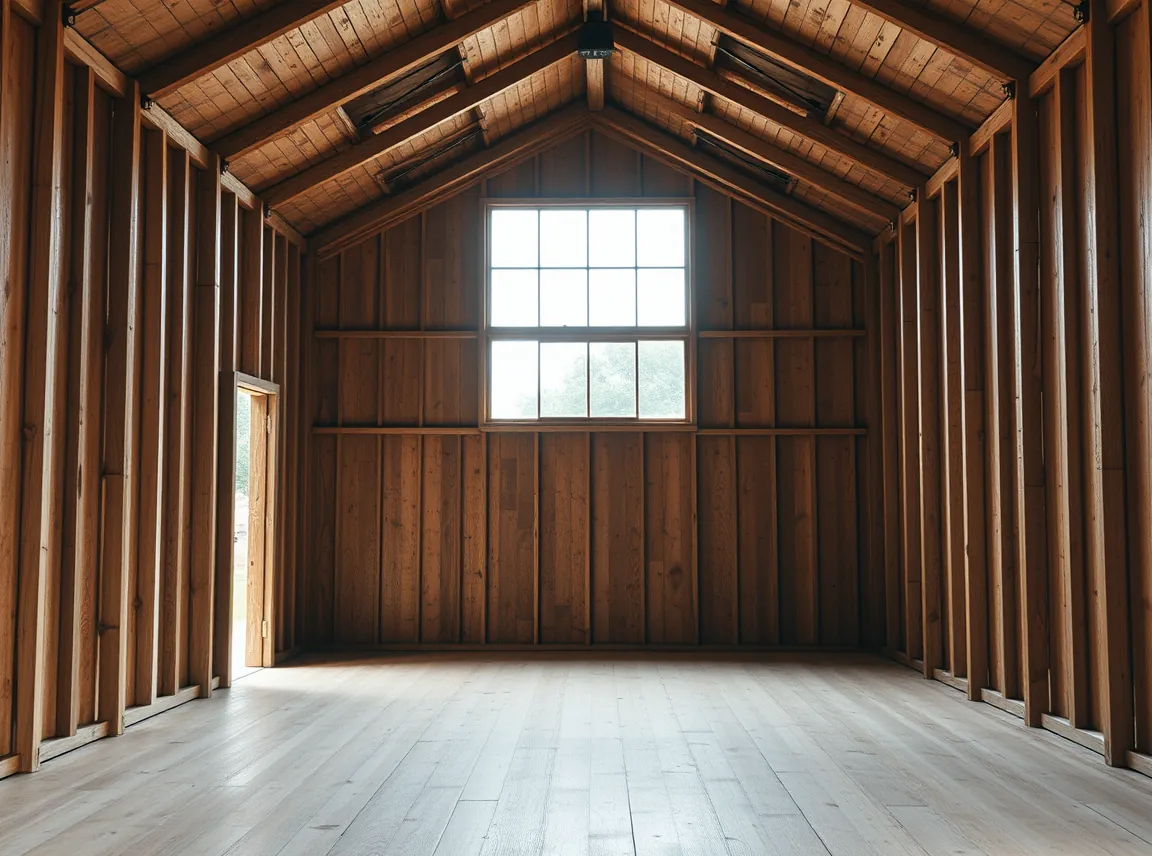
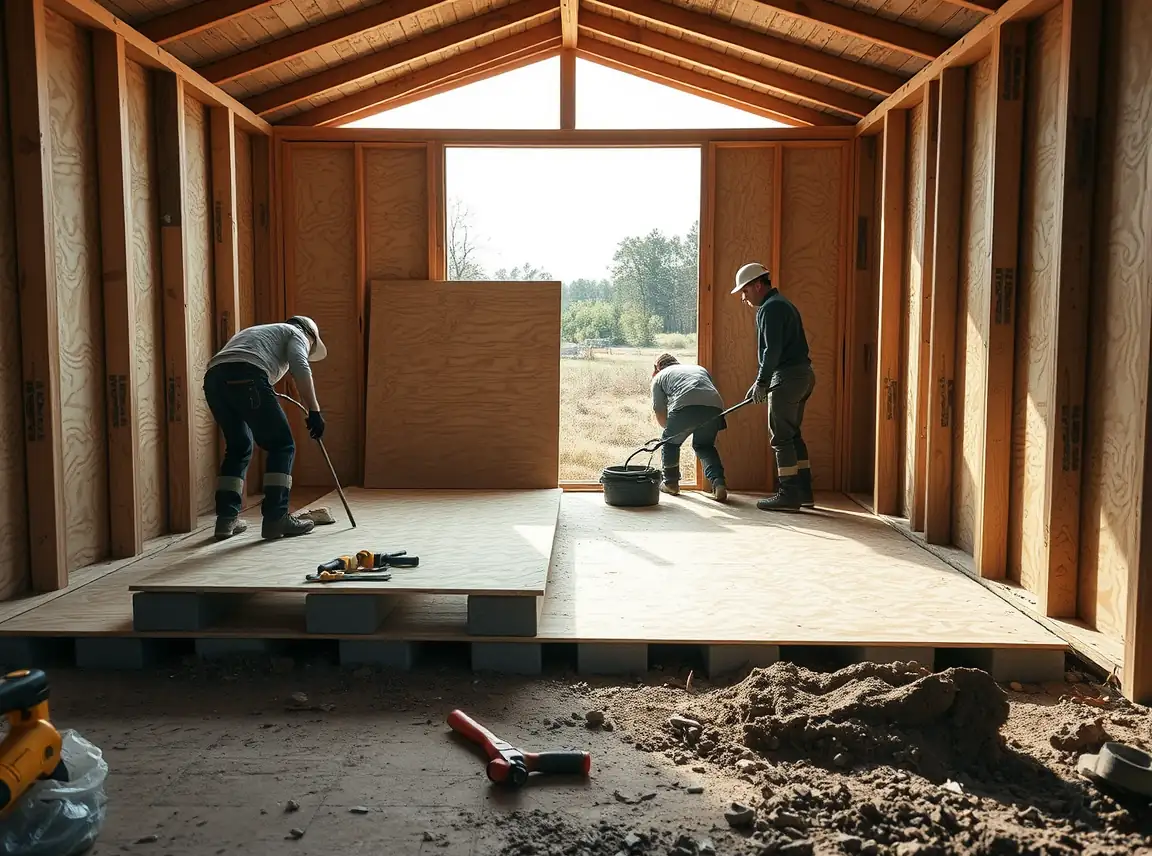
Heavy weights need a steady base. If your shed floor feels bouncy or the ground has shifted, fix that first. Add support blocks or shims under the shed to make it level and firm.
Inside, lay down extra plywood if the floor flexes under weight. A solid floor keeps your rack steady and your dropped weights from cracking a board. This step is boring but it matters a lot.
3. Lay Rubber Gym Flooring
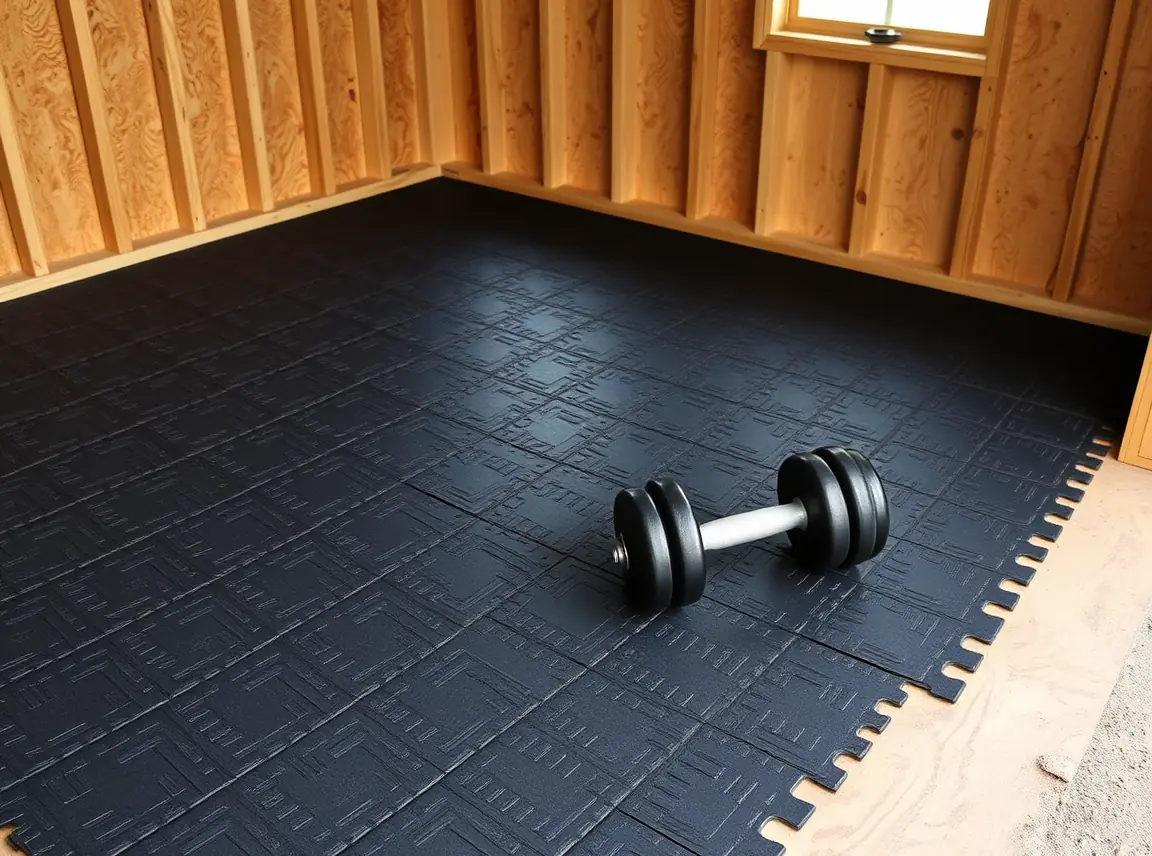
Standard shed floors are too hard and too slick for a workout. Rubber gym mats fix both problems. They cushion dropped weights, protect the floor, and give your feet grip.
Interlocking rubber tiles are easy to lay yourself, like a giant puzzle. Horse stall mats are a cheap, tough option too. For more choices, see our home gym flooring ideas and our home gym rubber flooring ideas.
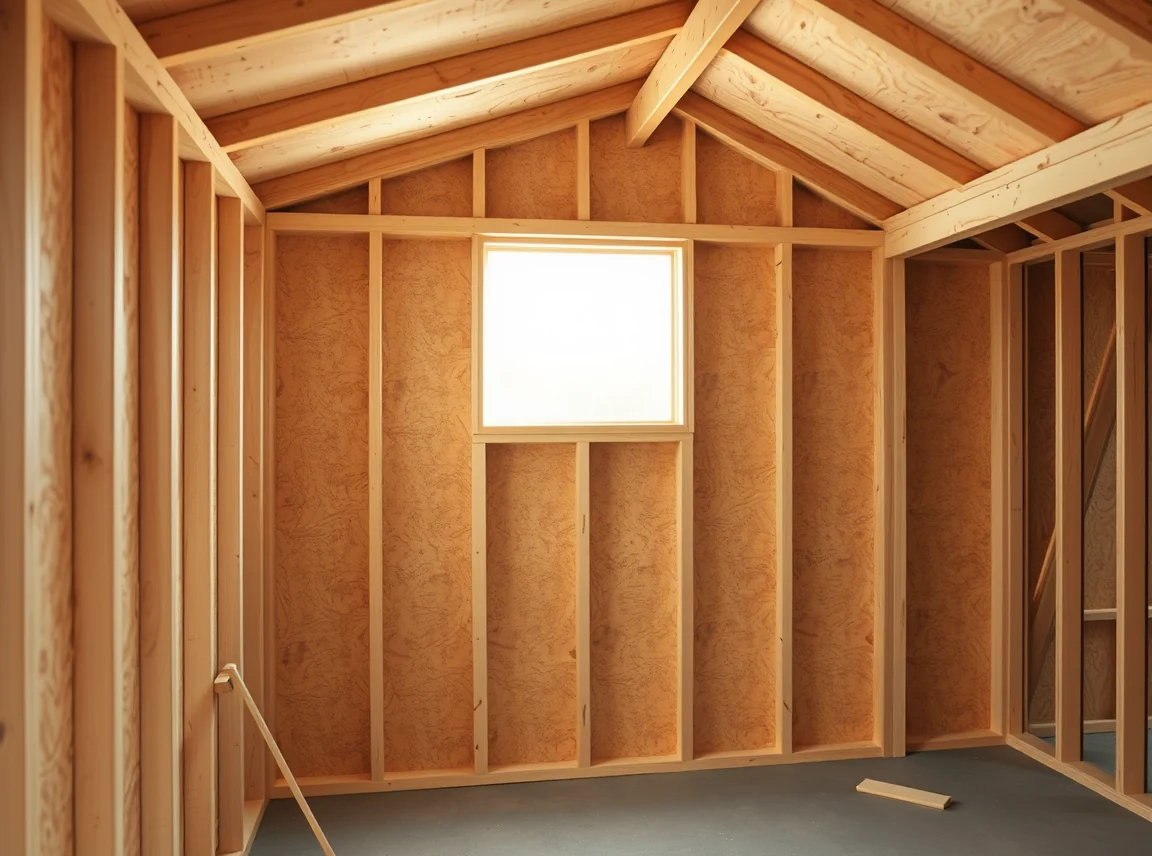
4. Insulate The Walls And Ceiling
Insulation makes your shed usable all year. Without it, the space bakes in summer and freezes in winter. Add insulation to the walls and ceiling to keep the temperature steady.
Insulation also softens sound, so your early workouts do not wake the whole street. Foam board or batt insulation both work well. This one upgrade turns a seasonal shed into a year-round gym.
Cover It Up
Once insulation is in, add a simple wall panel like plywood or drywall over it. This protects the insulation and gives you a flat surface for mirrors, racks, and posters.
5. Add Ventilation And A Fan
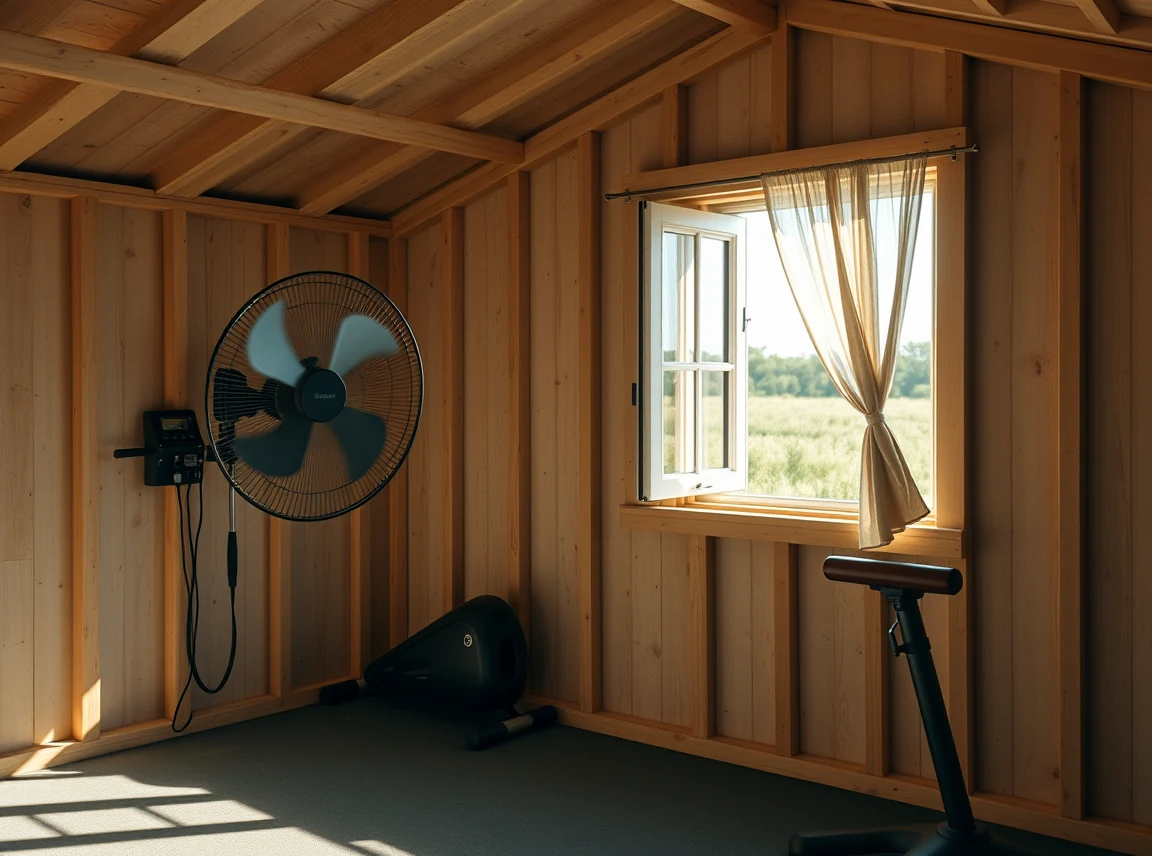
A shed with no airflow gets hot, damp, and stuffy fast. Good ventilation is a must. Add a vent, a window that opens, or a wall fan to keep fresh air moving during hard workouts.
A small AC unit or a portable fan helps on the hottest days. Fresh air keeps you cool and stops that gym-sock smell from building up. Comfort keeps you coming back.
6. Bring In Power And Bright LED Lighting
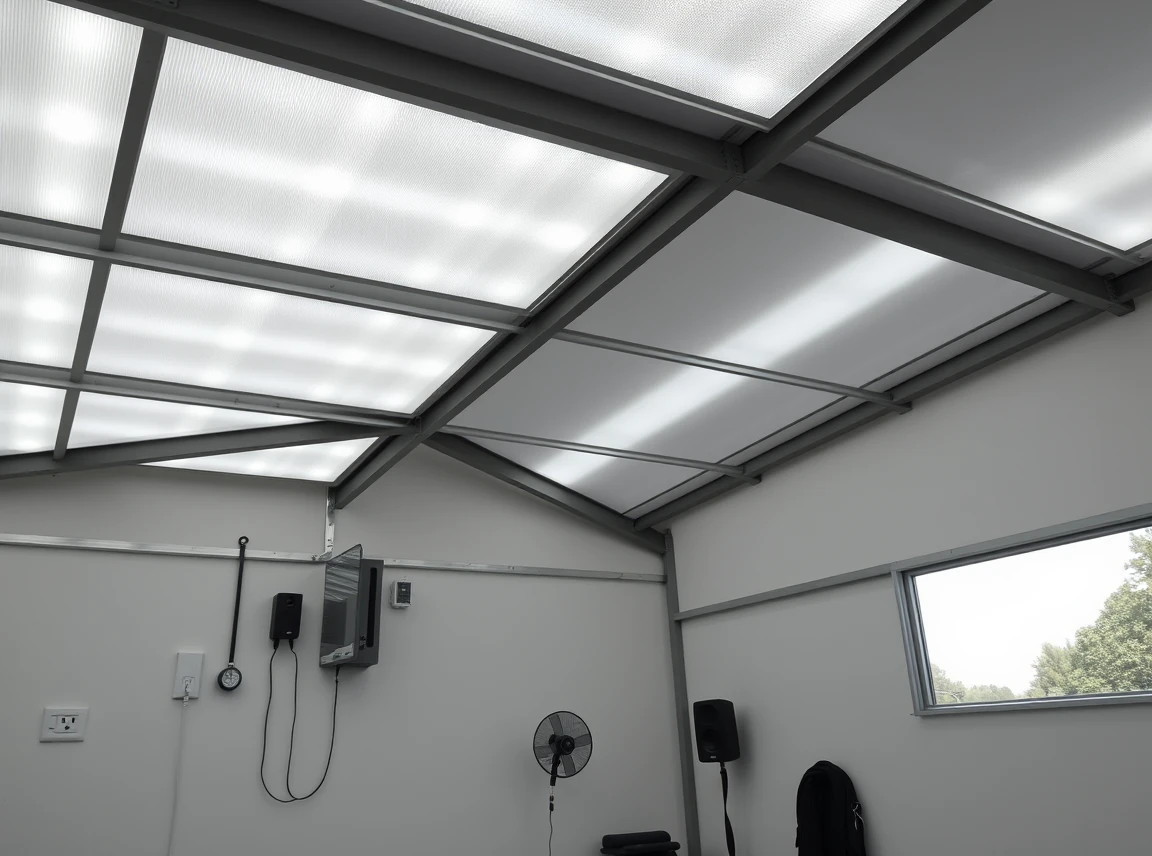
Most gear needs power, from treadmills to fans to speakers. For a safe, lasting setup, hire an electrician to add outlets and proper wiring. A heavy-duty outdoor cord can work for a simple, temporary start.
Then light it up. Bright LED ceiling lights make the space feel bigger, safer, and more upbeat. Add a few wall lights where you need extra glow. A dim gym feels like a cave, so go bright.
Second Half: Set Up Your Workout Zones
Now the fun begins. With the shell ready, you can lay out your gear. Break the space into clear zones so every workout has a home.
7. Create A Mirror Wall
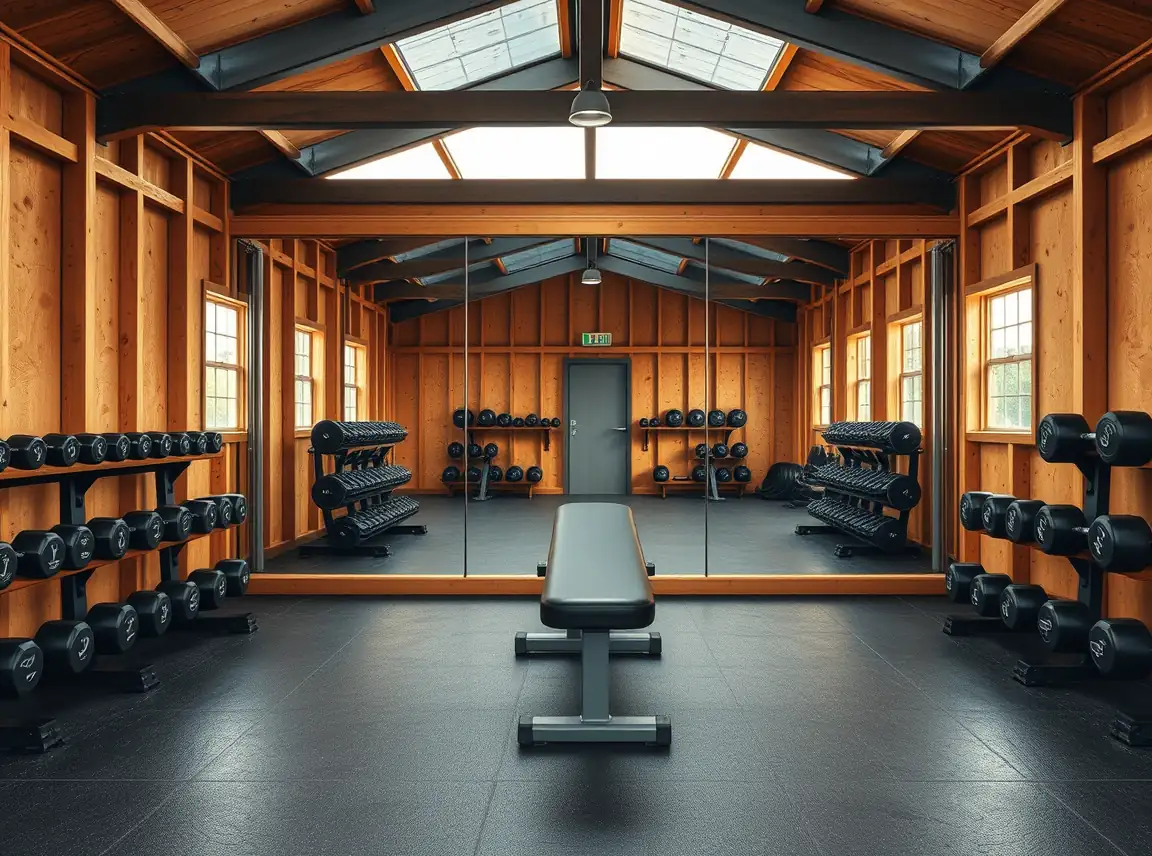
A wall of mirrors does two big jobs. It lets you check your form so you lift safely. And it makes a small shed feel twice as large and much brighter.
Mount a few large gym mirrors along one wall at the right height. Secure them well so they cannot fall during a heavy set. This is one of the cheapest ways to make a shed gym look pro.
8. Build A Wall-Mounted Storage System
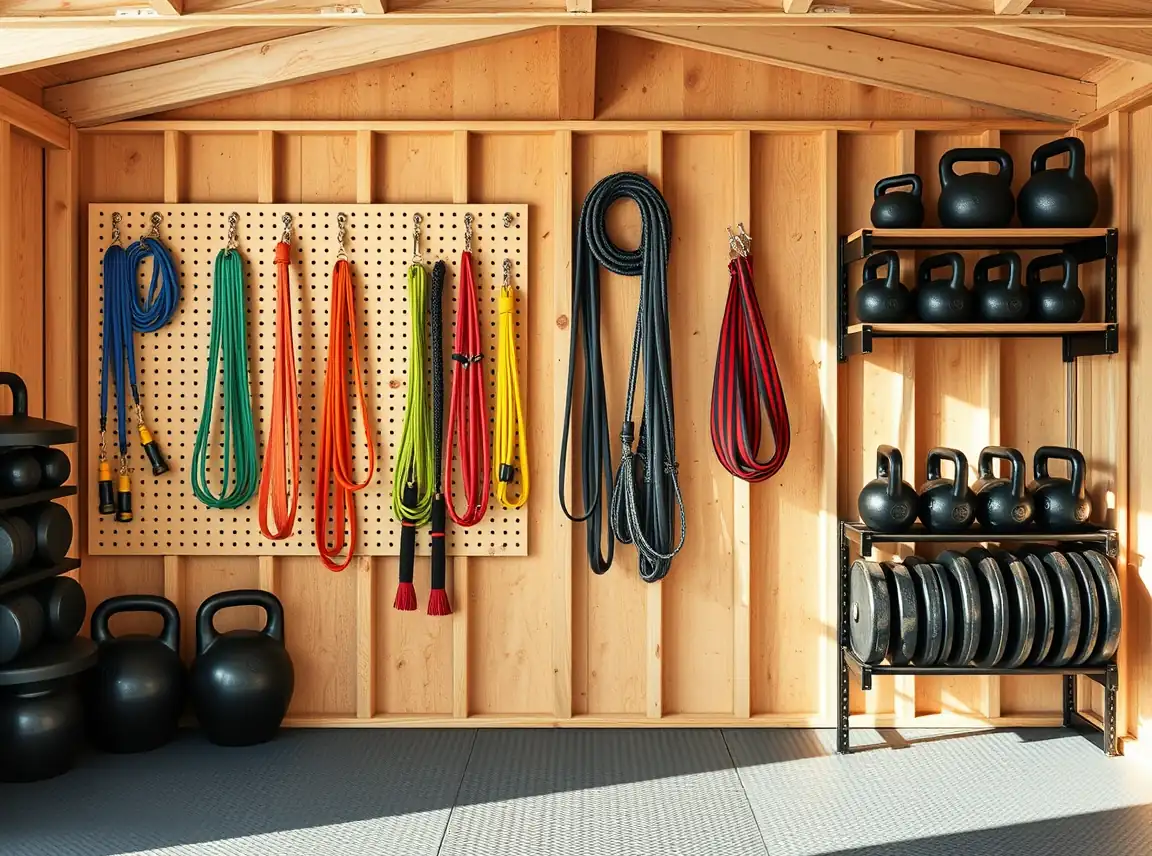
Floor space is gold in a shed, so store gear on the walls. Add hooks, shelves, and a pegboard to hold bands, jump ropes, and small dumbbells. A wall rack keeps plates and bars off the ground.
Storing up high keeps walkways clear, which cuts trip risks and keeps the room tidy. A clean gym is a safe gym. It also just feels better to train in a space that is not cluttered.
9. Add A Squat Rack And Lifting Corner
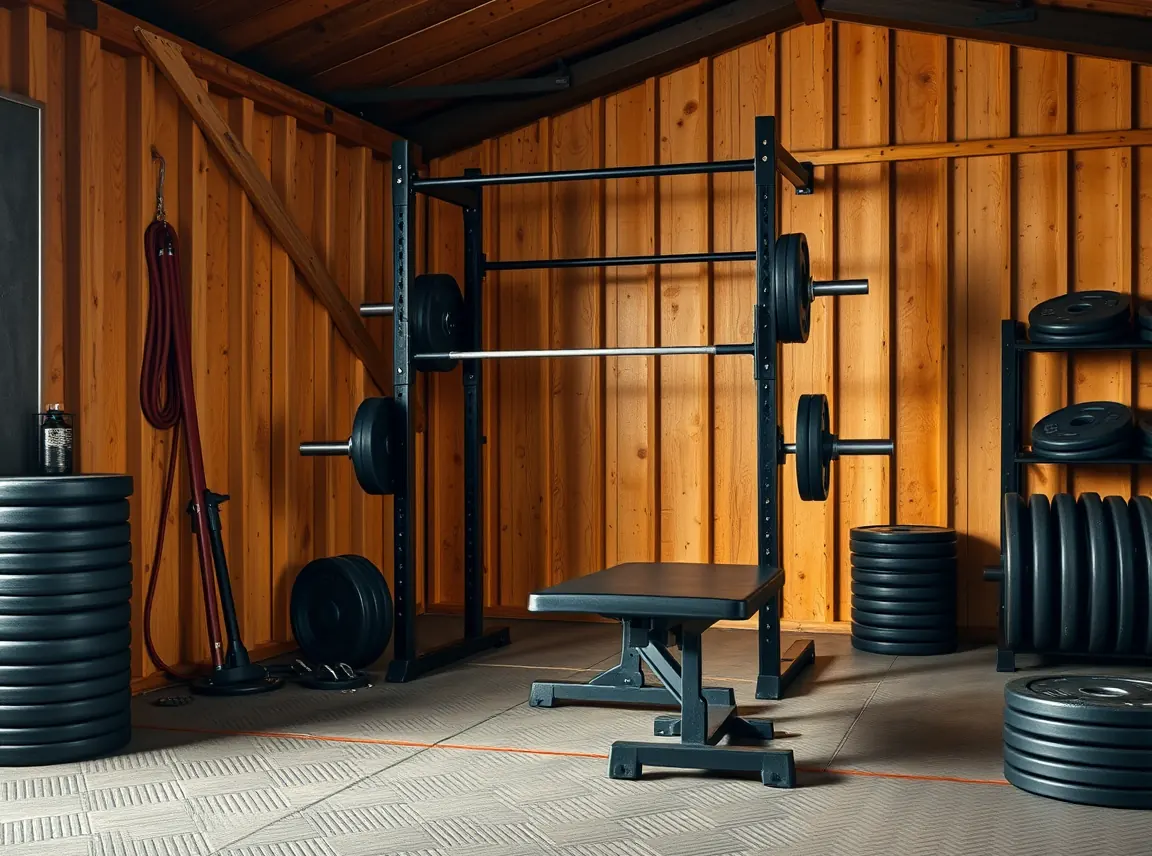
If strength is your goal, build a lifting corner around a squat rack. Place the rack against a reinforced wall with the mirror in view. Add a sturdy bench and a set of plates nearby.
Keep this zone against the strongest part of your floor. Leave space around it so you can move freely and drop the bar safely. For a full gear checklist, see our home gym equipment essentials.
10. Set Up A Cardio Zone
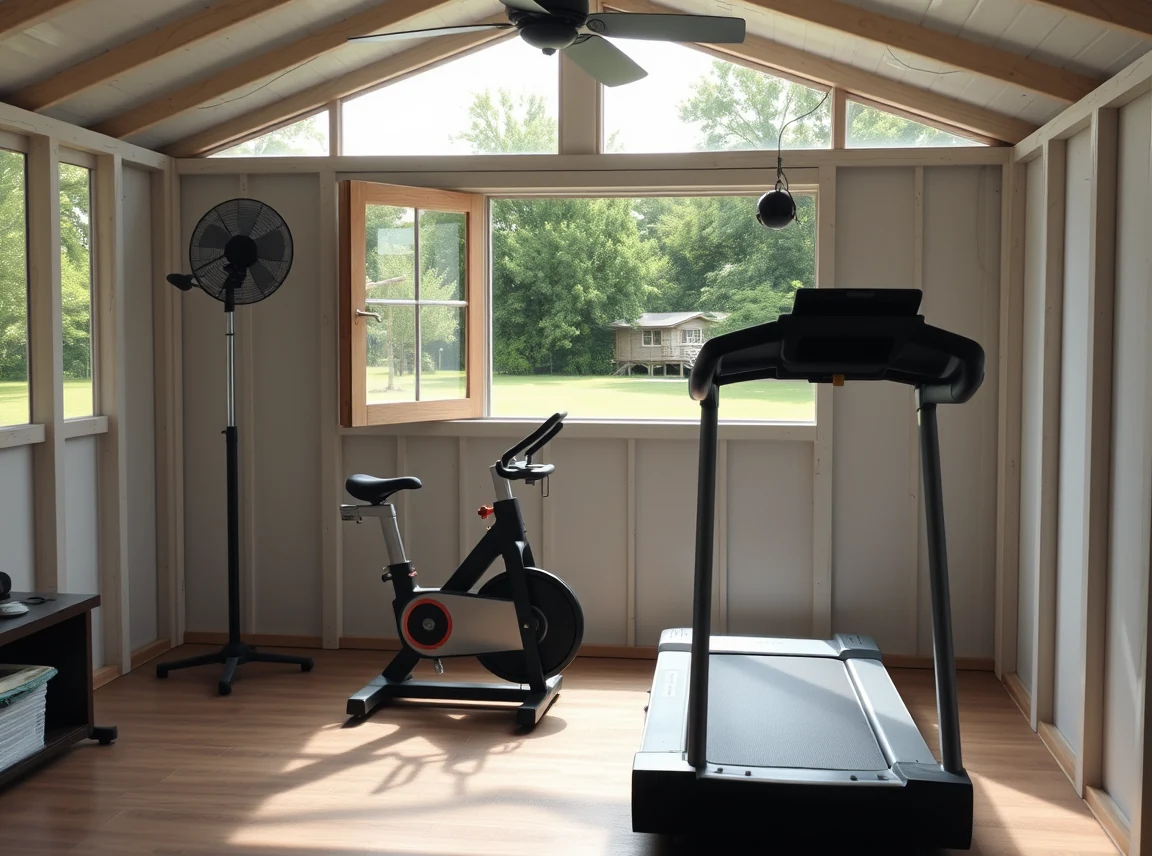
Give your cardio gear its own spot. Place a treadmill, bike, or rower near a window or fan so you stay cool while you sweat. Face the machine toward the view or a mounted screen to beat boredom.
Cardio machines can be heavy, so this is another reason to have a solid floor. Keep the area open enough for a jump rope or quick step drills too. A little variety keeps your heart-pumping days fresh.
11. Make A Yoga And Stretch Area
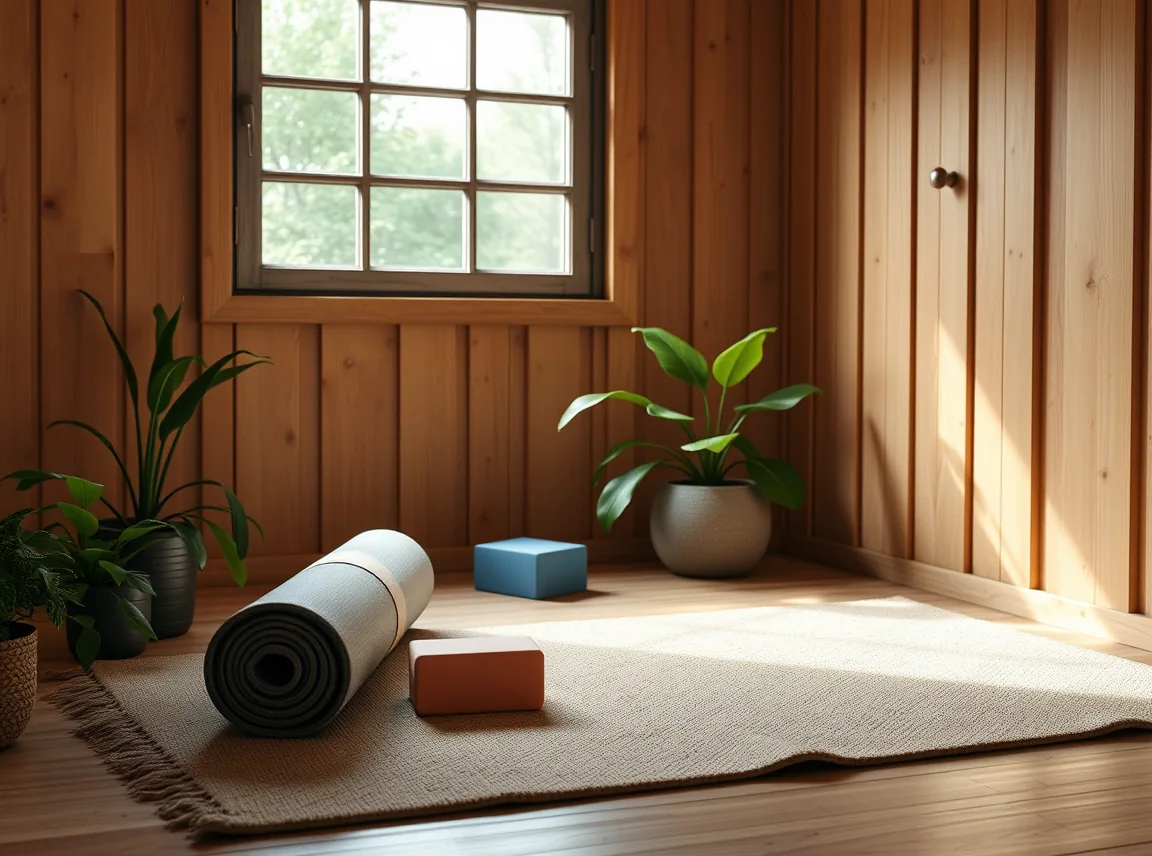
Not every workout needs weights. Set aside a soft, calm corner for yoga, stretching, and cool-downs. A thick mat, a few blocks, and a wall for support are all you need.
Keep this zone away from the heavy gear so it feels peaceful. Face it toward a window for a calm view. This spot is great for recovery days and for clearing your head. Short on space? Our mini gym at home ideas show how to fit a lot into a little.
Third Half: Add The Fun Extras
The extras are what turn a workout room into a space you love. These final touches boost your mood and your motivation. They are the reason you will keep showing up.
12. Add A Sound System
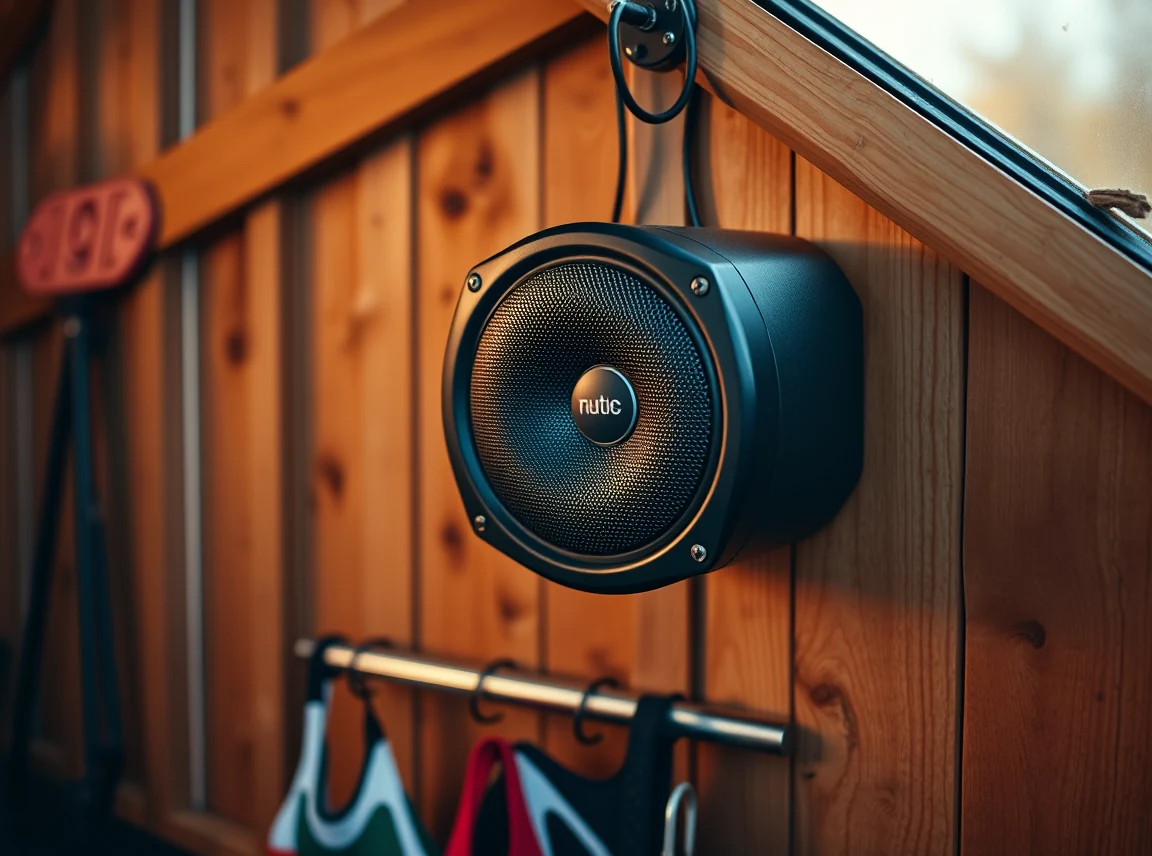
Music is fuel for a good workout. Mount a pair of speakers or bring in a solid Bluetooth speaker for your playlists. Good sound drowns out the world and gets you in the zone.
Keep the wiring tidy and out of walkways. A speaker on a high shelf saves floor space and spreads sound well. The right beat can push you through that last hard set.
13. Bring In Natural Light With Windows
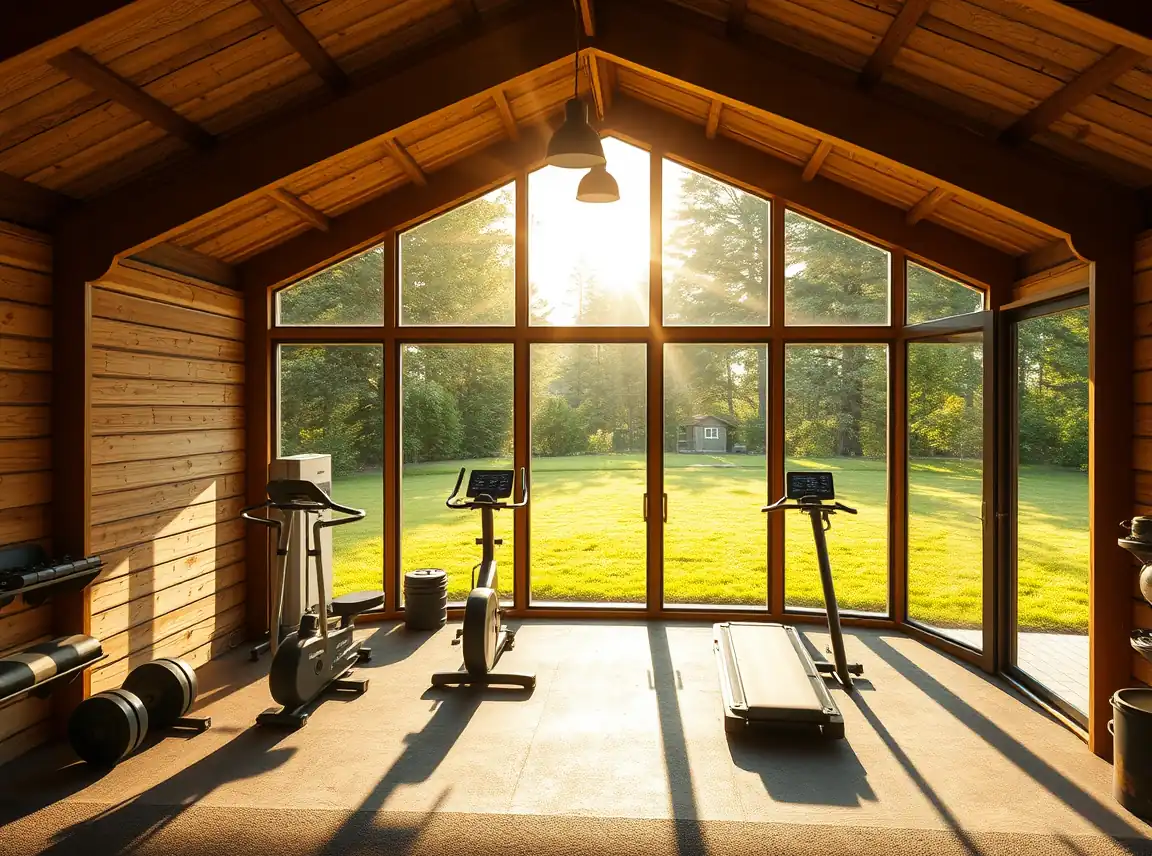
Sunlight makes any gym feel alive. If your shed has few windows, add one or two, or swap a solid door for a glass one. Natural light lifts your mood and makes the room feel open.
Big windows also connect you to your yard, which beats staring at a blank wall. Add a light curtain for privacy when you need it. Bright, sunny spaces just feel better to train in.
14. Decorate With Motivation
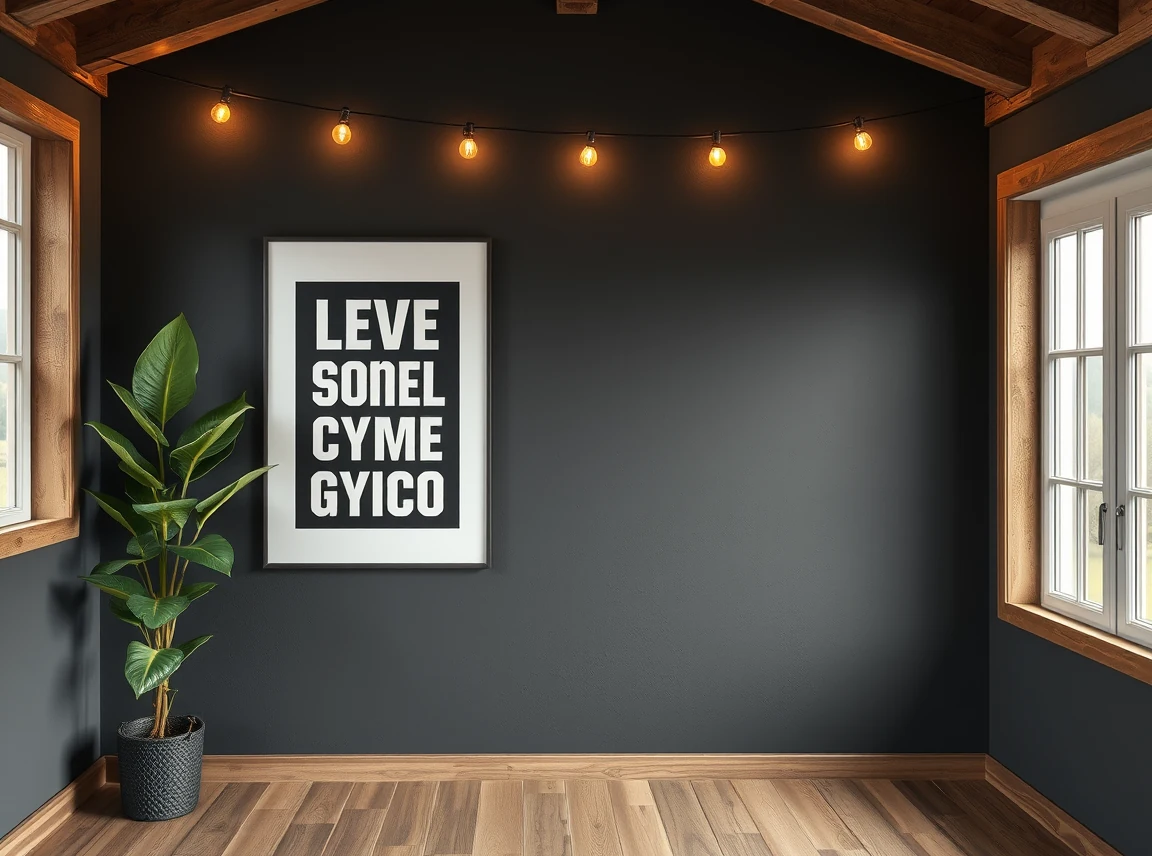
Bare walls feel dull. Add a few things that fire you up. Hang a bold poster, paint an accent wall a punchy color, or put up a quote that pushes you. Add a plant or two for a fresh touch.
Small touches make the space yours. When your gym reflects your goals and style, you look forward to being there. A little personality goes a long way.
15. Add A Recovery Corner
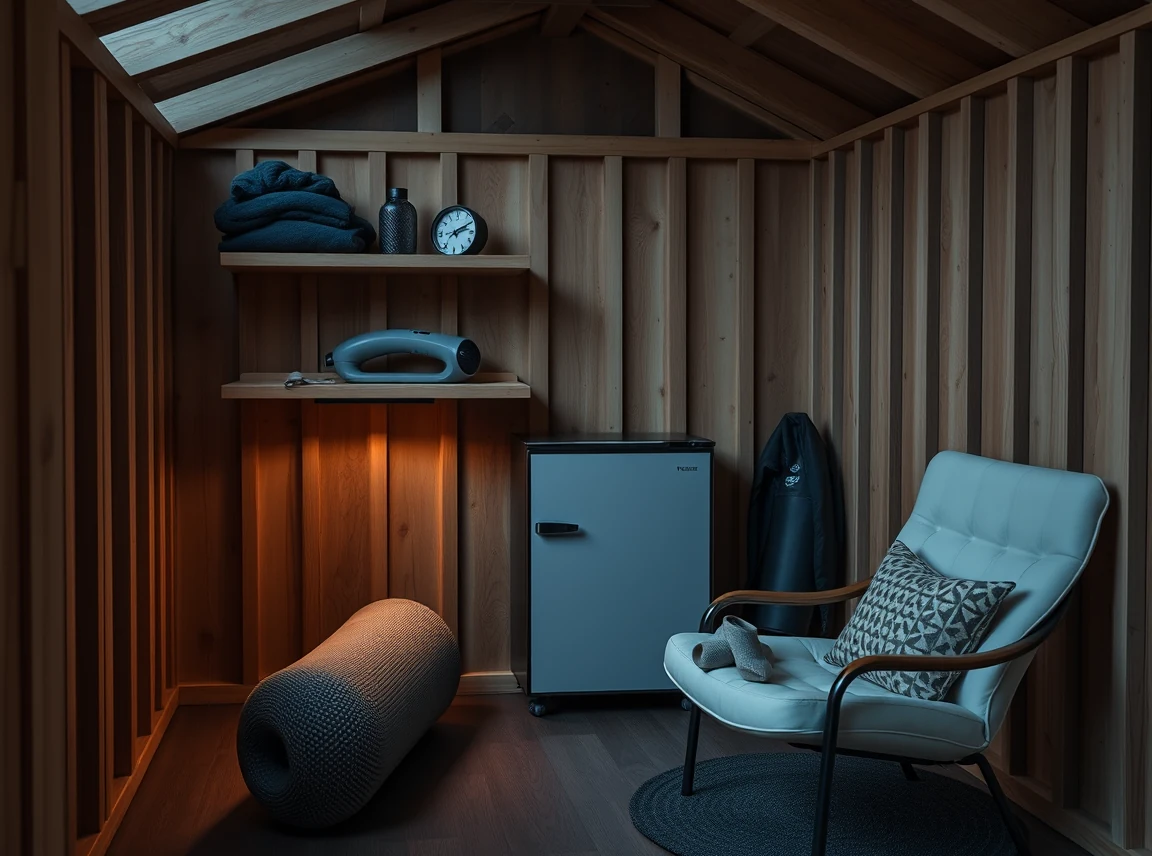
Recovery is part of getting fit. Set up a small corner for it. Add a foam roller, a massage gun, and a comfy chair for rest between sets. A mini fridge for cold water is a nice touch too.
Some people even add a small sauna or a fan-cooled cooldown spot. This corner helps your body bounce back so you can train hard again tomorrow. It rounds out a complete home gym.
Home Gym Shed Setup At A Glance
Not sure where to spend first? This table shows the key upgrades and why each one matters.
| Upgrade | Why It Matters | Priority |
|---|---|---|
| Level and reinforce floor | Keeps heavy gear safe and steady | High |
| Rubber gym flooring | Protects floor and joints, adds grip | High |
| Insulation | Makes the shed usable all year | High |
| Ventilation and fan | Keeps air fresh and cool | High |
| Power and LED lighting | Runs gear and brightens the space | Medium |
| Mirror wall | Checks form and enlarges the room | Medium |
| Wall storage | Clears floor and cuts trip risks | Medium |
| Sound and decor | Boosts mood and motivation | Low |
Start at the top and work your way down. The high-priority items keep you safe, so do those first.
Simple Tips For A Better Shed Gym
A few smart habits make your shed gym last and feel great. Keep these in mind as you build and use it.
- Store weights low and keep walkways clear to avoid trips.
- Buy gear slowly. Check secondhand sites for great deals on used equipment.
- Add a rubber threshold or ramp so you can roll heavy gear in and out.
- Keep a small towel and cleaning spray handy to wipe things down.
- Check the shed each season for leaks, pests, and loose bolts.
The goal is a space that feels safe, fresh, and ready to go. When your gym is easy to use, you use it more.
People Also Ask
How Big Should A Home Gym Shed Be?
Most home gyms need 50 to 200 square feet. A shed around 10 by 12 feet suits a mix of weights and cardio. If you only do yoga and light training, a smaller 8 by 10 shed works fine. Always leave open floor space to move.
Do I Need To Insulate My Gym Shed?
Yes, if you want to use it all year. Insulation keeps the space cool in summer and warm in winter. It also softens sound. Pair it with a fan or small AC unit and good airflow for the best comfort in any season.
Is A Shed Floor Strong Enough For Gym Equipment?
Often it needs help. Standard shed floors can flex under heavy weights. Reinforce the floor with extra plywood and make sure the shed sits level. Then add rubber mats on top to protect the surface and cushion dropped weights.
Is Building A Gym Shed Cheaper Than A Gym Membership?
Over time, yes. A shed gym costs money up front, but it saves you monthly membership fees for years. You also skip the drive and the wait for machines. Many people find the space pays for itself and keeps them training more often.
Final Thoughts
A home gym shed proves you do not need a fancy addition to build a great workout space. With a solid floor, some rubber mats, good light, and the right gear, a plain backyard shed becomes your own private fitness spot. Best of all, you build it to fit your goals.
Start with the basics like flooring and insulation, then add your zones and fun extras over time. Buy gear slowly and make the space feel like you. Soon you will have a gym you love just steps from your door.
Ready for more? Browse our full set of home gym equipment essentials to fill your new shed gym with the right gear, and start building your own workout space today.

