
Yes, there are perennials that you can plant once, walk away from, and enjoy months of nonstop blooms without constant fussing. No weekly deadheading marathons. No complicated feeding schedules. No babysitting. Just flowers, lots of them, for three months or more.
That sounds too good to be true, right? But these plants exist. And experienced gardeners have been quietly relying on them for years to fill their beds with color from late spring all the way through the first hard frost of fall.
The secret is choosing the right varieties. Not all perennials are created equal. Some bloom for just two glorious weeks and then vanish. Others, the ones on this list, have been bred or naturally evolved to keep pumping out flowers for 12 weeks or more with barely any help from you. They handle drought. They laugh at poor soil. Some of them don’t even need deadheading. They just keep going.
In this article, you’ll meet 7 of the hardest-working, most forgiving perennials on the planet. Each one blooms for at least three months. Each one is genuinely low-maintenance. And each one will make your garden look like you hired a professional, even if you forgot to water last Tuesday.
Let’s meet them.
1. Geranium ‘Rozanne’ (Hardy Cranesbill)
The Perennial That Redefined “Long Blooming”
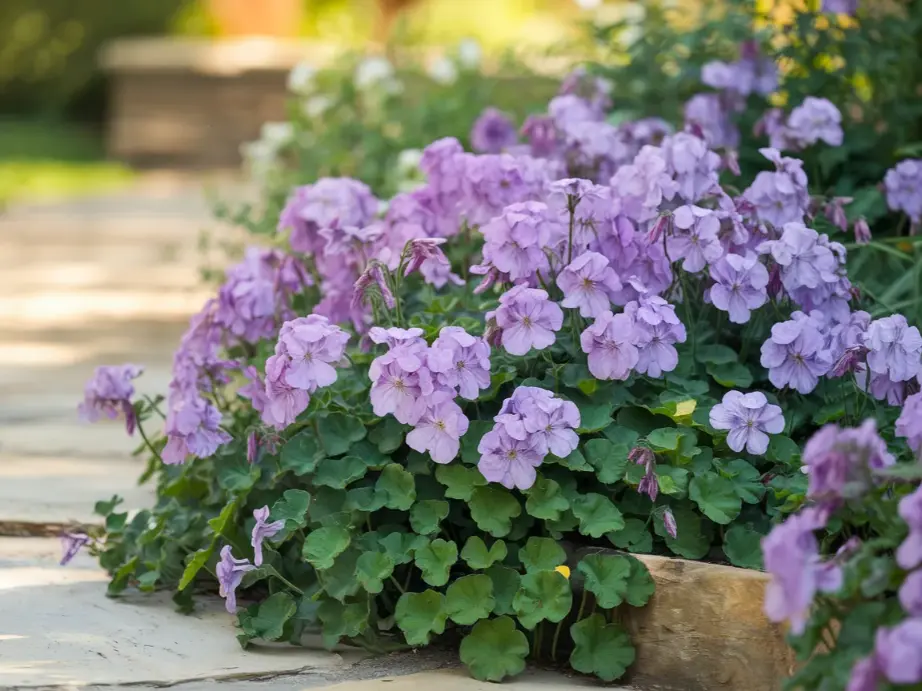
If you could only plant one long-blooming perennial for the rest of your life, this would be it. Geranium ‘Rozanne’ is legendary in the gardening world, and for good reason. It starts flowering in late spring and simply does not stop until a hard frost kills it back in fall. That’s five months or more of continuous, violet-blue flowers with bright white centers.
And here’s the part that makes it a true plant-and-forget champion. ‘Rozanne’ doesn’t need deadheading. At all. The spent flowers drop on their own and new buds keep coming without any help from you. It’s self-cleaning, self-motivated, and ridiculously reliable.
Where and How To Plant It
‘Rozanne’ grows in a low, spreading mound about 20 inches tall and up to 2 feet wide. It works beautifully at the front of a border where it can spill over edges and weave through neighboring plants. It also cascades nicely over the sides of containers.
It thrives in both full sun and partial shade, which makes it one of the most versatile perennials on this list. Hardy in USDA Zones 5 through 8, it handles heat, moderate drought, and a wide range of soil types. Give it average, well-drained soil and a sunny to partly shady spot, and it will reward you with an ocean of blue flowers all season long.
| Quick Facts | Details |
|---|---|
| Bloom Period | Late spring to hard frost (5+ months) |
| Color | Violet-blue with white centers |
| Height | 18-20 inches |
| Zones | 5-8 |
| Sun | Full sun to part shade |
| Deadheading Needed | No |
2. Catmint ‘Walker’s Low’ (Nepeta)
Five Months of Lavender-Blue Clouds
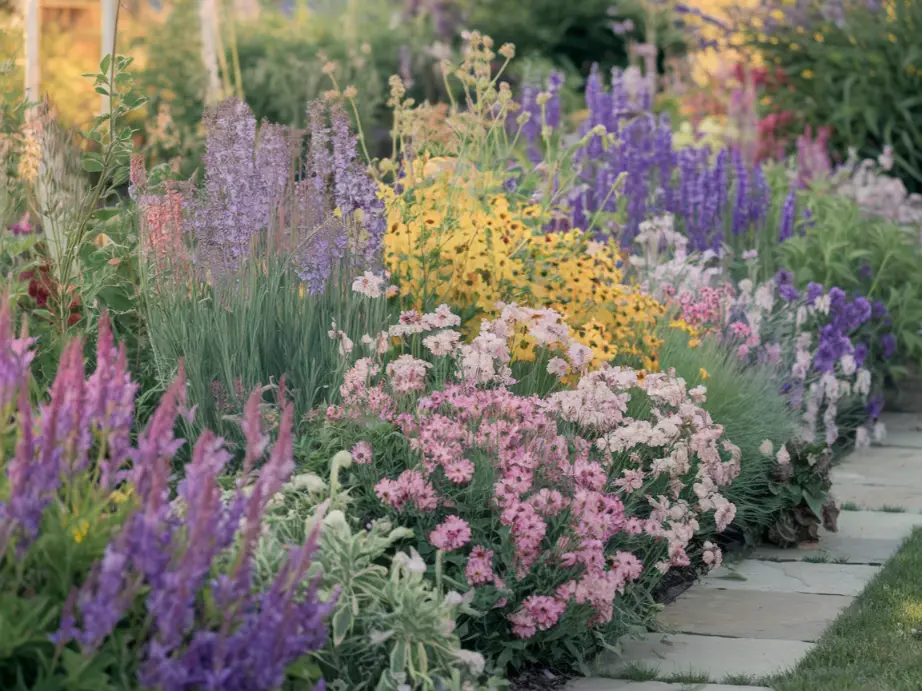
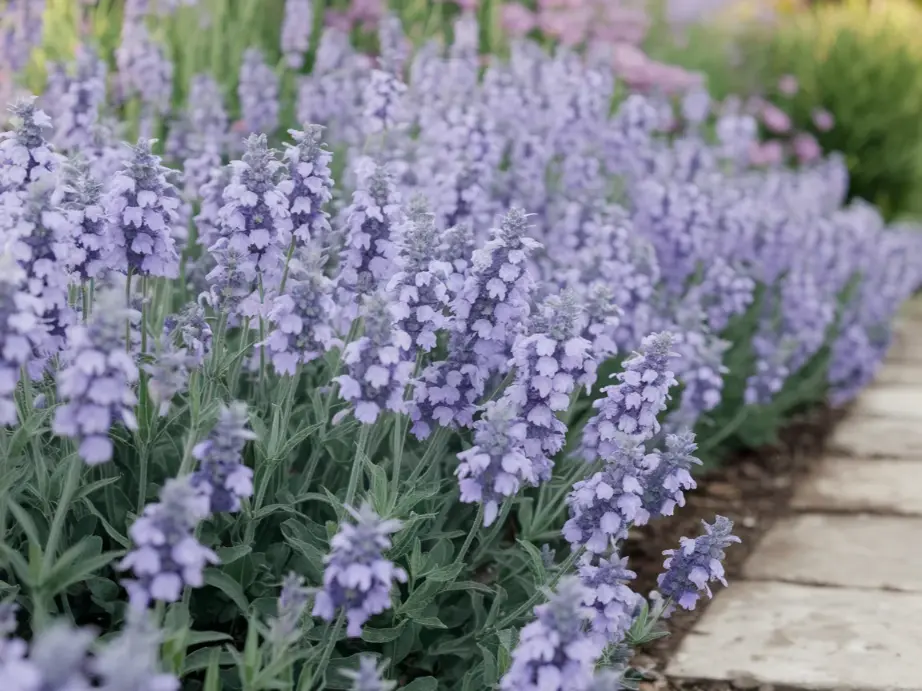
If you’ve ever walked past a garden and noticed a soft, billowy cloud of lavender-blue flowers spilling over a walkway, chances are you were looking at catmint. And ‘Walker’s Low’ is the king of the catmint world. It won the Perennial Plant of the Year award in 2007, and it has been proving that honor was well-deserved every single summer since.
‘Walker’s Low’ blooms from late spring all the way into fall. That’s up to five months of delicate, trumpet-shaped flowers on aromatic gray-green foliage. The scent is pleasant to people but deer and rabbits hate it, which means your flowers actually stay intact.
The Easiest Perennial You’ll Ever Grow
This plant is almost impossible to kill. It handles drought beautifully once established. It thrives in poor soil. It doesn’t need fertilizer. And it rarely gets bothered by pests or diseases. The only care it asks for is one optional shearing after the first big flush of blooms. Cut it back by about a third and it will send up a whole new wave of flowers within weeks.
‘Walker’s Low’ grows about 2 to 3 feet tall and wide, forming a graceful, arching mound that looks amazing along pathways, at the front of mixed borders, or as a soft edging plant. Hardy in Zones 3 through 8, it handles extreme cold just as well as summer heat.
If you love the look of soft, flowing garden borders, you’ll also enjoy these tulip decor ideas for bringing that garden-inspired beauty indoors.
3. Coneflower ‘PowWow Wild Berry’ (Echinacea)
The Native Wildflower That Never Quits
Coneflowers are a garden staple across most of the United States. They’re tough. They’re native. They’re drought-tolerant. And pollinators absolutely love them. But older varieties could be a bit leggy and bloom sporadically. The ‘PowWow Wild Berry’ cultivar changed the game.
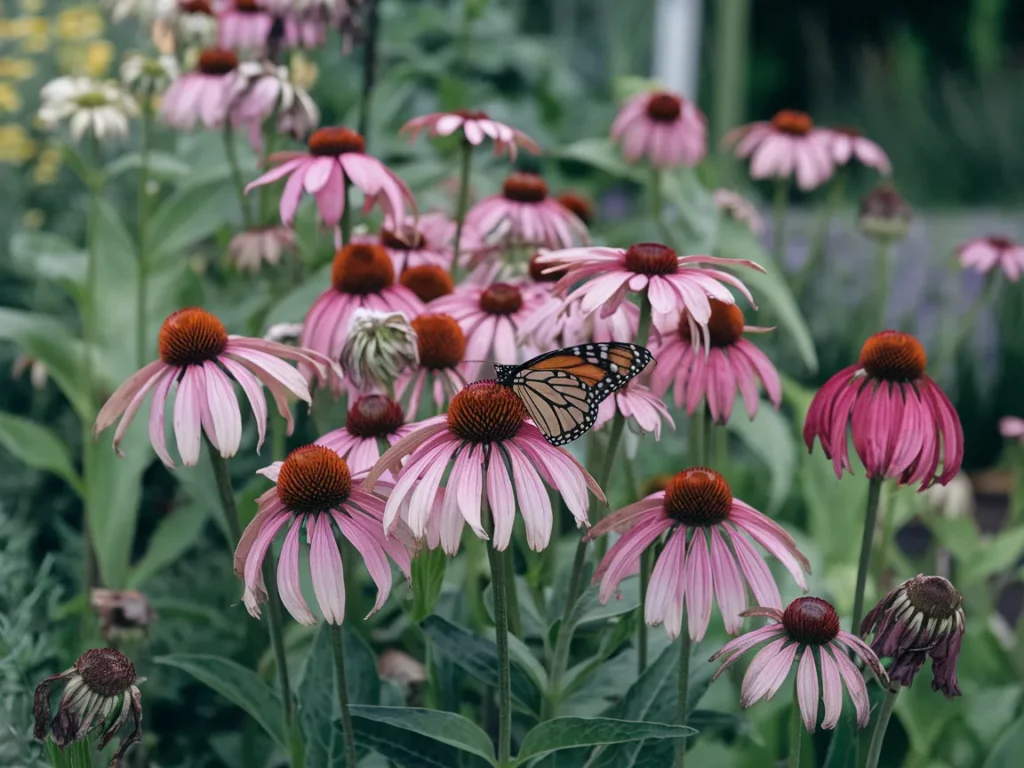
This compact, well-branched plant produces an astonishing number of vibrant magenta-pink flowers from early summer all the way until frost. That’s easily three to four months of nonstop color. The flowers have that classic daisy shape with dark, cone-shaped centers that give the plant its name.
Why Pollinators and Birds Love It
Butterflies, bees, and hummingbirds flock to coneflowers all summer long. And when the blooms finally fade in fall, leave the seed heads standing. Goldfinches and other birds will feed on those seeds through winter. So your “dead” coneflowers are still working for your garden even after the show is over.
‘PowWow Wild Berry’ grows about 2 feet tall and wide. It loves full sun and well-drained soil. It absolutely hates wet feet, so avoid planting it in areas that stay soggy after rain. Once established, it’s remarkably drought-tolerant and handles poor soil with ease. Hardy in Zones 4 through 9, it covers a huge range of climates.
4. Black-Eyed Susan ‘Goldsturm’ (Rudbeckia)
Golden Summer in a Single Plant
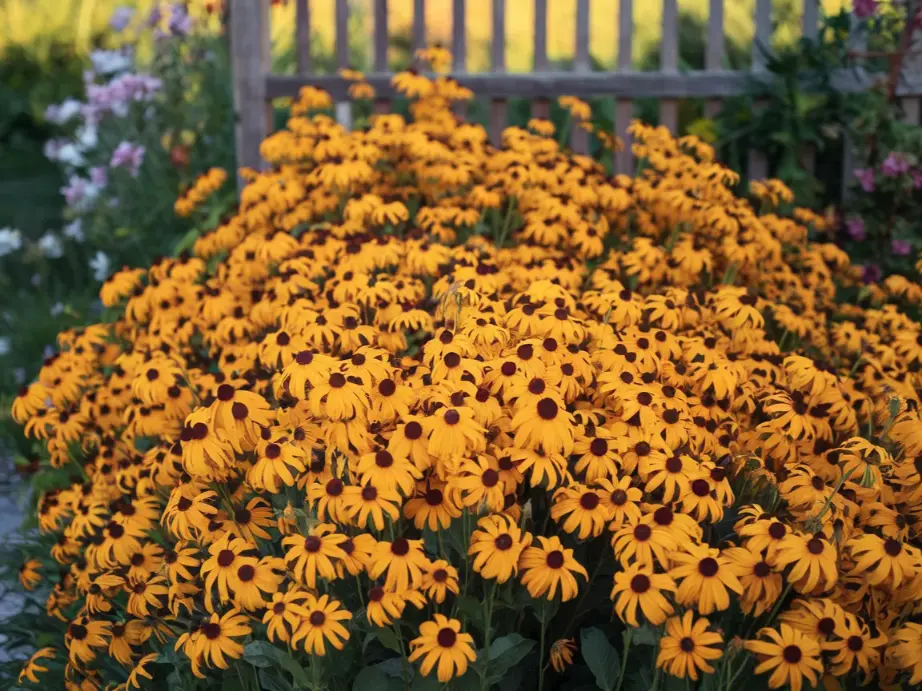
If sunshine had a flower, it would be Black-Eyed Susan. The ‘Goldsturm’ variety is one of the most reliable, longest-blooming perennials in existence. Its golden-yellow, daisy-like flowers with dark chocolate-brown centers start appearing in July and keep coming until frost. That’s three solid months of bright, cheerful color that practically glows in the garden.
‘Goldsturm’ forms tidy, dense clumps that expand slowly over the years. It never gets aggressive or invasive. It just shows up every summer, stronger and fuller than the year before. The flowers are large, over three inches across, and they cover the plant so thickly that you can barely see the foliage underneath.
Perfect for Beginners
This is arguably the easiest plant on this entire list to grow. Full sun. Average soil. Done. It handles heat, humidity, drought, and neglect with equal grace. Deer and rabbits leave it alone. Diseases rarely bother it. And while deadheading encourages more blooms, it’s not required. The plant will keep flowering regardless.
Hardy in Zones 3 through 9, ‘Goldsturm’ works in almost every climate in the United States. It’s perfect for borders, mass plantings, cut flower gardens, and anywhere you want a guaranteed burst of late-summer gold.
For more ways to add warm, golden tones to your home and garden, explore these home decor wood ideas that bring natural warmth inside.
5. Blanket Flower (Gaillardia)
The Heat-Loving Showstopper
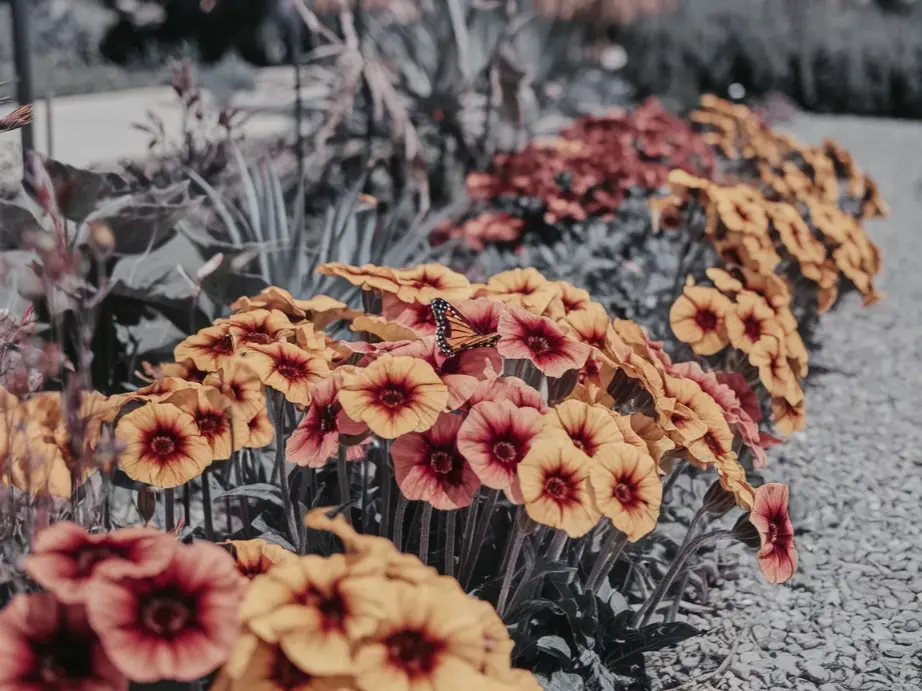
Blanket flower earned its name honestly. When it’s in full bloom, it blankets the ground in fiery shades of red, orange, and yellow that look like a sunset exploded in your garden. And it blooms from early summer clear through to the first frost, giving you four months or more of nonstop fireworks.
Gaillardia is native to North American prairies, which means it evolved to survive exactly the conditions that kill fussy garden plants. Heat? Loves it. Drought? No problem. Poor, sandy soil? That’s actually what it prefers. Heavy clay that’s been pampered with compost and amendments? That’s where blanket flower struggles. It wants it tough. It wants it lean. Give it the worst spot in your yard and watch it thrive.
Keeping the Show Going
Blanket flower benefits from occasional deadheading to keep the blooms coming at full speed. But even if you skip it, the plant will still flower. Just maybe not quite as prolifically. The bicolor blooms, with red centers fading to golden-yellow tips, are irresistible to butterflies and bees.
It grows about 1 to 2 feet tall and works beautifully at the front or middle of a border. Hardy in Zones 3 through 10, it covers nearly every climate. The one thing it demands is good drainage. Wet soil in winter is the number one killer of blanket flower. If your soil drains well, this plant will give you years of carefree, blazing color.
6. Salvia ‘May Night’ (Perennial Sage)
Deep Purple Drama From Spring to Fall
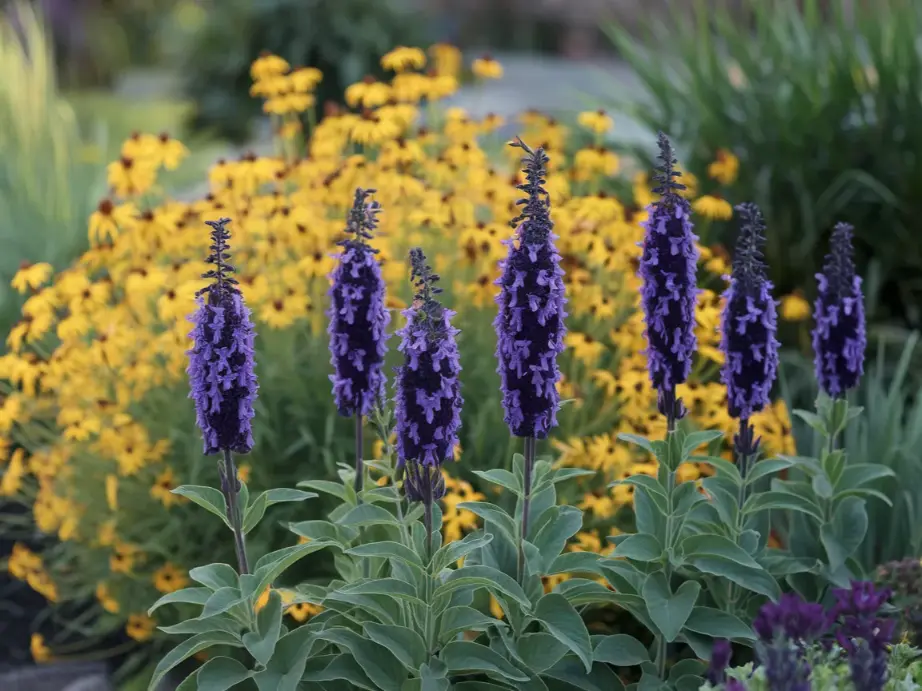
When you need strong vertical lines and rich, saturated color, ‘May Night’ salvia delivers. Dense spikes of deep indigo-purple flowers shoot up from neat clumps of green foliage starting in late spring, and the show continues well into fall with a simple mid-season trim. That easily gives you three to four months of bloom.
‘May Night’ won the Perennial Plant of the Year award in 1997. Almost three decades later, it’s still one of the most recommended perennials by professional landscapers and garden designers. The deep purple color is a perfect complement to yellows like Black-Eyed Susan and warm oranges like blanket flower. Planting them together creates that classic, magazine-worthy garden color scheme.
The One Trick That Doubles Your Blooms
Here’s the secret with ‘May Night’. After the first big flush of flowers starts to fade, cut the spent flower spikes back to the base of the plant. Within a few weeks, it sends up a fresh round of secondary bloom spikes. These may be slightly shorter than the first round, but they extend the color for weeks longer.
The aromatic foliage naturally repels deer, rabbits, and most insect pests. It handles drought, heat, and poor soil. Hardy in Zones 4 through 9, it grows about 18 to 24 inches tall and looks incredible planted in groups of three or five for maximum impact.
7. Moonbeam Tickseed (Coreopsis verticillata ‘Moonbeam’)
Tiny Golden Stars From June to September
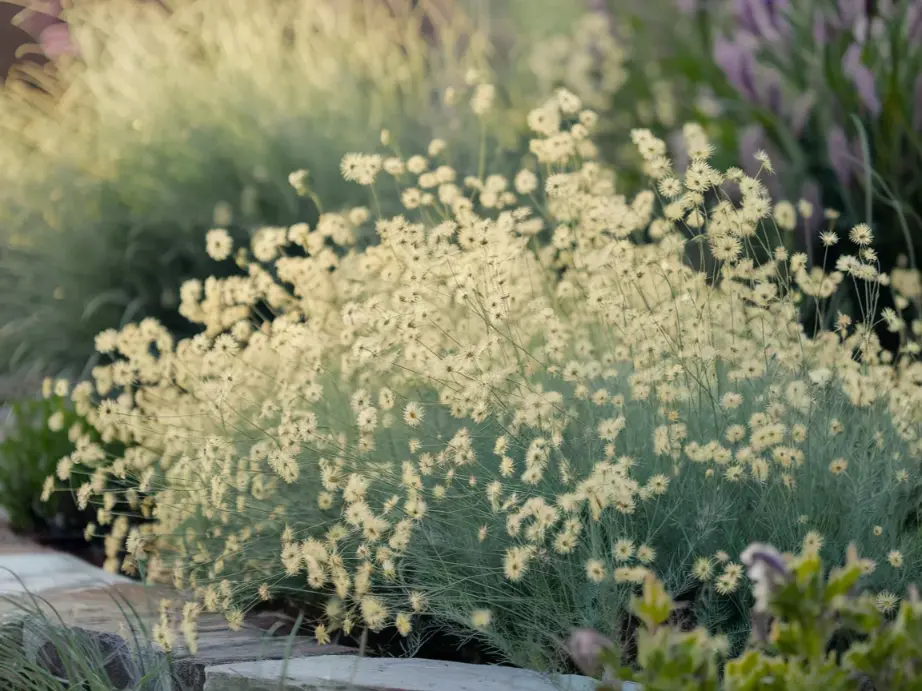
Imagine thousands of tiny, pale-yellow stars floating above a cloud of feathery green foliage. That’s what ‘Moonbeam’ tickseed looks like in bloom. And it stays in bloom from early June all the way through September, giving you a solid four months of soft, golden color.
‘Moonbeam’ won the Perennial Plant of the Year in 1992 and has been a garden favorite ever since. Its fine, thread-like foliage gives it an airy, delicate texture that contrasts beautifully with bolder-leafed plants. The flowers are small individually, but there are so many of them that the overall effect is stunning.
Tough as Nails Under That Delicate Look
Don’t let the dainty appearance fool you. ‘Moonbeam’ is a prairie survivor. It handles drought, heat, poor soil, and cold down to Zone 3 without blinking. Deer and rabbits ignore it. It doesn’t need fertilizer. And because it’s a sterile cultivar, it won’t self-seed aggressively or take over your garden.
It grows about 18 inches tall and spreads slowly to form a neat, well-behaved clump. Use it at the front of borders, in rock gardens, along pathways, or anywhere you want a long-lasting, finely-textured filler that ties other plants together.
For more ideas on layering textures and colors in your outdoor and indoor spaces, check out these spring decor living room ideas that bring the garden’s feel inside.
How To Design a 3-Season Bloom Garden With These 7 Plants
Layering for Nonstop Color
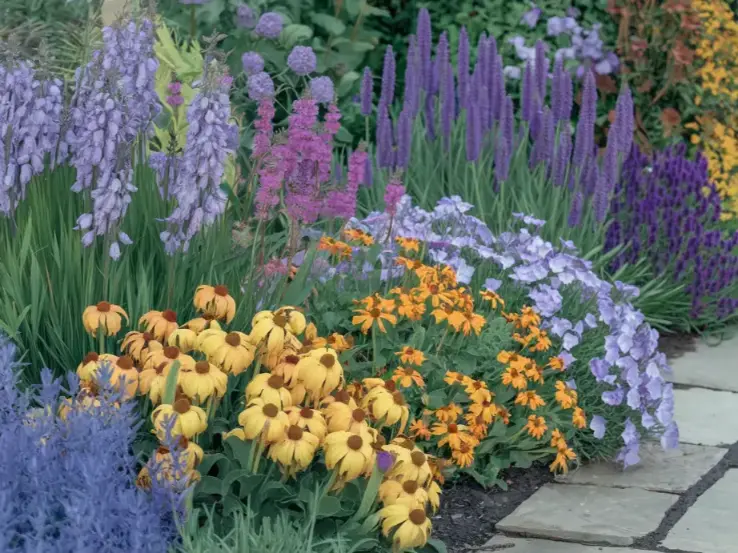
The real magic happens when you plant several of these perennials together. Because their bloom times overlap, you can create a garden border that has continuous color from late spring through the first frost of fall without a single gap.
Here’s a simple layering plan:
Back row (tallest): Catmint ‘Walker’s Low’ (2-3 feet) and Coneflower ‘PowWow Wild Berry’ (2 feet)
Middle row: Salvia ‘May Night’ (18-24 inches) and Black-Eyed Susan ‘Goldsturm’ (2 feet)
Front row (shortest): Geranium ‘Rozanne’ (18-20 inches), Blanket Flower (12-18 inches), and Moonbeam Tickseed (18 inches)
Plant in groups of three or five of each variety for visual weight. The odd numbers create a more natural, flowing look than even pairs. Leave enough space between plants for their mature size, and fill any gaps with a thin layer of mulch.
The Color Story
These seven plants together create a garden palette of violet-blue, lavender, magenta-pink, golden-yellow, red-orange, deep purple, and pale yellow. Those colors naturally complement each other and create a garden that looks rich, layered, and professionally designed.
The cool blues and purples (Rozanne, catmint, salvia) balance the warm yellows and oranges (Black-Eyed Susan, blanket flower, tickseed). The magenta coneflower sits right in the middle, tying both sides together. It’s a color harmony that feels effortless but actually follows classic design principles.
Care Tips That Keep These Perennials Happy for Years
The First Year Matters Most
There’s a famous garden saying: “First year sleeps, second year creeps, third year leaps.” And it’s true. Most perennials look a little underwhelming in their first season. They’re putting energy into building strong root systems underground. By year two, they start spreading. By year three, they’re in full glory.
During that first year, water consistently. Not daily, but deeply once or twice a week, depending on rainfall. This helps roots push deep into the soil, which is exactly what makes these plants drought-tolerant in future years. After year one, most of these seven perennials need very little supplemental water.
Mulch Is Your Best Friend
Apply a 2-inch layer of organic mulch (shredded bark, compost, or leaf mulch) around your perennials every spring. Mulch holds moisture, suppresses weeds, regulates soil temperature, and slowly feeds the soil as it breaks down. It’s the single easiest thing you can do to keep your plants healthy with minimal effort.
Dividing for Free Plants
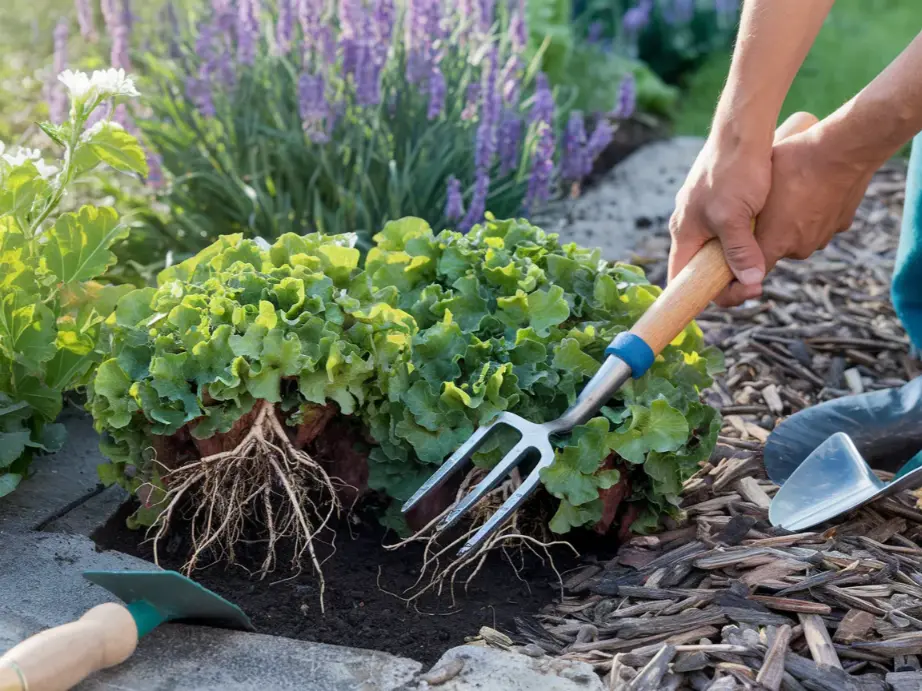
Every three to four years, dig up and divide your perennials in early spring or fall. Split each clump into two or three sections and replant them. This keeps the plants vigorous, prevents overcrowding, and gives you free plants to fill other spots in your garden or share with neighbors.
FAQ
What Does “Plant and Forget” Actually Mean?
It means these perennials need minimal ongoing care after their first growing season. Once established, they tolerate drought, resist pests, rarely need fertilizing, and bloom heavily without constant deadheading. You still check on them occasionally, but they don’t demand weekly attention.
Do These Perennials Really Come Back Every Year?
Yes. Perennials are plants that return from their root systems year after year. They go dormant in winter and regrow in spring. With proper planting and basic care during year one, these seven plants can live and bloom for many years, often a decade or more.
Can I Plant All Seven in the Same Garden Bed?
Absolutely. They share similar growing requirements: full sun (at least 6 hours daily), well-drained soil, and moderate water. Planting them together in a layered arrangement creates a border with continuous color from late spring through fall.
What If I Have Shade?
Geranium ‘Rozanne’ handles partial shade well and will still bloom generously with as little as 4 hours of direct sun. Catmint also tolerates some shade. The other five plants on this list perform best in full sun. For deeply shaded areas, consider shade-loving perennials like hellebores, hostas, or astilbe instead.
When Is the Best Time To Plant Perennials?
Spring (after the last frost) and fall (at least 6 weeks before the first frost) are the ideal planting windows. Fall planting gives roots time to establish before winter, often producing stronger plants the following spring. Avoid planting during the hottest weeks of summer.
How Much Do These Perennials Cost?
Most of these varieties cost between $8 and $15 per plant at garden centers. A single plant of each variety would cost roughly $60 to $100 total. Since they come back every year and can be divided to create more plants, the cost per year of bloom is incredibly low compared to annuals.
Do I Need To Cut Them Back in Winter?
Most gardeners leave perennial foliage standing through winter and cut it back in early spring before new growth emerges. The dried stems and seed heads provide winter interest, insulate the crown from cold, and feed overwintering birds. A quick cleanup in March or April is all that’s needed.
Final Thoughts
You don’t need a green thumb to have a garden that blooms for months. You don’t need to spend hours weeding, watering, and deadheading every weekend. And you definitely don’t need to replant everything every spring.
You just need the right plants.
These seven perennials have earned their reputations as the hardest-working flowers in the garden. Geranium ‘Rozanne’ gives you five months of blue without lifting a finger. Catmint fills the air with fragrance and the beds with lavender clouds for nearly as long. Coneflower feeds the butterflies. Black-Eyed Susan brings the golden glow. Blanket flower turns up the heat. Salvia adds drama. And Moonbeam tickseed ties it all together with a constellation of tiny yellow stars.
Plant them once. Water them that first year. Mulch them each spring. And then sit back and watch your garden do something beautiful, season after season, for years to come. That’s the real promise of plant-and-forget perennials. Less work. More flowers. And a garden that makes you smile every time you walk outside.