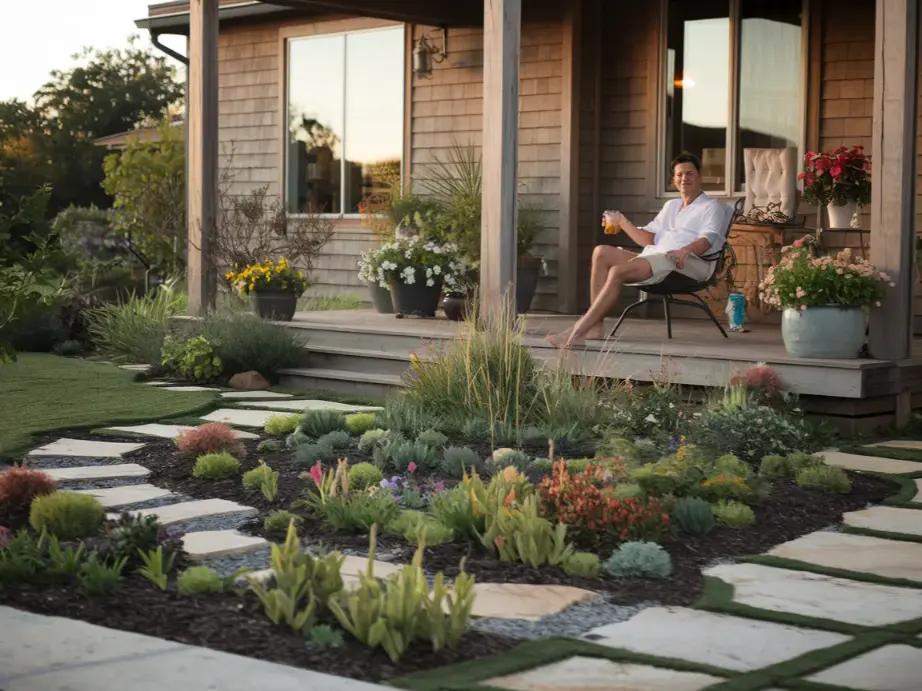

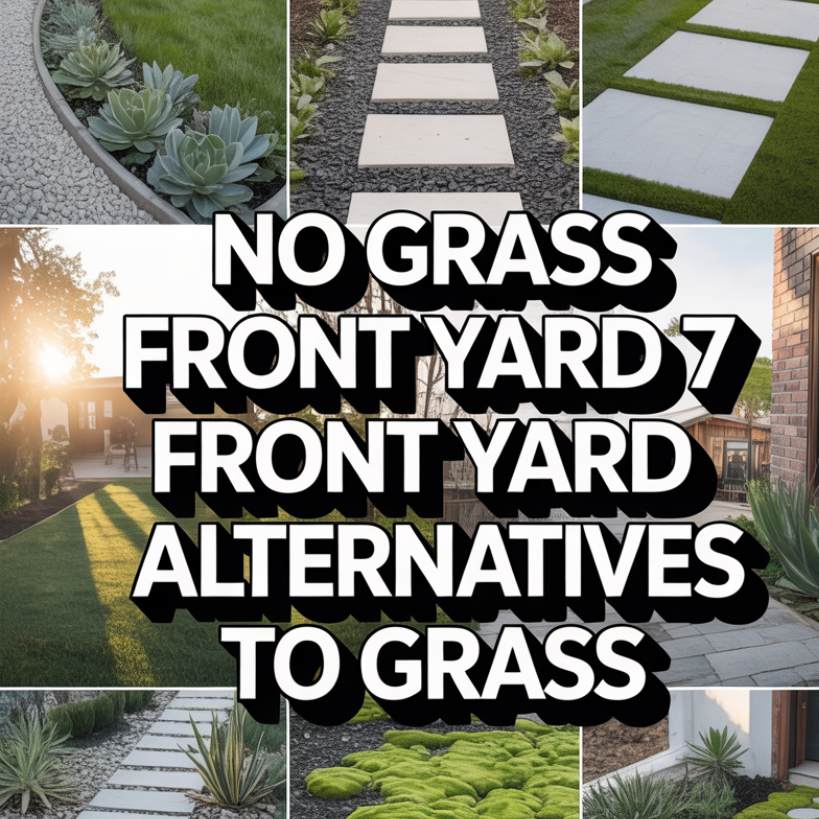
Yes, you can have a beautiful, lush front yard without a single blade of traditional grass. And honestly? It might look even better than the lawn you’re replacing.
Here’s something that might surprise you. According to the EPA, residential outdoor water use in the United States accounts for nearly 8 billion gallons every single day, and most of that goes to watering lawns. On top of that, up to 50 percent of that water gets wasted through evaporation, wind, and runoff from bad sprinkler systems. That’s a lot of water for something that demands weekly mowing, constant fertilizing, and still turns brown the second summer really kicks in.
The good news? There are gorgeous, low-maintenance alternatives that can make your front yard the best-looking one on the street. In this article, you’ll find 7 lush front yard alternatives that save water, cut your workload in half, and bring real personality to your outdoor space. Whether you want a soft carpet of clover, a fragrant thyme ground cover, or a show-stopping rock garden, there’s a perfect option waiting for you.
Let’s explore each one.
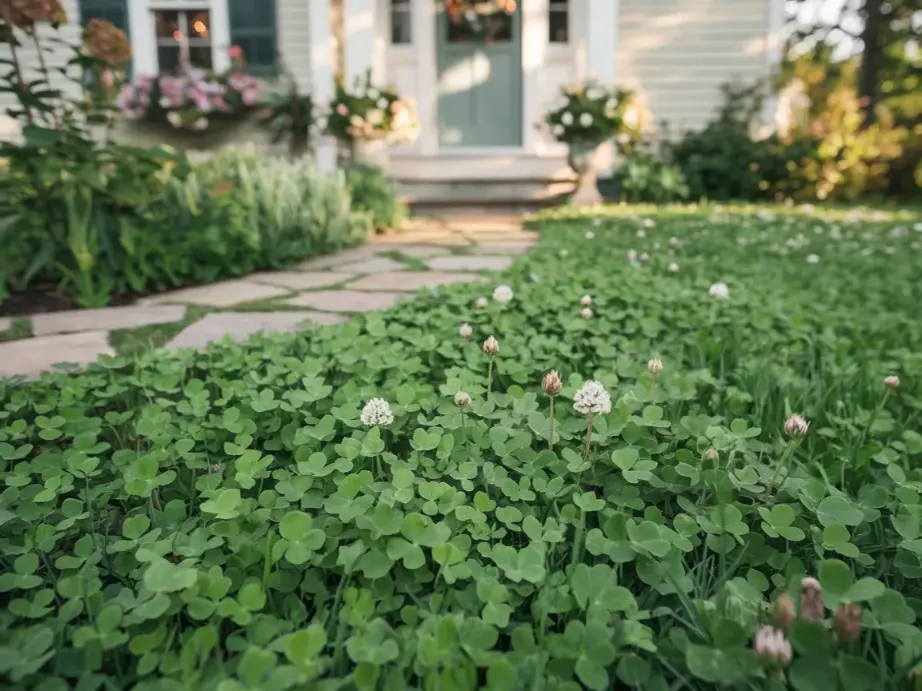
1. A Clover Lawn That Stays Green Without the Fuss
Why Clover Is Making a Huge Comeback
Your grandparents probably had clover in their lawn and never thought twice about it. Then somewhere along the way, lawn care companies convinced everyone that clover was a “weed.” But here’s the truth. Clover is one of the smartest, greenest, and most forgiving ground covers you can plant in your front yard.
Clover stays green with far less water than traditional grass. It grows low and thick, creating a soft, dense carpet that looks lush all season long. And here’s the part that gardeners love most. Clover is a nitrogen fixer. That means its roots pull nitrogen from the air and feed it directly into the soil. Your clover lawn is literally fertilizing itself. No bags of fertilizer. No chemical runoff. Just healthy soil, naturally.
Which Clover Should You Choose?
There are a few types that work well as lawn replacements. White Dutch clover is the most popular choice because it’s vigorous, spreads fast, and produces pretty little white flowers. Microclover is a newer option with smaller leaves that blends more seamlessly into a traditional lawn look. It flowers less, which some homeowners prefer if they want a cleaner appearance.
You can seed a clover lawn for just a few dollars per thousand square feet. Compare that to the cost of sod, fertilizer, weed killer, and weekly mowing for a grass lawn. The savings add up fast. Clover also handles light to moderate foot traffic well, so kids and pets can still play on it.
One thing to know: clover flowers attract bees. That’s great for the environment and your garden, but if you have young kids who run barefoot, you might want to mow the flower heads occasionally to keep bee activity lower.
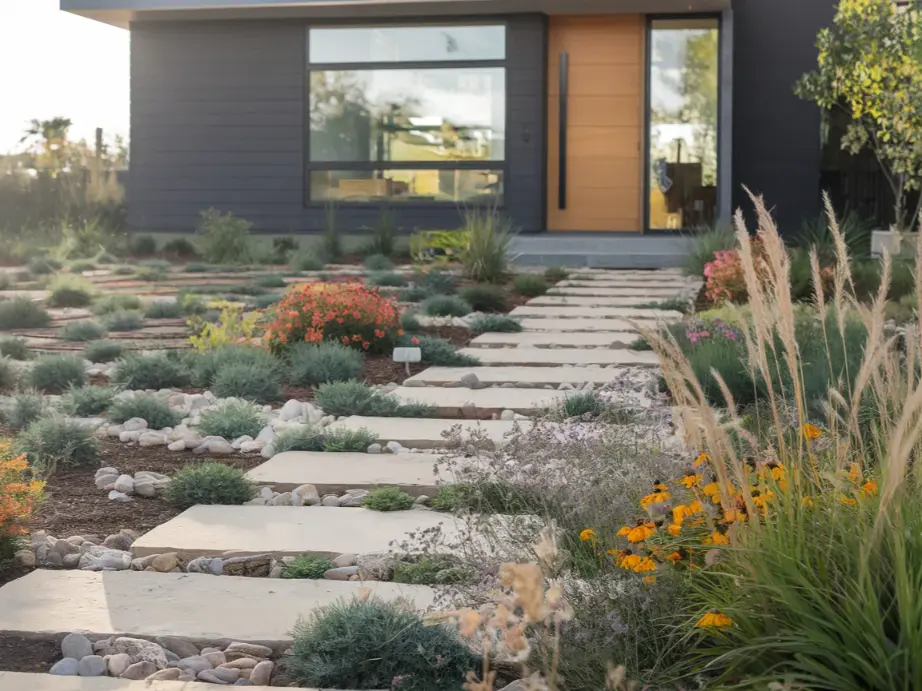
2. Creeping Thyme for a Fragrant, Flowering Ground Cover
The Lawn That Smells Like a Herb Garden
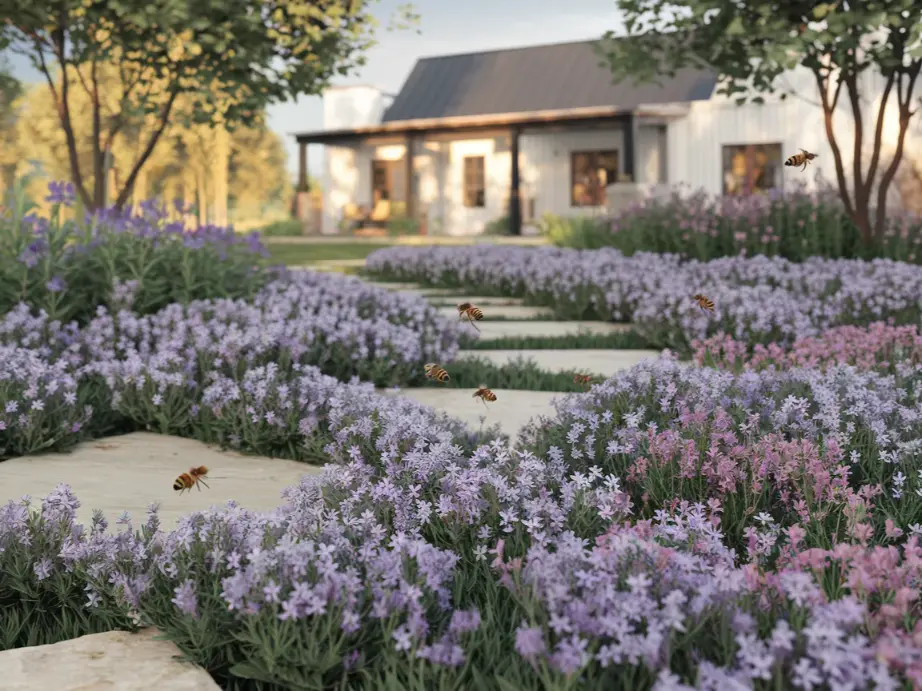
Imagine walking across your front yard and catching a wave of sweet, herbal fragrance with every step. That’s what a creeping thyme lawn gives you. This low-growing ground cover forms a dense, soft mat that hugs the ground at just 2 to 4 inches tall. It never needs mowing. It barely needs watering once it’s established. And when it blooms in late spring and early summer, it explodes with tiny pink, purple, or red flowers that turn your yard into a living painting.
Creeping thyme is drought-resistant and thrives in full sun. It’s hardy in USDA Zones 4 through 10, which covers most of the United States. Once it fills in, it chokes out weeds naturally, so you can say goodbye to weed killer too. And because it’s a perennial, it comes back year after year without replanting.
Best Varieties for Front Yards
Red Creeping Thyme is the most popular choice for lawn replacement. Its vibrant reddish-pink blooms create a show-stopping carpet of color. Elfin Thyme grows even slower and stays even lower, making it perfect for planting between stepping stones or along pathways.
The biggest downside? Thyme is slower to establish than clover. It can take one to two full growing seasons to fill in completely. But once it does, it’s incredibly low maintenance. It also handles light foot traffic, though you’ll want pavers or stepping stones for high-traffic paths.
If you love the idea of a front yard that doubles as a herb garden you can actually cook with, creeping thyme is your answer. Snip a few sprigs on your way inside and toss them into tonight’s dinner. No other lawn alternative lets you do that.
3. Native Wildflower Meadow for Maximum Color
Turning Your Front Yard Into a Mini Meadow
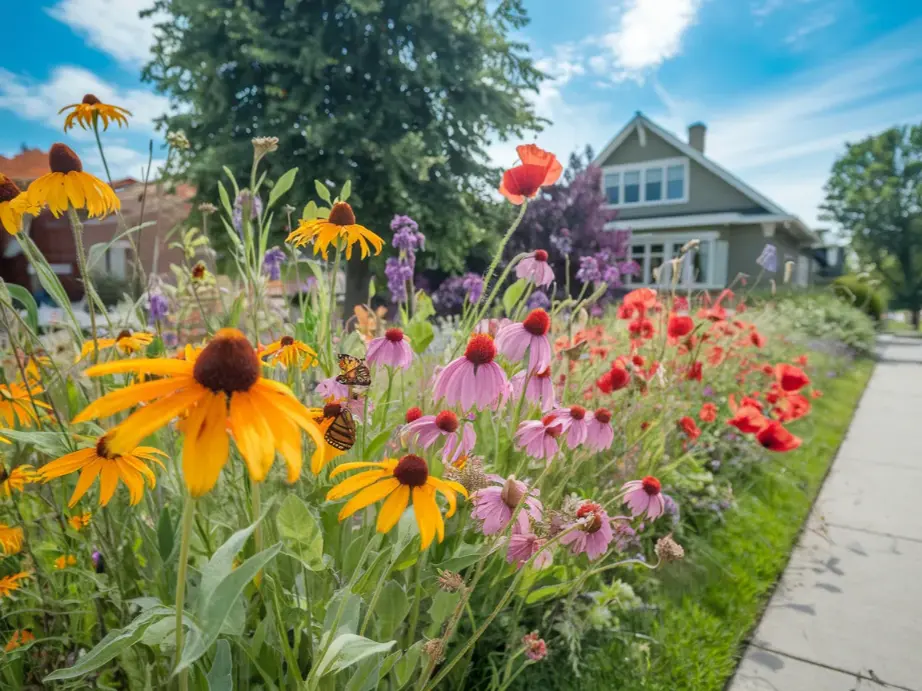
This is the option for people who want their front yard to look like something out of a nature documentary. A wildflower meadow replaces the boring green rectangle with waves of color, texture, and movement. Black-eyed Susans, coneflowers, poppies, lupines, and dozens of other native wildflowers can turn your yard into a pollinator paradise that blooms from spring through fall.
Native wildflowers are adapted to your local climate and soil. That means they need far less water, no fertilizer, and no pesticides. They also support local ecosystems by feeding butterflies, bees, hummingbirds, and other beneficial insects. The EPA notes that using native plants can reduce outdoor water use by 20 to 50 percent compared to traditional landscaping.
How To Keep It From Looking “Messy”
This is the number one concern people have about wildflower meadows. “Won’t it just look like I gave up on my lawn?” Fair question. The answer is all about edges. A clean border makes everything look intentional. Use a crisp mowed strip along the sidewalk and driveway. Add a low stone border or edging around the meadow. Place a few stepping stones or a short pathway through the flowers.
These simple design touches signal to your neighbors and visitors that this is a deliberate, beautiful choice and not neglect. Many cities and towns are actually starting to encourage wildflower front yards through rebate programs and updated landscaping ordinances. It’s a growing movement.
If you already enjoy seasonal decorating, a wildflower meadow pairs beautifully with spring decor living room ideas that bring the outdoors in.
4. A Xeriscaped Front Yard for Dry Climates
Beautiful Without a Drop of Extra Water
If you live in the Southwest, parts of California, Texas, or any region where water is precious, xeriscaping is your best friend. This landscaping approach focuses on drought-tolerant plants, decorative gravel, natural stone, and smart design that looks stunning while using almost no irrigation.
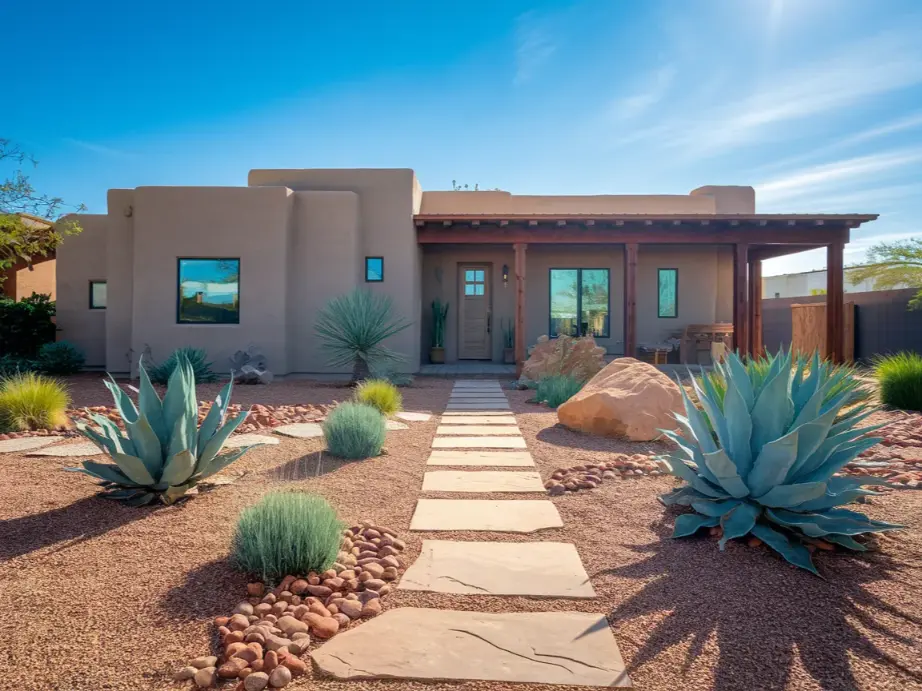
Think of it as designing a desert oasis. Succulents like agave and aloe create bold, sculptural focal points. Ornamental grasses like fountain grass add movement and softness. Lavender brings fragrance and soft purple color. And decorative rocks in warm earth tones tie everything together with a natural, polished look.
Xeriscaping can reduce your outdoor water use by 50 to 75 percent compared to a traditional lawn. In places like Nevada and Arizona, local water authorities even offer rebates to homeowners who replace grass with xeriscape landscaping. You save water, save money on your water bill, and get a yard that actually looks better during a drought than your neighbor’s crispy brown grass.
Design Tips That Make Xeriscaping Pop
The key to great xeriscaping is layers. Use tall plants like desert willows or olive trees for height. Add mid-level shrubs and ornamental grasses for body. Then fill in with low ground covers, succulents, and decorative stone for texture at ground level.
Create winding pathways with decomposed granite or flagstone to give the eye something to follow. Add a few large boulders as natural focal points. Group plants by their water needs so you can be efficient with any irrigation you do use. And add landscape lighting to show off your design at night. A well-lit xeriscape looks absolutely magical after dark.
5. Moss for Shady Yards That Struggle With Grass
The Soft, Green Carpet That Loves the Shade
If your front yard sits under large trees or faces north where sunlight is limited, you’ve probably fought a losing battle with grass for years. Patchy, thin, brown spots where grass just refuses to grow. Sound familiar? Moss is your solution.
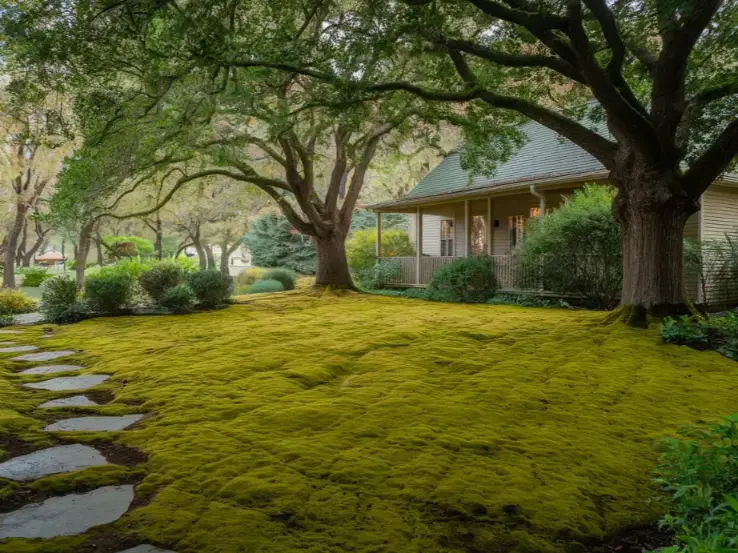
Moss thrives in the exact conditions where grass fails: shade, moisture, and acidic soil. It forms a velvety, emerald-green carpet that stays low, stays green, and requires zero mowing, zero fertilizing, and minimal watering once established. Walking on moss feels like stepping on the softest cushion nature ever made.
A moss lawn gives your yard a peaceful, woodland feel that’s almost magical. Think of those enchanted forest scenes from movies. That quiet, green, calm atmosphere? You can have that in your own front yard.
How To Get Moss Started
You can transplant moss from elsewhere on your property or buy moss starter kits. One popular DIY method involves blending moss with buttermilk and water to create a slurry, then spreading it over the area you want to cover. Keep it consistently moist during the first few weeks, and the moss will begin to spread on its own.
Moss works best on compacted or rocky soil where other plants struggle. It doesn’t have deep roots, so it won’t compete with your trees. And because it stays so low, it creates a seamless, carpet-like surface that makes your yard look manicured without any actual maintenance.
The one caveat: moss doesn’t handle heavy foot traffic well. So it’s best for areas where people mostly look at the yard rather than play on it. Use stepping stones for walkways through a moss lawn to keep it pristine.
6. Decorative Gravel and Rock Gardens
Modern, Clean, and Nearly Maintenance-Free
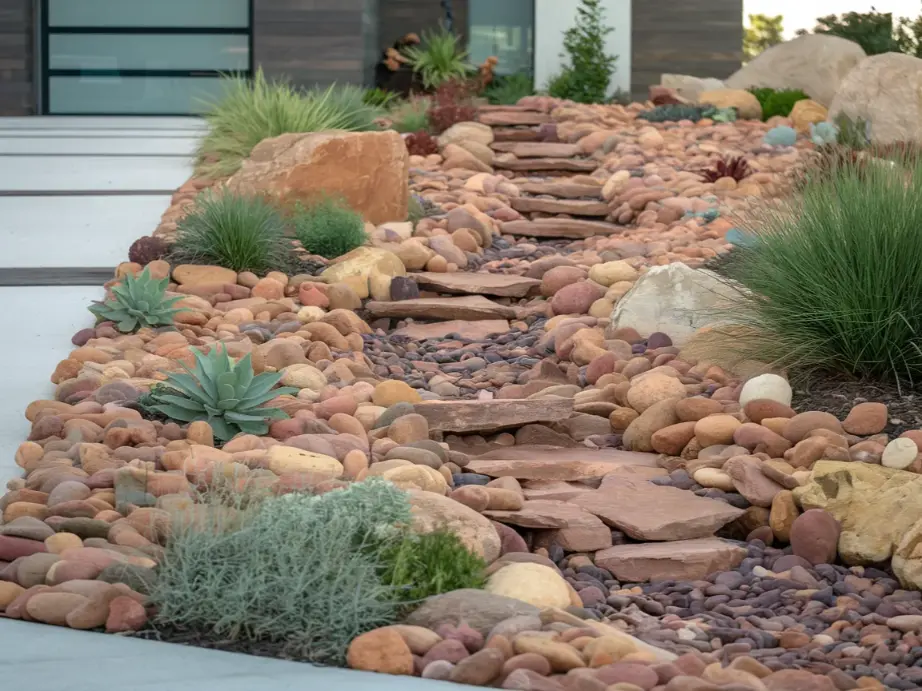
Sometimes the most stunning front yards don’t have a single living ground cover at all. A well-designed gravel and rock garden can look incredibly sophisticated while requiring almost zero maintenance. No watering. No mowing. No weeding (with proper landscape fabric underneath). Just clean lines, beautiful textures, and year-round curb appeal.
Choose your stone carefully because it sets the entire mood. White pea gravel gives a bright, coastal vibe. Warm-toned river rock feels natural and earthy. Dark slate or volcanic rock creates a bold, modern statement. You can even mix stone types in different zones to create visual variety.
Bringing Life Into a Rock Garden
The best rock gardens aren’t just rocks. They’re a mix of stone, carefully chosen plants, and smart design. Add drought-tolerant plants like sedums, yuccas, and ornamental grasses between rock groupings. Place a few large, dramatic boulders as anchor pieces. Create a dry creek bed with smooth river stones to mimic the look of a natural stream.
The combination of hard stone and soft plants creates a beautiful contrast that catches the eye. And because everything in a rock garden is drought-tolerant, you’ll barely use any water at all.
Rock gardens work especially well alongside home decor entrance ideas that carry the same clean, modern aesthetic from your yard right through your front door.
7. Ground Cover Plant Mix for a Living Carpet
The Best of Everything in One Yard
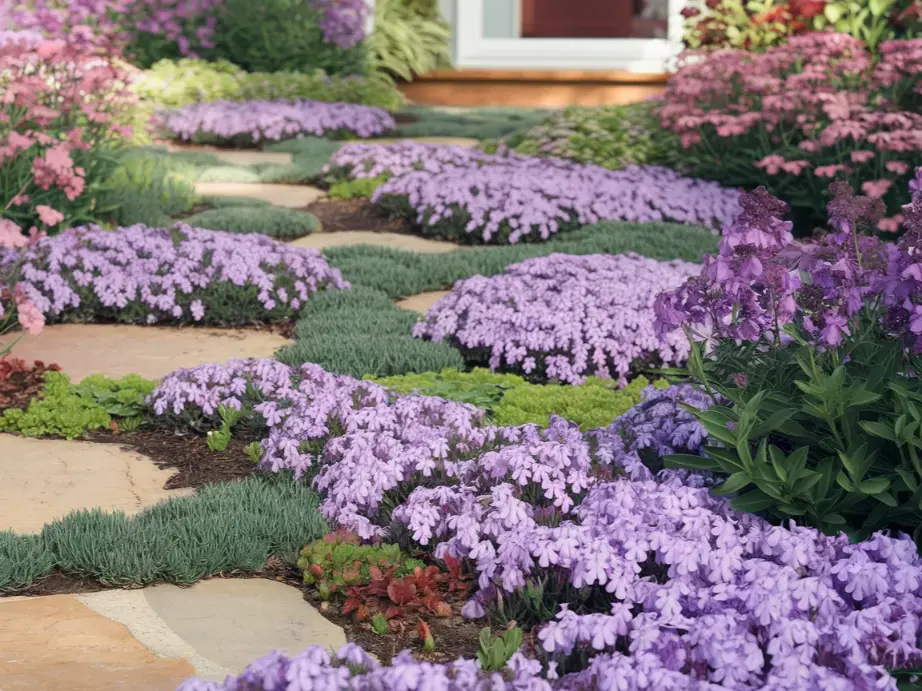
Can’t decide on just one alternative? You don’t have to. A mixed ground cover approach combines several low-growing plants to create a rich, textured, multi-colored living carpet. Think patches of creeping thyme flowing into sections of sedum, bordered by low-growing sedge, with pops of creeping phlox for color in spring.
This approach mimics how nature actually works. In the wild, you never see a field of just one plant. There are always layers, textures, and variety. A mixed ground cover front yard captures that natural beauty while still feeling intentional and designed.
How To Plan Your Mix
Start by mapping your yard’s sun and shade patterns. Full sun areas get thyme, sedum, and creeping phlox. Partial shade areas get ajuga, wild ginger, or sweet woodruff. Moist spots get moss or creeping Jenny. Dry spots get sedge or woolly thyme.
Then create organic, flowing shapes. Avoid straight lines. Let one ground cover drift naturally into the next, like a patchwork quilt laid over the ground. Add a few stepping stones or a simple path so the design has structure.
The result is a front yard that looks different depending on the season. Spring brings phlox blooms. Summer brings thyme flowers and sedum rosettes. Fall brings rich bronze and burgundy tones from the changing ground covers. And even in winter, evergreen varieties like sedge and some thyme species keep things green.
For more ideas on creating layered outdoor spaces, browse these patio decor lights ideas that can highlight your new ground cover beautifully at night.
Lush Front Yard Alternatives at a Glance
Here’s a quick comparison to help you find the right fit for your yard:
| Alternative | Water Needs | Maintenance | Foot Traffic | Best For |
|---|---|---|---|---|
| Clover Lawn | Low | Very low | Moderate | Any climate, budget-friendly |
| Creeping Thyme | Very low | Almost none | Light | Sunny yards, fragrance lovers |
| Wildflower Meadow | Low | Seasonal mowing | Low | Color lovers, pollinators |
| Xeriscaping | Minimal | Very low | Varies | Dry/hot climates |
| Moss | Moderate (shade) | Almost none | Very low | Shady yards |
| Rock Garden | None | Almost none | Walkways only | Modern, minimal style |
| Ground Cover Mix | Low-moderate | Low | Light-moderate | Variety, year-round interest |
How To Get Started With Your Lawn Replacement
Start Small and Expand
You don’t have to rip out your entire lawn in one weekend. In fact, most landscaping experts recommend starting with a small section first. Pick a trouble spot. Maybe it’s that patch under the oak tree where grass never grows. Or that strip along the driveway that you’re tired of edging every week. Convert that one area first. See how you like it. Then expand from there.
This approach is easier on your budget, less overwhelming physically, and gives you time to learn what works best in your specific yard before you commit to the whole thing.
Preparing the Ground
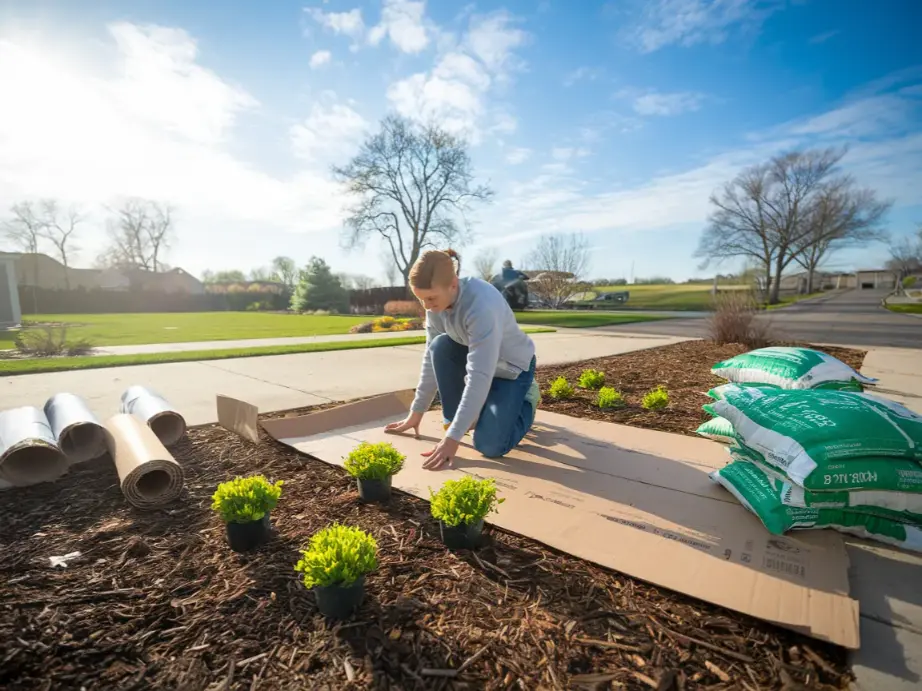
The basic steps for most lawn replacements are the same. First, remove the existing grass. You can smother it with cardboard and mulch (the “lasagna method”), solarize it under clear plastic sheeting, or physically remove the sod. Avoid chemical herbicides when possible. They can linger in the soil and harm whatever you plant next.
Once the grass is gone, loosen the top few inches of soil. Add a thin layer of compost if your soil is poor. Then plant your chosen alternative. Water consistently during the first few weeks of establishment. After that, most of these alternatives need far less water than grass ever did.
Check Local Rules First
Before you start, check your local HOA rules or city ordinances about front yard landscaping. Some communities have restrictions on lawn removal or specific requirements for ground cover. The good news is that many cities now actively encourage lawn alternatives and even offer water conservation rebates for homeowners who make the switch.
The Real Cost of Keeping a Traditional Lawn
Let’s talk numbers for a moment. The average American family spends more than $1,000 per year just on water costs, and a big chunk of that goes straight to the lawn. Add in mowing costs (gas, maintenance, or a lawn service), fertilizer, weed treatments, and pest control, and you’re easily spending $2,000 to $3,000 a year on grass.
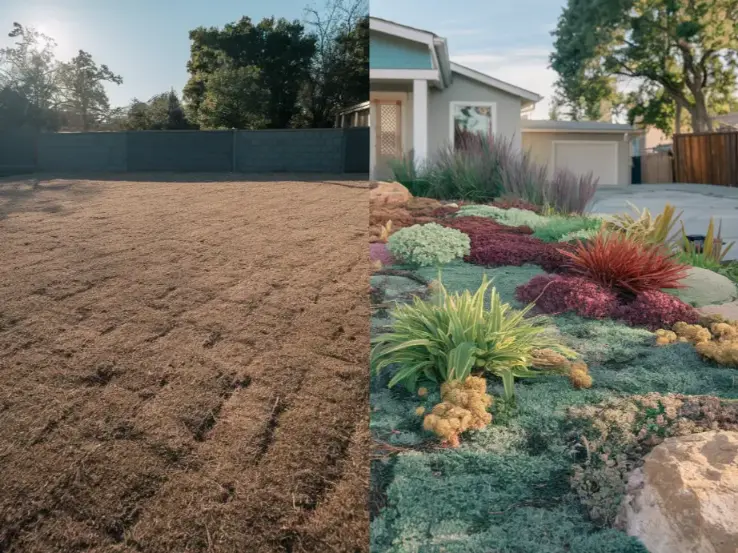
Now compare that to a clover or thyme lawn that needs no mowing, no fertilizer, and very little water. Or a rock garden that costs nothing to maintain after installation. Or a wildflower meadow that just needs one annual mowing in late fall.
The upfront cost of switching can range from very cheap (a bag of clover seed is under $20) to moderate (professional xeriscaping can run $3 to $15 per square foot). But the ongoing savings in water, time, and maintenance products pay for themselves quickly. And you get a yard that actually looks better than the one you replaced.
For more ideas on making your home’s exterior and entrance feel as stunning as your new yard, check out these entryway table decor ideas that complete the curb appeal package.
FAQ
Is It Legal To Remove Grass From My Front Yard?
In most areas, yes. Many cities now encourage lawn removal through water conservation programs and even offer rebates. However, some HOAs or older municipal codes may have restrictions. Always check your local rules before starting. If there are restrictions, you can often get an exception by submitting a landscape plan.
What Is the Cheapest Alternative to a Grass Lawn?
Clover is by far the most affordable option. A bag of white Dutch clover seed costs under $20 and can cover a large area. Wildflower seed mixes are also budget-friendly. Both options establish quickly from seed without the cost of sod or plugs.
Will a Lawn Alternative Hurt My Home’s Resale Value?
Not if it’s well-designed. A thoughtfully landscaped front yard with ground covers, native plants, or xeriscaping can actually increase curb appeal and attract buyers who value low maintenance. The key is making it look intentional with clean edges, pathways, and a cohesive design.
Can I Mix Grass With Lawn Alternatives?
Absolutely. Many homeowners keep a small section of grass for play areas and replace the rest with ground covers or rock gardens. This hybrid approach gives you the best of both worlds and still reduces your water use and maintenance significantly.
How Long Does It Take for Ground Cover To Fill In?
It depends on the plant. Clover can fill in within one growing season. Creeping thyme typically takes one to two seasons. Moss varies depending on conditions. Most ground covers need consistent watering during their first few weeks but become very low-maintenance after establishment.
Do Lawn Alternatives Attract More Bugs?
Flowering alternatives like clover and thyme do attract pollinators like bees and butterflies, which is actually a benefit for your garden and the environment. They don’t typically attract mosquitoes or harmful pests. Rock gardens and gravel actually discourage pests compared to traditional lawns.
What About Snow and Winter?
Many ground covers are perennial and come back each spring. Creeping thyme is evergreen in many zones and turns a bronze color in winter. Clover dies back in cold climates but regrows from the roots in spring. Rock gardens and xeriscaping look great year-round regardless of weather.
Final Thoughts
Your front yard doesn’t have to be a green rectangle that drinks water, demands mowing, and still looks mediocre half the year. There are better options out there. Options that save water, save money, save your weekends, and honestly look far more interesting than plain grass ever could.
Whether you go with the simplicity of a clover lawn, the fragrance of creeping thyme, the wild beauty of a meadow, the elegance of xeriscaping, the calm of moss, the clean lines of a rock garden, or the rich texture of a ground cover mix, you’re making a choice that’s better for your wallet and better for the planet.
Start with one small patch. See how it feels. Watch how it grows. Chances are, you’ll be hooked. And in a year or two, when your neighbors are still pushing mowers through the summer heat, you’ll be sitting on your porch with a cold drink, admiring a front yard that basically takes care of itself.
That’s the real luxury. Not a perfect lawn. A perfect life with less yard work.