

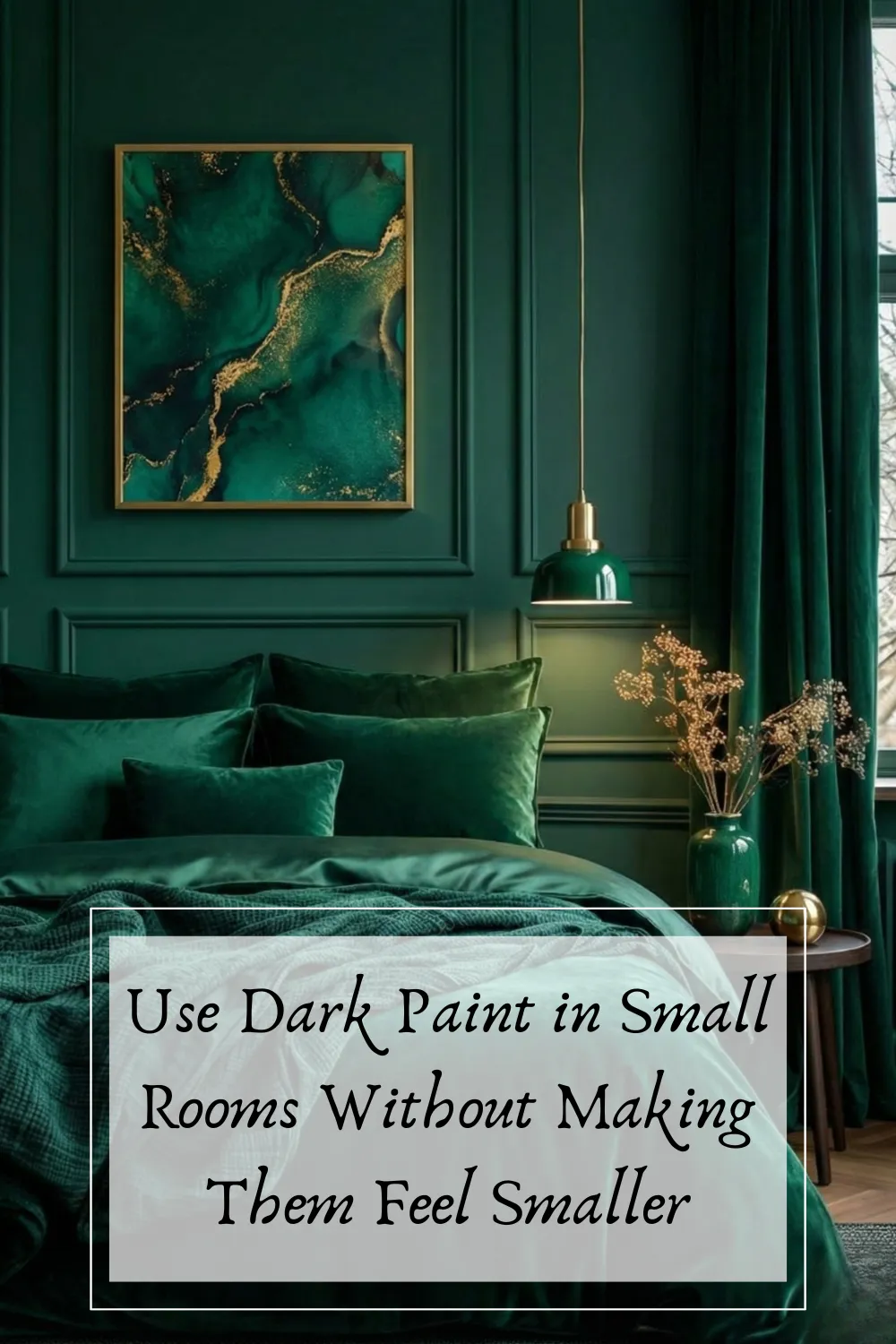
To use dark paint in small rooms without making them feel smaller starts with choosing the right walls and finishes. Use dark paint on an accent wall or lower portion of the room to add depth while keeping ceilings and trim lighter. Pair dark colors with good lighting, mirrors, and minimal décor to reflect light. Matte or satin finishes and consistent color flow help the space feel intentional, not closed in.
Many people avoid dark colors because they think it will shrink their room. But when done right, dark paint adds depth and character. This guide will show you exactly how to pick the right shade, where to paint it, and what design moves help dark colors work in tight spaces. You’ll learn about lighting tricks, color combos, and simple tweaks that turn a small dark room into a cozy retreat. We’ll cover everything from choosing the perfect shade to avoiding common mistakes that make dark rooms feel heavy.
Understanding How Dark Colors Work in Small Spaces
Dark paint doesn’t automatically make a room smaller. What really matters is how you use it. Dark colors absorb light instead of bouncing it around like white walls do. This can make boundaries feel softer and less defined. When walls blur into shadows, your eye can’t measure the exact size as easily. That’s why a dark room sometimes feels more open than expected.
The secret is creating balance. If you paint everything dark and leave the room dim, it will feel like a cave. But if you add bright lights, light-colored furniture, or reflective surfaces, the darkness becomes dramatic instead of depressing. Think of it like cooking. A little salt makes food taste better. Too much ruins it. Dark paint works the same way when you balance it with lighter elements.
Small rooms actually have an advantage with dark colors. Because there’s less wall space, the dark shade creates a cozy wrap-around effect. It’s like being hugged by the room instead of boxed in. Big rooms painted dark can feel cold and empty. Small rooms painted dark feel intentional and stylish when you handle them right.
The Psychology Behind Dark Colors in Tight Spaces
Our brains react to dark colors differently than light ones. Light colors reflect more wavelengths back to our eyes, making surfaces seem closer and more defined. Dark colors absorb those wavelengths, which softens the hard edges of a room. This absorption creates an interesting effect where walls seem to recede slightly, especially in low light conditions.
Dark rooms also trigger feelings of safety and comfort. Throughout human history, we’ve sought dark spaces for rest and protection. A dark bedroom taps into that primal need for a secure sleeping environment. That’s why so many people find dark bedrooms easier to sleep in compared to bright white ones.
The mood shift is real too. Dark colors can make a busy, chaotic space feel calmer. If your small room doubles as a home office or a place where you need to focus, dark walls can actually help reduce visual distractions. Your furniture and belongings stand out more against a dark background, which paradoxically makes the room feel less cluttered even if it’s packed with stuff.
How Light Absorption Creates Depth

When light hits a dark wall, most of it gets absorbed instead of reflected. This creates something designers call “atmospheric perspective.” The same effect happens in nature when distant mountains look bluer and hazier than nearby ones. In a small room, this absorption makes the exact location of walls harder to pinpoint, which can trick your brain into perceiving more depth than actually exists.
Compare this to white walls that bounce light everywhere. White walls are easy to measure with your eyes because they’re so clearly defined. Every corner, every edge, every imperfection shows up. Dark walls hide those details and create a softer, more forgiving environment. Your eye doesn’t get caught on every little thing.
This absorption also means dark rooms feel different at different times of day. Morning light makes dark colors look lighter and more muted. Evening light makes them look deeper and richer. This shifting quality adds interest to your space. The room transforms throughout the day without you changing a single thing.
Choosing the Right Dark Paint Color

Not all dark colors work the same in tight spaces. Some shades feel heavy and closed in. Others feel rich and welcoming. The undertone makes a huge difference. A dark blue with gray undertones feels calm and airy. A dark brown with red undertones can feel warm but also stuffy if there’s not enough light.
Understanding undertones is critical. Hold your paint chip next to a pure white surface. Look at what color seems to glow from within the dark shade. Is it slightly purple? Slightly green? Slightly brown? That subtle color is the undertone, and it will become much more obvious once it’s on all four walls. A dark gray with blue undertones will make your room feel cooler and more spacious. A dark gray with brown undertones will make it feel warmer and more grounded.
Test your paint before committing. Buy sample pots and paint big squares on different walls. Make them at least two feet by two feet so you can really see how the color behaves. Watch how the color looks in morning light versus evening light. Natural light changes throughout the day and your paint will look different at 9 AM than at 7 PM. If the color feels too heavy in low light, pick something with a bit more gray or blue in it.
Best Dark Colors for Small Rooms

Navy blue is one of the most forgiving dark colors for small spaces. It reads as sophisticated without feeling oppressive. Navy has enough color to be interesting but enough darkness to create that cozy effect. It pairs beautifully with white trim, brass fixtures, and natural wood tones. Navy also works in almost any style from traditional to modern coastal to eclectic.
Charcoal gray is another winner. It’s neutral enough to work with any accent color but dark enough to create drama. Charcoal doesn’t fight with your furniture or art. It just sits back and makes everything else look better. Choose a charcoal with blue or green undertones for small spaces. Charcoal with brown undertones can feel muddy in rooms without great natural light.
Deep forest green has become incredibly popular and for good reason. It brings nature indoors and creates a calming, grounded feeling. Green is psychologically soothing, so even a very dark green doesn’t feel as heavy as other dark colors might. Forest green works especially well in bedrooms and home offices where you want to feel relaxed and focused.
Dark plum or eggplant colors add richness without being too masculine or too feminine. These colors have red and blue undertones that create warmth and depth. They’re unexpected choices that make a statement. Plum works beautifully in dining rooms, powder rooms, or bedrooms where you want something different from the typical navy or gray.
Black might sound extreme, but it can work in very specific small spaces. True black works best in rooms with excellent natural light or rooms where you want a dramatic, moody effect. Matte black on walls creates a gallery-like backdrop that makes colorful art and furniture pop. But black requires commitment and careful styling. It’s not a beginner choice.
Understanding Paint Finishes and Their Impact

Matte finishes absorb the most light and create that soft, velvety look that many designers love. Matte dark walls feel sophisticated and modern. But they also show every fingerprint, scuff, and mark. In a small room where you’re constantly brushing against walls, matte might not be practical. It’s harder to clean without leaving streaks or removing paint.
Eggshell or satin finishes have a slight sheen that reflects a tiny bit of light. This helps brighten the room just enough without looking shiny or cheap. In really small spaces, a satin finish on dark walls can add dimension without being too loud. The subtle reflection creates gentle highlights that move as you move through the room. It’s a middle ground between the flat look of matte and the glossy look of semi-gloss.
Semi-gloss and gloss finishes reflect significant light, which can help brighten a dark small room. But they also highlight every wall imperfection. If your walls aren’t perfectly smooth, glossy dark paint will show every bump and dent. Glossy finishes work best on trim, doors, and built-ins rather than full walls. They’re easier to clean though, which makes them practical for high-traffic areas.
Consider using different finishes strategically. You might paint walls in eggshell but use satin or semi-gloss on the ceiling to reflect light downward. Or paint three walls matte and one accent wall satin to create subtle texture variation. Mixing finishes adds complexity to a monochromatic dark room.
Strategic Placement of Dark Paint
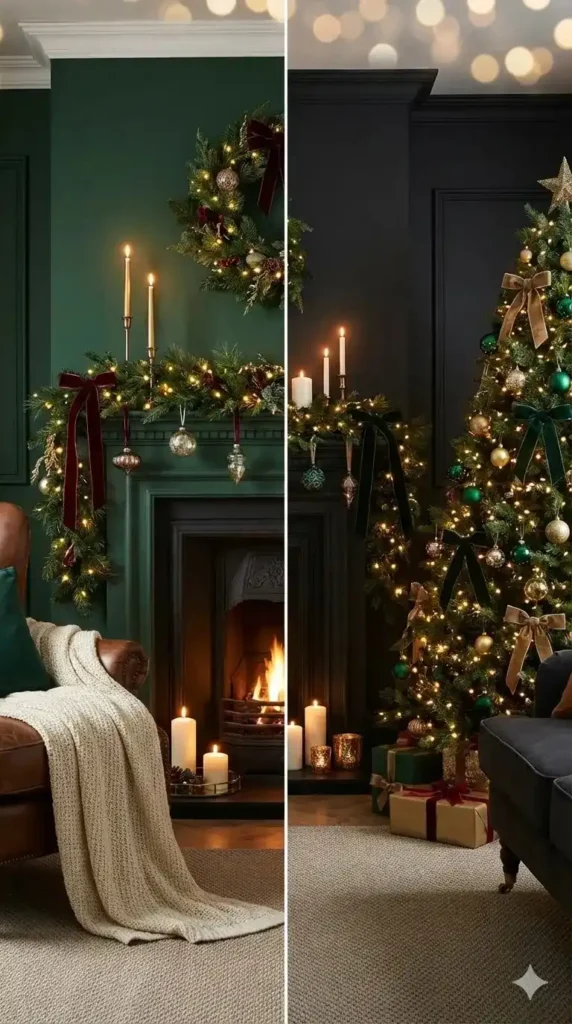
You don’t have to paint every wall dark. One accent wall can give you the drama without overwhelming the space. The wall you see first when entering works great as a dark accent. It draws your eye and makes the room feel deeper. Painting the back wall of a narrow room can actually make it feel wider because it pulls your focus to the far end instead of emphasizing how narrow the sides are.
The accent wall approach is perfect if you’re nervous about committing to all-over dark paint. Choose the wall behind your bed, behind your sofa, or the wall with the most interesting architectural features. This creates a focal point that anchors the room. The other walls can stay light, which keeps the space feeling open while still giving you that dark color you love.
Think about traffic patterns too. If people constantly brush against certain walls, you might want to keep those lighter or use a more durable finish. Dark paint in high-traffic areas shows scuffs and marks more than light paint does. Save your darkest shades for walls that don’t get touched much.
Painting the Ceiling Dark

Painting the ceiling dark is a bold move that works in some small rooms. A dark ceiling can make the room feel taller because it creates the illusion of endless depth above you. Your eye can’t find the boundary between wall and ceiling as easily, which tricks your brain into thinking there’s more vertical space. But this only works if you have good lighting and light-colored walls. Without that balance, a dark ceiling just feels like it’s pressing down on you.
Dark ceilings work especially well in rooms with high ceilings that feel disproportionate. If you have an eight-foot ceiling in a ten-by-ten room, a dark ceiling can actually improve the proportions by making the ceiling feel less prominent. It pulls the visual weight downward and makes the room feel more balanced.
Consider painting the ceiling the same color as the walls for a cocooning effect. This monochromatic approach blurs all boundaries and makes the room feel like a wrapped present. It’s dramatic and enveloping. Add white or cream trim around doors, windows, and baseboards to prevent the monochrome from feeling too heavy.
Creating Depth with Partial Dark Paint
Consider painting built-ins, alcoves, or closet interiors dark while keeping the main walls lighter. This creates pockets of depth and interest. Your eye travels to these darker spots and the room feels more complex and layered. It’s like adding shadows to a drawing. The contrast makes everything feel more three-dimensional.
Painting the inside of bookshelves dark makes books and decorative objects pop. A white shelf with dark backing creates a framed effect for everything you display. This works in small rooms because it adds visual interest without overwhelming the entire space. You get the sophistication of dark color in measured doses.
Window and door casings painted dark create definition and architectural interest. Even in a small room with light walls, dark trim can make the space feel more designed and intentional. This is the opposite of traditional white trim on colored walls, and it creates a modern, unexpected look that draws the eye to windows and doorways.
The Feature Wall Approach
If you choose one feature wall, make it count. The wall should have something interesting about it already. Maybe it has a fireplace, built-in shelves, or a beautiful window. Dark paint will emphasize whatever’s on that wall, so make sure it’s worth emphasizing. Don’t paint a boring, blank wall dark just because it’s convenient.
The wall behind your bed is a classic choice for dark paint in bedrooms. It creates a hotel-like, luxurious feeling without making the whole room feel cave-like. You spend most of your time in bed facing away from that wall anyway, so it doesn’t dominate your visual field. But when you walk in, it makes an immediate impact.
In living rooms, the wall behind the TV or sofa works well as a dark accent. It reduces glare on screens and makes the seating area feel more intimate. Your sofa and art pop against the dark background. Just make sure you have enough lighting in that area so it doesn’t disappear into darkness at night.
Lighting Solutions That Make Dark Rooms Work
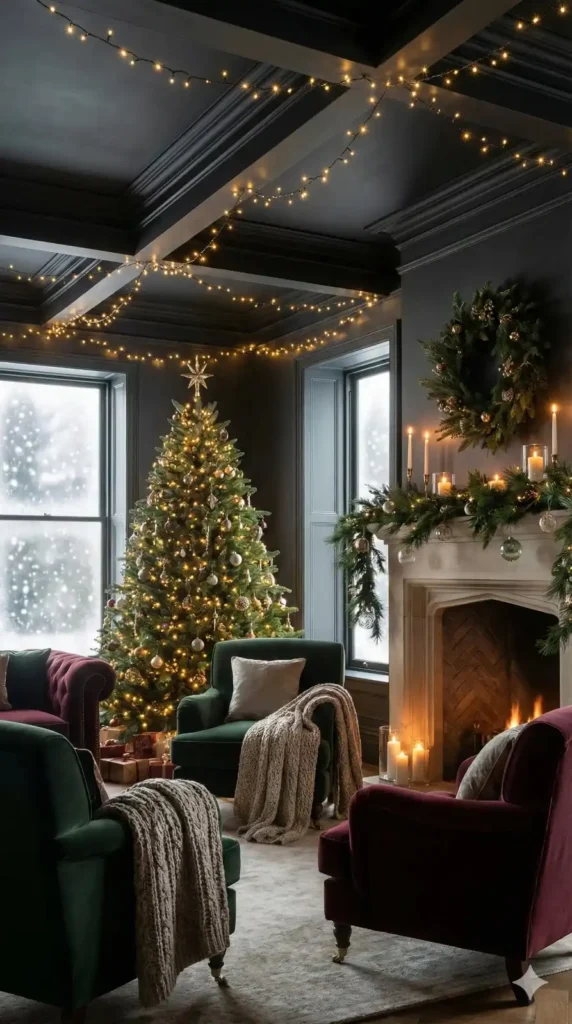
Lighting is everything when you go dark. You need multiple light sources at different heights. One overhead light won’t cut it. Add table lamps, floor lamps, wall sconces, and maybe even LED strips under shelves. Layer your lighting so you can adjust the mood and brightness throughout the day. Think of lighting as a dimmer system with lots of options rather than a simple on-off switch.
The goal is to create pools of light that overlap throughout the room. Each light source should illuminate something specific like a reading chair, a piece of art, or a work surface. Together, all these lights create an overall glow that keeps the dark walls from feeling oppressive. But individually, they create drama and dimension.
Choose warm white bulbs instead of cool white. Warm light makes dark colors feel cozy and inviting. Cool light can make dark walls feel cold and institutional. Aim for bulbs around 2700K to 3000K. That’s the sweet spot for most dark paint colors. Cooler bulbs around 4000K work if you’re going for a modern, crisp look, but they’re less forgiving in small dark spaces.
Overhead Lighting Strategies
Your overhead light should provide general illumination without being harsh. A central ceiling fixture works, but consider installing a dimmer so you can adjust the brightness. Full blast overhead light in a dark room can create stark contrast and make the space feel less cozy. Dimmed overhead light mixed with task lighting creates a more layered, interesting effect.
Recessed lights give you flexibility in dark rooms. Space them evenly across the ceiling to create general illumination, or cluster them over specific areas like a desk or seating zone. Recessed lights disappear into the ceiling, which is helpful in small rooms where you don’t want fixtures taking up visual space. They’re especially good in dark rooms because they don’t create shadows the way hanging fixtures do.
Track lighting lets you aim light exactly where you need it. Point some tracks at walls to wash them with light and make the dark color glow. Point others at art or furniture to create focal points. Track lighting is adjustable, which means you can change your lighting design without rewiring anything. It’s perfect for small dark rooms where you might need to experiment.
Pendant lights add style while providing light. Hang them at varying heights to create visual interest. In a small room with dark walls, metallic or glass pendants reflect light beautifully. Choose fixtures that direct light both upward and downward to maximize brightness. A pendant that only shines down creates a spotlight effect that can make a dark room feel more cave-like.
Task and Accent Lighting
Put lights where they’ll bounce off lighter surfaces. A lamp next to a white piece of furniture will reflect light back into the room. Wall sconces pointed upward will wash the ceiling with light and make the space feel taller. Don’t hide your light sources. Let them be part of the design. In a dark room, your lamps and fixtures become decorative elements that also serve a critical function.
Table lamps should sit on surfaces throughout the room, not just clustered in one corner. Spread them out so every area has a light source nearby. In a small dark bedroom, you might have lamps on both nightstands plus one on a dresser. In a small dark living room, you might have lamps on side tables, a floor lamp behind the sofa, and a desk lamp in a corner workspace.
Floor lamps are valuable in small dark rooms because they provide light without taking up surface space. Arc floor lamps are especially useful because they reach over furniture to put light exactly where you need it. A floor lamp with an uplight component brightens the ceiling and makes the room feel taller, which counteracts any closed-in feeling from dark walls.
Under-cabinet lighting in kitchens or bathrooms, LED strips under shelves or along the top of built-ins, and picture lights over art all add layers of light that make dark rooms work. These accent lights create depth and prevent the room from feeling flat. They highlight specific elements and guide your eye around the space.
Natural Light Maximization
In small dark rooms, natural light becomes even more precious. Don’t block windows with heavy drapes or furniture. Keep window treatments minimal or choose sheer fabrics that let light through while providing privacy. The more natural light you can capture during the day, the less you have to rely on artificial light.
Position mirrors to catch and reflect natural light from windows. A large mirror on the wall perpendicular to a window will bounce daylight into the room. This doubles the effect of whatever natural light you have. In a small dark room, this simple trick can make a dramatic difference in how bright and open the space feels.
Keep window sills clear so light can enter unobstructed. Plants are lovely but if they’re blocking significant light in a dark room, consider moving them. Every bit of natural light counts when you’re working with dark paint in tight quarters.
Paint the window frames and trim white or a light color to frame the natural light source. This draws attention to the window and makes it feel like a glowing portal in the dark wall. The contrast emphasizes the light instead of letting it get absorbed into the dark surroundings.
Furniture and Decor That Balance Dark Walls
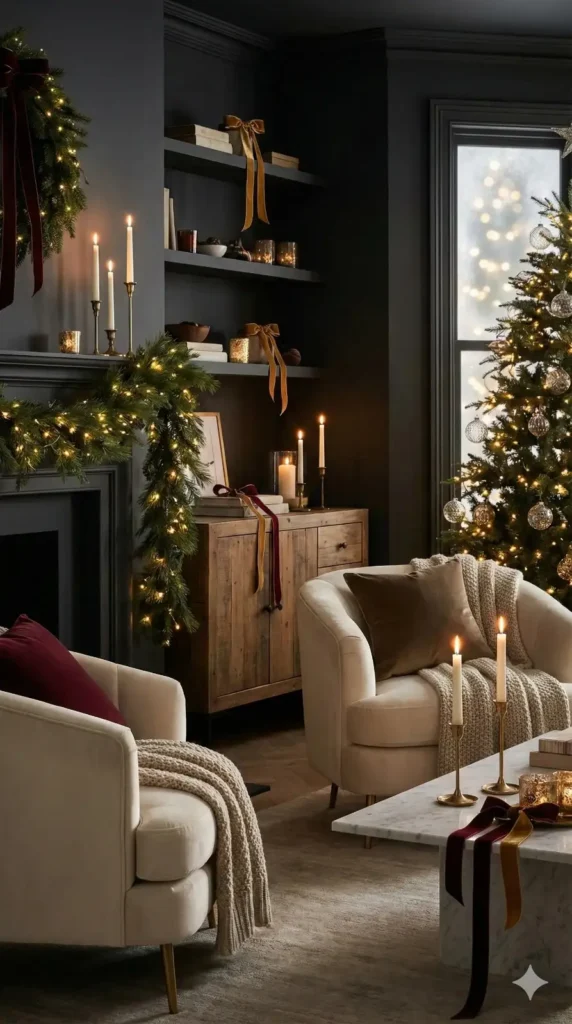
Light-colored furniture is your best friend in a dark room. A white sofa, cream rug, or light wood table creates contrast that keeps the space from feeling heavy. You want your furniture to pop against the dark background. This makes the room feel intentional instead of accidentally gloomy. The contrast also helps define the space and makes individual pieces stand out rather than blending into a murky mass.
Light furniture reflects light back into the room, which brightens the overall space. A cream-colored sofa in a dark living room acts almost like another light source. It catches light from lamps and windows and bounces it around. This is especially important in small rooms where every reflective surface helps combat the light-absorbing qualities of dark paint.
Keep furniture low and simple. Bulky pieces in a small dark room will make it feel crowded. Choose streamlined designs with legs that you can see under. When you can see floor space under and around furniture, the room feels bigger. This works even better against dark walls because the floor becomes a light anchor that grounds the space.
Furniture Scale and Proportion
In a small dark room, scale matters more than ever. Oversized furniture eats up visual space and makes dark walls feel closer. Choose pieces that fit the room proportionally. A loveseat instead of a full sofa. A round dining table instead of a rectangle. Slim profile bookcases instead of deep ones. Every inch you save makes the room breathe easier.
Furniture with visible legs creates airiness that helps offset heavy dark walls. Sofas and chairs on legs let you see through to the floor and wall behind them. This visual continuity makes the room feel less cluttered. Compare this to furniture that sits directly on the floor, which creates visual blocks that make small dark rooms feel more closed in.
Multi-functional furniture is practical in any small room, but especially in dark ones where you want to minimize clutter. An ottoman that provides storage, a coffee table with shelves, a bed with drawers underneath. Less visible clutter means your eye moves more smoothly around the room, which makes it feel bigger and more peaceful.
The Power of Mirrors

Mirrors are magic in dark small rooms. They reflect both light and the illusion of more space. Hang a large mirror across from a window if you can. It’ll double the natural light and make the room feel twice as big. Even small mirrors grouped together can brighten things up and add visual interest to dark walls.
The frame of your mirror matters in a dark room. A light-colored or metallic frame stands out against dark walls and becomes a decorative element. A dark frame can disappear into the wall, which creates a more subtle effect but doesn’t maximize the brightening potential of the mirror itself.
Position mirrors to reflect the most beautiful or interesting parts of your room. If you have pretty light fixtures, position mirrors to reflect them. If you have a gorgeous piece of furniture, angle a mirror to catch it. This doubles the impact of your best design elements and makes the dark room feel more layered and complex.
Floor-to-ceiling mirrors create drama in small dark rooms. A full-length mirror on one wall can visually double the room size. This works especially well in narrow spaces like hallways or dressing areas. The reflection creates depth that counteracts the potentially claustrophobic feeling of dark walls in tight quarters.
Textile and Texture Choices
Choose light-colored textiles to balance dark walls. White, cream, beige, and pale gray curtains, pillows, throws, and rugs all reflect light and create visual relief. In a small dark bedroom, crisp white sheets against dark walls look hotel-chic and keep the room from feeling too moody. The contrast is striking and intentional.
Add texture through your light-colored textiles to prevent them from looking flat against dark walls. A chunky knit throw, a nubby linen pillow, a woven jute rug. These textures catch light in interesting ways and add depth. In a dark room, texture becomes even more important because it creates shadows and highlights that make the space feel dynamic.
Don’t forget window treatments in your textile plan. Sheer white curtains filter light beautifully and create a soft glow against dark walls. Heavy dark curtains might seem like they’d match your walls, but they can make a small dark room feel cave-like. Choose lighter options that let light through while still providing privacy when needed.
Layering textiles adds coziness that works well with dark walls. A rug over carpet, throw blankets over sofas, multiple pillow sizes and shapes. In a dark room, these layers don’t feel cluttered because the dark background provides visual calm. The light textiles pop against the dark walls and create interest without chaos.
Color Combinations That Enhance Dark Paint
Pair your dark walls with crisp white trim. This creates clean lines that define the space and keep it from feeling muddy. White crown molding, baseboards, and window frames act like picture frames for your dark color. They give your eye something to rest on and make the whole room feel more polished. The contrast between dark and light is sharp and intentional, which reads as sophisticated rather than accidental.
White trim also reflects light along the edges of the room, which helps prevent that cave-like feeling. The bright lines guide your eye around the space and create definition. In very small rooms, this definition is crucial. It shows you the actual dimensions of the room rather than letting everything blur together into an undefined dark mass.
The width of your trim matters. Wider trim creates more dramatic contrast and makes a bigger impact in a dark room. If your baseboards and crown molding are only two or three inches wide, consider adding picture rail molding or wall paneling to increase the amount of white trim. This additional contrast prevents the dark paint from dominating completely.
Metallic Accents and Fixtures
Metallic accents work beautifully with dark paint. Gold, brass, and copper add warmth and reflect light in interesting ways. They glow against dark walls and create jewel-like moments throughout the room. A brass floor lamp, copper cabinet pulls, gold picture frames. These small touches elevate a dark room from basic to luxurious.
Silver and chrome feel more modern and cool. They work well with gray or blue-toned dark paint. Silver reflects light more sharply than warmer metals, which can help brighten a space. Chrome fixtures in a dark bathroom or kitchen create a sleek, contemporary look that feels clean rather than heavy.
Mix your metals if you want a more collected, eclectic look. Brass and silver together, copper and chrome. Against dark walls, mixed metals read as intentional and curated. The dark background unifies the different finishes and prevents them from looking chaotic. Just pick one dominant metal and use others as accents.
Consider metallic paint or wallpaper on one wall or the ceiling. A dark room with a silver-leafed ceiling or a wall with subtle metallic stripes catches light in magical ways. The metallics shimmer and shift as you move, which adds dimension and prevents the room from feeling static.
Accent Colors That Pop
Add pops of color through pillows, art, or plants. A dark room doesn’t mean a colorless room. Jewel tones like emerald, sapphire, or ruby look stunning against dark walls. These rich colors have enough intensity to hold their own against a dark background. Pale colors might get lost, but saturated colors sing.
Complementary colors create the most drama. If your walls are dark blue, orange accents will pop. If your walls are dark green, burgundy or coral accents will stand out. Use a color wheel to find complementary pairs, then choose accent pieces in those colors. You don’t need many. Two or three bright pillows or one piece of colorful art can transform a dark room.
Even bright whites and soft pastels create beautiful contrast when used intentionally. A collection of white ceramic vases on a dark shelf, pale pink flowers in a dark room, soft blue artwork on charcoal walls. These lighter accent colors feel fresh and modern against dark paint. They lighten the mood without fighting the darkness.
Plants bring life and color to dark rooms. Green leaves pop against dark walls. The organic shapes and textures of plants add visual interest that prevents dark rooms from feeling too designed or sterile. Choose plants that thrive in lower light conditions like pothos, snake plants, or ferns. Display them in light-colored pots to maximize their impact against the dark background.
Wood Tones and Natural Materials
Natural wood adds warmth to dark rooms. Light wood tones like oak, maple, or pine create beautiful contrast. Dark wood tones like walnut can work too, but you need light upholstery or accessories on those pieces to prevent everything from blending into one dark mass. A light wood dining table in a dark dining room, a natural wood bed frame against dark bedroom walls, a pine bookshelf filled with colorful books.
Cane and rattan furniture add texture and lightness to dark rooms. The open weave of cane lets light pass through, which helps keep the room feeling airy. A cane chair against a dark wall creates interesting shadows and patterns. Rattan baskets for storage add organic texture without visual weight.
Stone and concrete elements work surprisingly well with dark paint. A light marble countertop in a dark kitchen, a concrete floor in a dark industrial-style room. These natural materials have subtle color variation that adds interest. They feel substantial and grounding, which balances the drama of dark walls.
Woven materials like jute, sisal, and seagrass bring texture and neutral color to dark rooms. A jute rug anchors a dark living room with earthy warmth. Seagrass baskets add storage with organic style. These materials catch light in their weave and create gentle texture that prevents flat, one-dimensional looks.
Common Mistakes to Avoid

Don’t paint a windowless room dark unless you’re ready to invest in serious lighting. Natural light is hard to replace. Without windows, a dark room can feel like a cave no matter how many lamps you add. If you must go dark in a windowless space, make sure you have multiple bright light sources and plenty of white or light accents. Consider installing full-spectrum bulbs that mimic daylight to offset the lack of windows.
Windowless bathrooms and powder rooms are exceptions. These spaces are usually small enough that dark paint feels cozy rather than oppressive. People spend limited time in bathrooms, so the cave-like feeling isn’t as problematic. Plus bathrooms typically have bright overhead lighting that compensates for the lack of natural light. A dark powder room with a beautiful light fixture and white fixtures can feel jewel-box special.
Ignoring the Importance of Primer
Skipping the primer is a big mistake. Dark colors need a good base to look even and rich. Without primer, you might need four or five coats to get good coverage. That’s a waste of time and money. Use a gray-tinted primer made for dark colors and you’ll get better results with fewer coats. The primer creates a neutral base that lets the true color of your paint come through.
Primer also helps hide existing wall colors and imperfections. If you’re painting over a light color, the old color can show through dark paint and create splotchy results. Gray primer blocks that old color completely. It also seals the wall surface so your expensive dark paint absorbs evenly instead of soaking into some areas more than others.
Don’t cheap out on primer. A good quality primer costs a bit more but saves you money on topcoat paint because you’ll need fewer coats. It also makes your finish coat look better. Professional painters always use primer for dark colors because they know it’s the foundation of a good paint job.
Forgetting About the Ceiling
Don’t forget about the fifth wall. That’s the ceiling. If you paint everything else dark but leave a bright white ceiling, it can look unfinished. The stark contrast between dark walls and a white ceiling can feel jarring in a small space. Consider painting the ceiling a lighter version of your wall color or a soft cream. This creates a cohesive look that makes the whole room feel wrapped in color instead of just the sides.
White ceilings aren’t always wrong. In some small dark rooms, a white ceiling helps reflect light downward and keeps the space from feeling too enclosed. But make sure it’s intentional. A slightly off-white or cream ceiling often looks better than pure bright white because it creates a softer transition.
If you’re painting walls and ceiling the same color, use a lighter finish on the ceiling than the walls. Flat on walls and eggshell on the ceiling, for example. The slight sheen difference helps define where walls end and ceiling begins without using a different color. This is a subtle trick that keeps monochromatic dark rooms from feeling like they’re collapsing in on themselves.
Neglecting Paint Quality
Cheap paint looks terrible in any color, but it’s especially bad in dark shades. Low-quality dark paint doesn’t cover well, doesn’t look rich, and shows imperfections easily. It can look chalky, streaky, or splotchy. Invest in high-quality paint from reputable brands. The color will be truer, the coverage will be better, and the finish will look professional.
Premium paint also lasts longer and cleans better. In a small room where you’re likely to bump into walls, touch walls, or need to wipe off marks, durable paint matters. Cheap paint rubs off or shows every cleaning attempt. Good paint stands up to real life.
Test paint quality by painting a small area and letting it dry completely. Run your hand over it. Does it feel smooth and consistent? Look at it from different angles. Does the color look even? If the answer is no, upgrade to better paint. You’re putting time and effort into this project. Don’t sabotage yourself with inferior materials.
Over-Decorating Dark Walls
Just because you have dark walls doesn’t mean you need to cover them with art, photos, and decorations. Dark walls are beautiful on their own. Over-decorating can make a small dark room feel cluttered and busy. Choose a few meaningful pieces and give them room to breathe. Let the wall color do some of the heavy lifting in your design.
The art and decorations you do choose should have enough visual weight to stand out against dark walls. Tiny frames and delicate pieces can disappear. Choose larger pieces or group smaller ones together to create impact. Light-colored mats and frames help art pop against dark backgrounds.
Don’t feel obligated to fill every wall. In a small room, negative space is your friend. It lets your eye rest and makes the space feel bigger. One beautiful piece of art on a dark wall can be more impactful than a gallery wall that covers every inch.
Matching Everything to the Dark Walls
Some people make the mistake of matching all their furniture, decor, and accessories to their dark walls. This creates a monotonous space with no visual interest. Your dark walls should be a backdrop, not the only color in the room. Create contrast with your furnishings and bring in other colors to prevent the room from feeling flat.
Even if you love a monochromatic look, vary the shades and textures. Dark charcoal walls with medium gray furniture and light gray accents creates a sophisticated tonal palette without being boring. The variation in shade creates depth even though you’re staying within one color family.
Think of your dark walls as the stage and your furniture and decor as the performers. The stage should support the show, not compete with it. Let your walls be the dramatic background that makes everything else look amazing.
Testing and Adjusting Your Dark Paint Choice
Live with your paint samples for at least three days before deciding. Paint those big test squares and watch them in different lighting conditions. Check them in bright sunlight, on cloudy days, and at night with artificial light. Colors shift dramatically depending on the light, and you want to make sure you love the shade in all conditions. What looks perfect in the afternoon might look murky at night.
Paint your samples on multiple walls if possible. The wall that gets the most natural light will look different from the wall that’s always in shadow. You might discover that the color you love on the bright wall looks too heavy on the dark wall. This information helps you decide whether to proceed with that color everywhere or adjust your plan.
Take photos of your samples at different times of day. Sometimes your camera picks up undertones that your eye misses in person. If the photos look too purple, too green, or too brown, trust what you see. Your instinct is usually right. Photos also let you see the color in different contexts. You can view the photos away from the space and get a fresh perspective.
Living with Samples Before Committing
Observe your samples while doing different activities in the room. Sit where you normally sit. Work at your desk if it’s an office. Lie in bed if it’s a bedroom. The color should feel good from all angles and during all activities. A color that looks great when you’re standing in the doorway might feel oppressive when you’re sitting on the sofa under it for hours.
Ask other people what they think, but don’t let them override your own feelings. Friends and family might have strong opinions about dark colors in small rooms. Listen to their concerns, but ultimately you’re the one who lives with the color. If you love it and it makes you happy, that’s what matters.
Consider how the color makes you feel emotionally. Does it calm you down or amp you up? Does it feel cozy or claustrophobic? Your emotional response to color is personal and valid. A color that soothes one person might depress another. Trust your gut about how the color affects your mood.
Making Adjustments After Painting
Don’t be afraid to adjust. If you paint the whole room and it feels too dark, you have options. You can lighten the shade by going up a few levels on the paint strip. You can paint one wall a lighter color to break up the darkness. You can add more lighting or change your furniture layout. Small tweaks can make a big difference in how the space feels.
If the room feels too dark and heavy, try removing heavy curtains or dark furniture first. Sometimes the paint isn’t the problem. The overall weight of dark elements piled on top of each other is the issue. Swap in lighter curtains and see if that solves it before you repaint.
Add more reflective surfaces if the room feels too flat. More mirrors, glass tables, metallic accessories. These additions can transform a dark room from dull to dimensional. They’re easier and cheaper than repainting, so try them first.
If you truly hate the color after living with it for a few weeks, repaint. A small room doesn’t take long to repaint and there’s no point living with something that makes you unhappy. Choose a lighter shade of the same color or pick something with different undertones. Learn from what didn’t work and make a better choice the second time.
When Dark Paint Isn’t Working
Recognize when dark paint just isn’t right for your specific space. Not every small room is suited for dark colors. If your room has poor natural light, low ceilings, and very little floor space, dark walls might not be salvageable even with all the tricks we’ve discussed. Sometimes the practical realities of a space override design preferences.
Be honest about how you actually use the room. If you need bright work light for detailed tasks, a dark room might not support your activities well. If you get depressed in dark spaces due to seasonal affective disorder or other conditions, dark paint could negatively impact your mental health. Your wellbeing matters more than trendy design.
Consider compromise solutions. Maybe you keep three walls light and paint just one accent wall dark. Maybe you use dark furniture and decor against light walls to get the moody look without the commitment. Maybe you use dark paint in a different room that has better light and more space. There are always alternatives that might work better for your situation.
Advanced Techniques for Dark Small Rooms
Once you master the basics of using dark paint in small rooms, you can explore advanced techniques that take your space to the next level. These approaches require more planning and often professional help, but they create stunning results that truly showcase dark colors in their best light.
Architectural Details and Molding
Add architectural details to break up dark walls and create visual interest. Wainscoting, picture rail molding, crown molding, and panel molding all add dimension to flat walls. When painted in contrasting light colors, these details create striking patterns against dark backgrounds. The three-dimensional quality of molding catches light and creates shadows that make dark rooms feel more dynamic.
Board and batten is particularly effective in dark small rooms. The vertical lines draw the eye upward and make ceilings feel higher. Paint the boards and battens white or cream against dark walls for maximum contrast. This works well in bedrooms, dining rooms, and home offices where you want to add character without pattern or color.
Picture frame molding creates panels on walls that you can treat differently. Paint the inside of the frames dark and the molding light, or vice versa. This technique adds sophistication and makes blank walls look intentionally designed. It’s especially effective in small formal spaces like dining rooms or entryways.
Ceiling beams or coffered ceilings add luxury and dimension to small dark rooms. Even faux beams made from lightweight materials can create impressive effects. Paint beams in a contrasting color to create pattern and interest that draws the eye upward. This technique works best with higher ceilings but can be adapted for standard height ceilings if the beams are shallow.
Ombre and Gradient Effects
Create an ombre effect by gradually transitioning from dark at the bottom of walls to lighter at the top. This technique makes ceilings feel higher and prevents dark walls from feeling heavy. The gradient creates visual interest and movement that flat solid color can’t achieve. It requires careful blending and professional skill, but the results are stunning.
Reverse the ombre for a different effect. Dark at the top fading to light at the bottom creates a sunset or twilight feeling. This is less common but equally striking. It works well in bedrooms where you want a cozy, enveloping feeling above with lightness near the floor.
Use multiple shades of the same color to create subtle color blocking. Paint the bottom third of walls in your darkest shade, the middle third in a medium shade, and the top third in the lightest shade. Add chair rail molding or picture rail between sections for definition. This creates visual height and interest while maintaining a cohesive color story.
Wallpaper and Dark Paint Combinations
Combine dark paint with wallpaper for maximum impact. Paint three walls dark and wallpaper one accent wall with a light-colored pattern. The wallpaper adds texture and pattern without fighting the dark mood of the room. Choose wallpaper with metallic accents or light backgrounds to keep the room bright.
Use wallpaper on the ceiling with dark walls for an unexpected twist. A subtle pattern or texture on the ceiling adds interest without overwhelming a small space. Light wallpaper on a dark wall-surrounded ceiling creates a sky effect that opens up the room visually.
Create a wallpaper panel on a dark wall by framing wallpaper with molding. This creates a piece of architectural art that breaks up the dark expanse. Choose wallpaper with colors that complement your dark walls. The contrast between the papered area and painted area adds dimension and focal point to the room.
Artistic Finishes and Techniques
Consider decorative painting techniques like color washing, ragging, or Venetian plaster in dark colors. These techniques add texture and depth that flat paint can’t achieve. The subtle variations create interest up close while reading as solid color from a distance. They’re particularly effective in small spaces where every detail counts.
Metallic glaze over dark base paint creates shimmer and reflection. Apply metallic glaze in random patterns or in a specific design. The glaze catches light and creates changing effects throughout the day. This technique works beautifully in powder rooms, dining rooms, or any space where you want drama and glamour.
Stencil patterns onto dark walls using lighter paint or metallic paint. Keep the pattern subtle and organic rather than bold and geometric in small spaces. Stenciled vines, leaves, or abstract shapes add visual interest without overwhelming the room. The stenciling breaks up solid color and gives your eye something to discover.
Strategic Color Blocking
Use color blocking techniques to create zones within a small dark room. Paint different sections of walls in different dark shades or in dark and light combinations. This technique works especially well in multifunctional rooms where you want to visually separate sleeping areas from work areas, for example.
Paint the lower half of walls dark and the upper half light with a chair rail dividing them. This traditional technique prevents dark color from overwhelming while still giving you the richness you want. The lighter upper walls reflect ceiling light downward and keep the room bright.
Create a geometric color-blocked design using painter’s tape and multiple shades. Triangles, hexagons, or abstract shapes in various dark and light shades create modern art on your walls. This is bold and playful, perfect for creative spaces or kids’ rooms where you want personality.
Room-Specific Applications of Dark Paint
Different rooms have different needs when it comes to dark paint. Understanding how to adapt dark color principles to specific spaces helps you make smart decisions about where and how to use dramatic colors in your home.
Dark Bedrooms
Bedrooms are ideal for dark paint because the cocooning effect supports rest and sleep. Dark walls block out visual distractions and create a calm environment. People who struggle with sleep often find dark bedrooms easier to rest in because the space feels more separate from the busy world outside.
Balance dark bedroom walls with crisp white bedding and light-colored furniture. A white upholstered headboard against a navy wall looks hotel-chic. Light wood nightstands keep the room from feeling too masculine or heavy. Add warm lighting through table lamps and wall sconces to create a cozy glow.
Layer textures in dark bedrooms to prevent flatness. Velvet pillows, linen curtains, wool throws, and cotton sheets all have different textures that catch light differently. These layers add visual interest that solid dark walls need. In a small dark bedroom, texture becomes even more important because you have less space to create interest through furniture and accessories.
Dark Bathrooms
Small bathrooms and powder rooms work beautifully in dark colors. The space is small enough that dark paint feels luxurious rather than oppressive. People spend limited time in bathrooms, so the drama doesn’t wear on you the way it might in a room where you spend hours.
Contrast dark walls with white fixtures, tile, and towels. A white pedestal sink pops against charcoal walls. White subway tile in the shower creates clean lines against dark paint above. White towels look crisp and hotel-like in a dark bathroom. This contrast is striking and makes the space feel designed and intentional.
Add metallic fixtures and accessories to brighten dark bathrooms. Brass faucets, chrome mirrors, and gold hardware all reflect light and add glamour. A metallic framed mirror becomes a focal point against a dark wall. Consider a chandelier or decorative light fixture to add sparkle and plenty of light.
Ensure excellent ventilation in dark bathrooms to prevent moisture issues. Dark paint shows water stains and mildew more than light paint. Good ventilation protects your investment and keeps the space healthy. Use bathroom-specific paint with mildew resistance for best results.
Dark Home Offices
Dark walls in home offices create focus and reduce visual distractions. The serious mood can help you concentrate and feel more productive. Dark colors also hide clutter better than light colors, which is helpful in small offices where storage is limited.
Ensure excellent task lighting at your desk. A bright desk lamp is essential in a dark office. You need clear, focused light for computer work, reading, and writing. Consider adding under-shelf lighting if you have bookcases. Layer in floor lamps and overhead lights to create adequate overall brightness.
Use light-colored desk surfaces and storage to balance dark walls. A white desk reflects your task light and keeps the workspace bright. Light wood shelving adds warmth without visual weight. Glass or acrylic desk accessories disappear against dark walls and keep the space from feeling cluttered.
Add inspiring art and images to dark office walls. The dark background makes colorful art pop and creates a gallery-like feeling. Choose images that motivate and inspire you. The dramatic backdrop makes your chosen art feel more important and impactful.
Dark Living Rooms
Living rooms with dark walls feel sophisticated and cozy. They’re perfect for movie watching, conversation, and relaxation. Dark living rooms work best when you have good natural light during the day and excellent artificial lighting for evenings.
Anchor the space with a light-colored sofa or sectional. This becomes the visual centerpiece against dark walls. Add colorful pillows and throws to prevent the space from feeling too serious. A light-colored rug defines the seating area and reflects light from lamps.
Create multiple conversation areas in small dark living rooms. A main seating area with sofa and chairs plus a reading nook with a comfortable chair and floor lamp. The dark walls help visually separate these zones while maintaining a cohesive look. Different lighting for each zone makes the small space feel more complex and interesting.
Style dark living room walls with substantial art and decorative objects. Large-scale art makes an impact against dark walls. A gallery wall of family photos in matching light frames creates a focal point. Plants in light-colored pots add life and color. Group decorative objects on shelves rather than spreading them out so each grouping makes a statement.
Dark Kitchens
Dark kitchen cabinets and walls create dramatic, modern spaces. They hide the inevitable splatters and stains that light kitchens show. Dark kitchens feel sophisticated and restaurant-like. But they require careful planning to prevent them from feeling too dark for the practical tasks of cooking and eating.
Contrast dark cabinets or walls with light countertops. White marble or quartz reflects light and creates work surfaces you can actually see on. The contrast between dark and light also makes the kitchen feel more spacious. Under-cabinet lighting is essential in dark kitchens. It illuminates work surfaces and adds layers of light that keep the space functional.
Use glass-front cabinets to break up solid dark cabinetry. The glass reflects light and gives you a place to display pretty dishes or glassware. Interior cabinet lighting makes glass-front cabinets glow and adds ambiance to the kitchen. This technique also makes dark kitchens feel less heavy.
Add metallic or light-colored appliances to brighten dark kitchens. Stainless steel reflects light and adds modern style. White appliances create striking contrast against dark cabinets. Even small appliances on countertops in light colors help balance the darkness and keep the space from feeling cave-like.
Final Thoughts
Dark paint in small rooms isn’t just possible, it’s often stunning. The key is approaching it with a plan and understanding the principles that make dark colors work in tight spaces. Balance the darkness with plenty of light sources, keep your furniture light and simple, and add reflective surfaces to bounce light around. When you get the mix right, a small dark room feels sophisticated and cozy instead of cramped.
The psychological comfort of dark spaces combined with smart design choices creates rooms that feel intentional and stylish. Don’t let outdated rules about dark colors making spaces smaller hold you back from creating the dramatic, personal space you want. With proper lighting, thoughtful furniture choices, and the right color combinations, small dark rooms become some of the most memorable and beloved spaces in your home.
Start with rooms where you’re naturally comfortable with darkness like bedrooms or bathrooms. These spaces benefit most from the cocooning effect of dark walls. As you gain confidence and see how beautiful dark colors can be, you might expand to living rooms, offices, or other spaces. Each room teaches you something new about working with dark paint.
Remember that design is personal and your home should reflect your taste and style. If dark walls make you happy, embrace them. Use the techniques and principles in this guide to make smart choices that balance drama with practicality. Test your colors, plan your lighting, and don’t be afraid to adjust as you go.
Dark paint is a design choice that rewards the brave and the thoughtful. It’s not about following trends but about creating spaces that feel right for you. Small rooms offer the perfect opportunity to experiment because there’s less commitment and faster results. If you’ve been dreaming of dark walls, stop waiting. With the right approach, your small dark room will become your favorite space in the house.

