

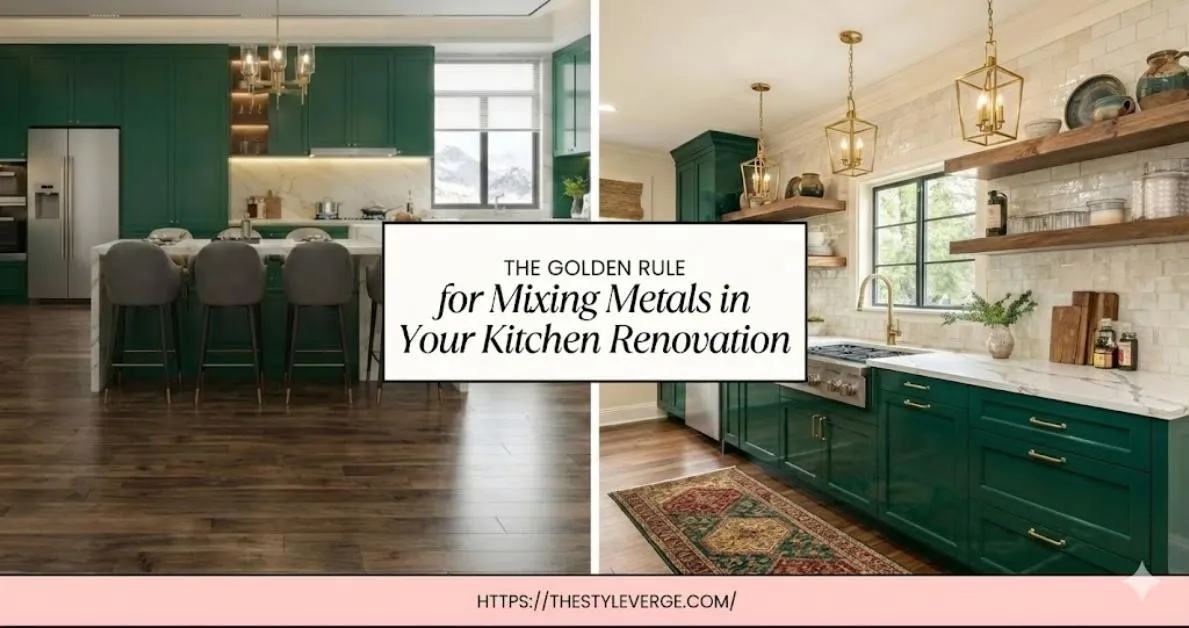
There is one simple rule that helps mixing metals look calm and planned in a kitchen. Pick one metal as the main metal, then use one or two other metals as helpers. The main metal shows up the most. The helper metals show up less, but they repeat in a few spots so it feels on purpose. In this guide, you will learn the golden rule, how to pick your main metal, where to place helper metals, how to avoid common mistakes, and how to make your kitchen look pulled together without stress.
The Golden Rule For Mixing Metals
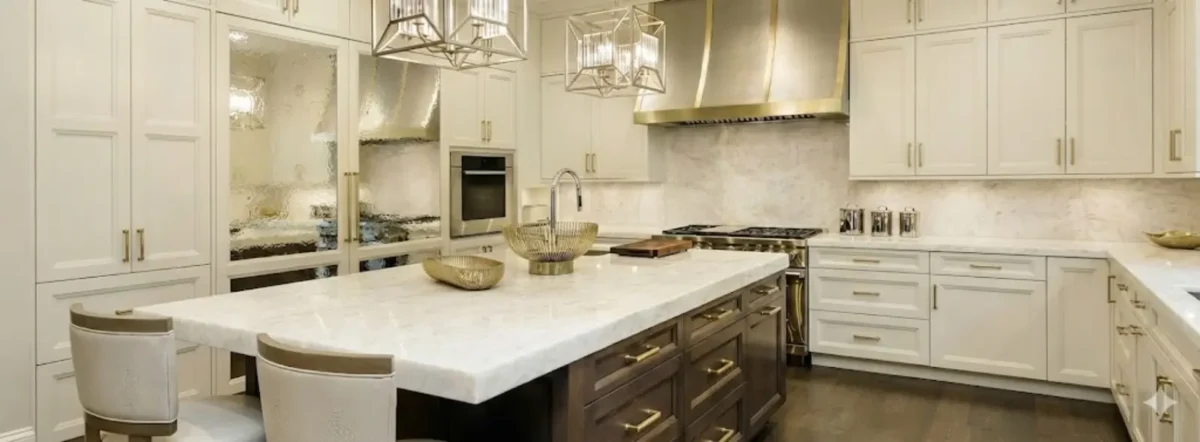
Choose One Main Metal And Let It Lead
The golden rule is simple. Choose one main metal and let it lead the whole kitchen. This main metal is the one you see the most. It sets the mood. It is the “boss metal.” When you have one clear leader, the kitchen feels steady and easy on the eyes.
Think of it like a team. If everyone talks at the same time, it is loud and confusing. But if one person leads and the others help, the plan feels clear. Metals work the same way. When one metal is the leader, the other metals can add interest without making the kitchen feel messy.
Use Helper Metals In Smaller, Repeated Spots
Helper metals are the metals you use less often. They are still important, but they do not run the show. The key is that they must repeat. If you use a helper metal only one time, it can look like an accident, like you grabbed the wrong item.
A good helper metal shows up at least twice, sometimes three times. It might be on lights and a pot rack, or on a soap pump and a small shelf bracket. These small repeats make the mix feel planned. They also help your kitchen look “done,” not “still in progress.”
Why Kitchens Look Better With Mixed Metals

Matching Everything Can Feel Flat
For a long time, people tried to match every metal in a kitchen. Same faucet. Same handles. Same lights. Same everything. This can look neat, but it can also feel flat, like the room has only one note.
Mixing metals adds layers. It gives the kitchen more life. It helps the space feel warm and real, not like a showroom where nothing gets used. When the mix is done with the golden rule, the kitchen feels richer but still calm.
Kitchens Have Lots Of Metal Already
A kitchen has many metal pieces, even before you “decorate.” Appliances, sink parts, hinges, knobs, light fixtures, and small tools all add metal into the room. Because there is already so much metal, the kitchen needs a simple plan so your eye does not jump around.
When there is no plan, the kitchen can feel busy. Your brain keeps trying to “sort it out.” But when you choose one leader metal and repeat the helpers, the brain relaxes. It understands what it is seeing. That is why the golden rule matters most in kitchens.
Step One: Pick Your Main Metal

The Main Metal Should Be Easy To Live With
Your main metal should be one you like seeing every day. It should feel good with your cabinet color, your counter color, and your floor. The main metal will show up a lot, so it needs to be a finish you will not get tired of fast.
Brushed finishes are often easier to live with than shiny finishes. Brushed metals hide fingerprints better. They also look softer in normal home lighting. Shiny metals can still work, but they call for more control because they grab attention fast.
Common Main Metals And What They “Feel Like”
Brushed nickel often feels clean and calm. It fits many styles and does not scream for attention. Chrome feels bright and crisp. It can feel modern and fresh, but it can also feel very shiny if there is a lot of it.
Brass feels warm and cozy. It can make a kitchen feel friendly and a little fancy without trying too hard. Matte black feels strong and modern. It can add a sharp “frame” to a kitchen, especially with white cabinets. The best choice is the one that fits your home and your taste, not just what is popular online.
Step Two: Pick One Or Two Helper Metals
Keep The Helper Metals Simple
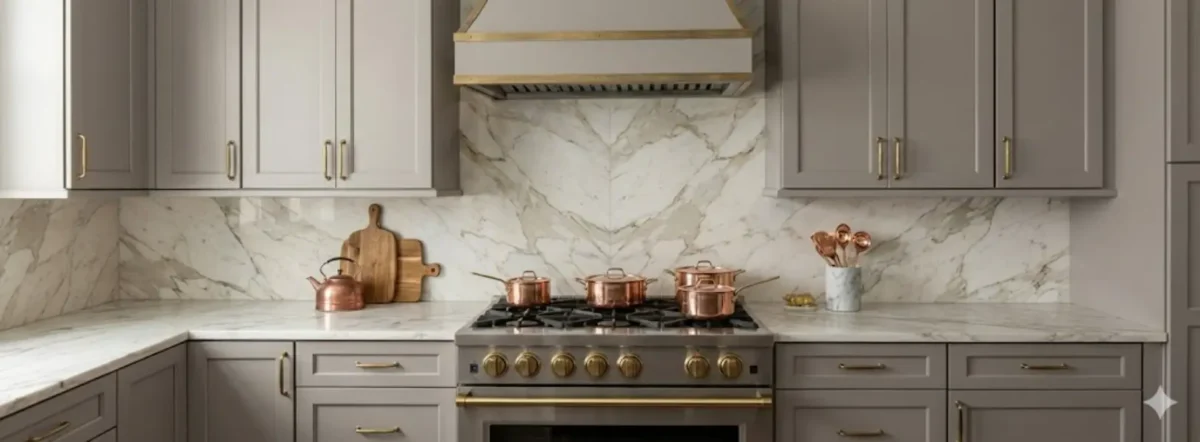
Helper metals should support your main metal, not fight it. If your main metal is warm, like brass, a cool helper like nickel can look clean and balanced. If your main metal is cool, like chrome, a warm helper like brass can add comfort.
The trick is not using too many “loud” metals at once. Two metals is easiest. Three metals can work if the third one is very small and repeats in small ways. Most normal kitchens look best when you keep the plan simple.
Repeat The Helper Metals So They Look Planned
Repetition is what makes the mix look right. If you use black as a helper, don’t use it only on one handle or one light. Use it in at least two places. The repeats do not need to match perfectly, but they should feel like they belong to the same story.
A good way to think about it is “pairs.” If you add a helper metal, give it a buddy somewhere else in the kitchen. That way, nothing feels random.
The Best Places To Use Each Metal
Faucets And Sinks Usually Set The Tone
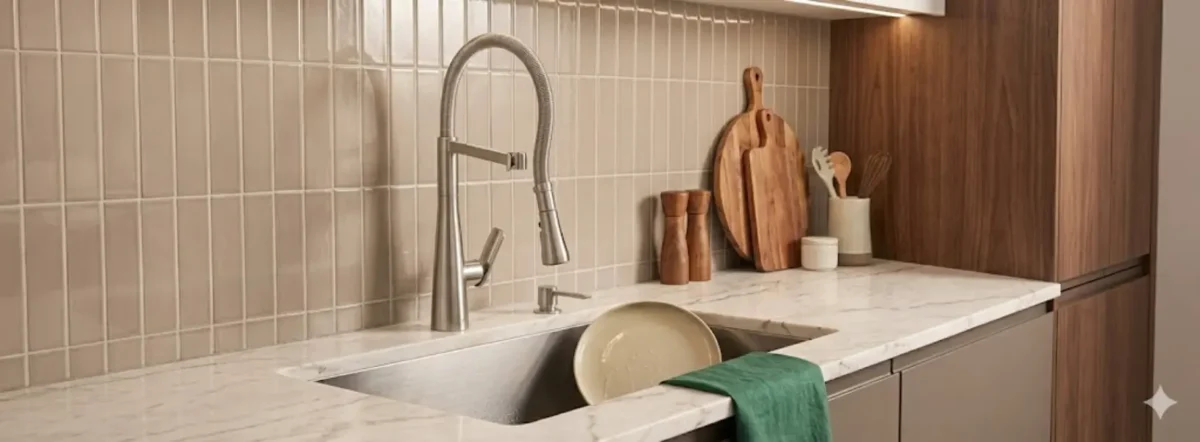
The faucet is a big deal. People look at it all the time. You touch it every day. Because it is so visible, it often makes the best main metal. When the faucet is the leader, you can match cabinet hardware to it and the kitchen will feel steady fast.
If you already have a sink and faucet you love, use that metal as your leader. Then choose the other metals to support it. This approach can save money because you don’t have to replace what already works.
Cabinet Hardware Creates Strong Repetition
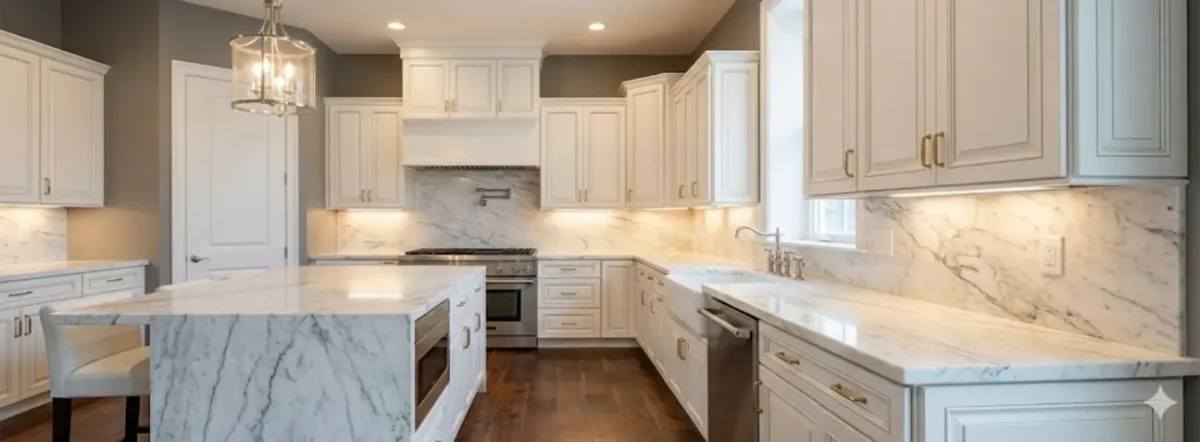
Cabinet handles and knobs repeat across the room, so they have a huge impact. If you pick a metal for hardware, you will see it over and over. This can make it a great main metal too.
If your hardware is the main metal, then keep the faucet and lights as helpers, or match one of them to the main metal and let the other be the helper. The key is that the most repeated metal should feel like the leader, not like a random choice.
How Appliances Fit Into Mixed Metal Kitchens
Stainless Steel As A Neutral Metal
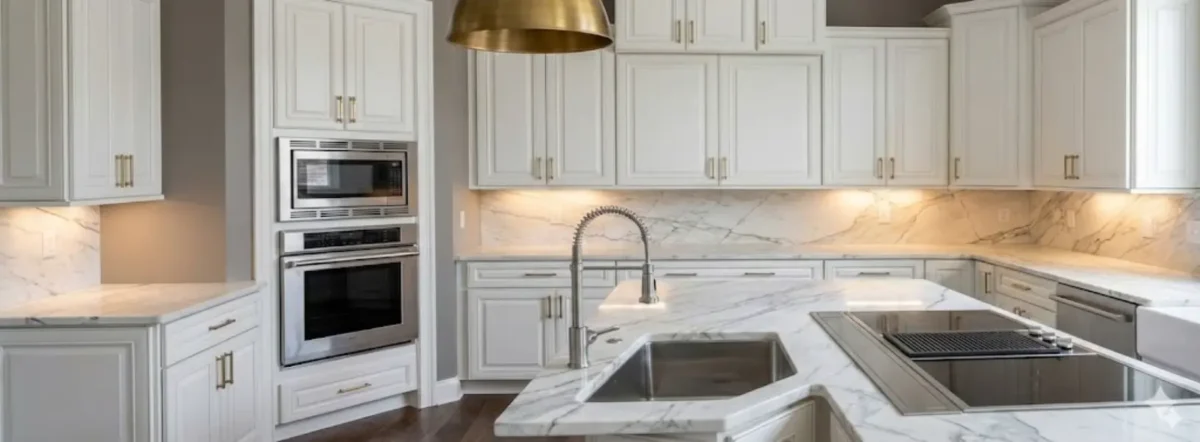
Most kitchens already have stainless steel appliances. Refrigerators, ovens, and dishwashers often come this way. The good news is that stainless steel usually acts like a neutral metal. It does not need to match your main or helper metals exactly to work well.
Because stainless steel is common and large, it fades into the background when other metal choices are balanced. When your faucet and hardware follow the golden rule, stainless steel blends in without causing conflict. This is why many kitchens with mixed metals still feel calm even with big metal appliances present.
If your appliances are stainless steel, you do not need to “match” them. Instead, treat them as part of the base of the kitchen, like walls or floors. Focus your metal planning on the smaller, more noticeable pieces.
Black And Panel-Ready Appliances
Black appliances and panel-ready appliances change how metals behave in a kitchen. Black appliances reduce the amount of visible metal, which gives you more freedom with finishes. Panel-ready appliances hide metal completely, making the kitchen feel softer.
In kitchens with less visible appliance metal, faucets and hardware become even more important. These pieces carry more visual weight. This makes it extra important to choose a strong main metal and repeat it clearly so the kitchen still feels grounded.
Lighting As A Supporting Metal Tool
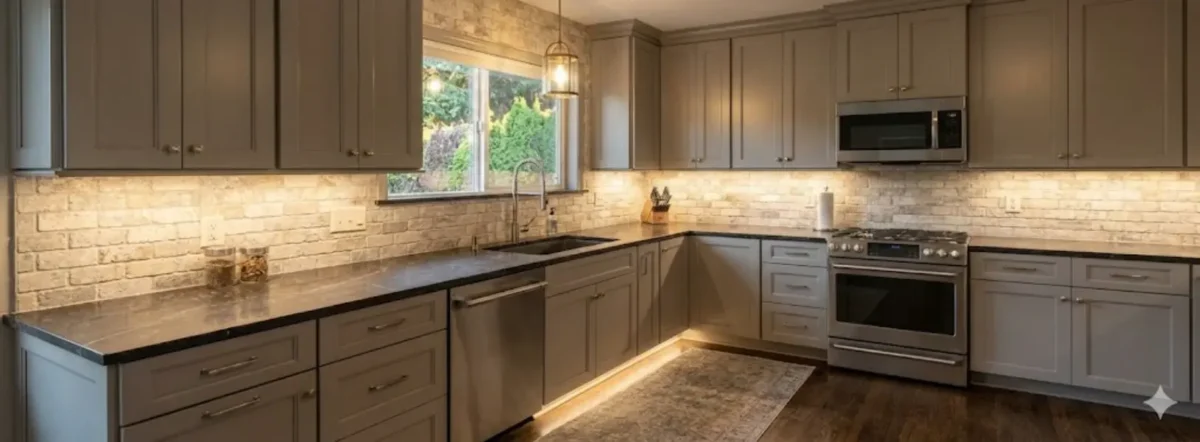
Why Lighting Is Perfect For Helper Metals
Light fixtures are one of the best places to use helper metals. They add shine and interest but usually do not overpower the space. Because lights are higher up, they help balance metals that appear lower, like faucets and hardware.
Using a helper metal on lights helps spread that finish across the room. This creates balance from top to bottom. When the same helper metal appears on lights and one other detail, the kitchen feels complete.
Lighting should feel like jewelry, not armor. It should add sparkle without stealing the spotlight.
Matching Or Mixing Light Finishes
Light fixtures do not have to match each other perfectly. What matters is that they relate to the main or helper metal. For example, two lights can be different shapes but the same finish, or the same shape with a finish that supports the main metal.
When lights are mixed without a plan, they stand out in the wrong way. When they repeat a helper metal, they quietly support the whole design.
Warm Metals And Cool Metals Together

How Warm Metals Change The Mood
Warm metals like brass and copper bring softness to a kitchen. They reflect light in a gentle way and make the space feel welcoming. These metals pair well with wood, cream, and warm paint colors.
When warm metals are used as the main metal, the kitchen often feels cozy and lived-in. This works well in homes where the kitchen is a gathering place.
Too much warmth without balance can feel heavy, so helper metals often help keep the space light.
How Cool Metals Keep Things Clean
Cool metals like chrome and nickel feel crisp and fresh. They reflect light sharply and make kitchens feel clean and bright. These metals work well with white cabinets, gray tones, and modern designs.
When cool metals lead, the kitchen often feels sharp and organized. Adding a warm helper metal can soften this feeling so the space does not feel too cold.
Balancing Warm And Cool Metals
The key to mixing warm and cool metals is letting one side lead. If warm metals lead, cool metals should support. If cool metals lead, warm metals should appear in small, repeating accents.
Equal weight between warm and cool metals can feel tense. Clear leadership creates calm.
Finish Matters As Much As Color
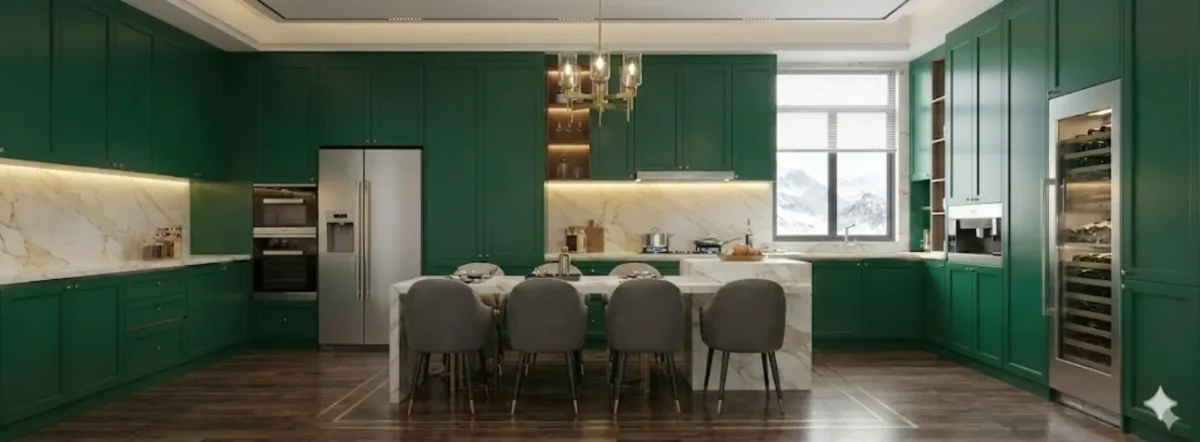
Brushed Finishes Feel Softer
Brushed finishes hide fingerprints and reduce glare. They feel calm and easy to live with. Because of this, brushed metals often make better main metals.
When brushed finishes lead, polished finishes can act as helpers without feeling overwhelming. The contrast adds interest without noise.
Brushed metals work well in busy kitchens where function matters as much as looks.
Polished Finishes Grab Attention
Polished finishes reflect more light and catch the eye quickly. This makes them powerful, but also risky if overused.
Polished metals work best in small amounts. They shine when used on light fixtures, small accents, or limited hardware. As helper metals, they add sparkle without taking over.
When polished finishes are used as the main metal, the rest of the kitchen should stay very simple.
Matte Finishes Ground The Space
Matte finishes, especially matte black, ground a kitchen. They add contrast and structure without shine. This makes them great helper metals.
Matte black works with both warm and cool metals. It adds depth and helps frame the space. Because it does not reflect light much, it rarely feels loud.
How Cabinets Affect Metal Choices
White Cabinets And Metal Freedom
White cabinets give the most freedom when mixing metals. They act as a blank background, letting metals stand out clearly.
In white kitchens, both warm and cool metals can shine. This makes it easier to mix finishes without conflict. White cabinets are very forgiving.
This is why mixed metals are so popular in white kitchens.
Dark Cabinets Need Careful Balance
Dark cabinets make metals pop more. This can look rich and bold, but it also means mistakes show faster.
Warm metals often soften dark cabinets and make them feel welcoming. Cool metals sharpen the look and make it more modern. Either can work, but the balance must be clear.
In dark kitchens, fewer metals usually look better.
Wood Cabinets Add Natural Warmth
Wood cabinets already bring warmth into the space. Because of this, cool metals often balance wood nicely.
Warm metals can still work with wood, but they deepen the cozy feel. This works well in rustic or classic kitchens.
The key is deciding whether you want contrast or harmony, then choosing metals that support that feeling.
Countertops And Metal Harmony
Light Countertops Keep Things Open
Light countertops reflect light and make metals stand out clearly. They help keep the kitchen bright and open.
In kitchens with light counters, metal finishes are more noticeable. This makes planning more important, but also more rewarding when done well.
Light counters work well with both warm and cool metals.
Dark Countertops Add Drama
Dark countertops absorb light and add drama. Metals against dark stone feel stronger and more bold.
Warm metals often glow against dark counters. Cool metals feel sharp and modern. Either choice can work, but the kitchen should not use too many metal finishes at once.
Dark counters need calm metal choices to avoid visual overload.
Busy Stone Needs Simple Metals
Stone with strong patterns already brings visual energy. In these kitchens, metal finishes should stay simple and quiet.
Too many bold metals compete with the stone. Brushed or matte finishes usually work best here.
The goal is balance, not competition.
Common Mistakes When Mixing Metals
Using Too Many Metals At Once
The most common mistake is using too many metals. When everything is different, nothing feels connected.
The kitchen starts to feel like a collection of random choices instead of a plan. The eye jumps from one finish to another, trying to make sense of it.
Sticking to one main metal and one or two helpers prevents this problem.
Forgetting To Repeat Helper Metals
A helper metal used only once looks like a mistake. Repetition is what turns a choice into a design.
If you add a metal, give it another place to appear. This small step makes a big difference.
Design feels intentional when patterns repeat.
Mixing Finishes Without A Leader
Even beautiful metals can clash if there is no leader. Without a main metal, the kitchen feels undecided.
Choosing a leader first makes all other decisions easier. It also reduces second-guessing during renovation.
How To Fix A Kitchen With Too Many Metals
If your kitchen already feels busy, start by choosing a main metal from what you already have. Then remove or replace items that fight it.
Small changes can help a lot. Swapping cabinet hardware or light fixtures can bring balance without a full remodel.
Sometimes, removing one metal is all it takes to calm the space.
Budget-Friendly Ways To Mix Metals
You do not need to replace everything at once. Start with the most visible items.
Changing hardware is often affordable and has a big impact. Lights can also be swapped without major work.
Planning before buying saves money and prevents waste.
Renovation Planning Order
Choose cabinets and counters first. These are the biggest surfaces.
Pick your main metal next. Then choose helper metals.
Buying in this order prevents rushed choices later.
Living With Mixed Metals Long Term
Trends change, but balance lasts. Kitchens designed with the golden rule age better.
When metals are mixed with care, they still look good years later. The kitchen feels calm, not trendy.
This makes mixed metals a smart long-term choice.
Final Thoughts
The golden rule for mixing metals in your kitchen renovation is simple but powerful. Choose one main metal, then let one or two helper metals support it through gentle repetition. When metals have clear roles, the kitchen feels balanced and welcoming. With thoughtful planning and simple choices, mixing metals becomes easy, not stressful. A calm, well-mixed kitchen always feels better than one that tries to do too much at once.

