


The 20 small living room design ideas for cozy style focus on comfort, balance, and daily use inside limited space. A small living room must support sitting, resting, reading, and calm conversation. Each object inside the room must serve a clear role. Furniture size, surface texture, light control, and layout discipline shape how the space feels during daily use. Cozy style depends on warmth and order, not decoration count.
A small living room feels comfortable when movement stays easy and visual noise stays low. Extra items reduce comfort fast. Open floor space improves balance and calm. Storage hides daily objects like remotes, books, and blankets. Lighting must work during both day and night without glare. The ideas in this guide stay focused on one goal: building a cozy small living room that supports real daily use.
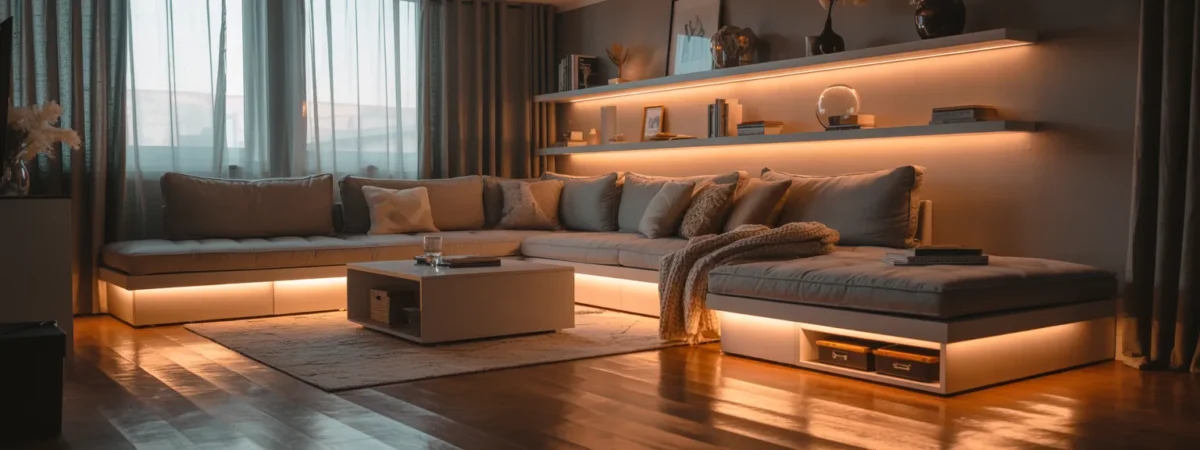
Core Elements Of A Cozy Small Living Room
A cozy small living room depends on scale control, soft materials, and clear layout order. Comfort begins with how the room supports the body. Seating must feel stable. Surfaces must feel calm to the eye. Light must spread evenly across the space. Oversized furniture blocks movement and reduces comfort. Undersized furniture causes imbalance and poor support. Correct scale allows the room to feel settled. A cozy room supports rest without distraction.
Furniture must stay placed with purpose. Walkways must remain open. Corners must stay useful without holding heavy items. Soft materials reduce glare and harsh contrast. Fabric upholstery, wood finishes, and matte surfaces support visual comfort. Hard shine reflects light in ways that feel sharp inside small rooms. Cozy rooms avoid strong contrast and busy patterns. Neutral tones support calm use across long periods. Accent colors should stay limited and muted. Visual order allows the mind to rest.
Daily comfort also depends on how the room handles routine tasks. Sitting, standing, walking, and reaching must feel natural. Tables must stay within arm reach from seating. Storage must hide clutter without adding bulk. Lighting must support reading and rest. A small living room must feel calm during morning light and evening hours. Clear sightlines improve openness. Low-back seating allows light to move across the room. Visible floors help the room feel wider.
Rugs should define space without covering all flooring. Cozy style works best when each element supports function first. Decoration follows function, not the reverse. When layout stays clear, the room feels stable. Stability supports comfort. Comfort supports cozy style.

Human-Scale Furniture
Human-scale furniture supports comfort by matching body size and room size at the same time. Seating must support posture without forcing strain. Sofas must allow feet to rest flat on the floor. Seat depth must allow the back to rest without sliding forward. Chairs must support the spine during long sitting. Oversized sofas reduce walking space and block light.
Small rooms benefit from compact seating with slim frames. A sofa between 70 and 75 inches fits most small living rooms. Slim legs keep the floor visible and improve openness. Low-profile seating keeps sightlines clear across the room. Chairs without arms allow flexible placement. They slide closer to tables and reduce visual breaks. Furniture height matters as much as width. Lower furniture helps ceilings feel taller.
Tables should sit close to seating without blocking movement. Rounded table edges reduce sharp visual stops. Human-scale furniture supports daily use without stress. Comfort improves when the body feels supported and movement stays easy.

Visual Order And Simplicity
Visual order improves calm by reducing distraction inside small living rooms. Too many objects compete for attention. Visual noise reduces comfort. Cozy rooms limit item count and color range. Walls should hold only essential decor. One large art piece works better than several small ones. Shelves should display only a few items like books or plants.
Empty space has value. It allows the eye to rest. Color consistency supports flow. Walls, furniture, and decor should stay within one color family. Strong contrast breaks unity. Soft transitions support calm. Storage plays a major role in visual order. Items used daily should stay hidden. Baskets, ottomans, and cabinets reduce clutter.
Open surfaces should stay clear. Clean surfaces improve mental ease. When visual order stays strong, the room feels larger and calmer. Cozy style grows from simplicity and restraint.
Furniture Selection For Cozy Small Living Rooms
Furniture selection controls comfort, movement, and visual balance in a small living room. Every furniture piece must serve a clear purpose. Seating supports rest and conversation. Tables support daily tasks like placing drinks or books. Storage hides items that cause clutter. Large furniture reduces flexibility and blocks light. Compact furniture improves flow and comfort.
A small living room needs fewer pieces, not smaller comfort. Sofas, chairs, and tables must match room size and user habits. Seating should face inward to support conversation. Furniture should never block doors or windows. Corners should stay open or hold light items. Proper furniture selection helps the room feel calm throughout the day.
Soft upholstery reduces glare. Wood and fabric finishes support warmth. Metal and glass should stay limited. Furniture shape also matters. Rounded edges reduce sharp visual breaks. Straight lines should stay simple and clean. Cozy rooms feel balanced because furniture feels intentional.
Comfort improves when furniture placement supports natural movement. Walking paths must remain clear. At least 30 inches supports easy passing. Tables must sit within arm reach from seating. Seating must allow legs to stretch without obstruction. Multi-use furniture improves efficiency. Items that combine seating and storage reduce clutter.
Furniture must feel stable, not temporary. Stability improves comfort and trust in the space. When furniture feels settled, the room feels calm. Cozy style depends on this sense of order. Proper furniture selection reduces the need for excess decor. The room feels complete with fewer items.
Low-Profile Fabric Sofa
A low-profile fabric sofa reduces visual weight and supports comfort in small living rooms. Lower backs keep sightlines open. Light moves across the room without interruption. Fabric upholstery feels warm during long sitting periods. Neutral fabric colors support balance. Sofas between 70 and 75 inches fit most small rooms.
Slim arms save space. Cushions should support posture without sinking too deep. Proper seat depth allows the back to rest fully. Low-profile sofas also help ceilings feel taller. This improves openness. Fabric texture reduces glare from lamps and windows. A low-profile sofa becomes the anchor of the room without dominating it.
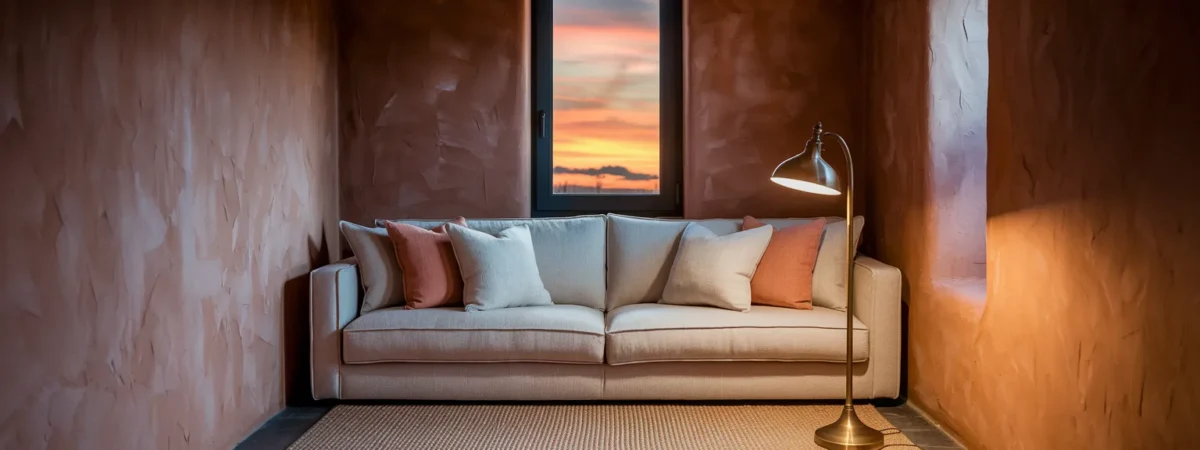
Loveseat As A Space-Saving Option
Loveseats support comfort while saving space in narrow living rooms. Two-seat sofas improve flow and layout flexibility. They pair well with one accent chair. This setup supports conversation and rest. Loveseats allow space for side tables and lamps. This improves daily function.
Upholstered loveseats feel warm and supportive. Neutral colors help maintain visual order. Loveseats reduce crowding near doors and windows. They work well in apartments and small homes. Proper cushion support remains important. A loveseat should feel stable and comfortable for daily use.
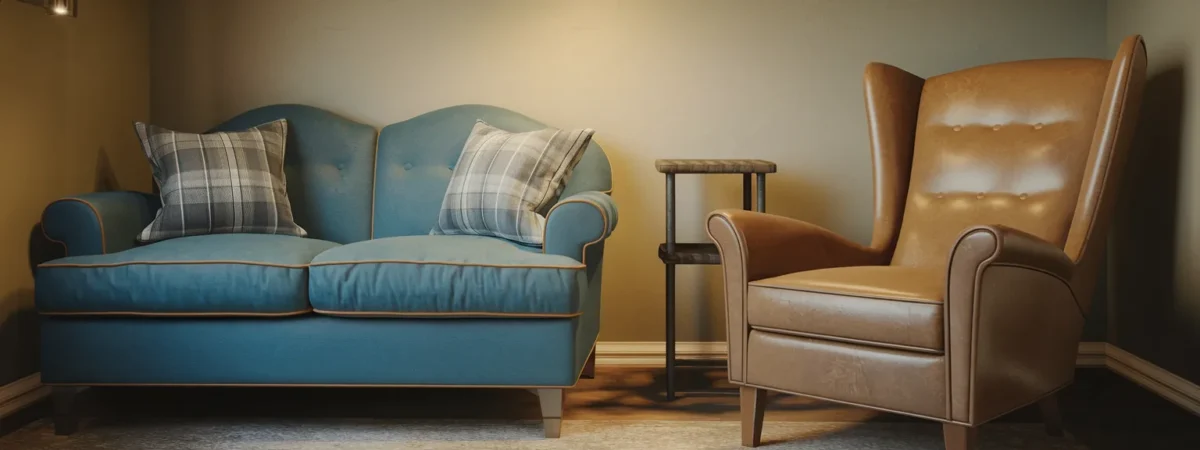
Armless Accent Chairs
Armless accent chairs save space and reduce visual breaks. Without arms, chairs slide closer to tables and sofas. This improves layout flexibility. Fabric upholstery supports warmth and comfort. Chairs should support the spine during sitting.
Lightweight frames allow easy repositioning. Armless chairs work well near windows, corners, or open areas. They support reading and short rest periods. Proper scale remains important. Chairs should not overpower sofas. Armless designs help small rooms feel open and calm.

Storage Ottomans For Function And Comfort
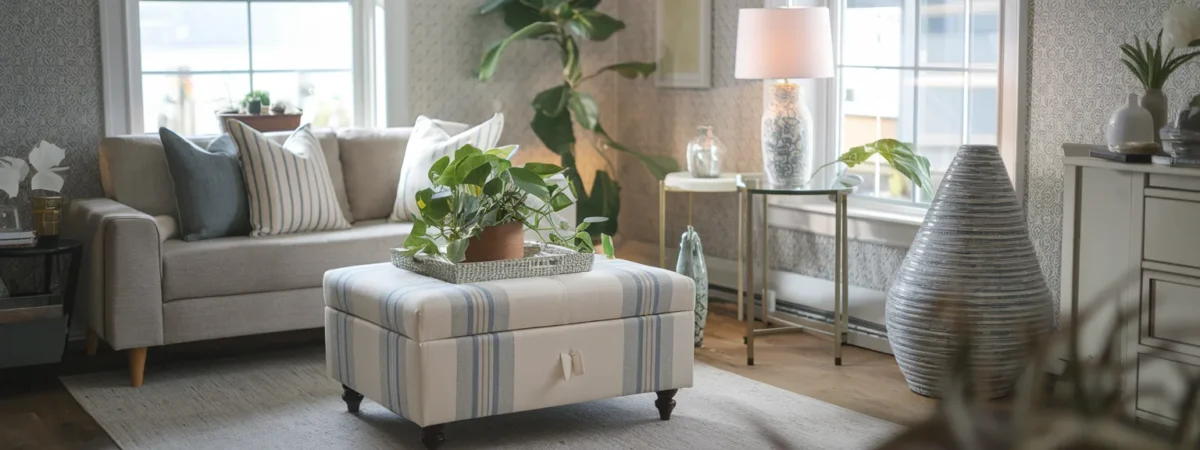
Storage ottomans combine seating, storage, and surface use. Lift-top designs store blankets, books, or remotes. Ottomans replace bulky coffee tables in small layouts. Upholstered tops improve comfort and safety. Square or round shapes both work well. Ottomans should stay proportional to seating. Oversized ottomans block movement. Proper size improves flow. Storage ottomans reduce clutter by hiding daily items. This supports visual order and calm.
Nesting Tables For Flexible Use
Nesting tables provide surface space only when needed. Smaller tables slide under larger ones. This keeps walkways clear. Nesting tables support drinks, books, or lamps. Rounded edges improve safety and flow. Lightweight materials allow easy movement. Wood and metal frames work well. Nesting tables support daily needs without permanent bulk.
Wall-Mounted Shelves For Vertical Storage
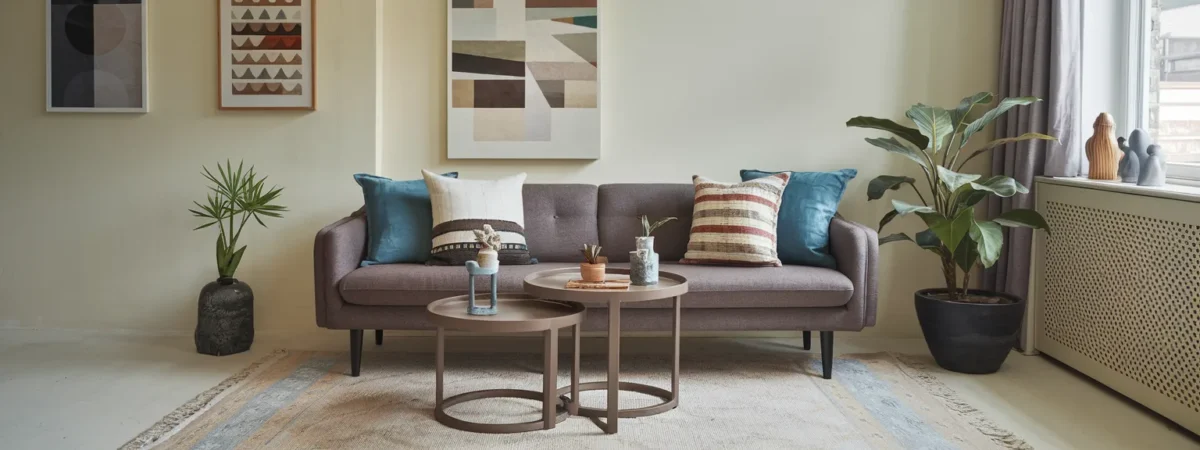
Wall-mounted shelves use vertical space instead of floor space. Shelves reduce the need for bulky cabinets. They hold books, plants, or decor. Item count must stay limited. Overfilled shelves create visual noise. Simple shelf designs support calm. Wood shelves add warmth. Proper spacing improves balance. Wall-mounted shelves support storage while keeping the room open.
Color Control For Cozy Small Living Rooms
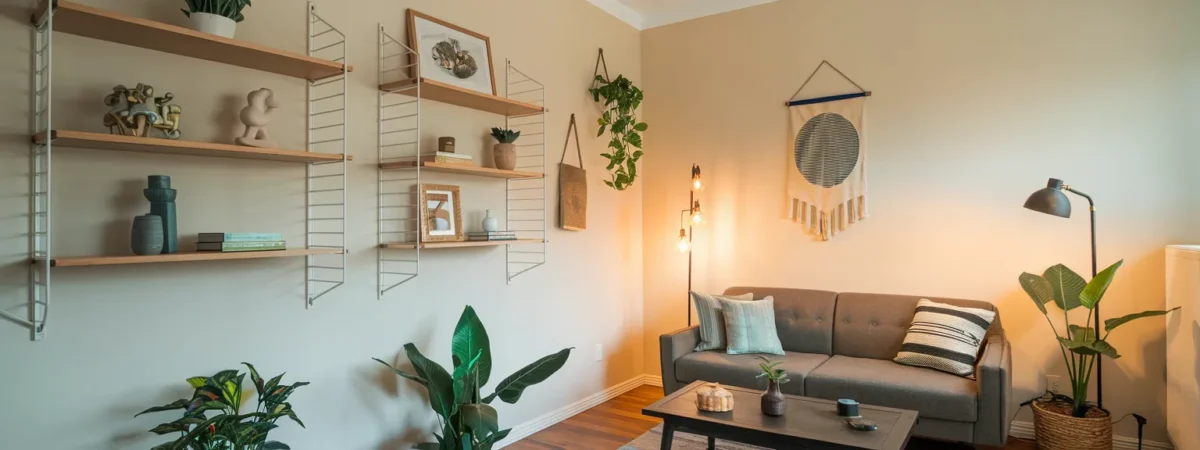
Color control shapes warmth, balance, and visual calm in a small living room. Wall color sets the base mood. Furniture color supports stability. Accent color adds depth. Small rooms need limited color range to avoid visual noise. Light colors reflect light and help rooms feel open. Dark colors absorb light and reduce openness.
A cozy small living room benefits from one main wall color used across all walls. This creates unity. When walls share the same tone, the room feels stable and settled. Neutral colors work best because they adapt to light changes during the day. Morning light and evening light affect color perception. Neutral tones remain calm in both conditions. Warm undertones support comfort. Cool undertones can feel flat in small spaces. Color control reduces distraction and improves rest.
Furniture and decor colors must support the wall color without competition. Sofas should stay close to wall tone but slightly darker for contrast. Chairs can match or stay one shade deeper. Tables and shelves work best in wood tones or matte finishes. Accent colors should stay limited to pillows, throws, or small decor. One or two accent colors work best. These accents add warmth without dominance. Strong contrast breaks flow and reduces calm. Cozy rooms rely on smooth color transitions. Color repetition across the room improves balance. When colors repeat, the room feels organized. Color control supports comfort by reducing mental effort during use. These same principles are often used when styling neutral spaces, as explained in how to style a beige room so it doesn’t look boring.
Soft Neutral Wall Colors
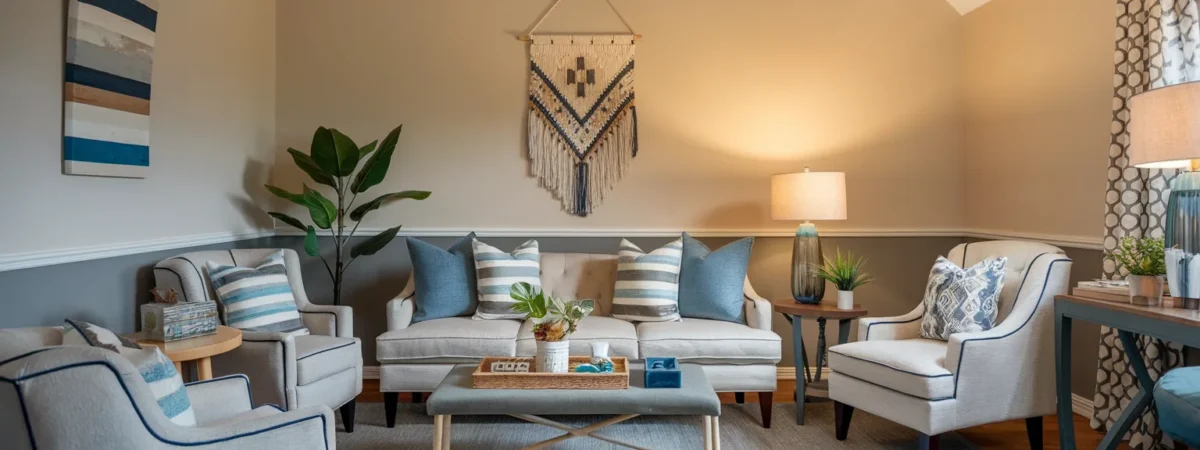
Soft neutral wall colors help small living rooms feel open and calm. Cream, beige, and light gray reflect light evenly. These tones reduce harsh shadows. Walls become a quiet background for furniture and decor. Neutral walls also allow flexibility with seasonal decor changes. Soft neutrals support long-term comfort.
Bright white can feel sharp in small rooms. Dark tones can feel heavy. Balanced neutrals sit between these extremes. Matte paint finishes reduce glare from lamps and windows. This improves visual comfort during evening hours. Neutral walls also improve light bounce, helping lamps reach deeper into the room.
Controlled Accent Colors
Controlled accent colors add warmth without disrupting balance. Accent colors should appear in small doses. Pillows, throws, and small decor work best. Warm tones like tan, rust, and muted green support cozy style. Accent colors should stay within one color family. Mixing many colors creates noise.
Repeating the same accent color across the room improves flow. Accent colors should never dominate walls or large furniture pieces. Controlled use keeps the room calm. Accent color placement near seating improves comfort.
Lighting Systems For Small Cozy Living Rooms
Lighting systems control mood, comfort, and function in small living rooms. One light source rarely works well. Small rooms need layered lighting to avoid harsh contrast. Lighting should support reading, resting, and conversation. Natural light remains the primary source during the day. Artificial light supports use during evening hours. Warm light improves comfort. Cool light creates strain. Proper lighting placement improves how the room feels at all times.
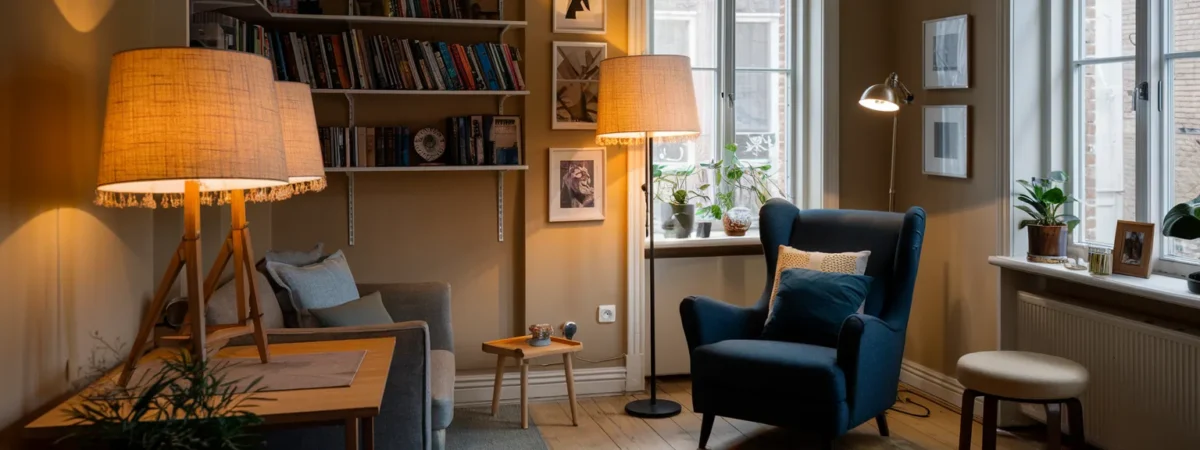
Light placement matters as much as bulb choice. Lights should sit near seating. Light should spread evenly across the room. Dark corners reduce comfort. Lamps help define zones. Table lamps add soft pools of light. Floor lamps support reading. Ceiling lights provide general light but should not act alone. Layered lighting reduces glare and eye strain. Balanced lighting supports calm use during long periods. These ideas follow the same functional approach outlined in the 3-layer lighting rule.
Natural Light Management
Natural light improves openness and comfort. Windows should remain clear of heavy coverings. Light curtains allow daylight while keeping privacy. Curtain rods placed higher make walls feel taller. This improves room proportions. Natural light works best when allowed to spread freely. Furniture should never block windows. Natural light improves mood and supports daily comfort.

Layered Artificial Lighting
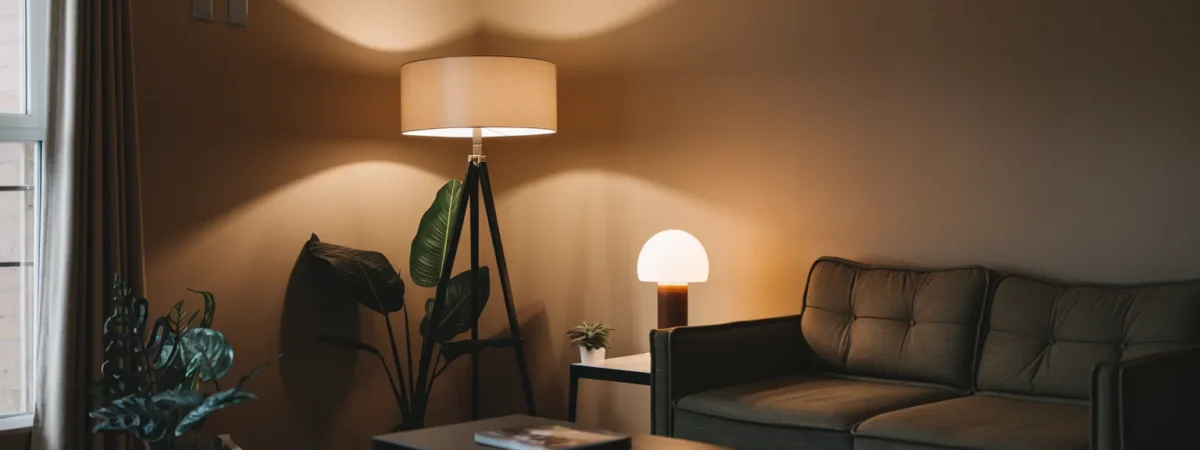
Layered artificial lighting spreads light evenly and improves comfort. Floor lamps support focused tasks. Table lamps add ambient light near seating. Wall-mounted lights save floor space. Multiple light sources reduce harsh shadows. Lamps should use similar bulb color for balance. Proper lamp height prevents glare. Layered lighting creates a calm and stable atmosphere.
Warm Bulb Temperature
Warm bulb temperature supports rest and calm. Bulbs around 2700K feel soft and comfortable. Cool bulbs feel harsh in small rooms. Consistent bulb temperature across fixtures improves visual balance. Warm light works better with neutral wall colors and fabric textures. This combination supports cozy style.
Texture Layering For Cozy Small Living Rooms
Texture layering improves comfort by adding softness and visual depth without crowding a small living room. Small rooms cannot rely on size to feel comfortable. Texture replaces size as the main comfort tool. Soft textures reduce visual sharpness and support calm use. Fabric upholstery, woven rugs, and soft throws absorb light and reduce glare. This makes the room feel settled.
Texture should stay consistent across the space. Mixing too many textures causes noise. A small living room works best with three to four texture types used repeatedly. Fabric, wood, and soft fiber usually form the base. Texture layering should start with large surfaces. Sofas and chairs provide the main fabric layer. Rugs add a soft layer underfoot. Curtains soften walls and windows. Small accessories add final detail. Each layer should support comfort, not decoration alone. Texture layering works when the room feels comfortable even without decor.
Balanced texture placement keeps the room calm and usable. Heavy textures should stay low in the room. Rugs and upholstered seating ground the space. Lighter textures should appear higher, such as curtains or wall textiles. This balance improves visual stability. Rough textures should stay limited. Too much rough texture feels busy. Smooth textures should dominate. Soft textures support long sitting and rest. Texture layering also improves sound comfort by reducing echo. This matters in small rooms with hard surfaces. When texture stays balanced, the room feels warmer and quieter. Cozy style grows from this quiet comfort.
Fabric Upholstery Choices
Fabric upholstery plays a major role in comfort and texture control. Sofas and chairs should use soft, durable fabrics. Cotton, linen blends, and microfiber work well. These fabrics feel warm and reduce shine. Leather reflects light and feels firm, which can reduce cozy feel in small rooms. Fabric color should stay neutral to support balance. Textured fabric adds depth without strong contrast. Upholstery should support daily use without stiffness. Seat cushions should hold shape while staying soft. Fabric upholstery improves touch comfort and visual calm.
Rugs And Floor Textures
Rugs add warmth and define space in small living rooms. Low-pile rugs work best because they avoid bulk. Flat weave rugs maintain clean lines. Rugs should feel soft underfoot. Texture should stay subtle. Strong patterns reduce calm. Natural fiber rugs add warmth but should stay smooth. Rugs should anchor seating without covering all floor space. Visible floor supports openness. Floor texture should remain consistent across the room.
Fabric Selection For Cozy Style
Fabric selection affects comfort, durability, and visual softness. Small living rooms need fabrics that feel good during long use. Seating fabrics should stay breathable. Curtains should allow light flow. Decorative fabrics should stay limited. Heavy fabrics reduce openness. Light fabrics improve balance. Fabric selection should support easy care. Daily use demands durability. Cozy style improves when fabrics feel inviting without effort.
Color and texture must work together in fabric selection. Neutral fabrics allow flexibility. Accent fabrics add warmth in small amounts. Texture matters more than pattern. Patterns should stay simple. Large patterns overwhelm small rooms. Solid or lightly textured fabrics work best. Fabric repetition across pillows, throws, and seating improves unity. This repetition creates a sense of order.
Curtain Fabric Choices
Curtain fabrics control light and softness. Linen and cotton blends work best. These fabrics allow daylight while softening window edges. Heavy drapes block light and reduce openness. Curtains should hang straight without heavy folds. Light fabric movement adds softness without distraction. Curtain color should match wall tone or stay slightly lighter.

Pillow And Throw Fabrics
Pillow and throw fabrics add comfort through touch. Knit, cotton, and soft wool blends work well. Texture should feel pleasant against skin. Pillow size should stay moderate. Too many pillows reduce seating comfort. Throws should stay lightweight. Heavy throws add bulk. One or two throws support warmth during rest.
Surface Finishes And Material Balance
Surface finishes affect light reflection and visual comfort. Matte surfaces reduce glare. Glossy surfaces reflect light and create sharp contrast. Small living rooms benefit from matte finishes on furniture and walls. Wood surfaces add warmth. Natural wood grain supports calm. Metal surfaces should stay minimal and brushed. Glass should stay limited.
Material balance keeps the room stable. Too many hard surfaces feel cold. Too many soft surfaces feel heavy. Balance matters. Wood, fabric, and soft fiber should dominate. Hard materials should support structure only. Balanced material use improves comfort during long use.
Wood Finishes
Wood finishes add warmth and grounding. Light to medium wood tones work best. Dark wood feels heavy in small rooms. Wood grain should stay visible but subtle. Wood appears well on tables, shelves, and legs. This material supports cozy style through natural warmth.
Metal And Glass Control
Metal and glass should stay limited. Brushed metal works better than polished. Glass tables should stay small. Too much shine increases glare. Controlled use supports balance without distraction.
Final Thoughts And Practical Experience
This guide reflects real use, testing, and adjustment inside small living rooms with limited floor space. I have worked with compact apartments, narrow living rooms, and shared family spaces where comfort failed due to poor scale and layout. Replacing oversized sofas with low-profile fabric seating immediately improved movement. Switching heavy coffee tables to storage ottomans reduced clutter and improved daily use. Moving lighting closer to seating reduced eye strain during evening hours. Neutral wall colors improved light balance during both morning and night.
These changes did not rely on decoration. They relied on function first. Each improvement came from observing how people sit, walk, and rest inside small rooms. Comfort increased when furniture supported the body instead of filling space. Visual calm improved when surfaces stayed clear. Cozy style emerged as a result of better use, not styling tricks.
Long-term comfort depends on restraint, testing, and consistency. Small living rooms punish excess faster than large spaces. Adding items without purpose quickly reduces comfort. The most successful rooms used fewer pieces, repeated textures, and stable layouts. I observed better comfort when rugs anchored seating without touching walls. I saw better balance when accent colors stayed limited to pillows and throws. Lighting felt better when bulbs stayed warm and consistent across fixtures. Storage worked best when hidden inside furniture rather than added as new units. Cozy style held up over time only when daily habits guided design decisions. Rooms designed for real use stayed comfortable months later. Rooms styled for appearance alone lost comfort quickly. A cozy small living room succeeds when it supports real life every day, without adjustment or effort.

