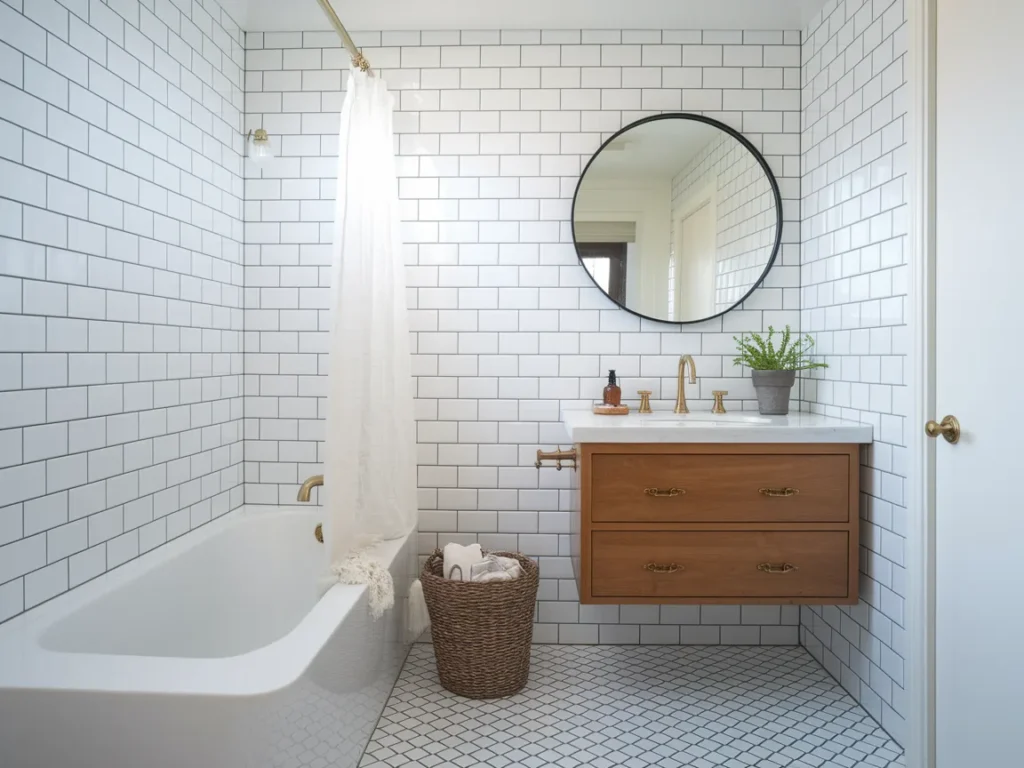

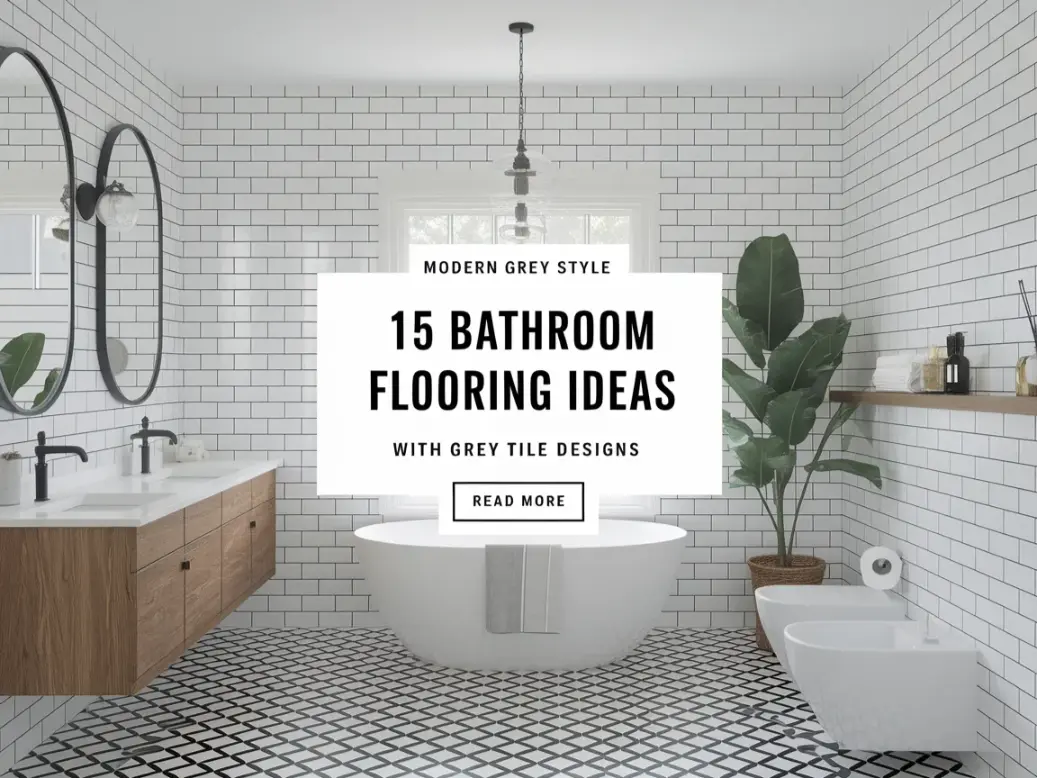
The best bathroom flooring ideas include porcelain tile, luxury vinyl plank, natural stone, ceramic tile, cement tile, and wood-look planks. These materials balance style with water resistance, which is the most important thing for any bathroom floor.
Your bathroom floor works harder than almost any other surface in your home. It deals with splashing water, steam, bare feet, and dropped hair dryers — all before breakfast. So choosing the right flooring is a big deal. You want something that looks great, holds up to moisture, and fits your budget.
In this guide, you’ll find 15 bathroom flooring ideas that cover every style from classic to modern. Whether you’re doing a full renovation or a quick weekend refresh, there’s something here for you. We’ll break down the look, the cost, the pros, and the cons of each option so you can pick with confidence.
How to Choose the Right Bathroom Flooring
Before we jump into the 15 ideas, let’s talk about what actually matters when picking a bathroom floor. Not every pretty floor is a good bathroom floor. Here are the key things to think about.
Water Resistance Is Non-Negotiable
This is the number one factor. Your bathroom floor will get wet that’s a fact of life. Flooring that absorbs water can warp, grow mold, or fall apart. Porcelain, ceramic, vinyl, and natural stone are all strong choices for wet spaces. Solid hardwood and regular laminate? Not so much.
Think About Slip Resistance
A wet floor is a slippery floor. Smaller tiles with more grout lines give better grip. Textured surfaces also help. If you have kids or older adults at home, this should be near the top of your list.
Cost Per Year Matters More Than Cost Per Foot
Here’s a smart way to think about price. A $400 vinyl floor that lasts 10 years costs you $40 per year. An $800 porcelain floor that lasts 25 years costs you $32 per year. So the “cheaper” floor might actually cost more over time. Always think long-term.
Match the Flooring to Your Lifestyle
A busy family bathroom with three kids needs a tough, easy-to-clean floor. A quiet guest powder room can handle something more delicate or decorative. Think about how the room will actually be used every day.
1. Porcelain Tile
The Gold Standard of Bathroom Floors
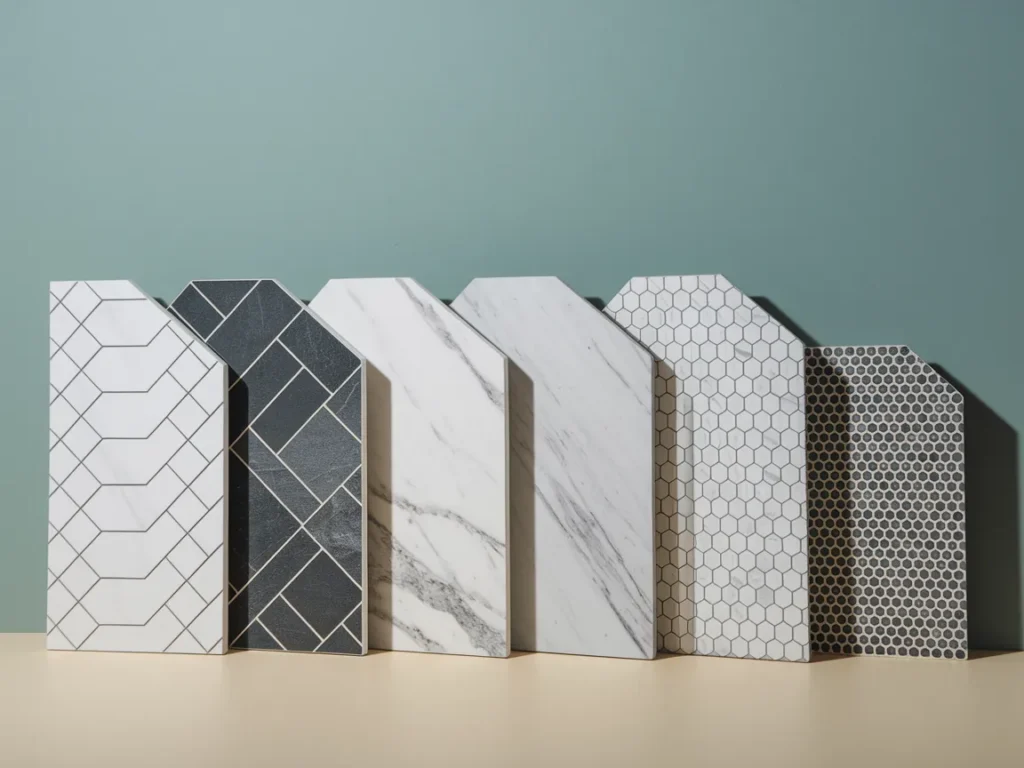
Porcelain tile is the most popular bathroom flooring choice for good reason. It’s made from dense clay fired at very high temperatures, which makes it extremely hard and almost completely waterproof. It absorbs less than 0.5% of water, making it ideal for wet spaces.
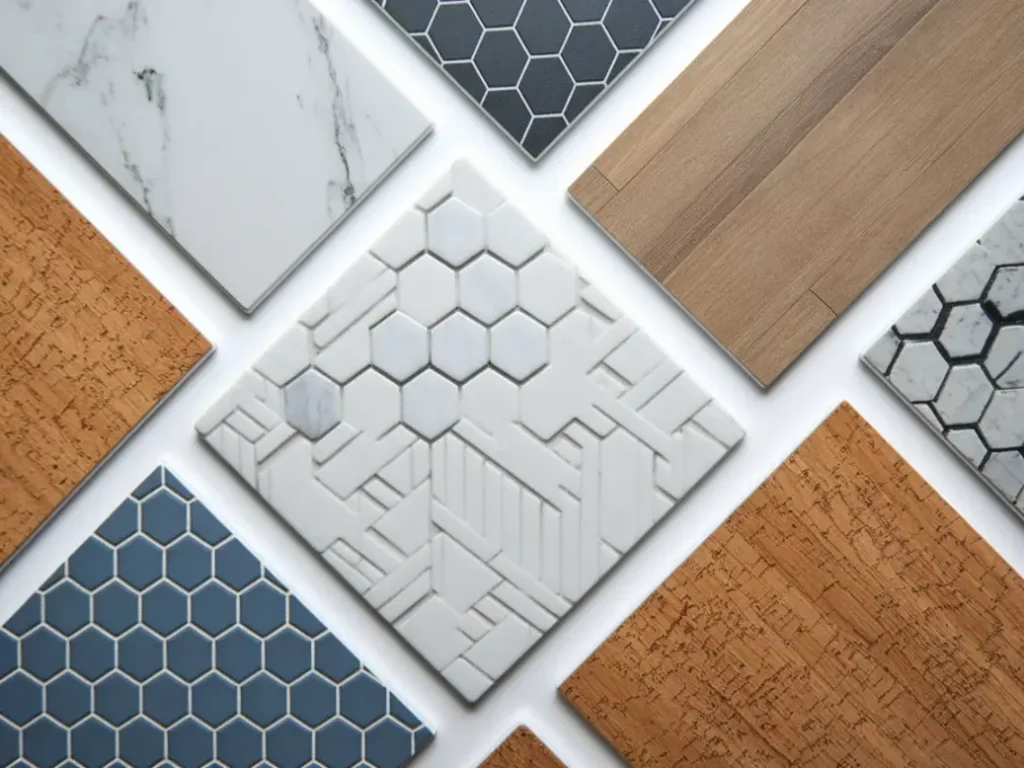
You can find porcelain tiles that look like marble, wood, concrete, or even fabric. The design options are almost endless thanks to modern digital printing. Large-format porcelain tiles (think 24×24 inches or bigger) are trending hard in 2026 because they create fewer grout lines and make small bathrooms look bigger.
Porcelain tile costs about $5 to $20 per square foot for materials, and it can last 25 years or more with basic care. It’s cold underfoot, though — so consider adding radiant floor heating if that bothers you.
2. Luxury Vinyl Plank (LVP)
Budget-Friendly and 100% Waterproof
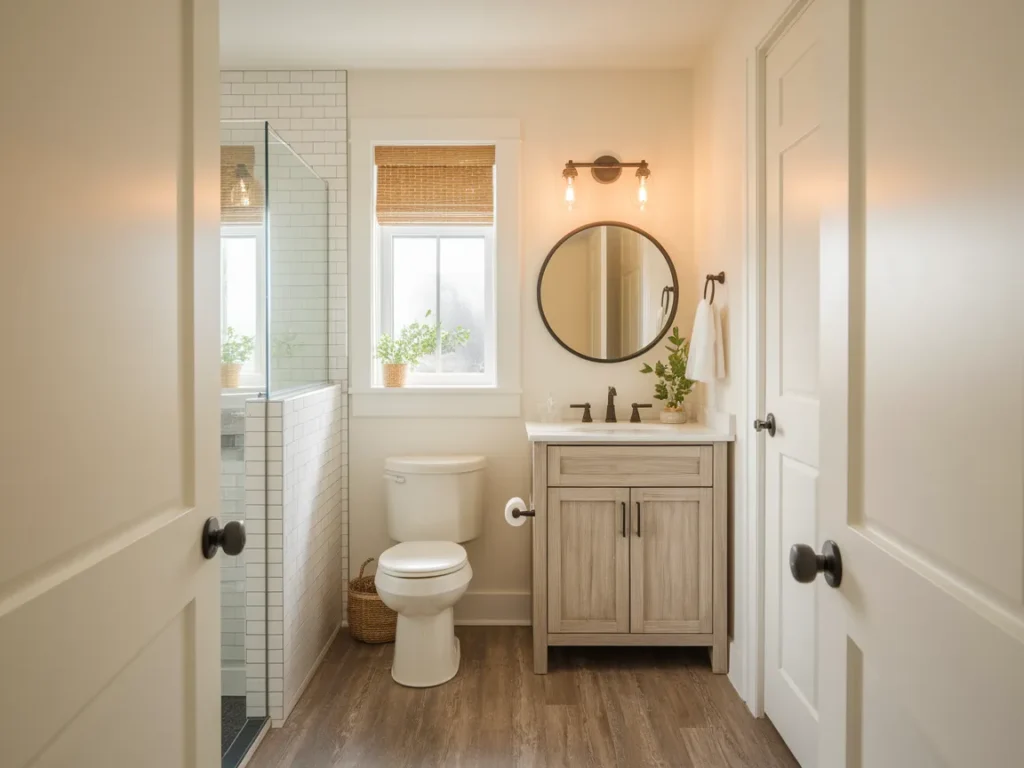
Luxury vinyl plank has become a superstar in bathroom flooring. It’s 100% waterproof, warm underfoot, and comes in designs that look shockingly realistic — from oak hardwood to Carrara marble.
There are two main types: WPC (wood plastic composite) and SPC (stone plastic composite). SPC is denser and more durable, making it the better pick for bathrooms. Many LVP products use click-lock installation, which means you can lay them over your existing floor without glue or nails. That makes it a great DIY project.
LVP costs about $2.50 to $8 per square foot for materials. It’s softer and warmer than tile, which feels great on bare feet. The downside? It typically lasts 10 to 15 years, not as long as tile or stone. But at this price, that’s still a great deal.
If you love the look of vinyl patterns, check out our post on checkerboard vinyl flooring ideas for some fun inspiration.
3. Ceramic Tile
The Classic That Never Goes Out of Style
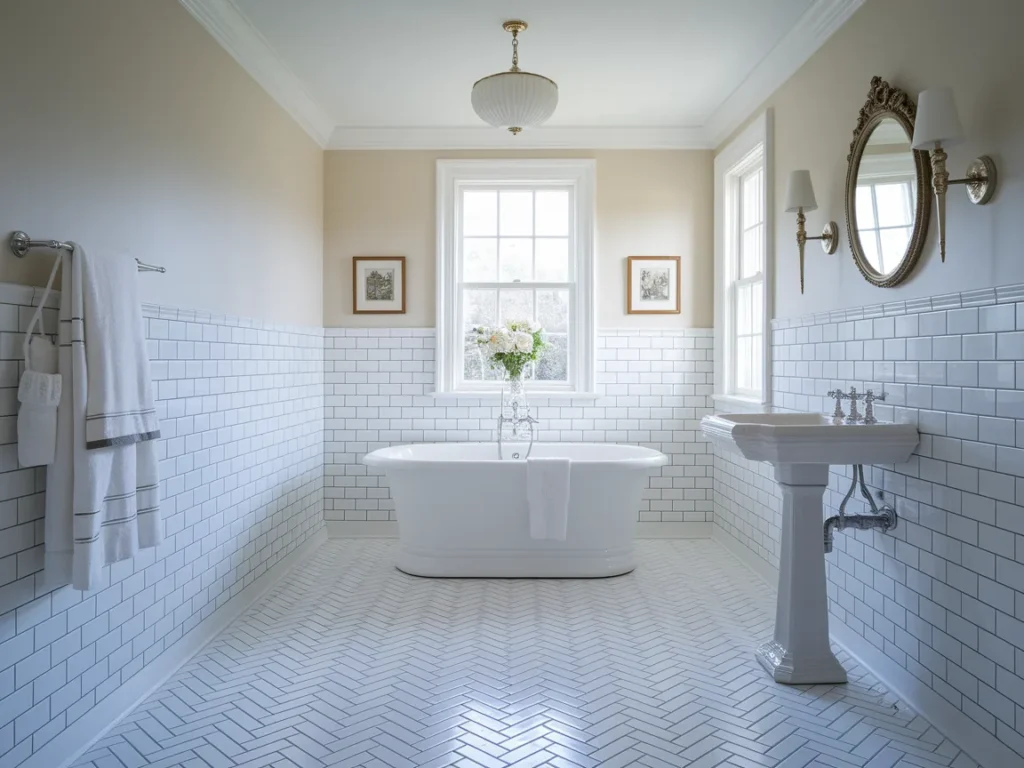
Ceramic tile is the cousin of porcelain. It’s made from a similar clay but fired at slightly lower temperatures. That makes it a bit less dense and slightly more porous — but it’s still an excellent bathroom floor.
Ceramic is cheaper than porcelain, starting at about $2 to $10 per square foot. It’s easy to clean, comes in tons of colors and patterns, and has been used in bathrooms for centuries. If your budget is tight, ceramic gives you great looks without the premium price.
One thing to watch: ceramic can chip more easily than porcelain if you drop something heavy on it. But for most bathrooms, it’s more than tough enough.
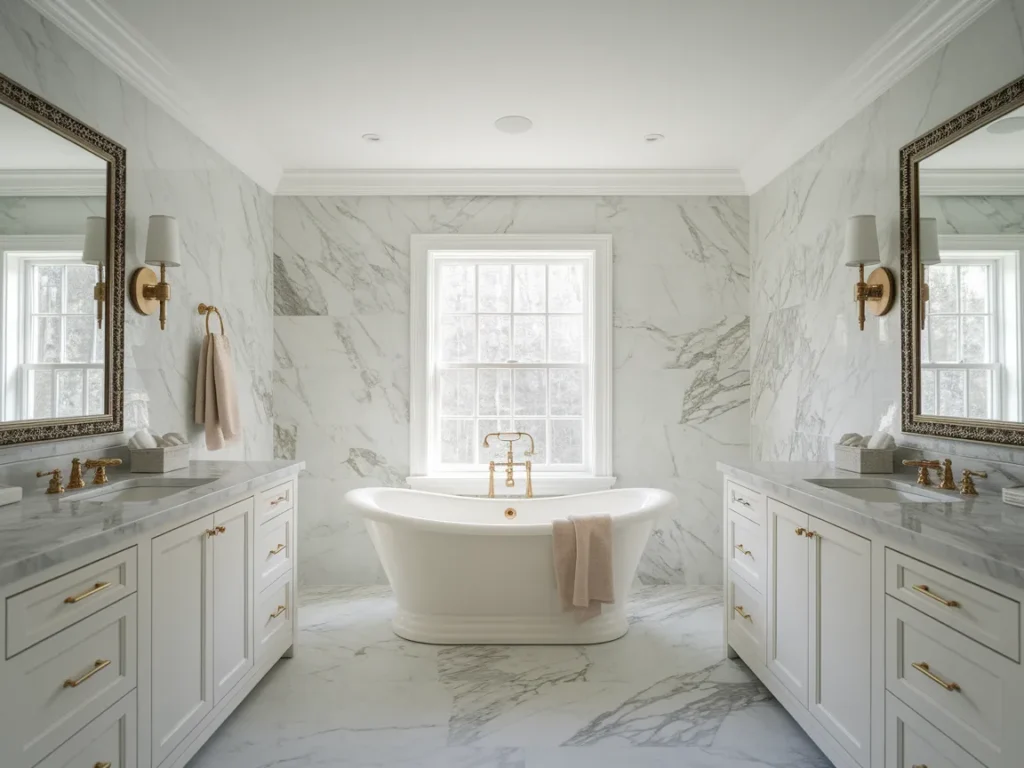
4. Natural Stone (Marble, Slate, Travertine)
Luxury That Lasts a Lifetime
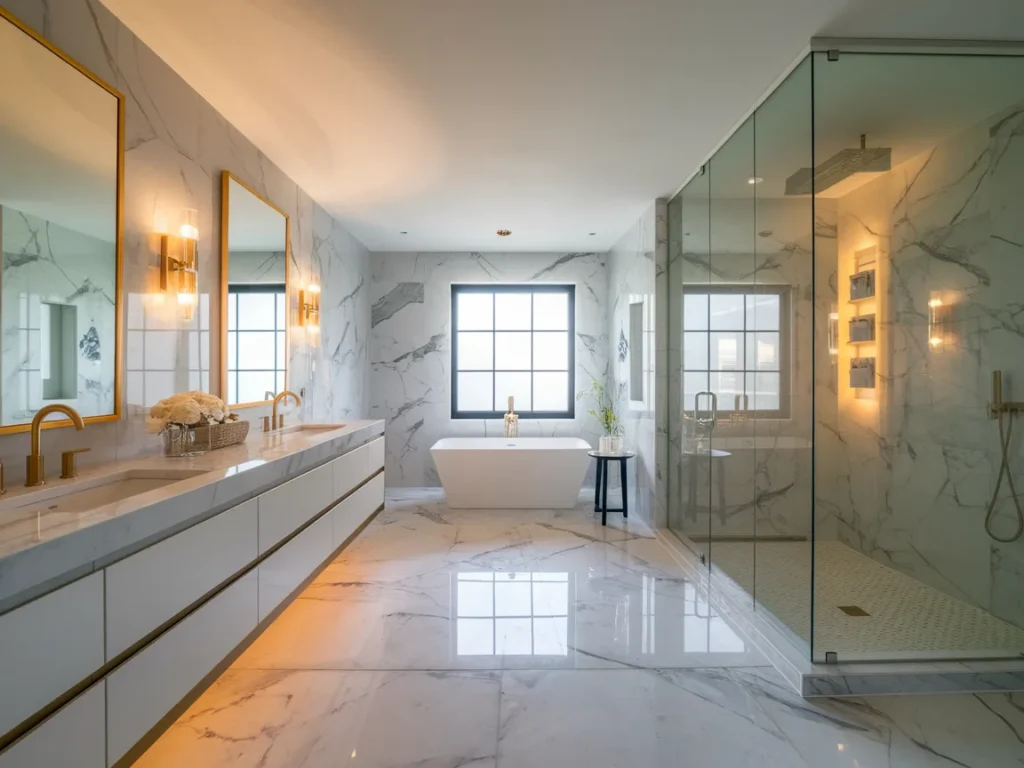
Nothing says “spa bathroom” like natural stone. Marble, slate, travertine, and granite each bring their own character. No two pieces are ever the same, which gives your floor a one-of-a-kind look.
Stone floors are incredibly durable and can last a lifetime with proper care. They also add real value to your home. But they come with trade-offs. Most natural stone needs to be sealed every 1 to 2 years to keep moisture out. It’s also the most expensive option, running $10 to $30 per square foot for materials plus $25 to $50 per square foot for professional installation.
Stone can also be slippery when wet, so choose honed or tumbled finishes over polished ones for better grip.
5. Cement Tile (Encaustic Tile)
Bold Patterns With Old-World Charm
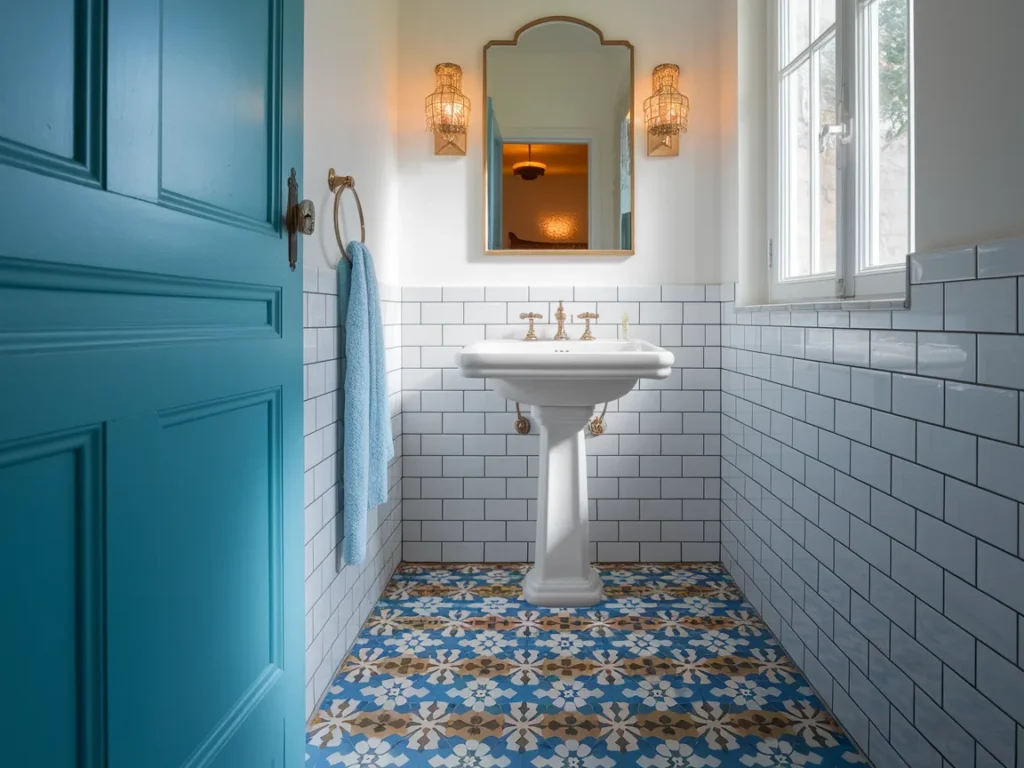
Cement tiles — also called encaustic tiles — are handmade tiles with color and pattern pressed into the surface, not just glazed on top. That means the design goes all the way through the tile, so it holds up beautifully over time.
These tiles are a favorite for homeowners who want a statement floor. Think bold geometric patterns, Moroccan-inspired designs, or colorful florals. They bring personality and warmth to a bathroom like nothing else.
Cement tiles do need sealing (they’re naturally porous), and they cost more than basic ceramic — usually $8 to $15 per square foot. But the visual impact is worth every penny if you love a floor with character.
6. Hexagon Mosaic Tile
A Timeless Shape Having a Major Moment
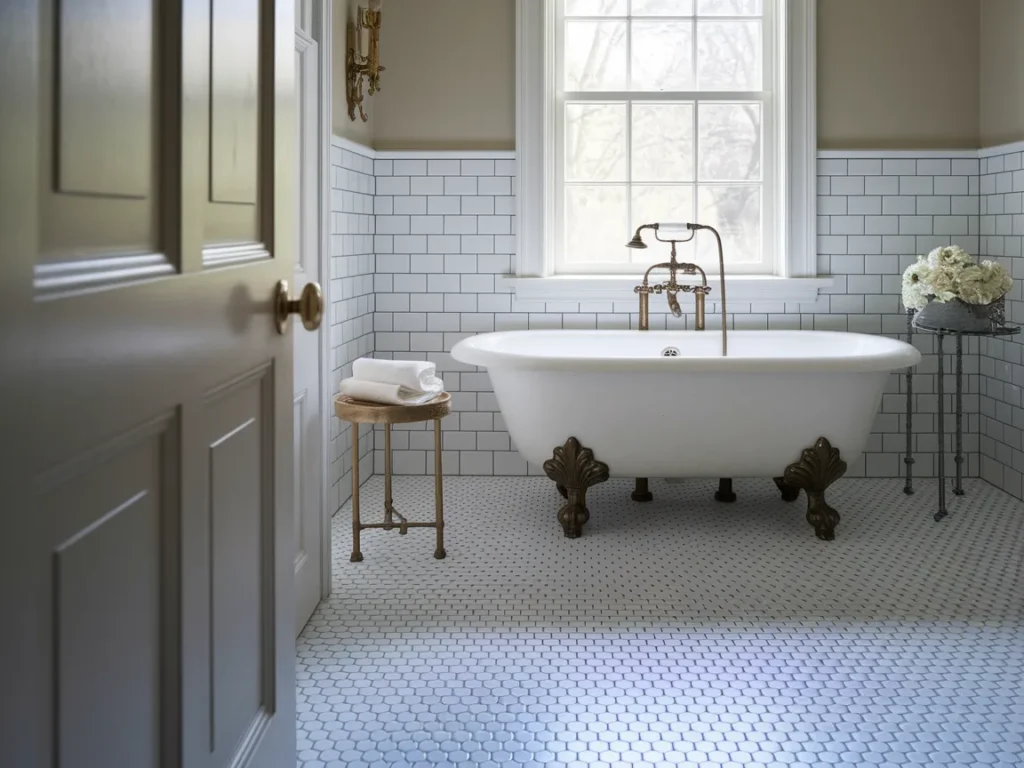
Hexagon tiles have been around since Victorian times, but they’re trending again in 2026 — and for good reason. The six-sided shape creates visual interest without overwhelming a small space.
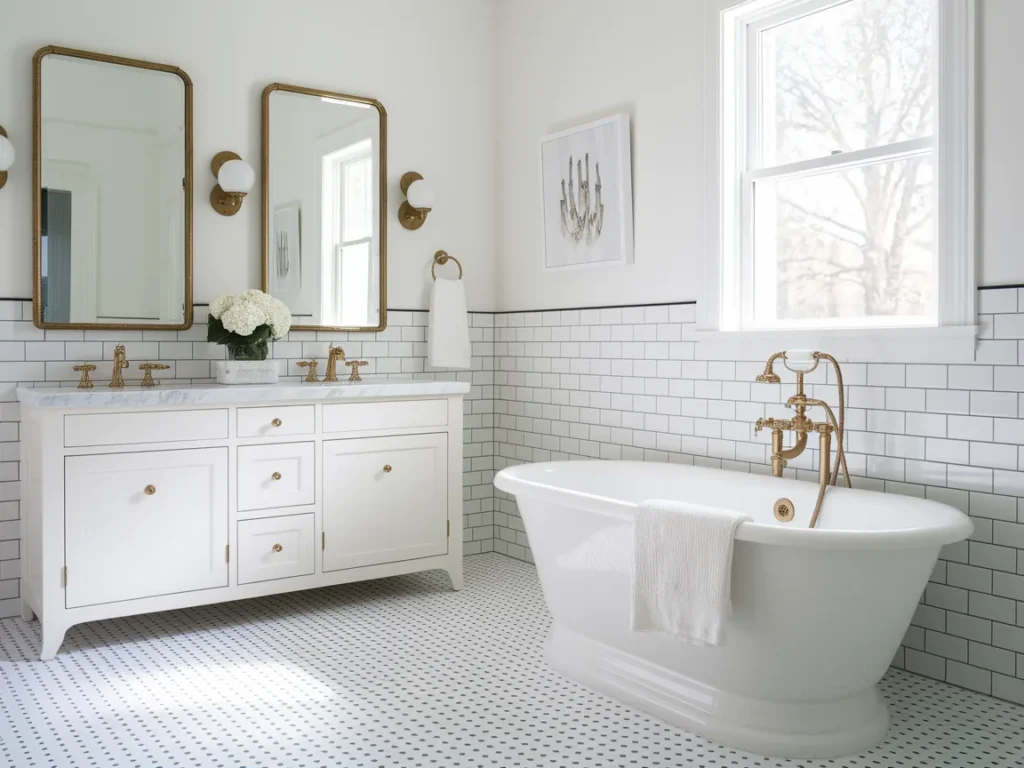
Classic white hex tiles with dark grout give a vintage feel. Large-format hex tiles in neutral tones feel more modern. You can even mix colors within a hex pattern for a playful, custom look. The extra grout lines also add natural slip resistance, which is a nice bonus.
Hex mosaic tiles cost about $5 to $15 per square foot. They work in every style of bathroom, from farmhouse to modern minimalist.
7. Wood-Look Porcelain Tile
Get the Warmth of Wood Without the Worry
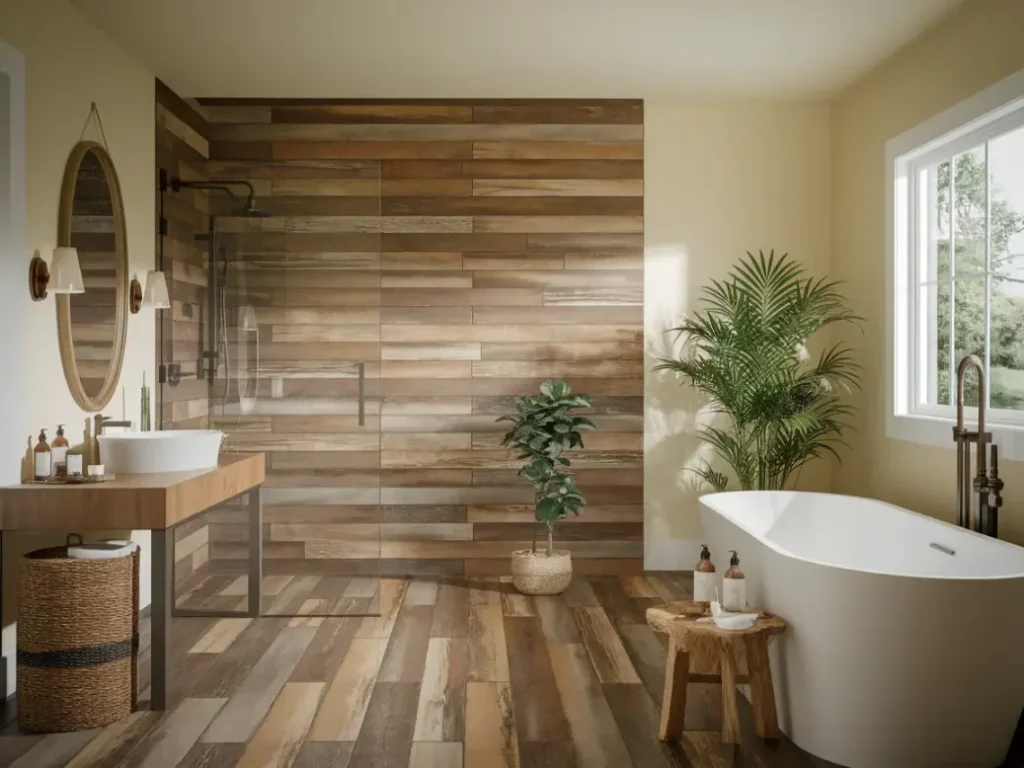
Love the look of hardwood but worried about water? Wood-look porcelain tile is your answer. These tiles are printed with incredibly realistic wood grain patterns and come in plank shapes that mimic real hardwood.
You get all the warmth and beauty of wood with the full waterproof protection of porcelain. No warping. No swelling. No mold. They’re also extremely durable and easy to clean.
Wood-look porcelain tiles typically cost $5 to $15 per square foot installed. They pair beautifully with modern, farmhouse, and coastal bathroom designs. If you enjoy wood tones in your home, you might also like our ideas for home decor wood ideas.
8. Sheet Vinyl
The Unsung Hero of Budget Bathrooms
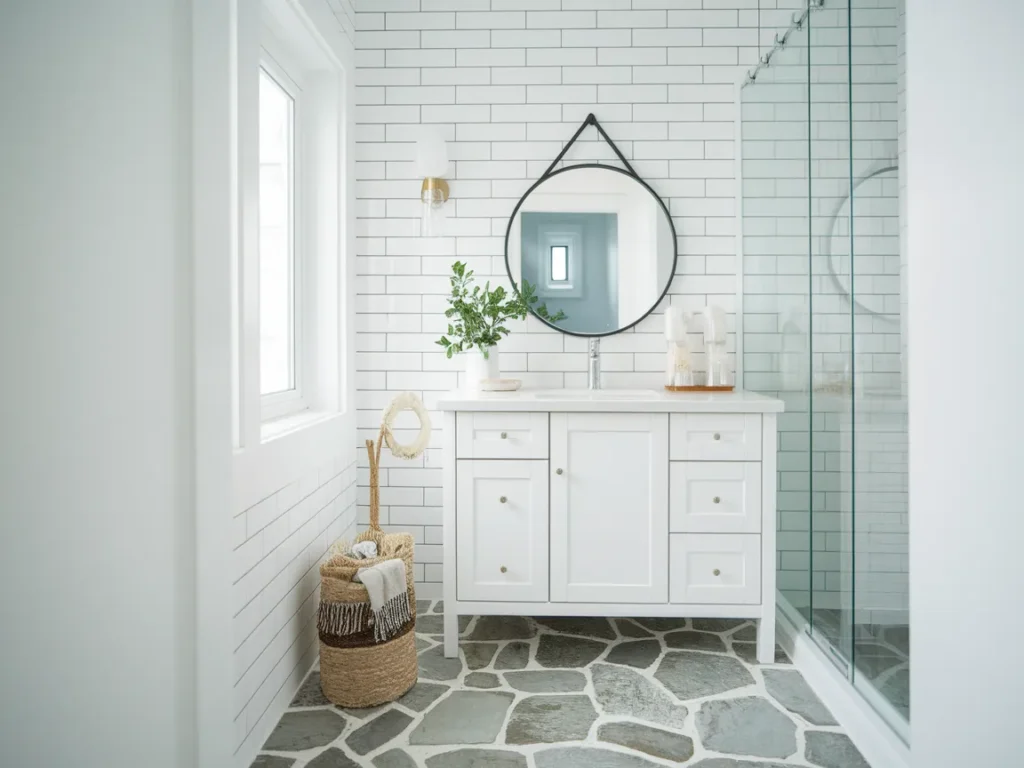
Sheet vinyl might not sound glamorous, but it’s one of the most practical bathroom flooring options out there. It comes in large rolls that cover your entire floor with zero seams — which means zero places for water to sneak through.
Modern sheet vinyl looks way better than the stuff from your grandma’s house. You can find realistic stone, tile, and wood patterns that look great. It’s warm underfoot, easy on the feet, and incredibly affordable — usually $1 to $4 per square foot.
Installation is simple too. You basically roll it out, cut it to fit, and let the weight hold it down. For a guest bath or a rental, it’s hard to beat.
9. Peel-and-Stick Vinyl Tile
The Quickest Bathroom Floor Makeover
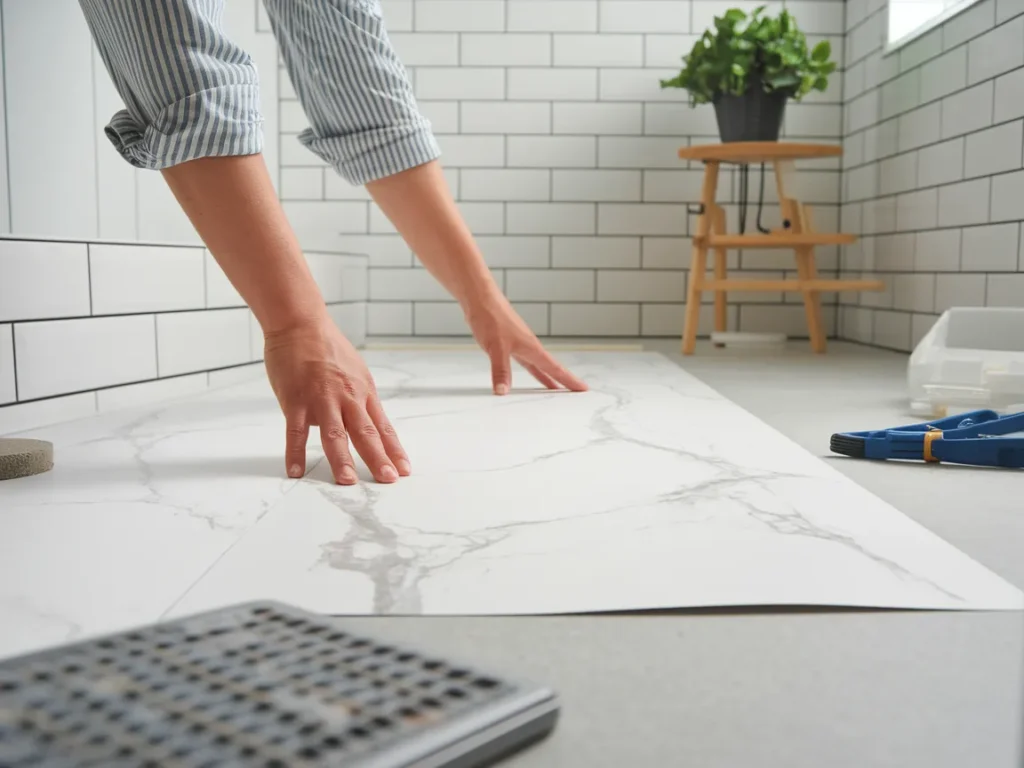
If you want a new look this weekend — literally — peel-and-stick vinyl tile is your friend. You pull off the backing, press it onto a clean, flat surface, and you’re done. No tools, no mess, no contractor.
These tiles come in tons of patterns, from classic marble to trendy terrazzo. They’re waterproof and cost just $1 to $5 per square foot. The catch? They don’t last as long as click-lock vinyl or real tile. Expect about 5 to 10 years of life, depending on the quality and traffic.
For a quick refresh on a tight budget, though, they’re perfect. And when you’re ready for something more permanent, they peel right off.
10. Terrazzo
Retro Cool Meets Modern Luxury
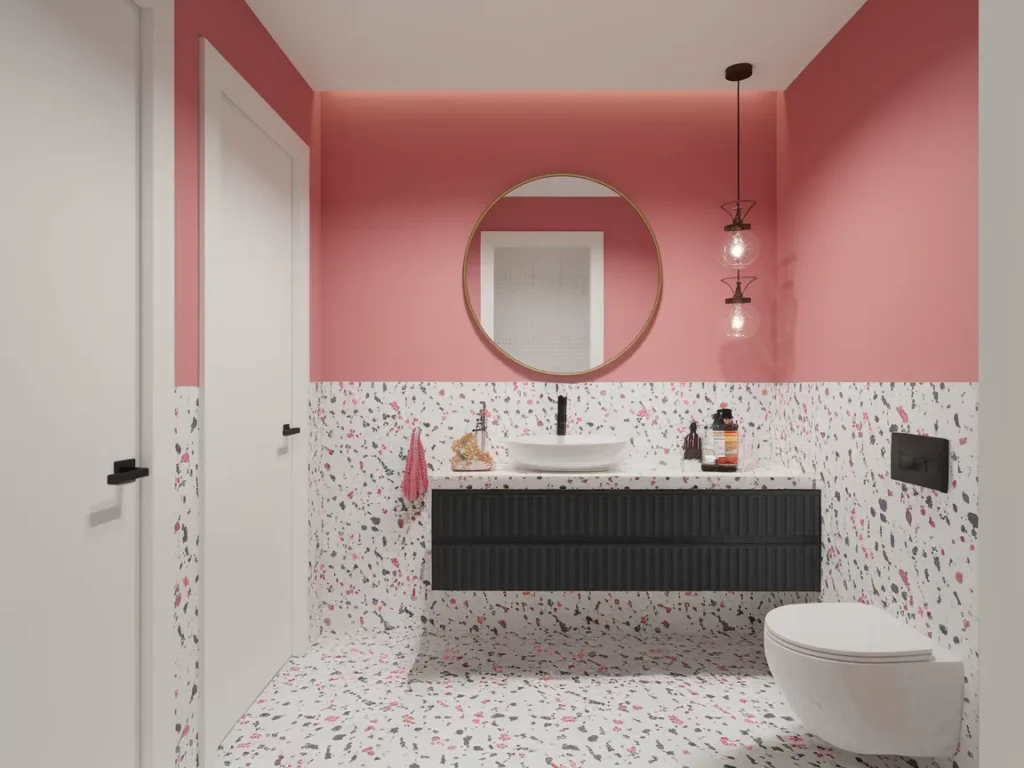
Terrazzo is that colorful, speckled flooring you’ve probably seen in old schools or airports. But in 2026, it’s having a major design comeback — especially in bathrooms. The flecks of marble, glass, or stone set in cement or resin create a look that’s playful, colorful, and totally unique.
Real poured terrazzo is expensive (think $20 to $50 per square foot), but terrazzo-look porcelain tiles give you the same vibe for much less. You can also find terrazzo-look vinyl and peel-and-stick options on a tighter budget.
Terrazzo adds instant personality to a bathroom. It works especially well in small spaces like powder rooms where you want to make a statement.
11. Large-Format Tiles
Make a Small Bathroom Feel Huge
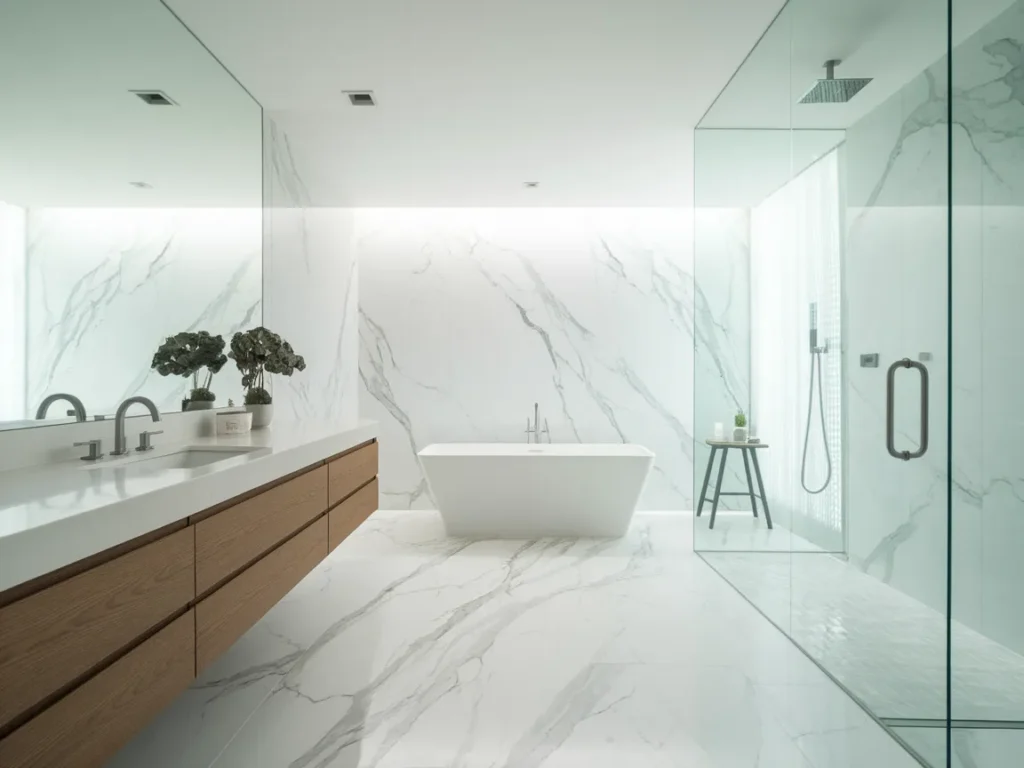
Oversized tiles — 24×24 inches, 24×48 inches, or even bigger — are one of the top bathroom flooring trends in 2026. About 40% of design experts highlight them as a top choice for modern bathrooms.
The magic is in the math: fewer tiles mean fewer grout lines, and fewer grout lines make a room look bigger and more seamless. They also mean less grout to clean, which is a real win for anyone who hates scrubbing.
Large tiles work best in neutral colors like white, gray, or beige. They pair well with simple, modern vanities and clean-lined fixtures. Just keep in mind that they need a very flat subfloor for proper installation.
For more tips on making small spaces feel bigger, check out 5 small bathroom layouts that make 50 sq ft feel like a spa.
12. Checkerboard Tile
A Classic Pattern That’s Bolder Than Ever
Black-and-white checkerboard floors are a design classic. They’ve been around for centuries and they’re not going anywhere. But in 2026, the trend is getting a colorful twist — think blush and sage, terracotta and cream, or navy and white.
Checkerboard patterns add instant energy to a bathroom. They work great in both traditional and modern spaces. The pattern is eye-catching but still structured enough to feel clean and organized.
You can achieve this look with ceramic, porcelain, or even vinyl tiles. For more inspiration, take a look at our post on checkerboard vinyl flooring ideas.
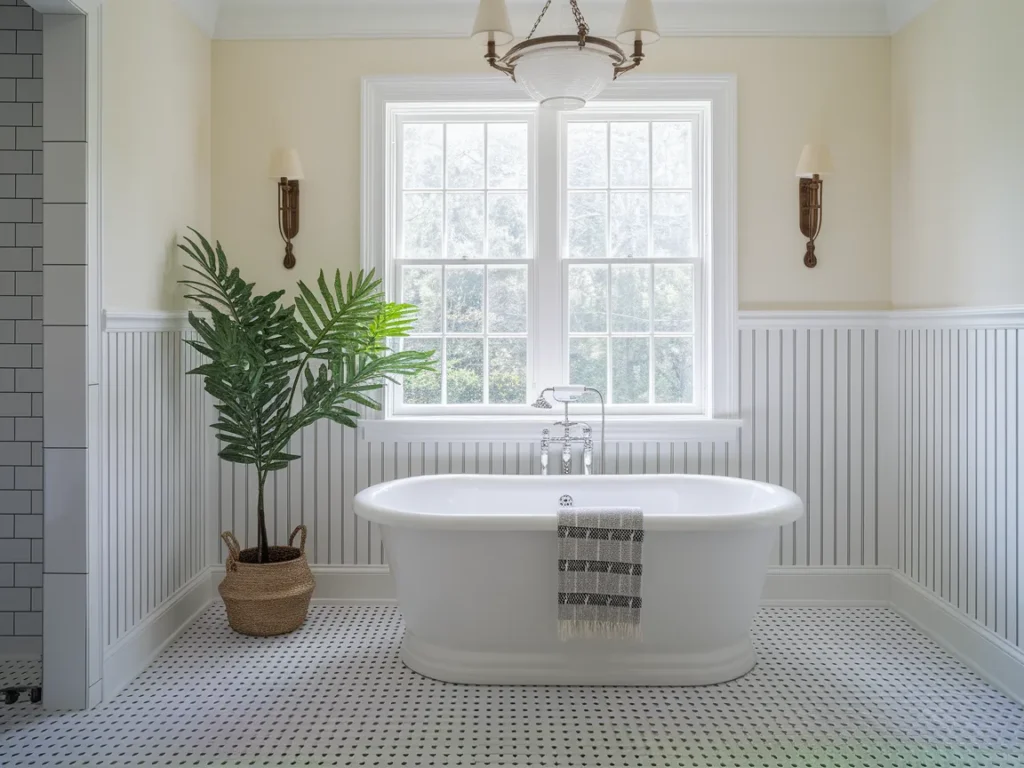
13. Herringbone Pattern Tile
Instant Designer Look, Any Tile
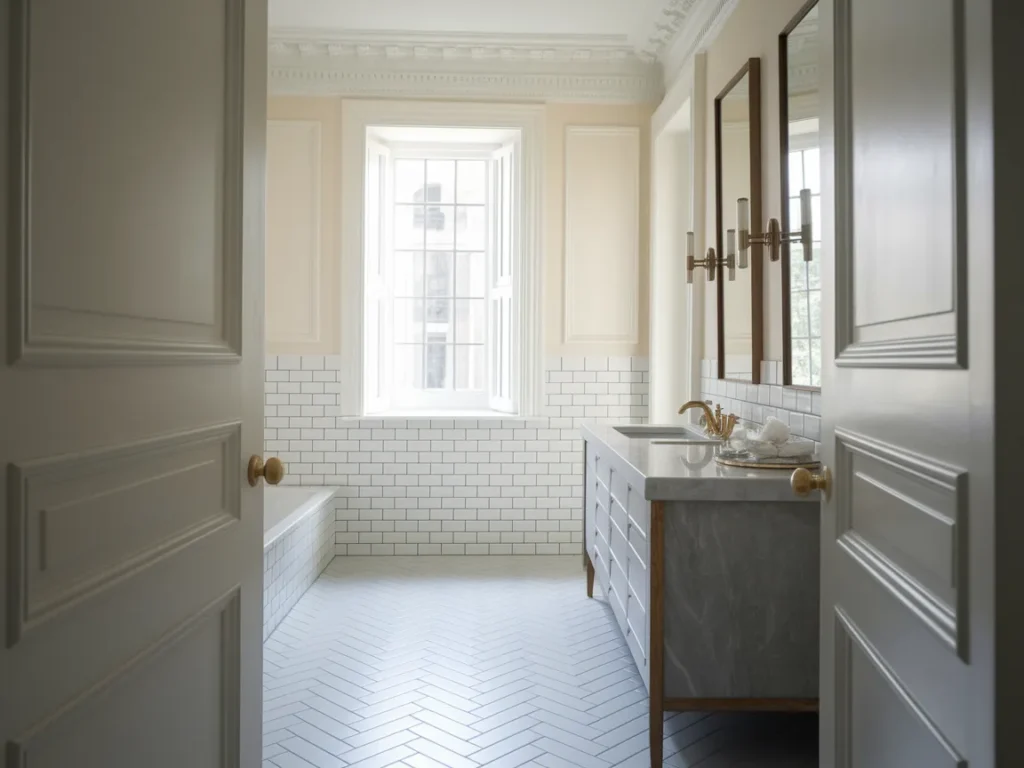
Herringbone is a V-shaped weaving pattern that can make almost any tile look more expensive and intentional. You can create it with porcelain, ceramic, marble, or even wood-look planks. The pattern adds movement and visual depth to a bathroom floor.
It’s one of the easiest ways to make a bathroom feel “designed” without spending extra on expensive materials. The tile itself doesn’t cost more — you’re just arranging it differently. (Though labor might cost a bit more for the angled cuts.)
Herringbone looks fantastic in white, cream, and gray tones. It pairs well with both modern and traditional bathrooms and works beautifully in small spaces.
14. Cork Flooring
Warm, Soft, and Surprisingly Good for Bathrooms
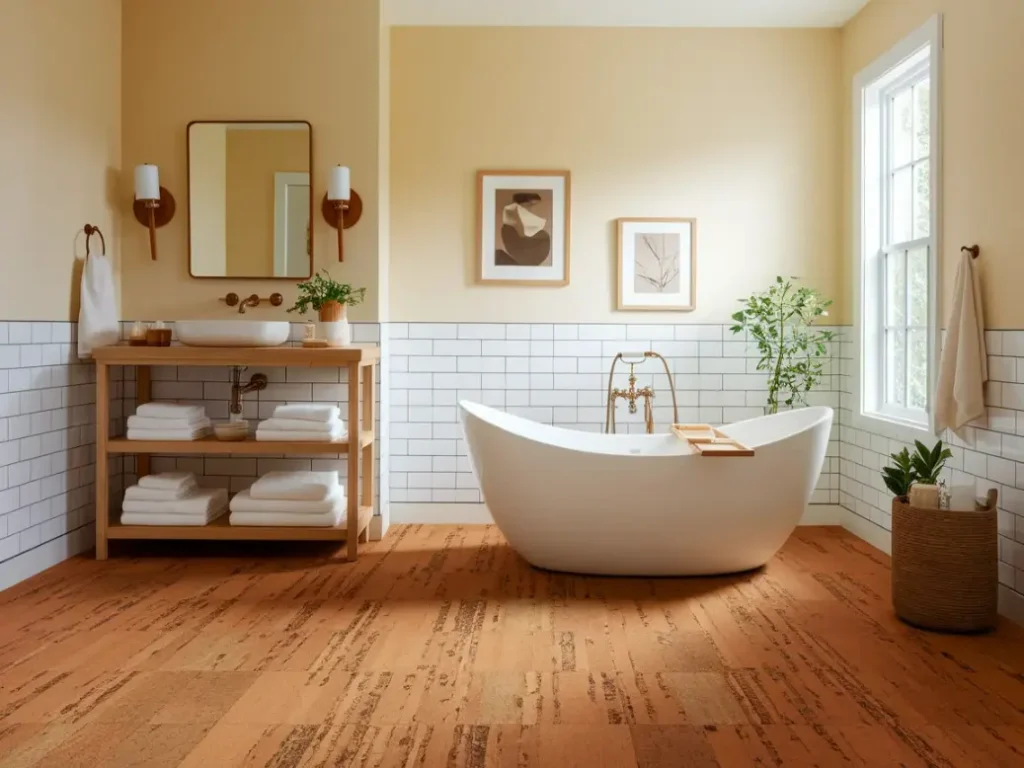
Cork might surprise you on this list, but it’s actually a solid bathroom flooring choice when installed and sealed correctly. It’s warm underfoot, naturally soft, and has a cushiony feel that’s easy on your joints.
Cork is also naturally antimicrobial, which means it resists mold and mildew. It’s made from the bark of cork oak trees, making it a renewable and eco-friendly material. Prices start at around $3 to $8 per square foot.
The important thing with cork is proper sealing. A good polyurethane sealer protects it from moisture. Without sealing, water can seep into the joints and cause damage. But when maintained properly, cork can last 10 to 15 years or more in a bathroom.
If you’re interested in sustainable home updates, our guide on sustainable kitchen upgrades that increase home value has some great ideas too.
15. Concrete (or Concrete-Look) Flooring
Industrial Cool for the Modern Bathroom
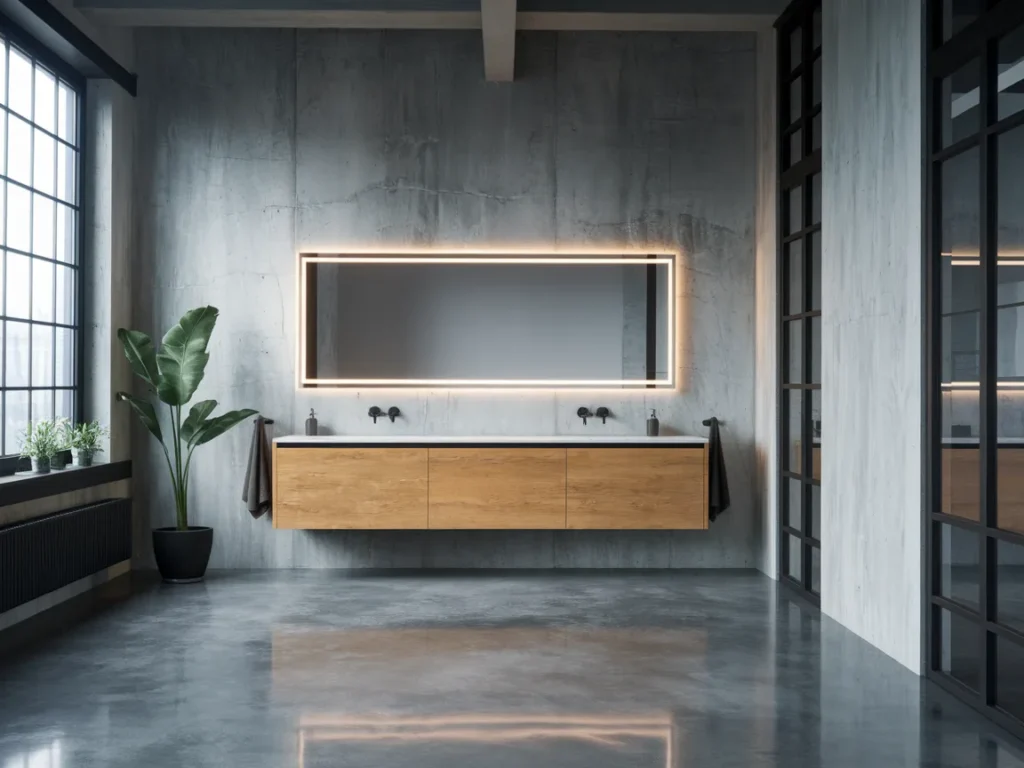
Polished concrete floors are a favorite in modern and industrial-style bathrooms. The seamless look (zero grout lines) makes even tiny bathrooms feel open and expansive. Real concrete is incredibly durable and completely waterproof when sealed.
If poured concrete isn’t in your budget, concrete-look porcelain tiles give you the same clean, modern aesthetic at a fraction of the cost. They come in various shades of gray and can include subtle texture for slip resistance.
Real polished concrete typically costs $8 to $15 per square foot. Concrete-look porcelain tiles run about $5 to $12. Either way, this look pairs perfectly with matte black fixtures, floating vanities, and minimalist design.
Bathroom Flooring Cost Comparison
Here’s a quick side-by-side to help you compare your top options:
| Flooring Type | Material Cost (per sq ft) | Lifespan | Water Resistance | DIY Friendly? |
|---|---|---|---|---|
| Porcelain Tile | $5–$20 | 25+ years | Excellent | Moderate |
| Luxury Vinyl Plank | $2.50–$8 | 10–15 years | Excellent | Yes |
| Ceramic Tile | $2–$10 | 20+ years | Very Good | Moderate |
| Natural Stone | $10–$30 | 30+ years | Good (needs sealing) | No |
| Cement Tile | $8–$15 | 20+ years | Good (needs sealing) | No |
| Hex Mosaic | $5–$15 | 20+ years | Very Good | Moderate |
| Wood-Look Porcelain | $5–$15 | 25+ years | Excellent | Moderate |
| Sheet Vinyl | $1–$4 | 10–15 years | Excellent | Yes |
| Peel-and-Stick Vinyl | $1–$5 | 5–10 years | Good | Yes |
| Terrazzo | $20–$50 (real) | 30+ years | Excellent | No |
| Cork | $3–$8 | 10–15 years | Good (needs sealing) | Yes |
| Concrete | $8–$15 | 25+ years | Excellent (sealed) | No |
Bathroom Flooring Mistakes to Avoid
Picking a floor is exciting, but a few common mistakes can turn that excitement into regret. Here’s what to watch out for.
Using Non-Waterproof Materials
Solid hardwood and standard laminate are not made for bathrooms. They will absorb moisture, swell, and eventually warp or grow mold. If you want the wood look, go with luxury vinyl or wood-look porcelain. If you want laminate, make sure it’s specifically labeled “waterproof.”
Skipping the Subfloor Prep
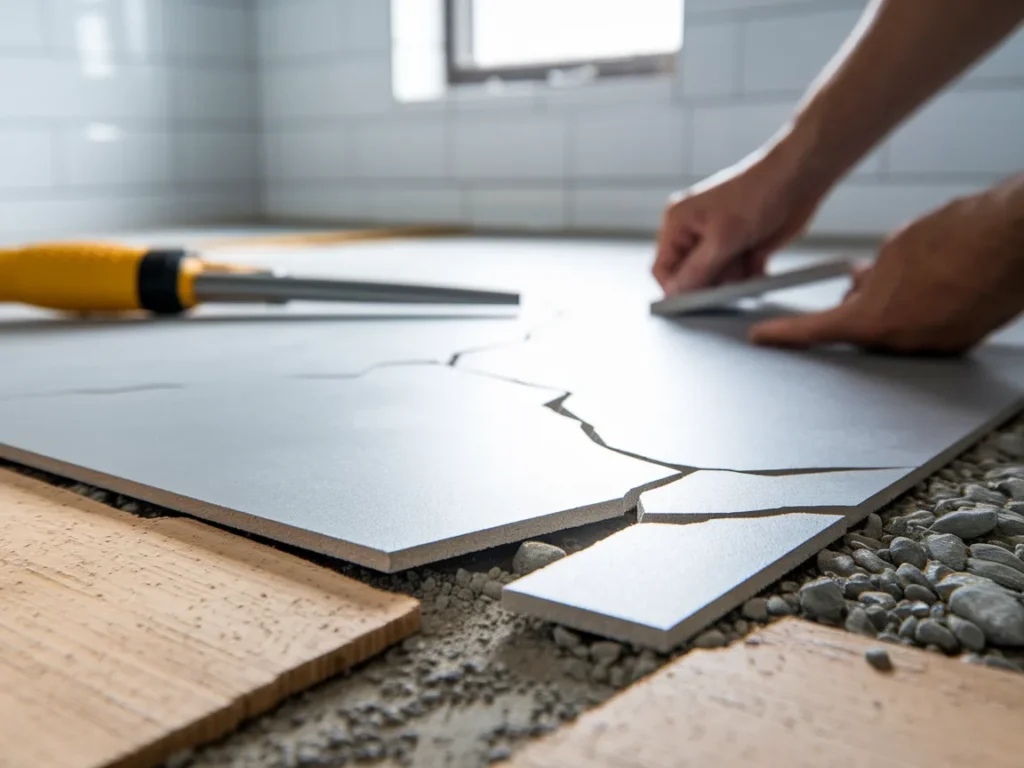
Your new floor is only as good as what’s underneath it. An uneven subfloor causes tiles to crack and vinyl to buckle. Take the time to level and prep the subfloor before laying anything new. It’s boring but critical.
Ignoring Grout Maintenance
Grout is porous, which means it absorbs water and stains if not sealed. Sealing your grout after installation — and resealing every year or two — keeps your floor looking fresh and prevents moisture damage underneath.
Forgetting About Comfort
A bathroom floor that looks amazing but feels like ice every morning isn’t a win. If you go with porcelain, stone, or concrete, plan for a bath mat or consider radiant floor heating. Your feet will thank you.
Frequently Asked Question
What Is the Most Popular Bathroom Flooring in 2026?
Porcelain tile and luxury vinyl plank are the two most popular options. Porcelain leads for durability and a high-end look. LVP leads for affordability, comfort, and easy DIY installation. Both are fully waterproof.
Is Vinyl Flooring Good for Bathrooms?
Yes, vinyl is one of the best bathroom flooring choices. Luxury vinyl plank and tile are 100% waterproof, comfortable underfoot, and come in realistic designs that mimic wood and stone. SPC vinyl is the most durable option for bathrooms.
Can You Put Hardwood Floors in a Bathroom?
Solid hardwood is generally not recommended for bathrooms because it absorbs moisture and can warp. Engineered hardwood is a better option, but it still requires careful maintenance. For the safest wood look, choose wood-look porcelain tile or luxury vinyl plank.
What Is the Cheapest Bathroom Flooring That Looks Good?
Sheet vinyl and peel-and-stick vinyl tile are the most affordable options, starting at around $1 per square foot. Today’s designs look much better than older versions and come in realistic stone, tile, and wood patterns.
Should Bathroom Floor Tiles Be Light or Dark?
Light-colored floors make a small bathroom feel bigger and brighter. Dark floors add drama and can hide stains, but they show dust and water spots more. In most small bathrooms, lighter tones work best. For tips on using dark tones in small spaces, read our guide on using dark paint in small rooms without making them feel smaller.
Final Thoughts
Your bathroom floor sets the foundation for the whole room — literally and visually. The right choice can make a small room feel spacious, a plain room feel luxurious, and an outdated room feel brand new.
The 15 bathroom flooring ideas in this guide cover every budget and every style. Whether you go with the timeless elegance of porcelain, the budget-friendly comfort of luxury vinyl, or the bold personality of cement tile, there’s no wrong answer — as long as it handles water well and makes you happy when you step out of the shower.
Pick the material that fits your lifestyle, your budget, and your design vision. Then go make your bathroom the room you actually look forward to walking into every morning.