

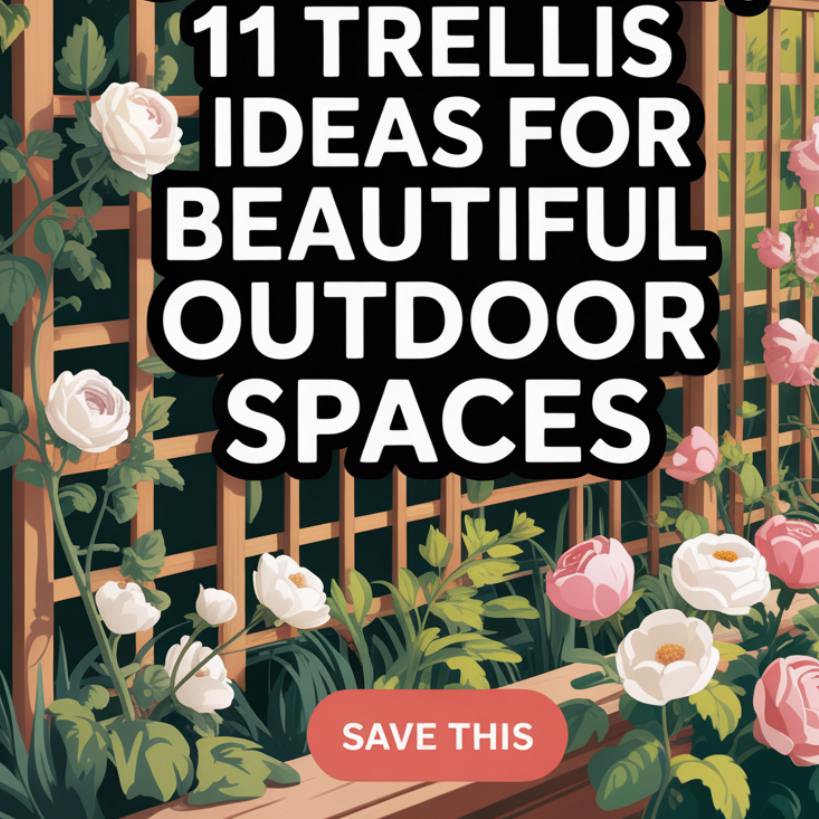
A trellis is one of the easiest ways to make your garden look taller, fuller, and more beautiful. Whether you want to grow climbing roses, fresh cucumbers, or just add some height to a boring corner, a trellis does the job. And the best part? Most of these ideas cost very little to build.
I remember the first time I added a simple wooden trellis to my backyard. My garden went from flat and dull to layered and lively almost overnight. That one little structure changed everything. It gave my climbing beans a place to grow, and it made the whole space feel like a real garden, not just a patch of dirt.
In this guide, you will find 11 trellis ideas that work for big yards, small patios, raised beds, and even balconies. Each idea includes what it looks best with, how hard it is to build, and what plants love it most. Let’s get into it.
Why Every Garden Needs a Trellis
Before we jump into the ideas, let’s talk about why a trellis matters so much.
It Saves Space
Growing plants up instead of out is a game changer. If you have a small garden or a tight apartment balcony, vertical growing gives you room for more plants. According to Rise Gardens, vertical setups can produce up to 10 times more food per square foot than flat ground gardens. That is a huge deal for anyone short on space.
It Keeps Plants Healthier
When plants grow up on a trellis, air moves around them better. This means less mold, fewer bugs, and stronger stems. Fruits like cucumbers and tomatoes stay cleaner because they hang off the ground instead of sitting in wet soil.
It Looks Beautiful
A trellis adds height, shape, and layers to your garden. It turns a flat space into something with real depth. Think of it like wall art for your outdoor area it gives the eye something to travel upward toward.
The global vertical garden market was valued at $11.2 billion in 2024 and is expected to reach $23.7 billion by 2033, according to Dataintelo’s market report. That tells you one thing: more and more people are discovering the power of growing up
1. Classic Wooden Lattice Trellis
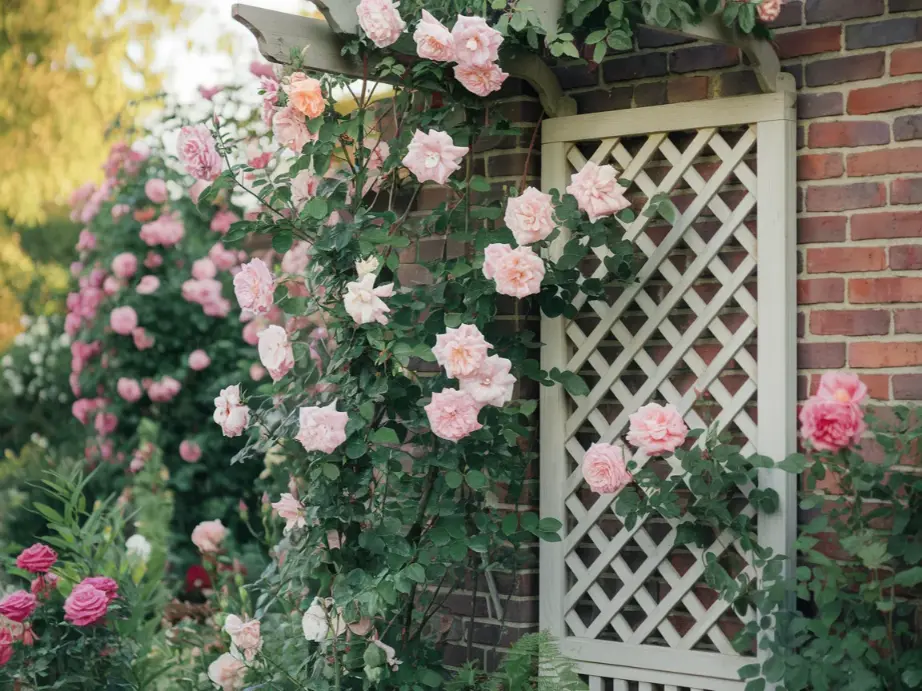
The wooden lattice trellis is the one most people picture when they hear the word “trellis.” It is a flat panel with a crisscross pattern made from thin wooden slats. You can lean it against a wall, attach it to a fence, or mount it in a raised bed.
Why It Works
This trellis is perfect for climbing roses, jasmine, and sweet peas. The diamond-shaped holes give plant tendrils lots of places to grab on. You can buy a pre-made lattice panel at any hardware store for around $15 to $40, or you can build one from scrap wood.
Best Plants For This Trellis
Clematis, morning glories, and honeysuckle all thrive on a lattice. If you want a privacy screen, plant star jasmine and watch it fill in over one season.
Pro Tip
Paint your lattice white for a cottage garden vibe or stain it dark walnut for a more modern look. Just make sure to use outdoor-rated paint so it lasts through rain and sun.
2. Bamboo Teepee Trellis
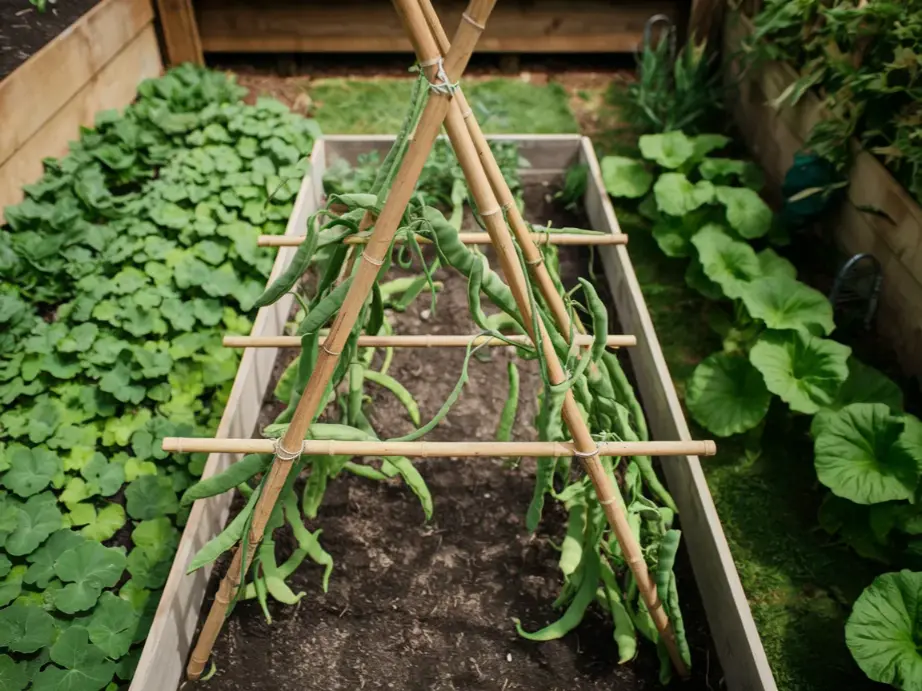
This one is a fan favorite — and for good reason. A bamboo teepee trellis is cheap, easy, and takes about 15 minutes to build. You take a few bamboo poles, lean them together in a circle, and tie them at the top with garden twine. Done.
Why It Works
Teepees are great for pole beans, peas, and even small squash. The shape lets plants climb from all sides, which means more growing space in a tiny footprint. Kids also love these because they look like little green tents once the plants fill in.
How to Build It
Grab 5 to 7 bamboo stakes that are about 6 feet tall. Push them into the soil in a circle, about 12 inches apart. Lean the tops together and wrap them tightly with twine. For extra support, wrap twine around the middle and lower sections too.
Budget Friendly
A pack of bamboo stakes costs around $8 to $12. Garden twine is about $3. That means your entire trellis costs less than a fast food meal. Not bad for a structure that will hold 20 pounds of green beans.
3. Cattle Panel Arch Trellis
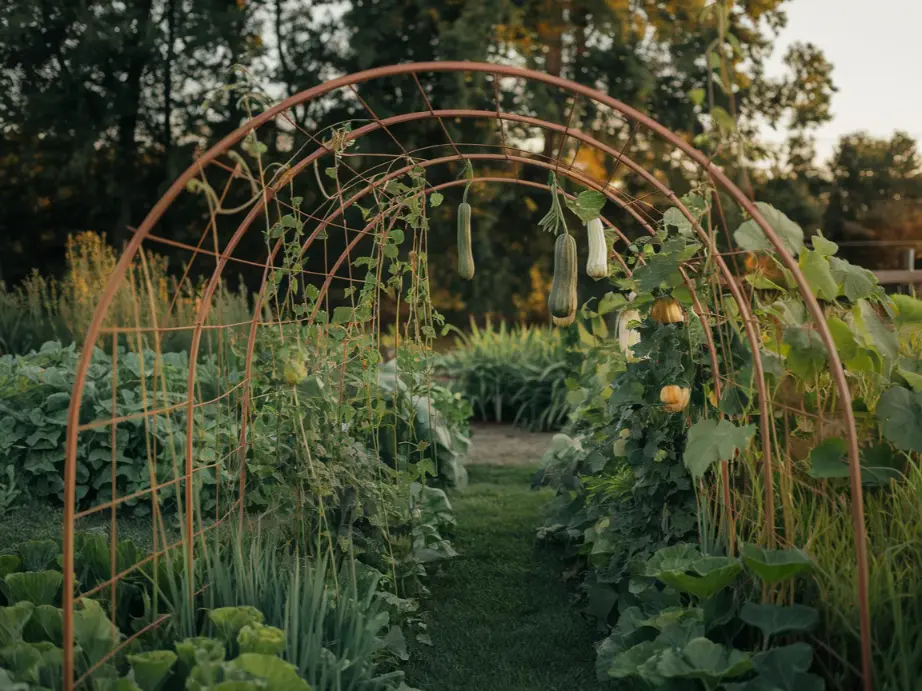
If you want a trellis that looks amazing and can hold heavy plants like melons and pumpkins, the cattle panel arch is your best bet. A cattle panel is a thick wire grid used on farms. When you bend it into an arch shape over a garden path, it becomes a beautiful tunnel for vines.
Why It Works
This trellis is incredibly strong. It can handle the weight of watermelons, squash, cucumbers, and gourds without bending or breaking. Plus, walking under an arch covered in hanging fruit is one of the most magical garden experiences you will ever have.
How to Build It
Buy one 16-foot cattle panel from a farm supply store (around $25 to $35). Bend it into an arch and attach each end to sturdy wooden or metal posts driven into the ground. Secure with zip ties or wire. The whole project takes about an hour.
Best Plants for This Trellis
Cucumbers, butternut squash, small pumpkins, luffa gourds, and passion fruit all love this setup. You can also grow flowering vines like moonflower for a dreamy nighttime display.
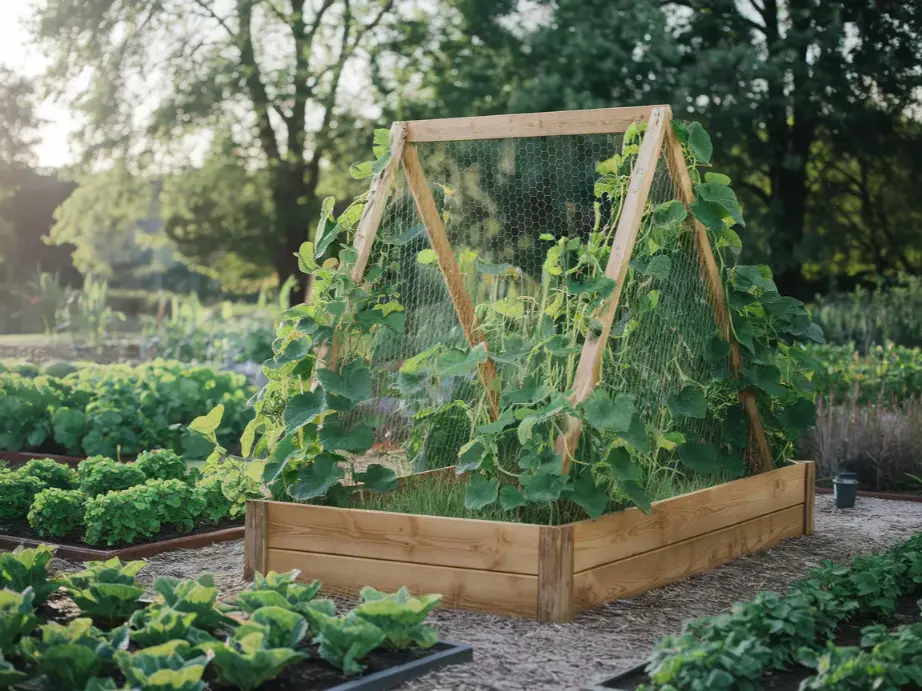
4. A-Frame Trellis
Picture a capital letter “A.” That is exactly what this trellis looks like. Two panels lean against each other to form a triangle shape. It is foldable, sturdy, and works great in raised beds.
Why It Works
The A-frame gives you two growing surfaces instead of one. Plants can climb up both sides, which doubles your yield in the same footprint. When the season ends, you fold it flat and store it in the garage. Easy.
DIY Version
Build two rectangular frames from 1×2 lumber. Staple chicken wire or netting to each frame. Connect the tops with hinges so the whole thing folds. Open it up, set it in your bed, and plant at the base of each side.
Best Plants for This Trellis
Cucumbers, peas, and beans do very well on A-frames. The sloped surface also lets sunlight reach the lower parts of the plant, which helps everything grow evenly.
5. Obelisk Trellis
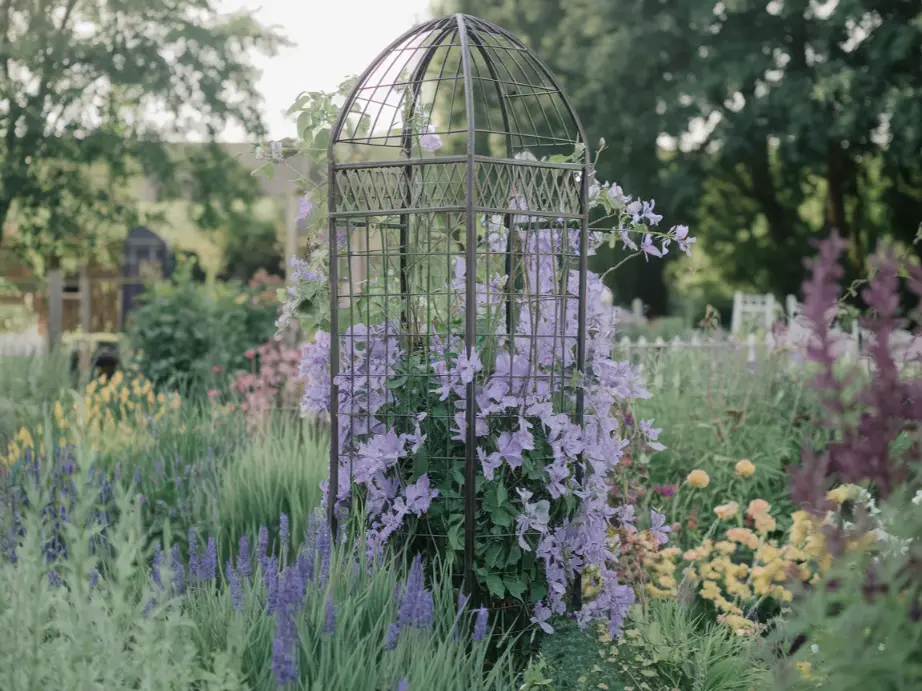
An obelisk trellis is a tall, narrow, four-sided tower that tapers to a point at the top. Think of a mini Eiffel Tower for your garden. It looks elegant and works as both a plant support and a piece of garden decor.
Why It Works
Obelisks add serious height to flower beds and entryway gardens. They are perfect for climbing roses, clematis, and sweet peas. The tall, narrow shape draws the eye upward and creates a beautiful focal point.
Materials
You can find metal obelisk trellises online for about $30 to $80. Wooden ones made from cedar or acacia are available too. If you are handy, you can build one from wooden dowels and wood screws for under $20.
Style Tip
Place two matching obelisks on either side of a garden path for a symmetrical, formal look. Or set a single one in the center of a raised bed as a statement piece. Either way, it looks stunning.
6. Wall-Mounted Fan Trellis
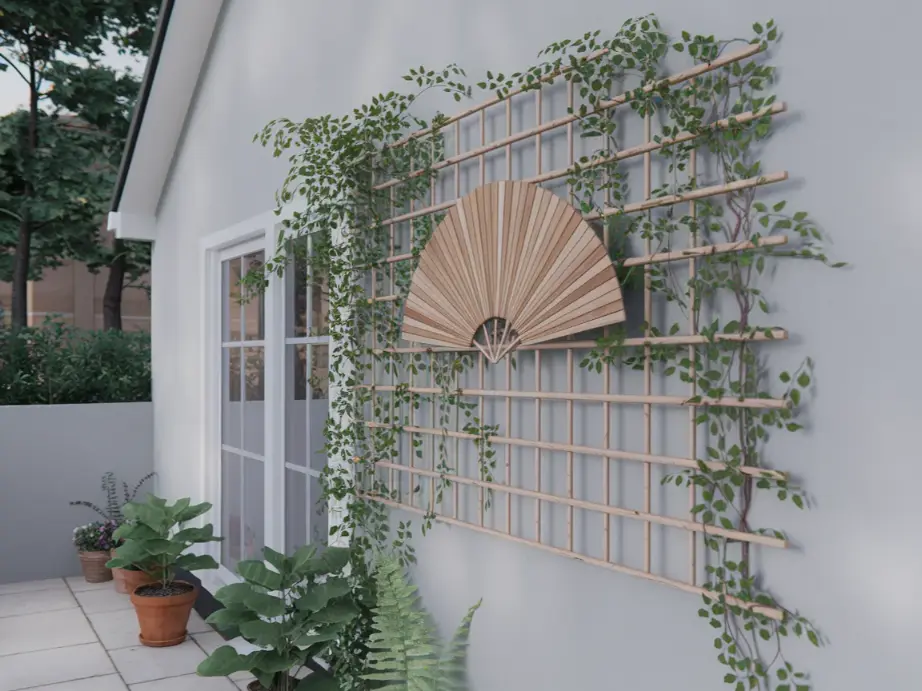
A fan trellis is shaped like an open hand fan — narrow at the bottom and wide at the top. It mounts flat against a wall or fence and takes up almost zero floor space.
Why It Works
This is the ideal trellis for people with no yard at all. It works on patio walls, garage sides, and even the back of your house. The fan shape guides plants upward and outward in a beautiful, natural pattern.
Best Plants for This Trellis
Climbing hydrangea, star jasmine, passion flower, and ivy all look gorgeous on a fan trellis. For food gardens, try it with small vining tomatoes or peas.
Installation
Most fan trellises come with mounting brackets. Just drill into the wall, attach the brackets, and hang the trellis. Make sure to leave a 2-inch gap between the trellis and the wall so air can flow behind the plants.
7. Repurposed Pallet Trellis
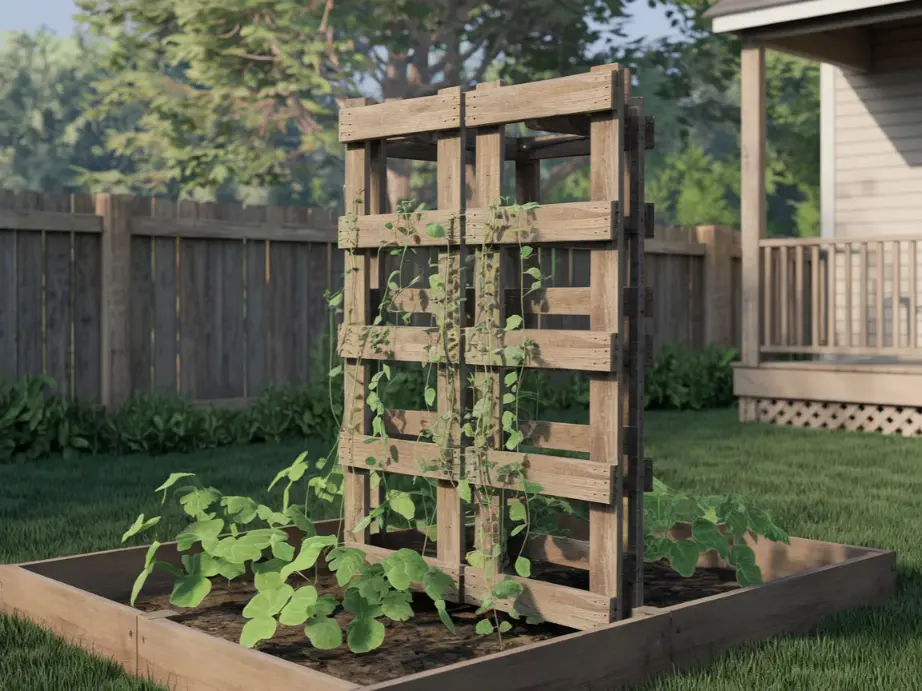
Got an old pallet sitting in the garage? Turn it into a trellis. This is one of the most budget-friendly ideas on this list because the main material is free.
Why It Works
A pallet already has the perfect structure for climbing plants. The gaps between the slats give vines plenty of room to weave through. You can lean it against a fence, stand it upright in a garden bed, or hang it on a wall.
How to Make It
Sand down any rough edges. Remove loose nails. Stand the pallet upright and push the bottom into the soil or secure it with stakes. Plant at the base and let nature do the rest.
A Word of Caution
Make sure the pallet is heat-treated (look for the “HT” stamp), not chemically treated. Chemical-treated wood can release harmful substances into your soil, especially if you are growing food.
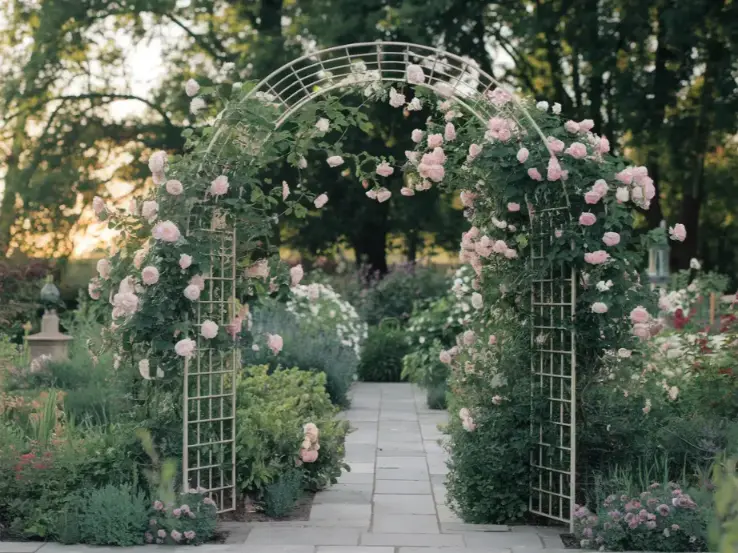
8. Arched Garden Trellis
An arched trellis creates a doorway effect in your garden. It is one of the most dramatic ways to add structure and romance to an outdoor space.
Why It Works
Arches create a sense of entry and separation. Place one at the beginning of a garden path and it instantly feels like you are stepping into a secret garden. According to Homedit’s 2026 garden trend report, arches and trellises are shaping how people experience outdoor spaces this year — moving beyond simple plant support into actual garden design elements.
Best Plants for This Trellis
Climbing roses are the classic choice. Wisteria, grape vines, and honeysuckle also look incredible on an arch. For a food garden, try growing pole beans or scarlet runner beans over it.
Style Ideas
A white metal arch looks romantic and classic. A black iron arch feels modern and bold. A rustic wooden arch with natural branches gives a vintage fairytale feel.
9. String and Post Trellis
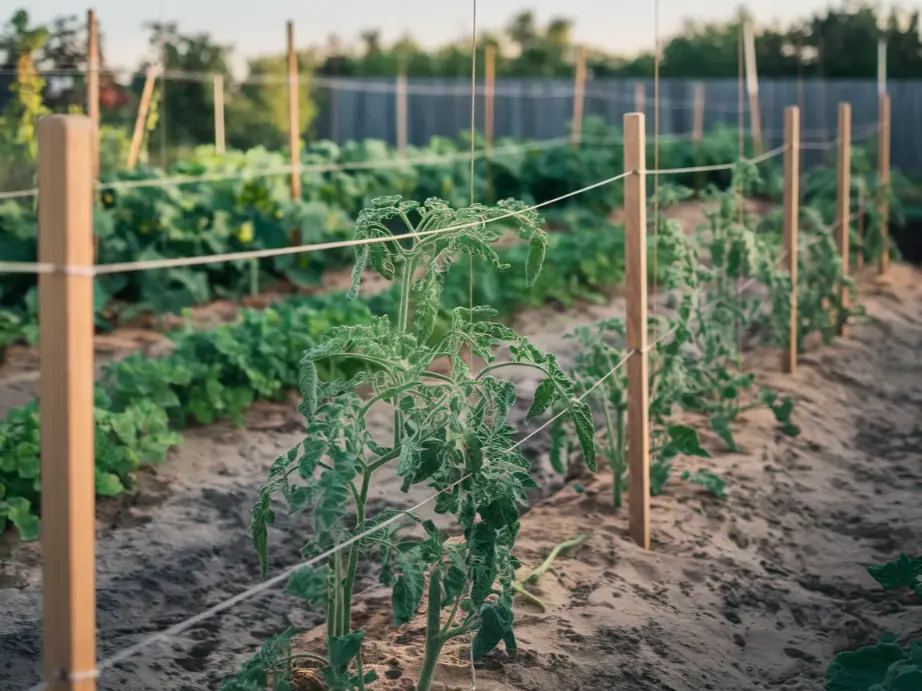
This is the simplest trellis you can make. Drive two posts into the ground. Tie strings between them. That is it.
Why It Works
The string trellis — sometimes called the “Florida weave” when used for tomatoes — is perfect for long rows of plants. Farmers have used this method for generations because it works and costs almost nothing.
How to Build It
Push two sturdy T-posts or wooden stakes into the ground on either end of your row. Run garden twine back and forth between the posts, creating horizontal lines every 8 to 10 inches up. As your tomatoes or beans grow, gently guide them between the strings.
Cost
Two wooden stakes: $4. A roll of garden twine: $3. Total cost: $7. This is the go-to trellis for anyone on a tight budget or growing in large rows.
10. Living Willow Trellis
A living willow trellis is exactly what it sounds like a trellis made from willow branches that are still alive. You push willow cuttings into the ground, weave them together, and they take root and grow.
Why It Works
This is one of the most beautiful and eco-friendly trellis options. Over time, the willow branches sprout leaves and become a living green wall. It blends into the garden like it has always been there.
How to Make It
In late winter or early spring, cut fresh willow branches about 4 to 6 feet long. Push them 6 inches into moist soil, spacing them about 6 inches apart. Weave every other branch in opposite diagonal directions to create a diamond pattern. Keep the soil moist and the willow will root within weeks.
Where It Works Best
Living willow trellises look magical in cottage gardens, along fence lines, and as privacy screens. They pair beautifully with climbing roses and clematis for a storybook look.
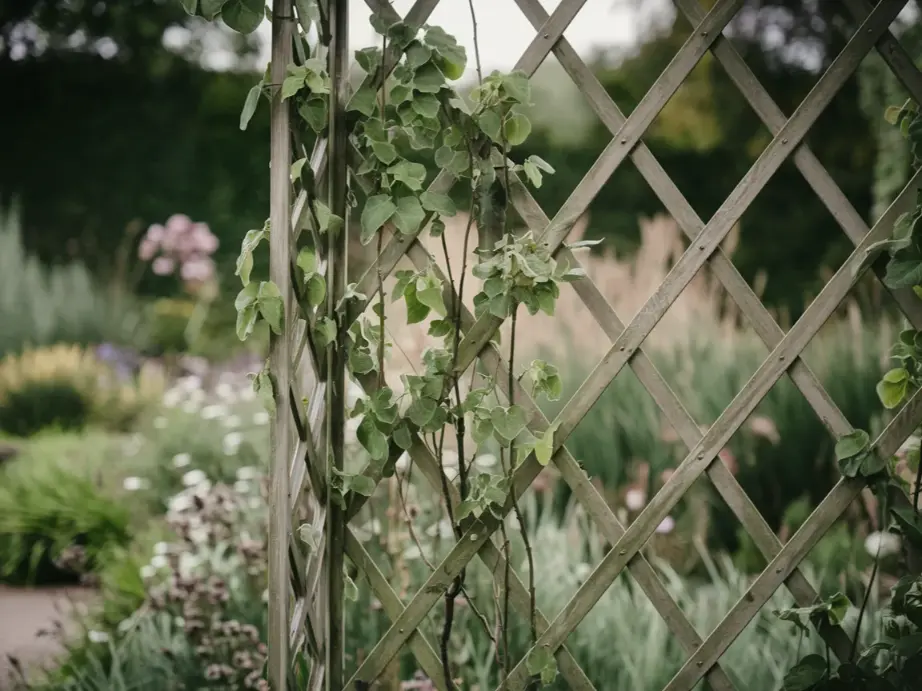
11. Geometric Metal Trellis
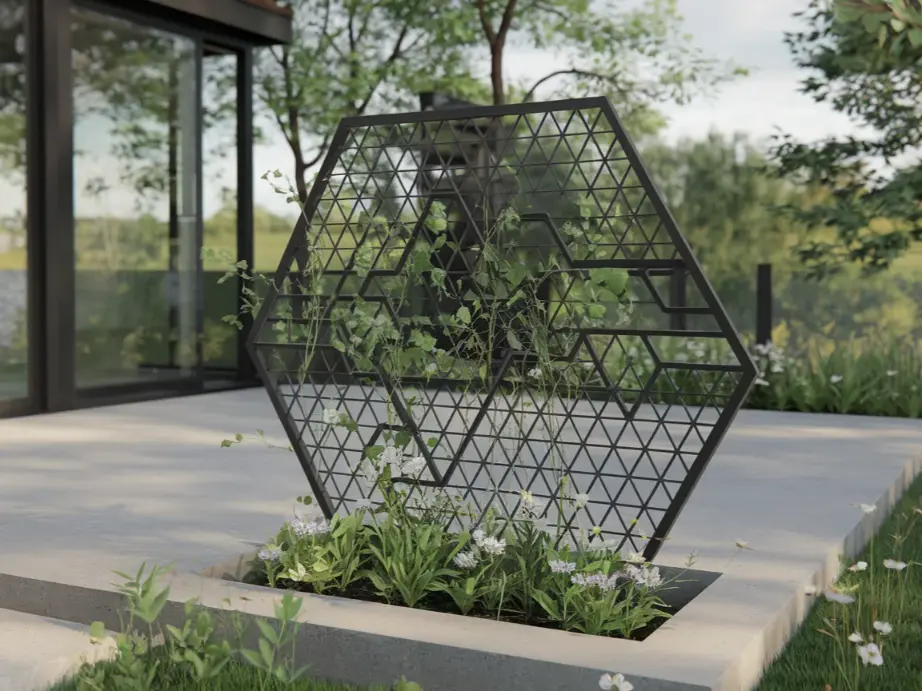
For anyone who loves clean lines and a modern look, a geometric metal trellis is the answer. These trellises come in shapes like hexagons, diamonds, circles, and grid patterns.
Why It Works
Metal trellises are strong, weather-resistant, and look fantastic even without plants on them. They work year-round as garden art, and when spring comes, they become a climbing surface for vines.
Where to Use It
Place a geometric trellis in a large planter on your patio. Mount one on a bare fence for instant style. Or use a pair of them to frame a garden bench. The modern aesthetic works especially well in urban gardens and rooftop spaces.
Best Plants for This Trellis
Lightweight climbers like sweet peas, black-eyed Susan vine, and nasturtiums work best on metal trellises. Avoid heavy plants like large squash — save those for your cattle panel arch.
How to Pick the Right Trellis for Your Garden
With 11 ideas to choose from, it helps to narrow things down. Here is a quick comparison table:
| Trellis Type | Best For | Difficulty | Cost Range |
|---|---|---|---|
| Wooden Lattice | Roses, jasmine, privacy | Easy | $15–$40 |
| Bamboo Teepee | Beans, peas, kids’ gardens | Very Easy | $8–$15 |
| Cattle Panel Arch | Melons, squash, tunnels | Medium | $25–$50 |
| A-Frame | Cucumbers, peas, raised beds | Easy | $15–$30 |
| Obelisk | Clematis, roses, focal points | Easy | $30–$80 |
| Wall-Mounted Fan | Small spaces, patios | Very Easy | $10–$25 |
| Repurposed Pallet | Budget gardens, rustic style | Very Easy | Free–$5 |
| Arched Trellis | Entryways, roses, drama | Medium | $40–$150 |
| String and Post | Tomatoes, long rows | Very Easy | $5–$10 |
| Living Willow | Eco gardens, privacy | Medium | Free–$15 |
| Geometric Metal | Modern patios, planters | Easy | $20–$60 |
Think About Your Plants First
Heavy fruits like melons and pumpkins need a strong trellis like a cattle panel arch. Light flowers and herbs do fine on a lattice or fan trellis. Match the trellis to the plant, not the other way around.
Think About Your Space
A small balcony needs a wall-mounted fan or a compact obelisk. A big backyard can handle an arch or a cattle panel tunnel. Your space decides what fits.
Think About Your Budget
If money is tight, start with a teepee, a pallet, or a string trellis. You can grow incredible food on a $10 trellis. Fancy is nice, but simple works just as well.
What Plants Grow Best on a Trellis?
This is one of the most asked questions about trellises. The answer depends on what you want — food, flowers, or privacy.
Vegetables and Fruits
Cucumbers, pole beans, peas, squash, tomatoes, grapes, melons, and even small pumpkins all grow beautifully on trellises. Growing them vertically also keeps the fruit cleaner and easier to pick.
Flowers
Climbing roses, clematis, morning glories, sweet peas, moonflower, and black-eyed Susan vine are all excellent trellis flowers. They add color, scent, and beauty to any garden.
Privacy Plants
Star jasmine, English ivy, Virginia creeper, and evergreen clematis are great for creating a living privacy screen on a trellis. Plant them along a fence-line trellis and they will fill in within one to two seasons.
Common Trellis Mistakes to Avoid
Even the best trellis idea can go wrong if you skip a few steps. Here are the most common mistakes I see.
Not Anchoring the Trellis
Wind and heavy plants will knock over an unsecured trellis in no time. Always anchor your trellis into the ground with stakes, post holders, or bolts. A trellis that tips over will crush your plants and break your heart.
Using Treated Wood Near Edibles
Some pressure-treated wood contains chemicals that can leach into the soil. If you are growing food, use untreated cedar, bamboo, or metal instead.
Choosing the Wrong Size
A 3-foot trellis will not support a 10-foot tomato plant. Always check how tall your plants will grow and pick a trellis that gives them enough room.
Forgetting About Sunlight
Trellises cast shadows. Place yours on the north side of your garden bed (in the Northern Hemisphere) so it does not block sunlight from your other plants.
Trellis Maintenance Tips That Save Time
A well-maintained trellis lasts for years. A neglected one falls apart in one season.
Wood Trellises
Seal or stain wood trellises at the start of each season. Check for rot at the base where wood meets soil. Replace any soft or cracked slats before they fail.
Metal Trellises
Wipe down metal trellises in spring to remove rust spots. Apply a coat of spray-on rust protector if needed. Powder-coated metal lasts longest.
Bamboo Trellises
Bamboo is lightweight and cheap, but it does not last forever. Expect to replace bamboo stakes every 1 to 2 seasons. Store them inside during winter to extend their life.
Trellis Ideas for Small Spaces
Not everyone has a big yard. If you are working with a small patio, balcony, or urban garden, these ideas work great.
Container Trellises
Put a small obelisk or fan trellis inside a large pot. Plant a climbing vine at the base. Now you have a vertical garden that fits on any patio or balcony.
Wall Trellises
Mount a flat lattice panel or a wire grid on your fence or wall. This takes zero floor space and gives you a full growing surface for herbs, flowers, or lightweight veggies.
Folding Trellises
A-frame and accordion-style trellises fold flat for storage. This is perfect if you need to clear your space during off-season months.
If you’re also looking for ways to brighten your small outdoor space with lights, string lights draped over a trellis create a stunning double effect greenery by day, warm glow by night.
Final Thoughts
A trellis is one of the smartest additions you can make to any garden. It saves space, supports plant health, and adds real beauty to your outdoor area. Whether you build a simple $7 string trellis or invest in a beautiful metal arch, your garden will thank you.
Start with one trellis this season. See how your plants respond. Watch the vines climb. Enjoy the flowers bloom. Once you see the difference, you will want trellises everywhere.
Pick the idea that matches your space, your budget, and the plants you love. Then just get out there and build it. Your garden is about to look a whole lot taller and a whole lot better.

