

Yes, you can have a beautiful pool without harsh chemicals. Natural pools use plants and good bacteria to keep water clean and safe. They look like ponds from nature but work great for swimming. And the best part? They blend right into your backyard like they were always meant to be there. Natural pools are becoming super popular in the United States. They started in Europe over 25 years ago and now homeowners everywhere want them. Why? Because they cost less to run each year, they’re better for your health, and they look absolutely stunning. In this guide, you’ll find 12 amazing natural pool ideas to inspire your dream backyard. We’ll cover everything from classic pond styles to sleek modern looks. You’ll also learn about costs, plants, maintenance, and how to make even a small yard work. Ready to dive in? Let’s go!
What Is a Natural Pool?
A natural pool is a swimming pool that cleans itself using nature. Instead of chlorine and other chemicals, it uses plants and tiny organisms to filter the water. Think of it like a mini ecosystem right in your backyard. Every natural pool has two main parts. First, there’s the swimming zone where you splash and play. Second, there’s the regeneration zone filled with plants and gravel that clean the water. Water moves between these two areas through a simple pump system. The regeneration zone is where the magic happens. Aquatic plants pull nutrients from the water. Good bacteria break down waste. The result is crystal-clear water that’s gentle on your skin and eyes.
Why Choose a Natural Pool Over a Traditional Pool?
Natural pools offer benefits that regular pools simply can’t match. No harsh chemicals – Your skin and eyes will thank you. No more red eyes or dry skin after swimming. This makes natural pools perfect for kids and people with sensitive skin. Lower yearly costs – According to home improvement experts, the average cost for traditional pool maintenance runs between $350 and $1,050 per year. Natural pools cost much less because you don’t buy chemicals regularly. Better for the environment – You won’t be adding chlorine or other chemicals to the ground. Plus, your pool becomes a home for dragonflies, frogs, and birds. Beautiful year-round – Even in winter, a natural pool looks gorgeous. It becomes a frozen water garden that adds beauty to your yard. Longer lifespan – With proper care, natural pools can last decades. The plants and bacteria get better at cleaning over time.
12 Stunning Natural Pool Ideas
1. Classic Pond-Style Natural Pool
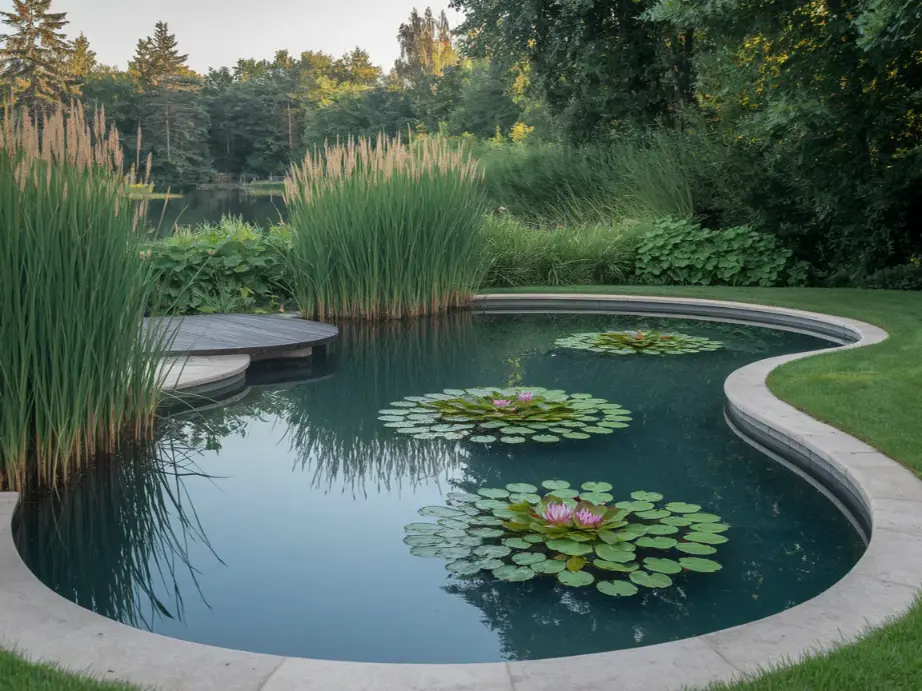
This is the most popular natural pool design for good reason. It looks like you stumbled upon a secret swimming hole in the forest. The classic pond style features soft, curvy edges instead of sharp corners. Native plants like cattails, rushes, and water lilies wrap around the swimming area. Rocks and boulders create natural-looking borders. The regeneration zone usually wraps around part of the swimming zone. You can see the plants doing their work, which adds to the wild beauty. This style works best for larger yards with at least 500 to 700 square feet of space. It’s perfect for homeowners who love cottage or farmhouse design. Pro Tip: Use native plants from your area. They’ll thrive with less work and attract local wildlife like butterflies and songbirds.
2. Modern Minimalist Natural Pool
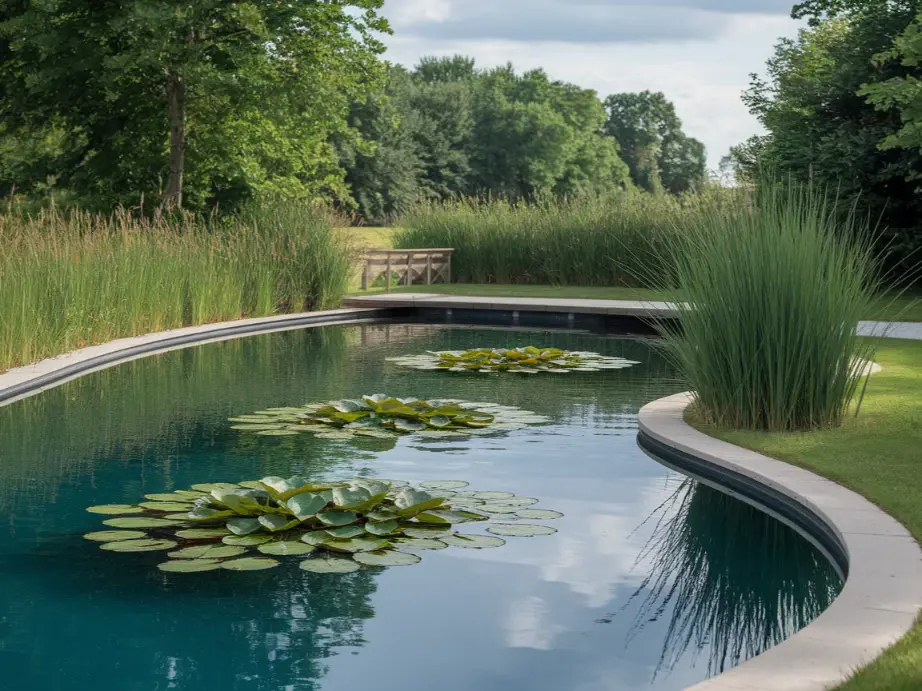
Who says natural pools have to look wild? The modern minimalist style proves you can have clean lines and nature together. These pools feature sharp, geometric shapes like rectangles or squares. The swimming area looks like a high-end resort pool. But here’s the clever part: the regeneration zone is hidden. Designers tuck the plant-filled filter zone behind a wall, in a separate basin, or even underground. Water flows between the two zones through hidden pipes. This design fits perfectly with contemporary homes. You get all the benefits of natural filtration without changing your sleek aesthetic. If you love the look of modern homes, check out our guide on black and white living room decor ideas for matching indoor style.
3. Rustic Oasis Natural Pool
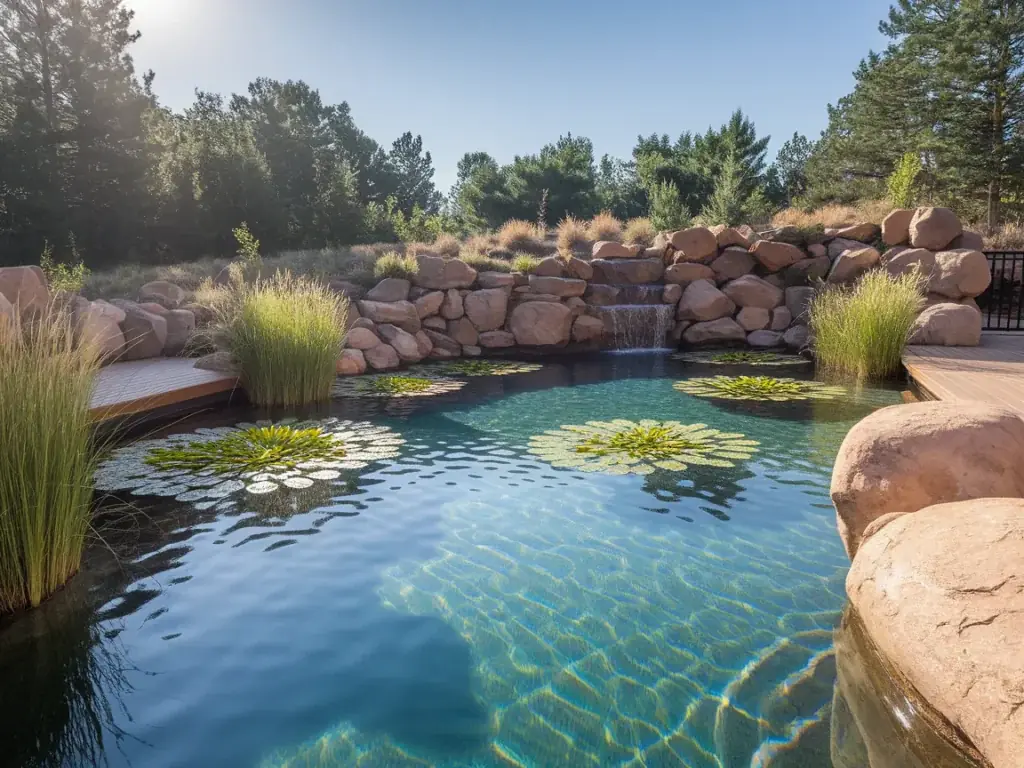
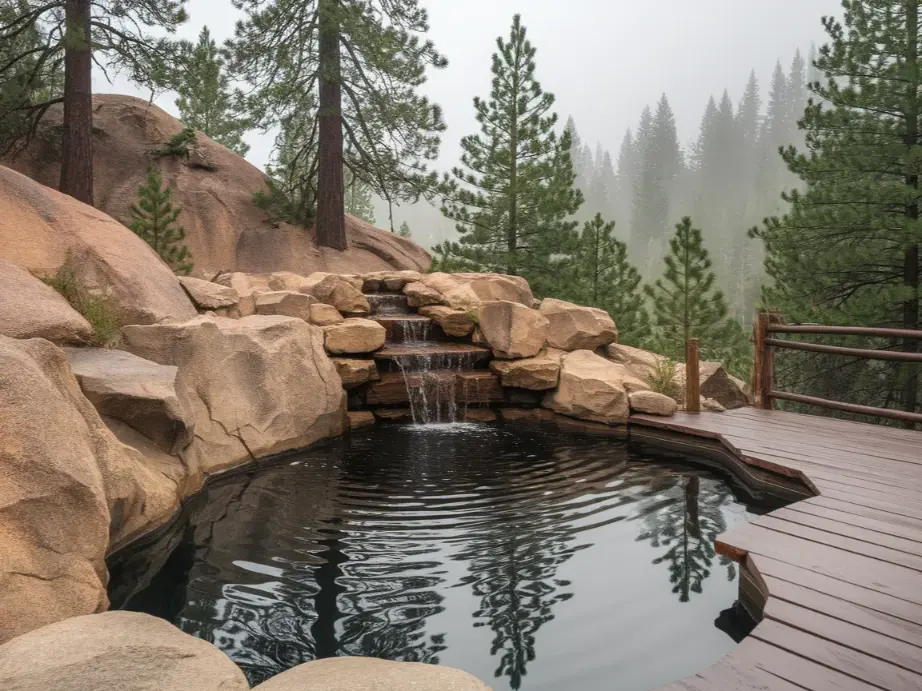
Imagine a mountain spring or hidden pond deep in the woods. That’s the vibe of a rustic oasis natural pool. This design uses lots of natural stone, boulders, and mature plants. The edges look rough and wild on purpose. Large rocks create steps and ledges for sitting. Darker pool finishes in deep blue, green, or even black make the water look like a lake. This creates beautiful reflections of trees and sky. Add a small waterfall cascading over rocks, and you’ve got pure magic. The sound of trickling water makes everything feel peaceful. This style pairs beautifully with log cabins, farmhouses, and mountain homes. It’s also great for properties surrounded by trees.
4. Lagoon-Style Natural Pool
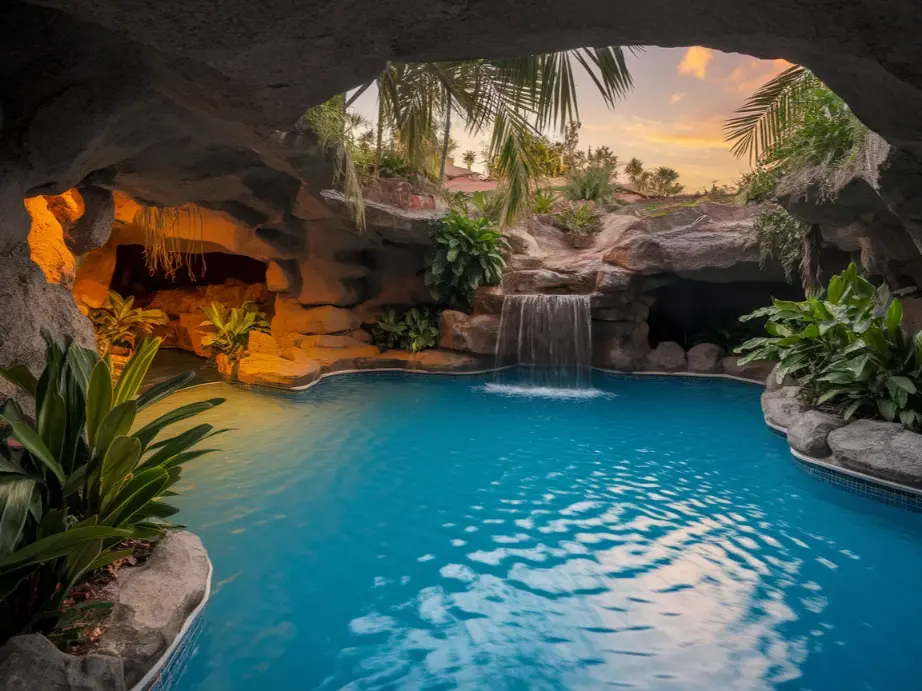
Want to feel like you’re on vacation every day? A lagoon-style natural pool brings tropical resort vibes to your backyard. This design features lots of rock formations that create caves, grottos, and hidden spots. Flat flagstone makes perfect coping and deck areas. The pool shape often curves and winds through the landscape. A waterfall is almost always part of the design. It doesn’t just look pretty—it helps oxygenate the water, which keeps beneficial bacteria healthy. Add tropical plants around the edges and some LED lighting, and your backyard becomes Bora Bora. For more outdoor inspiration, see our ideas on outdoor patio designs that complement pool areas perfectly.
5. Compact Plunge Pool Design
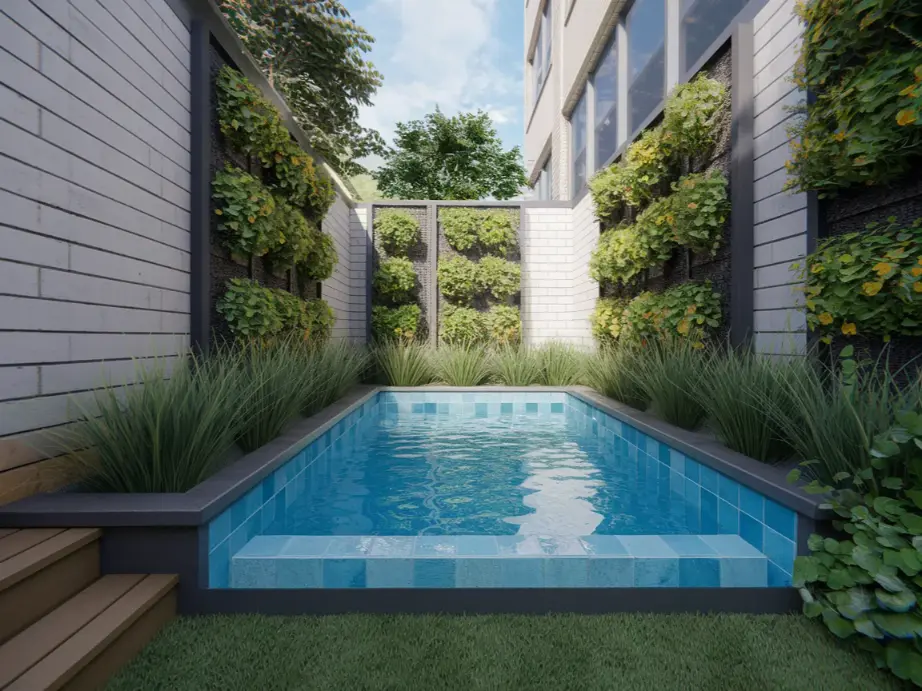
Don’t have a huge yard? No problem! Natural plunge pools prove that small spaces can still have big impact. A plunge pool is deeper than it is wide. It’s perfect for cooling off on hot days, relaxing, and even light exercise. Most measure around 10 by 15 feet—small enough for urban backyards. For natural filtration in tight spaces, designers use a biofilm filter instead of a large plant zone. This filter uses good bacteria on special surfaces to clean the water. It takes up much less room than a traditional regeneration zone. You can still add some floating plants like water lilies for that natural look. The key is strategic planning to maximize every square foot.
6. Infinity Edge Natural Pool
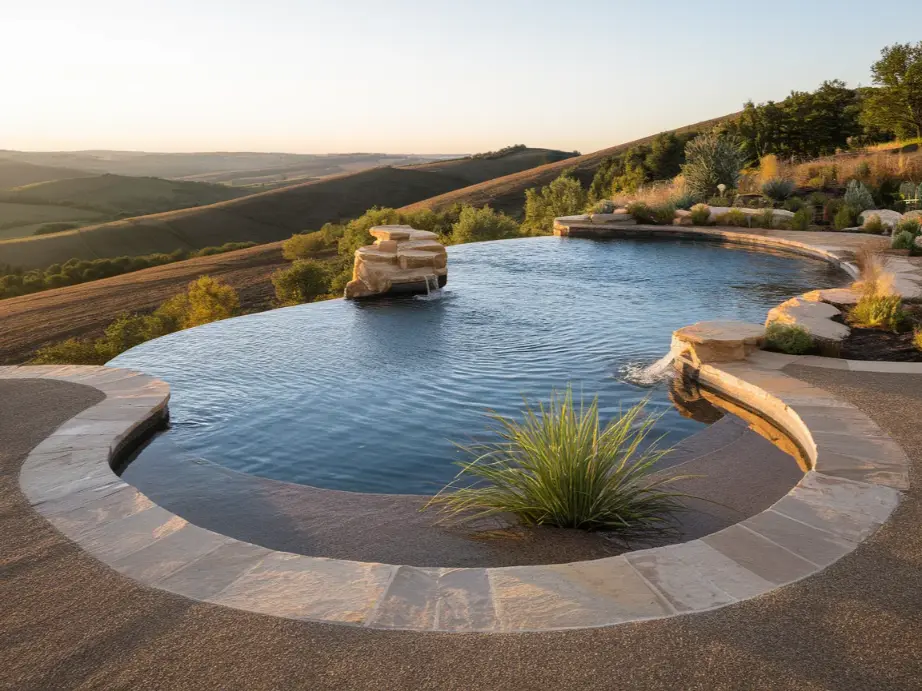
An infinity edge on a natural pool? Yes, it’s possible, and it’s absolutely breathtaking. The water flows over one or more edges, creating the illusion that the pool disappears into the horizon. When combined with natural filtration, you get a resort-level experience at home. This design works best on sloped properties with a view. Imagine swimming while looking out over hills, a valley, or even the ocean. The regeneration zone can be placed below the infinity edge to catch the water. Or it can be tucked away in a separate area. Keep in mind that infinity edge pools cost more to build. But if you have the budget and the right property, the result is jaw-dropping.
7. Beach Entry Natural Pool
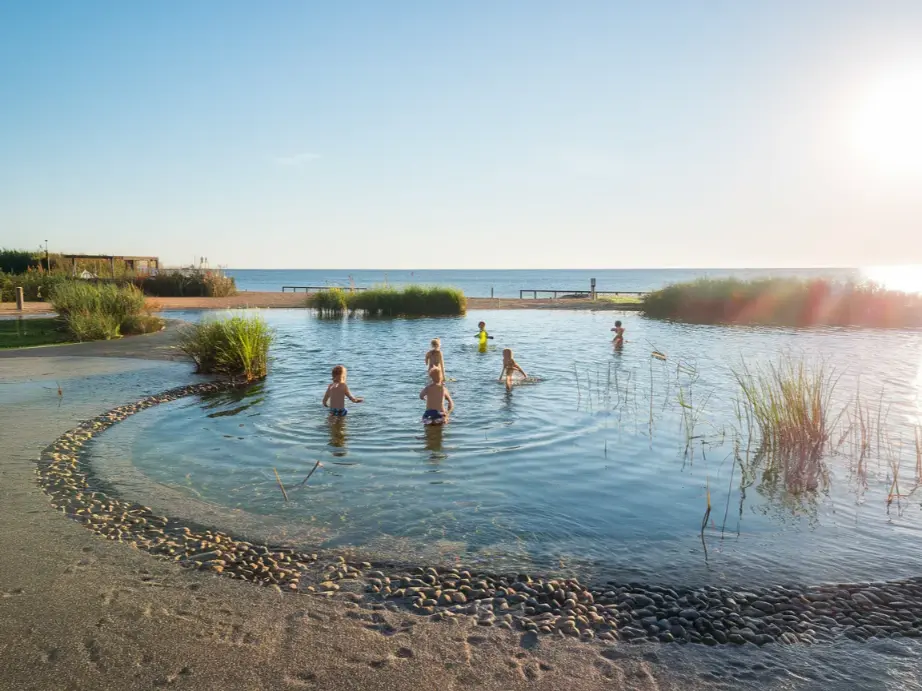
Also called a zero-entry pool, this design lets you walk gradually into the water just like at the beach. The pool starts at ground level and slowly slopes down to deeper water. You can cover the entry area with sand, smooth pebbles, or special pool-safe materials. Kids love this style because it feels safe and fun. Adults love it because lounging in the shallow water is pure relaxation. The beach entry area can include the regeneration zone. Plant water-loving grasses and sedges along the gradual slope for natural beauty and filtration. This is one of the most family-friendly natural pool designs out there.
8. Swim Pond With Island Feature
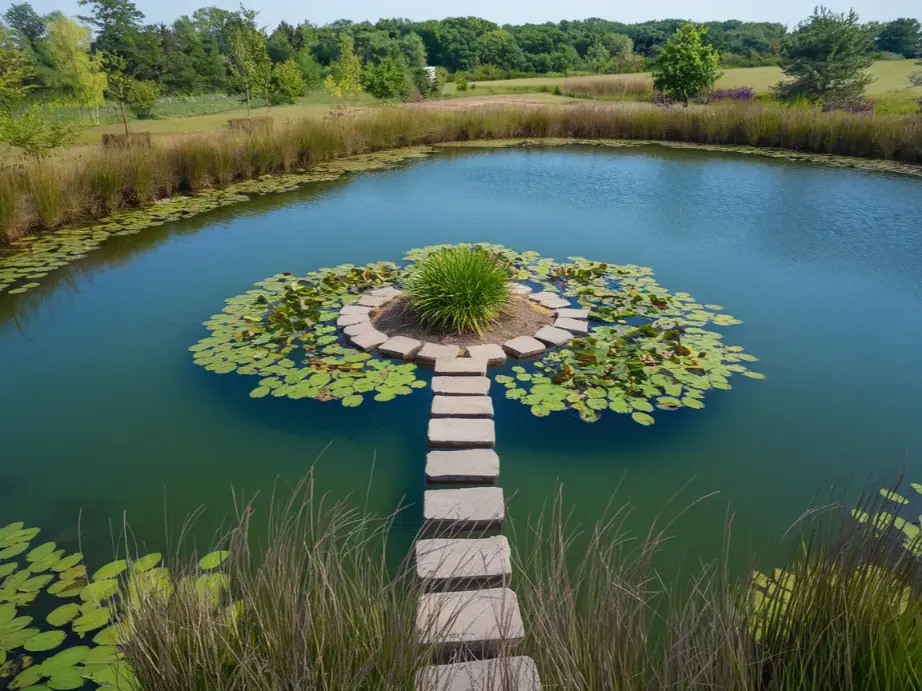
Why have just a pool when you can have your own private island? A swim pond with an island creates a magical centerpiece in your yard. The island can be as simple as a large rock or as elaborate as a planted garden spot you can actually walk to. Build a small bridge or stepping stones to reach the island. Add a bench or even a small fire pit for evening relaxation. The island also serves a practical purpose. It can house part of your regeneration zone, with plants growing all around its edges. This design needs more space think 1,000 square feet or more. But if you have the room, it creates an unforgettable outdoor experience.
9. Two-Tier Waterfall Pool
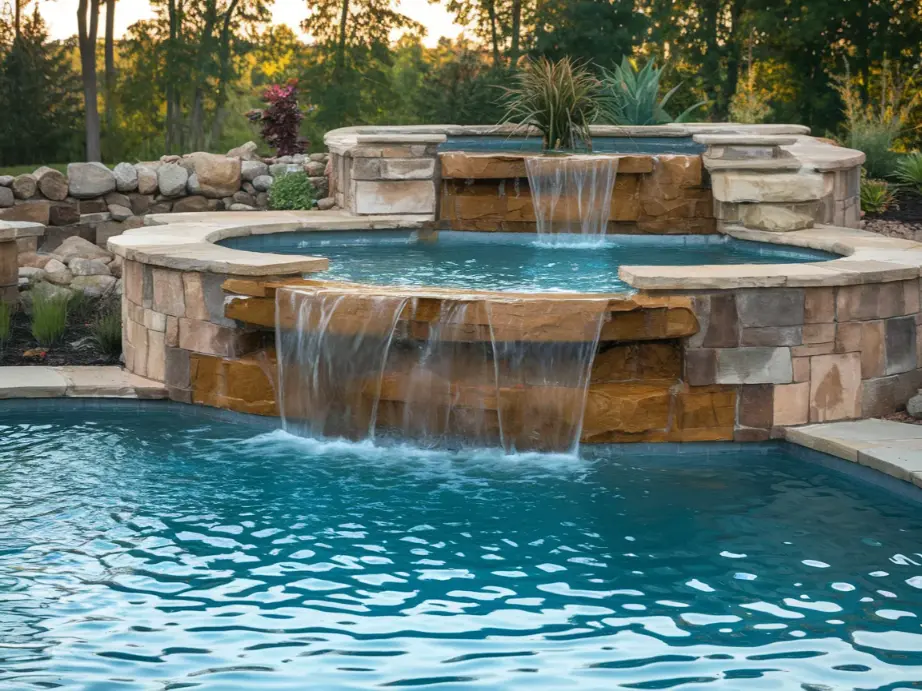
Vertical interest makes any landscape more exciting. A two-tier waterfall pool delivers exactly that. This design features the main swimming pool at one level and an upper water source that cascades down. The upper tier can be a smaller pool, a hot tub, or simply a waterfall feature. Water flows from top to bottom, creating beautiful movement and soothing sounds. The upper tier often holds part of the regeneration zone, making filtration part of the visual display. Stone, concrete, or natural boulders can create the tiers. The look can be modern or rustic depending on materials and finishing. If you enjoy the idea of layered outdoor spaces, you might also love our hallway decor ideas for creating visual interest indoors.
10. Japanese Garden Natural Pool
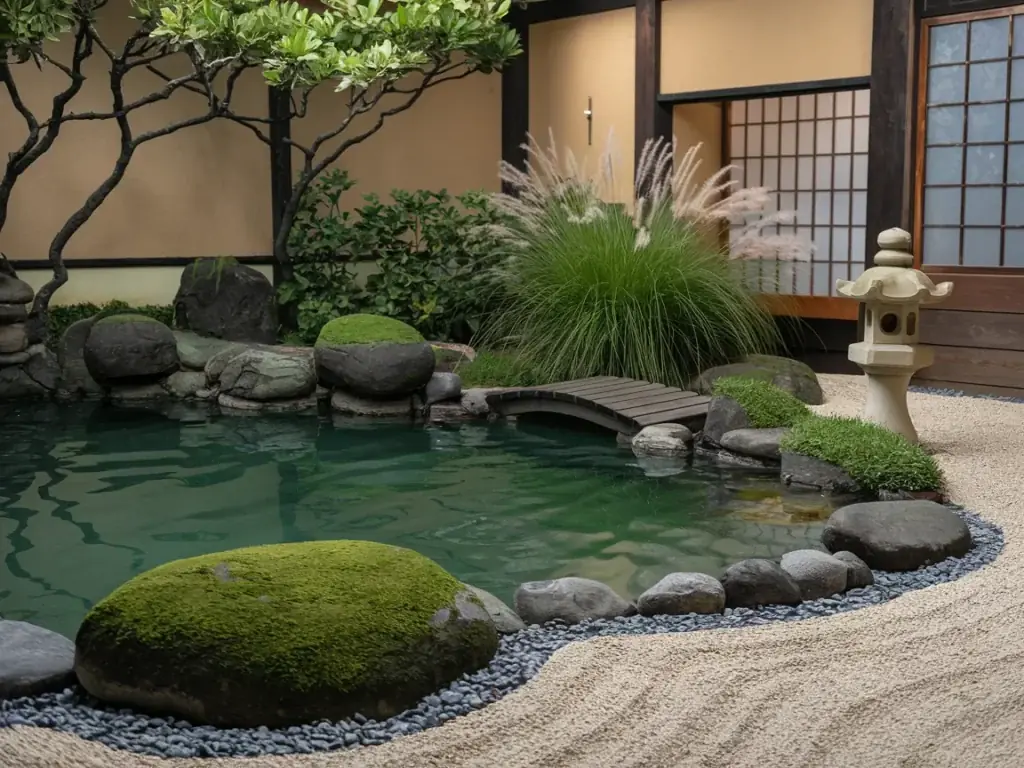
Inspired by traditional Japanese design, this pool style brings calm and balance to your outdoor space. The design follows principles of simplicity, natural materials, and careful plant placement. Think moss-covered rocks, graceful ornamental grasses, and peaceful koi-pond vibes (though actual koi aren’t recommended in natural swimming pools). A small wooden bridge might cross one corner. Stepping stones lead around the water’s edge. Everything feels intentional and serene. The color palette stays natural: greens, browns, grays, and the dark reflection of water. Bamboo accents and stone lanterns complete the look. This style creates a meditation space as much as a swimming spot.
11. Hybrid Natural Pool
Can’t decide between a traditional pool and a natural one? A hybrid gives you the best of both worlds. Hybrid natural pools look like regular pools with clear, blue water. But they use natural biological filtration along with a small amount of UV or phosphate filtering. No chlorine needed. The regeneration zone is often hidden or very compact. You get the clean, contemporary pool look with the health benefits of chemical-free water. This option costs less than a full natural pool because the plant zone is smaller. It’s perfect for homeowners who want the natural pool benefits but prefer a more conventional appearance.
12. Natural Pool With Outdoor Living Space
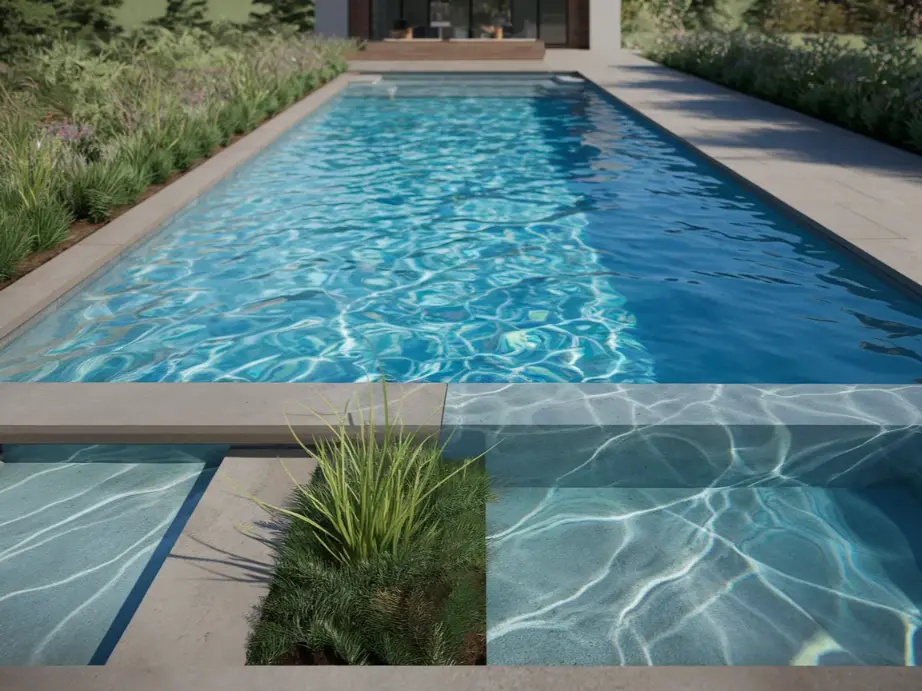
The best natural pools become the heart of a complete outdoor living area. This design combines your pool with a deck, outdoor kitchen, fire features, and relaxation zones. Imagine stepping from your natural pool onto a stone patio. A few steps away, an outdoor kitchen waits for grilling. Nearby, comfortable lounge chairs circle a fire pit. The pool flows naturally into the landscape, with the regeneration zone serving as a beautiful water garden beside your entertainment area. Lighting plays a huge role here. LED lights in the pool, around the plants, and along pathways create magic after sunset. For inspiration on creating stunning outdoor entertainment spaces, explore our guide to outdoor jacuzzi and hot tub ideas.
Choosing the Right Plants for Your Natural Pool
The plants you choose make or break your natural pool. They’re not just decorations—they’re your filtration system.
Floating Plants
These beauties sit on the water’s surface. Their roots dangle below, soaking up nutrients that would otherwise feed algae. Popular choices include water lilies, water hyacinth, and duckweed. Water lilies add gorgeous flowers while keeping the water clean.
Submerged Plants
These grow completely underwater. They add oxygen and provide habitat for helpful microorganisms. Look for hornwort, anacharis, and watershield. They’re low-maintenance and very effective.
Marginal Plants
These grow at the pool’s edge with wet roots and leaves above water. They filter runoff before it enters the swimming area. Cattails, rushes, sweet flag, and pickerelweed all work great. They also add vertical interest to your design.
Tips for Plant Success
- Use native plants from your region whenever possible
- Don’t overcrowd—plants need room to grow
- Plan for seasonal changes in your climate
- Trim dead leaves regularly to prevent decay in the water
Natural Pool Costs: What to Expect
Let’s talk money. Natural pools are an investment, but they can save you cash over time.
Initial Building Costs
| Pool Type | Average Cost Range |
|---|---|
| Basic Natural Pool | $50,000 – $70,000 |
| Mid-Range Natural Pool | $70,000 – $100,000 |
| High-End Natural Pool | $100,000 – $150,000+ |
| The cost depends on size, materials, features, and your location. A pool with a waterfall, infinity edge, and premium stone will cost more than a simple design. | |
| Natural pools typically cost about 10% more to install than traditional pools. This is mainly because the regeneration zone adds extra size and work. |
Ongoing Costs
Here’s where natural pools shine. Annual maintenance runs around $150 to $260 per month, which is often lower than traditional pools when you factor in chemical costs. You won’t buy chlorine, algaecide, or shock treatments. Your main expenses are electricity for the pump and replacing plants as needed.
Value Added to Your Home
Natural pools can boost your home’s value by 5 to 7% when well-designed and maintained. They appeal to eco-conscious buyers and stand out in real estate listings.
Maintaining Your Natural Pool
Natural pools need care, but it’s more like gardening than chemistry class.
Weekly Tasks
- Skim leaves and debris from the surface
- Check the pump is running properly
- Observe water clarity and plant health
Monthly Tasks
- Trim overgrown plants
- Clean skimmer baskets
- Vacuum sediment from the pool floor if needed
Seasonal Care
Spring: Clean out any dead plant material. Divide and replant as needed. Start the pump if you shut it down for winter. Summer: Watch for algae blooms during hot weather. Keep plants trimmed. Top off water lost to evaporation. Fall: Remove falling leaves quickly. Cut back dying plants. Prepare for winter based on your climate. Winter: In cold climates, let the pool freeze naturally. Some homeowners even use their frozen pool as an ice-skating rink! Just make sure it’s frozen solid and safe before stepping on it.
How to Design Your Natural Pool
Planning makes perfect when it comes to natural pools. Here’s how to approach your design.
Step 1: Assess Your Space
Start by measuring your yard. Remember, you need space for both the swimming zone and the regeneration zone. A good rule of thumb is that the plant zone should cover at least 30-50% of the total pool area. Look at sunlight patterns. Most aquatic plants need 5-6 hours of direct sun. Also consider existing trees—falling leaves mean more cleanup work.
Step 2: Choose Your Style
Think about your home’s architecture and your personal taste. A modern home pairs well with clean-lined designs. A cottage or farmhouse suits the classic pond style. Don’t forget to consider your lifestyle. Do you have young kids? A beach entry might be safer. Love to swim laps? Make sure the swimming zone is long enough.
Step 3: Plan the Regeneration Zone
Decide whether you want visible plants or a hidden filtration system. Both work great—it’s about your preference. Visible regeneration zones with water lilies and reeds create that dreamy natural look. Hidden systems with biofilm filters offer a more traditional pool appearance.
Step 4: Select Your Materials
Natural pools can be built with various materials:
- Concrete – Durable and allows any shape
- Liner – EPDM rubber liners work well and cost less
- Bentonite clay – Most natural option for pond-style pools
- Fiberglass – Quick installation but limited shapes
Step 5: Hire the Right Builder
Natural pools require specialized knowledge. Look for builders with specific natural pool experience. Ask to see completed projects and talk to past clients. In the US, organizations like BioNova and Total Habitat have certified builders across the country.
Adding Features to Your Natural Pool
Rock Waterfalls
A waterfall does more than look pretty. It adds oxygen to the water, which keeps good bacteria happy. Plus, the sound of moving water masks neighborhood noise and creates instant relaxation. Natural rock waterfalls cost anywhere from $2,000 for simple designs to $15,000+ for elaborate multi-tier creations. Artificial rock options cost less and weigh much less, making installation easier.
Pool Lighting
LED lights transform your natural pool after dark. Underwater lights create a magical glow. Pathway lights guide guests safely. Plant up-lighting adds drama. Modern LED systems use very little energy and last for years. Many connect to smart home systems for easy control.
Decking and Patios
The area around your pool matters almost as much as the pool itself. Popular decking materials include:
- Natural stone like flagstone or bluestone
- Hardwood like Ipe or Teak
- Composite decking for low maintenance
- Travertine for a Mediterranean look Match your decking to your pool style. Rustic pools love flagstone. Modern pools pair with smooth concrete or composite.
Seating and Lounging
Don’t forget comfortable places to relax! Built-in ledges inside the pool let you sit in the water. Surrounding the pool with lounge chairs and outdoor sofas creates an inviting atmosphere. Consider adding a pergola or shade structure near the pool. It provides relief from hot sun and defines the outdoor living space.
Natural Pools for Different Climates
Warm Climates
Natural pools work beautifully in warm climates like Florida, Texas, and California. You can swim year-round, and plants thrive in the consistent warmth. Watch for algae during extremely hot periods. Good circulation and healthy plant populations keep algae under control.
Cold Climates
Yes, natural pools work in cold climates too! They freeze in winter just like any outdoor water feature. Some homeowners even enjoy skating on their frozen pools in Minnesota and Wisconsin. The pump gets stored for winter. Plants go dormant but come back in spring. The biological system picks up right where it left off once temperatures rise. Some aquatic plants won’t survive cold winters. Either choose cold-hardy varieties or plan to replace tropicals each year.
Moderate Climates
Moderate climates offer the longest swimming seasons and easiest plant care. The Pacific Northwest and mid-Atlantic states see great success with natural pools. Regular rainfall helps maintain water levels. Mild winters mean less winterizing work.
FAQs About Natural Pools
Are Natural Pools Safe for Swimming?
Yes! When properly designed and maintained, natural pools provide clean, safe water for swimming. The biological filtration removes harmful bacteria effectively.
Can I Have Fish in My Natural Pool?
It’s not recommended. Fish eat the helpful microorganisms and add waste to the water. Keep them in a separate koi pond instead.
Do Natural Pools Attract Mosquitoes?
No, if designed correctly. Moving water from the pump system prevents mosquitoes from breeding. Still water is what they love—your natural pool won’t have that.
How Long Does a Natural Pool Take to Build?
Plan for at least 3 to 6 weeks of construction. The biological system also needs time to establish—usually a full season before reaching peak filtration.
Can I Convert My Existing Pool to Natural?
Yes! Many homeowners convert traditional pools to natural filtration. It requires adding a regeneration zone and removing chemical systems.
Do Natural Pools Need Permits?
Yes. Natural pools are permitted through the same process as regular pools. They must meet all local building codes and safety requirements, including proper fencing.
What’s the Smallest Natural Pool I Can Build?
Experts recommend at least 300-500 square feet total. This gives enough space for both swimming and filtration. Smaller pools can use compact biofilm filters instead of large plant zones.
Final Thoughts
Natural pools offer something truly special. They give you the joy of swimming without chemicals, the beauty of a water garden, and the satisfaction of working with nature instead of against it. Whether you dream of a wild pond-style retreat, a sleek modern oasis, or a compact plunge pool for your small backyard, there’s a natural pool design that fits your space and style. Take your time planning. Research local natural pool builders. Visit existing natural pools if you can. The more you learn, the better your final result will be. Your dream backyard oasis is waiting. Why not make it natural? If you’re planning a complete outdoor transformation, don’t miss our guides on patio decor lights and home decor entrance ideas to create a cohesive look from the moment you step outside.
Ready to transform your backyard? Start by measuring your space and dreaming big. A natural pool might just be the best investment you ever make for your home and family.